How This Partnership Started
Warner Music Group has stepped into a phase that shows how major labels are thinking about AI. Instead of blocking every tool that touches generative audio, the label is choosing to help shape the tech that musicians might use in the future. The partnership with Stability AI reflects that shift. It’s presented as a plan to build tools that help creators work with AI models that use licensed and cleared material instead of scraping unknown sources.
This type of agreement matters because artists and producers have raised concerns about how their work gets used by machine learning platforms. Many artists worry about hearing a voice similar to theirs show up in a track without their permission. Warner’s approach signals that companies want to build systems where rights holders participate from the start. It also means the label can structure the tool’s rules, helping creators feel more comfortable testing out AI features.
The early stage nature of this partnership keeps expectations grounded. The companies haven’t released full products yet. They’ve opened a development path. That means months of testing ahead, involvement from selected creators and long conversations about how credits, publishing and revenue will be handled once the tools are active.
What These Tools Aim To Do
The tools under development are meant for artists, songwriters and producers who want AI to supplement their workflow. That might include generated reference tracks, early stage melody ideas or sound textures that help spark progress in the studio. Many artists use digital tools already, so the idea here is to expand the toolkit while keeping legal and creative boundaries intact.
Licensed training data is a central promise of the collaboration. Generative tools need large audio datasets to learn patterns. If those datasets include copyrighted recordings without permission, the output becomes controversial. By planning a licensed structure, Warner and Stability AI aim to prevent those concerns. It also positions the tool as something that creators can adopt without worrying about legal gray areas.
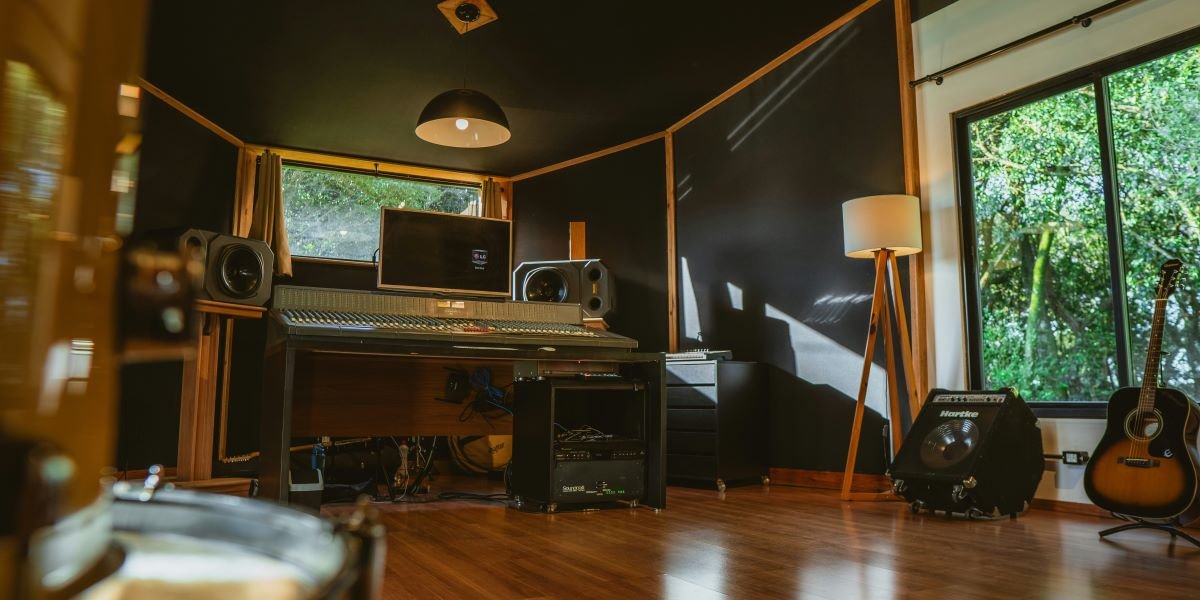
Another goal is to make the tools compatible with common studio workflows. Songwriters and producers often mix analog habits with digital systems. If a new tool feels difficult to integrate, it won’t get used. That’s why the partnership stresses artist involvement during development. Practical features, workflow awareness and quality control will shape the outcome.
How Artists Might Use These Tools
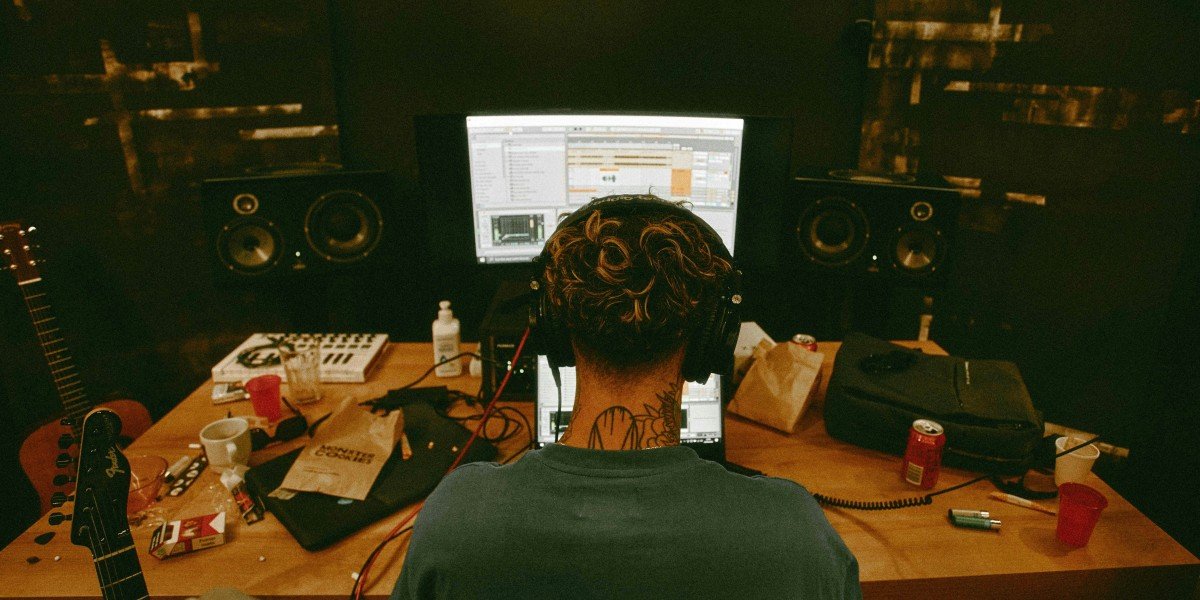
Many creators already use software to sketch ideas. AI tools could extend that process. An artist might generate a chord idea, refine it, then build a full arrangement with their own instrumentation. A producer might test several rhythmic ideas before choosing a direction. Songwriters could use the AI output as a spark when facing creative blocks. The key is that the AI isn’t replacing the human input. It’s helping with early drafts that get shaped by the artist’s decisions.
These tools could also help artists who don’t have large budgets. Some creators spend long hours testing sounds, making demos and building arrangements. If an AI tool speeds up early experimentation, it could help them spend more energy on performance and emotional detail. Labels benefit too because artists may reach the studio with clearer ideas in place.
There’s also a potential shift in collaboration. Some artists write alone or with small teams. AI tools might support those creators by giving them more production choices without hiring large teams. It won’t replace collaboration with humans, but it may expand creative flexibility during early stages.
Concerns People Might Have
Any mention of AI in music brings up fears about lost creativity. Some artists worry that tools like these might lead to tracks that sound too similar or that lack personal fingerprints. Warner’s move aims to ease those concerns by framing the tools as supportive rather than dominant. The model focuses on licensed inputs and creative control, not on building tracks that imitate artists without consent.
Another concern is how revenue gets handled if AI helps produce part of a track. Musicians want clear rules about ownership. If an AI model generates a sound idea, who owns it? These questions can’t be ignored. The partnership acknowledges this by highlighting creator rights and input during development. Artists need certainty around publishing splits and songwriting credit before they adopt the tools.
There’s also the relationship between AI and entry-level creators. Some fear AI tools may reduce opportunities for human producers or session musicians. Others believe the tools could expand opportunities by lowering barriers for smaller acts who can’t afford full production teams. The reality will depend on how these systems get implemented and how artists choose to use them.
What This Means For The Wider Music Industry
Major labels making early moves in AI signals broader adoption ahead. When one major takes a step, others watch. If the tools prove useful and trusted, more partnerships may appear across the industry. It could change how deals get written, especially those related to rights and creative processes. Artists may start asking for AI-tool clauses in their contracts. Managers and lawyers will adapt to match these needs.
Studios may also change their setups. As new AI tools emerge, engineers will need to learn how to integrate them into software stacks and mix sessions. The shift might resemble what happened when digital audio workstations took over from tape sessions years ago. It didn’t replace human skill. It adjusted how people worked and opened new creative paths.
The business side could see changes too. Labels might offer new services built around AI solutions. Some tools may become subscription based. Others might be tied to specific deal structures. The partnership with Stability AI suggests labels want to build frameworks early rather than react later.
What Comes Next
Development will continue over the next year. Early pilot testing will show which features matter most to artists. Feedback will guide the design, and the companies may release previews once they feel confident about stability and reliability. The tools will likely expand over time with new capabilities and updated training models that keep pace with creative expectations.
The response from artists will shape the rollout. If creators feel the tools respect their work, adoption will grow. If the tools feel intrusive or confusing, adoption will slow. This period of observation and testing will help the industry decide how deeply AI belongs inside everyday music creation.
Warner’s approach signals that the conversation about AI in music is shifting. The focus is moving from fear toward structure and collaboration. AI won’t replace the emotional choices artists make. It may, however, become one of the many tools they use to turn ideas into finished music.