Music Observer

Lana Del Rey Teases New Era With Incoming Single And Album Timeline

Lana Del Rey Teases New Era With Incoming Single And Album Timeline

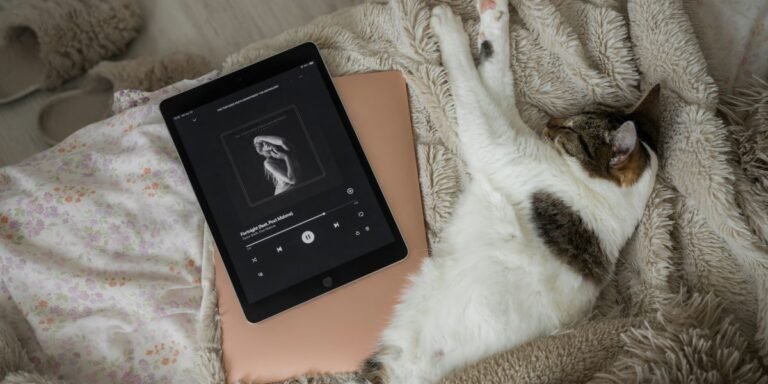
Lana Del Rey is preparing to enter a new creative chapter, marked by a forthcoming single and the long-awaited arrival of her tenth studio album. After several rewrites, title changes, and delays, the project now appears closer than ever, signaling a carefully paced rollout that reflects both artistic control and evolving industry strategy. The next step in this rollout is a new track titled White Feather-Hawk Tail Deer Hunter, scheduled for release on February 17 as the third single from the upcoming album Stove. The announcement arrived through direct communication with fans, reinforcing Del Rey’s pattern of intimate, slow-build promotion rather than fast, algorithm-driven release cycles. Speaking about the song, Del Rey described it as deeply meaningful within the project. She said it is “my new single and my favorite song [on the new album] — this is the one I’ve been waiting for,” adding that she felt “really happy” about its release. The statement highlights how the upcoming album is shaped by personal investment rather than commercial urgency, a theme that has defined much of her recent work. A Long Road To Album Ten Stove represents Del Rey’s first full-length release since 2023’s Did You Know That There’s a

exclusive topics

CELEBRITY

Life After the Runway Exploring New Careers for Former Models

Life After the Runway: Exploring New Careers for Former Models

Models have long been icons of style, movement, and visual storytelling. But the runway isn’t forever, and for many, it’s just the beginning. As the fashion industry evolves and the spotlight shifts, former models are carving out bold new paths across creative, entrepreneurial, and cultural sectors. Their transition isn’t just about reinvention, it’s about reclaiming agency and expanding influence. Whether stepping into business, media, or advocacy, models are proving that their skills extend far beyond posing and presentation. With deep industry insight, global networks, and a sharp sense of aesthetics, they’re uniquely positioned to thrive in roles that demand vision and versatility. From Runway to Boardroom: The Rise of Model Entrepreneurs Entrepreneurship has become a natural next step for many former models. Years spent navigating fashion campaigns, brand partnerships, and global tours often translate into sharp instincts for branding and business. Some launch skincare lines, others build creative agencies, and many establish platforms that support emerging talent. Tyra Banks, once a household name on the catwalk, now runs a media empire that includes production, education, and investment. Her pivot wasn’t accidental, it was strategic, rooted in years of observing how models are positioned and perceived. This kind of transition reflects

How Influencer-Led Online Communities Are Changing the Way People Discover Music

How Influencer-Led Online Communities Are Changing the Way People Discover Music

Today’s music discovery looks very different than it did even a few years ago. A big part of that change comes from online communities led by influencers who share their favorite tracks, styles, and artists with their followers. These groups aren’t just about promoting songs—they’re about creating spaces where people can connect over music, explore new sounds, and experiment with blending genres. This shift has made music discovery more social, diverse, and dynamic than ever before. These influencer-led communities offer more than recommendations. They build connections between people who share a passion for music, giving listeners a chance to dive deeper and enjoy music together. Understanding how these communities work helps explain why new music styles spread so quickly today. Creating Communities Around Shared Music Interests At the heart of these online spaces are influencers who gather people around shared tastes. Whether it’s a specific genre, a mood, or emerging artists, these communities bring fans together to talk, listen, and celebrate music. This turns music discovery into a shared experience rather than something done alone. In these communities, members exchange recommendations, talk about what moves them, and sometimes create content inspired by their favorite songs. The influencers guiding these conversations

🔥hot off the press!🔥

From Red Carpets to Climate Action: Celebrities Leading the Way

Climate action has moved from the sidelines to center stage in the entertainment world. What was once a niche concern is now a defining issue for artists, producers, and industry leaders alike. As the climate crisis intensifies, the music and entertainment sectors are being forced to reckon with their environmental impact, and many are stepping up. From reducing emissions on global tours to rethinking the materials used in stage design, climate action is no longer a side initiative. It’s becoming a core part of how entertainment is produced, consumed, and monetized. And while celebrities may help amplify the message, the real transformation is happening behind the scenes, in production offices, tour buses, recording studios, and boardrooms. Sustainable Touring and Eco-Conscious Production Are Gaining Momentum One of the most visible shifts in climate action within the music industry is the rise of sustainable touring. Major artists and their teams are rethinking how they move, power, and promote their shows. This includes switching to biodiesel or electric tour buses, offsetting carbon emissions, and eliminating single-use plastics from backstage areas. Tour production companies are also embracing greener practices. LED lighting, modular stage designs, and digital ticketing systems are becoming standard. Some tours now

EVENTS

MOVIES

The Intuition of the Editor: A Personal Approach to Editing

The Intuition of the Editor: A Personal Approach to Editing

The Role of Intuition and Instinct in the Editing Process Editing, while grounded in technical skill and structural understanding, is ultimately a deeply intuitive art. At its core, editing requires not only logical sequencing but also an acute sensitivity to rhythm, emotion, and atmosphere. Many of the editor’s most impactful decisions arise not from formal rules but from instinct—an internal sense of timing and emotional resonance that is difficult to quantify but immediately felt. Intuition in editing is developed through immersion. As editors engage with footage, they begin to perceive the subtle energy of a scene—the nuances of a glance, the weight of a pause, the tension between silence and sound. These perceptions guide decisions about where to cut, how long to hold a moment, and when to shift perspective. Although structure and continuity remain important, the strongest edits often emerge when editors allow themselves to respond emotionally, rather than analytically, to the material. This intuitive engagement does not dismiss discipline. Rather, it works alongside it. Intuition serves as a compass, pointing toward authenticity, flow, and truth. When editors trust this inner guidance, they are able to shape narratives that not only make sense but also feel deeply human. Balancing

MUSIC

How Music Connects to the Minds and Emotions of Its Audience

How Music Connects to the Minds and Emotions of Its Audience

Music doesn’t just fill silence, it fills space in the brain. It’s the only art form that hits memory, emotion, and identity all at once. Whether it’s a film score that makes the chest tighten or a hook that loops in the head for days, music has a direct line to the nervous system. Artists, producers, and fans alike understand that it’s not accidental; it’s engineered. From the first beat drop to the final fade-out, music shapes how people feel, think, and move. It’s why a single chord progression can trigger nostalgia, or why a live set can shift the energy of an entire room. The connection is real, and it’s measurable, not just in vibes, but in brainwaves. The Brain Doesn’t Just Hear Music, It Reacts to It When music hits, the brain lights up. Functional MRI scans show that listening to music activates the auditory cortex, sure, but it also engages the limbic system, which processes emotion, and the hippocampus, which stores memory. That’s why a song from high school can bring back a flood of feelings, even decades later. Researchers at Princeton’s Music Cognition Lab have explored how repetition, rhythm, and melodic structure influence emotional response. Their

Redefining Success How Musicians Are Embracing a Career Renaissance

Redefining Success: How Musicians Are Embracing a Career Renaissance

A career renaissance is unfolding across the music industry, reshaping how artists define success and navigate their creative paths. This shift isn’t just about adapting to change, it’s about rewriting the rules entirely.  More than a trend, it’s a movement where musicians are reimagining their roles, blending artistry with entrepreneurship, and building careers that reflect who they are beyond the stage. Whether they’re stepping into production, launching fashion collaborations, or exploring tech-driven platforms, artists are proving that success can be fluid, multidimensional, and entirely self-authored. Breaking Free from Traditional Metrics Success in music used to be measured by record deals, chart positions, and sold-out tours. While those benchmarks still matter, they no longer dominate the conversation. Musicians are now building careers that reflect personal values, creative control, and long-term sustainability. Whether it’s through sync licensing, teaching, or launching boutique labels, artists are proving that fulfillment doesn’t have to come from mainstream validation. Independent artists are leading this shift. Chance the Rapper built a Grammy-winning career without signing to a major label, relying on streaming platforms and direct fan engagement. Tinashe, after parting ways with RCA Records, took full control of her music and visuals, releasing critically acclaimed projects that reflect

How Influencers Are Shaping the Rise of New Music Styles

In the music industry, influencers play a notable role in introducing fresh sounds and encouraging genre blending. Their ability to connect with diverse audiences and showcase emerging trends has created an environment where new styles can gain traction more quickly than ever before. This influence goes beyond mere promotion; it actively shapes how music evolves by opening listeners to innovative combinations and creative expressions. Understanding how influencers contribute to the growth of new music styles offers insight into the changing dynamics of the music industry and the role of social media in cultural development. Their impact illustrates the power of digital communities in redefining tastes and expanding the boundaries of genre. Bringing Fresh Sounds to Broader Audiences One of the primary ways influencers impact music is by acting as conduits between artists and audiences. Their platforms often introduce followers to tracks and styles that may not yet have mainstream exposure. By sharing music that incorporates unique sounds or blends different genres, influencers help expand the listening habits of their audiences. This exposure can ignite interest in less conventional music, encouraging fans to explore beyond familiar categories. It creates opportunities for artists experimenting with new sounds to reach listeners who might

How Music Works Understanding the Science Behind Musical Sounds

How Music Works: Understanding the Science Behind Musical Sounds

Music is often described as a universal language, but underneath its emotional pull lies a complex set of physical principles. The way musical sounds are created, shaped, and perceived involves a blend of physics, biology, and psychology. For those who’ve ever wondered why a melody feels uplifting or why certain chords sound tense, the science behind musical sounds offers clear, fascinating answers. It’s not always easy to grasp these concepts without technical training, and that’s okay, many people feel overwhelmed by the jargon. But the core ideas are surprisingly intuitive once broken down. The Physics of Musical Sound At its most basic level, music begins with vibration. Whether it’s a guitar string, a vocal cord, or a drumhead, sound is produced when something moves back and forth rapidly. This movement pushes air particles around it, creating waves that travel through the air. These waves eventually reach the ear, where they’re interpreted as sound. The speed of these vibrations, known as frequency, determines pitch. A faster vibration produces a higher pitch, while a slower one results in a lower pitch. This is why tightening a guitar string makes the note sound higher, it vibrates more quickly. The size and material of

Timeless Christmas Songs to Enjoy Ahead of the Holiday Season

Timeless Christmas Songs to Enjoy Ahead of the Holiday Season

Christmas songs continue to dominate the cultural and commercial landscape each year, returning to playlists, radio rotations, and streaming charts with a force that rivals even the most anticipated new releases. As the 2025 holiday season approaches, these timeless tracks are already making their annual comeback, proving once again that seasonal music is not just tradition, it’s a global phenomenon. From Bing Crosby’s “White Christmas” to Mariah Carey’s “All I Want for Christmas Is You,” holiday music has evolved into a genre of its own, blending nostalgia, emotional resonance, and commercial power. These songs are more than festive background noise; they are cultural anchors that define the sound of the season and drive billions of streams, downloads, and sync deals across the industry. Why Christmas Songs Still Resonate The enduring popularity of Christmas songs can be attributed to their emotional architecture. Built on familiar chord progressions, warm lyrical themes, and repetitive melodic structures, these tracks are designed to evoke memory and sentiment. Music cognition experts have long noted that holiday music is particularly effective at triggering emotional recall, which explains why certain songs feel instantly comforting and familiar. This phenomenon is also tied to the concept of musical “stickiness,” explored

How Music Streaming Fraud Is Impacting Artists and Fans Alike

How Music Streaming Fraud Is Impacting Artists and Fans Alike

Music streaming fraud isn’t just a background issue, it’s a full-blown crisis affecting artists, fans, and the platforms they rely on. As streaming continues to dominate how music is consumed, fraudsters are exploiting the system with bots, fake accounts, and pay-for-play schemes that inflate numbers and distort reality. The result? Artists lose revenue, fans lose trust, and the industry loses credibility. It is now estimated to cost the global music industry billions annually. That’s not just a dent, it’s a crater. And while platforms like Spotify, Apple Music, and YouTube Music are investing in detection algorithms, bad actors are evolving just as fast. The damage is widespread, and it’s hitting independent artists hardest. Artists Are Losing Royalties and Recognition When fake streams flood the system, legitimate artists get pushed down the algorithm. Their music becomes harder to discover, their royalty payouts shrink, and their career momentum stalls. This isn’t just theoretical, it’s happening in real time. In Denmark, a man was convicted for generating millions of fake streams using edited versions of other musicians’ work. In the U.S., another individual was charged with wire fraud and money laundering after manipulating streaming data to boost fake tracks. Independent artists are especially

AI-Generated 'Slop' is Dominating Music Streams—What Does It Mean

AI-Generated Slop is Dominating Music Streams—What Does It Mean?

AI-Generated Slop isn’t just a meme, it’s a growing reality in the music industry. Thousands of tracks created by generative algorithms are uploaded daily to platforms like Spotify, Apple Music, and Deezer. Many are designed to mimic popular genres, exploit playlist algorithms, and rack up streams with minimal human input. The result? A flood of soulless, formulaic content that’s reshaping how music is discovered, consumed, and monetized. Streaming platforms are overwhelmed. According to recent reports, nearly a third of new tracks uploaded daily are AI-generated. These songs often follow predictable patterns, use royalty-free loops, and lack any artistic intent. Yet they’re earning real money, sometimes more than independent artists, thanks to automated listening farms and algorithmic placement. The rise of AI-Generated Slop is turning music discovery into a numbers game, where volume beats value. The Rise of Algorithmic Music Farms AI-Generated Slop thrives in environments built for scale, and algorithmic music farms are the engine behind it. These farms operate like digital factories, churning out thousands of tracks designed to mimic popular genres, exploit playlist algorithms, and rack up streams with minimal human input. The goal isn’t artistry, it’s volume. And in a system where payouts are tied to play

How Hip-Hop Continues to Shape Culture and Revolutionize Music

How Hip-Hop Continues to Shape Culture and Revolutionize Music

Hip-hop isn’t just a genre, it’s a global movement. Born in the Bronx in the 1970s, it began as a raw, expressive outlet for marginalized communities. Today, it’s a cultural powerhouse that influences everything from fashion and language to politics and education. In 2025, hip-hop continues to evolve, disrupt, and dominate, proving that its impact is far deeper than beats and rhymes. Whether it’s the rise of phonk, the dominance of trap, or the fusion of hip-hop with global sounds, the genre remains the most dynamic force in music. It’s not just shaping playlists, it’s shaping identity. From the Streets to the Global Stage Hip-hop’s journey from block parties to global stages is one of music’s most transformative arcs. What started with turntables, breakbeats, and graffiti has become a multibillion-dollar industry that spans continents and cultures. The genre’s early pioneers, DJ Kool Herc, Grandmaster Flash, Run-D.M.C., laid the foundation for storytelling through rhythm. But hip-hop didn’t stay local. It spread through mixtapes, radio, and MTV, eventually becoming the dominant sound of youth culture worldwide. As explored in why hip-hop and R&B still dominate global charts, hip-hop’s ability to absorb and remix influences keeps it fresh. It’s not afraid to experiment,