Music Observer

Warner Music Group Builds New AI Music Tools With Stability AI

How This Partnership Started

Warner Music Group has stepped into a phase that shows how major labels are thinking about AI. Instead of blocking every tool that touches generative audio, the label is choosing to help shape the tech that musicians might use in the future. The partnership with Stability AI reflects that shift. It’s presented as a plan to build tools that help creators work with AI models that use licensed and cleared material instead of scraping unknown sources.

This type of agreement matters because artists and producers have raised concerns about how their work gets used by machine learning platforms. Many artists worry about hearing a voice similar to theirs show up in a track without their permission. Warner’s approach signals that companies want to build systems where rights holders participate from the start. It also means the label can structure the tool’s rules, helping creators feel more comfortable testing out AI features.

The early stage nature of this partnership keeps expectations grounded. The companies haven’t released full products yet. They’ve opened a development path. That means months of testing ahead, involvement from selected creators and long conversations about how credits, publishing and revenue will be handled once the tools are active.

What These Tools Aim To Do

The tools under development are meant for artists, songwriters and producers who want AI to supplement their workflow. That might include generated reference tracks, early stage melody ideas or sound textures that help spark progress in the studio. Many artists use digital tools already, so the idea here is to expand the toolkit while keeping legal and creative boundaries intact.

Licensed training data is a central promise of the collaboration. Generative tools need large audio datasets to learn patterns. If those datasets include copyrighted recordings without permission, the output becomes controversial. By planning a licensed structure, Warner and Stability AI aim to prevent those concerns. It also positions the tool as something that creators can adopt without worrying about legal gray areas.

Another goal is to make the tools compatible with common studio workflows. Songwriters and producers often mix analog habits with digital systems. If a new tool feels difficult to integrate, it won’t get used. That’s why the partnership stresses artist involvement during development. Practical features, workflow awareness and quality control will shape the outcome.

How Artists Might Use These Tools

Many creators already use software to sketch ideas. AI tools could extend that process. An artist might generate a chord idea, refine it, then build a full arrangement with their own instrumentation. A producer might test several rhythmic ideas before choosing a direction. Songwriters could use the AI output as a spark when facing creative blocks. The key is that the AI isn’t replacing the human input. It’s helping with early drafts that get shaped by the artist’s decisions.

These tools could also help artists who don’t have large budgets. Some creators spend long hours testing sounds, making demos and building arrangements. If an AI tool speeds up early experimentation, it could help them spend more energy on performance and emotional detail. Labels benefit too because artists may reach the studio with clearer ideas in place.

There’s also a potential shift in collaboration. Some artists write alone or with small teams. AI tools might support those creators by giving them more production choices without hiring large teams. It won’t replace collaboration with humans, but it may expand creative flexibility during early stages.

Concerns People Might Have

Any mention of AI in music brings up fears about lost creativity. Some artists worry that tools like these might lead to tracks that sound too similar or that lack personal fingerprints. Warner’s move aims to ease those concerns by framing the tools as supportive rather than dominant. The model focuses on licensed inputs and creative control, not on building tracks that imitate artists without consent.

Another concern is how revenue gets handled if AI helps produce part of a track. Musicians want clear rules about ownership. If an AI model generates a sound idea, who owns it? These questions can’t be ignored. The partnership acknowledges this by highlighting creator rights and input during development. Artists need certainty around publishing splits and songwriting credit before they adopt the tools.

There’s also the relationship between AI and entry-level creators. Some fear AI tools may reduce opportunities for human producers or session musicians. Others believe the tools could expand opportunities by lowering barriers for smaller acts who can’t afford full production teams. The reality will depend on how these systems get implemented and how artists choose to use them.

What This Means For The Wider Music Industry

Major labels making early moves in AI signals broader adoption ahead. When one major takes a step, others watch. If the tools prove useful and trusted, more partnerships may appear across the industry. It could change how deals get written, especially those related to rights and creative processes. Artists may start asking for AI-tool clauses in their contracts. Managers and lawyers will adapt to match these needs.

Studios may also change their setups. As new AI tools emerge, engineers will need to learn how to integrate them into software stacks and mix sessions. The shift might resemble what happened when digital audio workstations took over from tape sessions years ago. It didn’t replace human skill. It adjusted how people worked and opened new creative paths.

The business side could see changes too. Labels might offer new services built around AI solutions. Some tools may become subscription based. Others might be tied to specific deal structures. The partnership with Stability AI suggests labels want to build frameworks early rather than react later.

What Comes Next

Development will continue over the next year. Early pilot testing will show which features matter most to artists. Feedback will guide the design, and the companies may release previews once they feel confident about stability and reliability. The tools will likely expand over time with new capabilities and updated training models that keep pace with creative expectations.

The response from artists will shape the rollout. If creators feel the tools respect their work, adoption will grow. If the tools feel intrusive or confusing, adoption will slow. This period of observation and testing will help the industry decide how deeply AI belongs inside everyday music creation.

Warner’s approach signals that the conversation about AI in music is shifting. The focus is moving from fear toward structure and collaboration. AI won’t replace the emotional choices artists make. It may, however, become one of the many tools they use to turn ideas into finished music.
Kevin Shine and WSA: Shaping the Future at the 2025 Unplugged Music Experience

By: Lennard James  

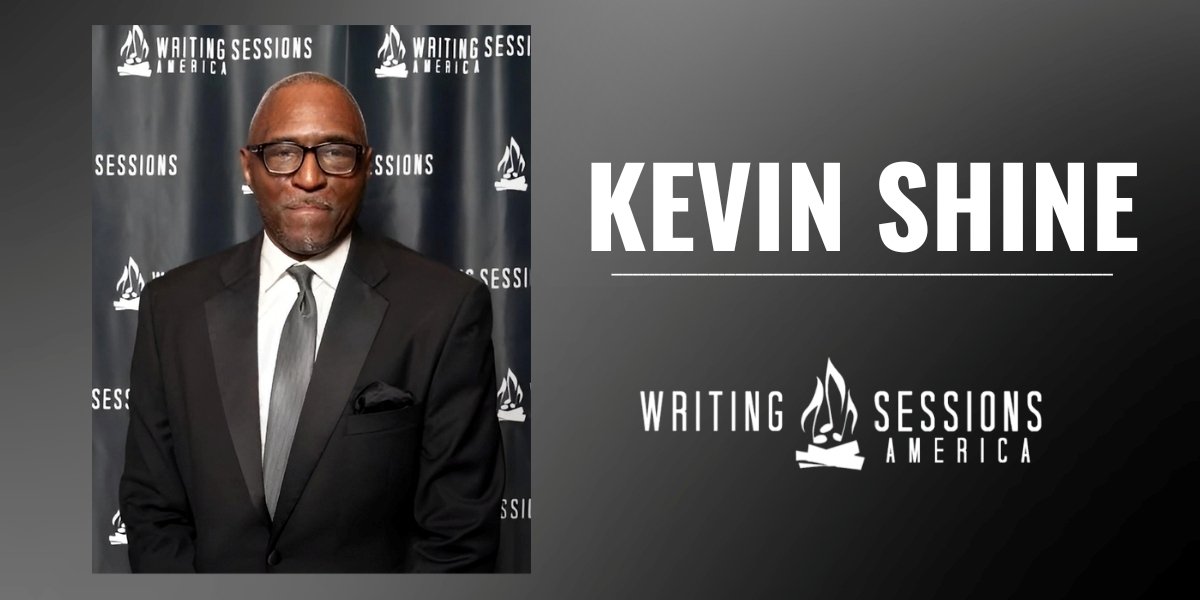
In an era where independence is power, Kevin Shine and Writing Sessions America (WSA) have become cornerstones of empowerment for artists determined to take control of their music careers. As the world prepares for the 12th Annual Unplugged Music Experience (UME) scheduled for November 13–16, 2025, it’s clear that this conference represents far more than an annual industry gathering. It is a movement, a mission, and a model of what sustainable success looks like for today’s music creators. 

Kevin Shine and WSA: Shaping the Future for Independent Artists at the 2025 Unplugged Music Experience

Photo Courtesy: Writing Sessions America

Under the banner “Era of the Indi-Preneur,” this year’s UME Virtual Conference celebrates the modern independent artist: one who not only writes and performs but also understands the business, builds networks, and monetizes creativity in new and innovative ways. More than 250 singers, songwriters, producers, and entrepreneurs are expected to join this four-day event, designed to educate, connect, and inspire. 

From its inception, Kevin Shine’s vision for WSA was rooted in access, creating a space where talent could meet opportunity without the barriers that often divide emerging artists from industry decision-makers. Through WSA, countless creatives have found mentorship, exposure, and the confidence to evolve from dreamers into entrepreneurs. As Kevin puts it, “A successful independent music entrepreneur is someone who builds a business ecosystem, an incubator where products, services, and content ignite traffic, capture data, and unlock revenue beyond traditional music sales.” 

That forward-thinking approach has helped redefine what it means to be an artist in today’s digital marketplace. For Shine, it’s about rediscovering “the equivalent of the dollar” teaching artists how to turn creativity into commerce through marketing, branding, and collaboration. WSA doesn’t just teach artists how to make music; it shows them how to build a legacy. 

The UME 2025 Conference stands as a testament to that mission. Over the course of four dynamic days, participants will gain access to workshops, live performances, pitch sessions, and panel discussions led by some of the industry’s respected names. Sessions such as “A Call 2 Action Defending Creative Rights” and AI-focused discussions ensure attendees are not only inspired but informed, equipped with knowledge to protect their art and build long-term stability. 

For Kevin Shine, 2025 holds profound personal significance. This year’s conference is dedicated to the memory of two beloved figures, Juanita Stephens and Nikki Walker, both of whom played pivotal roles in the WSA family. Their loss has strengthened Kevin’s commitment to celebrating life, collaboration, and community. “I was raised by my mother, Martha Shine, to be tough and resilient,” Kevin reflects. “Failures are teachers. Solutions are a mindset.” It is this grounded wisdom, coupled with humility and faith, that fuels his leadership. 

Each year, UME culminates in one of the anticipated highlights of the music calendar, the ICON Awards Ceremony. This year’s event, scheduled for November 14, will honor executives and creators whose influence continues to shape the music landscape. Among the distinguished honorees are Cannon Kent (Atlantic Records), Jonnetta Patton, Derryck “Big Tank” Thornton, Ann Nesby, Jeanine McLean-Williams, Shawn Barron, Reza Sarrafieh, Truman Wallace, and Tonya Byrd, among others. These trailblazers exemplify excellence and resilience, the very spirit WSA stands for. 

Beyond the awards, the conference lineup is genuinely remarkable. Esteemed industry professionals, including Michele Vice Maslin, Darrell “Delite” Allamby, Makeba Riddick-Woods, Martin Berishaj, Aria Johnson, Kevin McCall, Blac Elvis, and representatives from SoundExchange, FYI.AI, Keith Thomas, Anthony Little, Tommy Simms, Dr. Hannon Lane and Leauxfi,  J Klassik, Octane,  Jay Gilbert, Walter De Brouwer,  Makeba Riddick- Woodsand MLC will lead panels, mentorship sessions, and listening opportunities for both new and seasoned artists. 

Through these interactive experiences, attendees will learn how to pitch their music effectively, navigate sync licensing opportunities, and understand how to leverage emerging technologies to advance their careers. The inclusion of AI integration sessions and live radio listening showcases further cement WSA’s position at the cutting edge of industry innovation. 

But beyond the impressive roster and resources, what truly sets the UME experience apart is its heart. WSA isn’t about exclusivity, it’s about inclusion. It’s a safe space where creators are celebrated, educated, and empowered to walk in their purpose. Kevin Shine’s philosophy is simple yet transformative: community over competition. 

Over the years, many artists who attended UME have gone on to achieve significant success, landing record deals, sync placements, and television appearances, yet Kevin measures his success by a different metric: growth. “The goal,” he explains, “is to help artists see themselves not just as performers, but as business owners, investors, and cultural architects.” 

In a rapidly changing industry, this mindset is vital. By blending music education with entrepreneurship, WSA equips artists to build their own sustainable empires. Every panel, every conversation, and every connection at UME reinforces this truth: independence isn’t isolation, it’s innovation. 

The 2025 Unplugged Music Experience arrives at a pivotal moment for the global creative community. As independent creators continue to redefine the future of entertainment, platforms like WSA prove that success is not limited to those with primary label backing. With guidance from leaders like Kevin Shine, artists are learning to leverage the power of collaboration, digital marketing, and data-driven growth to build lasting influence. 

As the conference approaches, Kevin’s message to attendees is one of hope and preparation: research the participants, connect intentionally, and absorb every opportunity. For him, UME 2025 is not just another event; it’s a family reunion for visionaries who dare to dream big and work even harder. 

In the words of Kevin Shine, “This is an era of accountability, resilience, and community. Together, we can turn setbacks into setups and passion into power.” 

For emerging and established artists alike, the Unplugged Music Experience is more than a conference; it’s a catalyst. It’s where art meets purpose, creativity meets business, and faith meets opportunity. 

For more information or to register, visit writingsessionsamerica.net, email wsaume2025biz@gmail.com, and follow @writingsessionsamerica and @kevinmusic.thefirm on Instagram. 

Inside Angeli Chaves’ ‘Star on Earth’ Era

By: Olivia Nerpouni

Angeli Chaves is stepping into what could be one of her most exciting years yet. With her debut EP Star on Earth on the horizon, the rising musician is crafting a sound that she describes as “cosmic and pop-forward.” More specifically, the project is an exploration of love in its many forms, wrapped in melodies that carry deep emotion and strength. Working with Grammy-nominated producer Luigie Gonzalez, known for his genre-defying soundscapes, Chaves’ project is shaping up to be truly unique.

This year, Chaves took center stage as a headliner for Fil-Am Fashion Week 2025, a milestone that marks a notable step in her growth as both a performer and an advocate for Filipino representation in creative industries. Having participated in the event for the past two years, this headlining moment appears to be an exciting new level of recognition for her artistry. But perhaps one of the most anticipated aspects of her journey is the release of her single, “Luxurious,” a song focused on self-confidence and femininity. The music video for the song, set to debut in 2026, is shaping up to be a full-circle reflection of Chaves’s talent and collaboration. “‘Luxurious’ isn’t about wealth or status,” Chaves explains. “It’s about self-worth, inner shine, and feeling empowered in your own skin, as the world watches.”

Inside Angeli Chaves’ ‘Star on Earth’ Era

Photo Courtesy: Angeli Chaves

The music video’s production has come together with the support of a dedicated team of creatives, each of whom Chaves credits as vital to bringing her vision to life. Firstly, Chaves thanks Director Ricardo Moreno, whose artistic approach helped make the entire experience enjoyable and collaborative. Supporting Moreno’s direction was Assistant Director Sheila Shing Cordero, whose leadership contributed to keeping the production on track from start to finish. Mat Frasier, the Technical Coordinator, connected Chaves with a talented crew that helped ensure the day went smoothly, while Mike Zessin (Assistant Director – Technical) managed lighting and cues, and MJ Gonzales (Production Assistant) handled behind-the-scenes logistics.

Family has also played an important role in the success of “Luxurious.” Chaves’s mother, Tata Chaves, was “the brains of the entire project,” overseeing creative direction and production details. Her father, Jimbo Chaves, served as the Audio Playback Lead and emotional support throughout the shoot, offering laughter and hands-on assistance every step of the way. Another key contributor to the visual appeal of “Luxurious” was Sheen of Pretty Party Please, Chaves’s Tita, whose set design transformed a simple space into something cinematic. With additional help from Sam Kinderknecht, Anne Marie McMurtrey, and April Luz Garcesa, Sheen’s lighting, decor, and ambiance turned the shoot into a dreamy, real-world experience.

The choreographic expertise of Khayla Grace Maglipon, Chaves’s cousin, also added to the production. As a choreographer, Maglipon’s creative direction influenced the physical storytelling of the video, guiding Chaves and her dancers through movements filled with emotion. Dancing alongside Chaves were McKenzie Proctor, Michelle Delvaux, and D’Annalyn Faith Washington, whose performances reflected confidence. The male supporting cast – Olexander Zoshchak, Conor McMurtrey, Dominik McBride, Gavinoah Vogt, Karem Boukhari, Kendric Degraffreed, and Nathan Austria – also contributed to the video’s dynamic energy. Complementing them were the female supporting cast – Alexia Alvarado, Caliah Soleil Narvios Tuiletufuga, Jasmine Mai Pratt, Kiara Landon (Miss Earth USA Eco 2025), and Makayla Daniels – who embodied the empowerment that “Luxurious” celebrates.

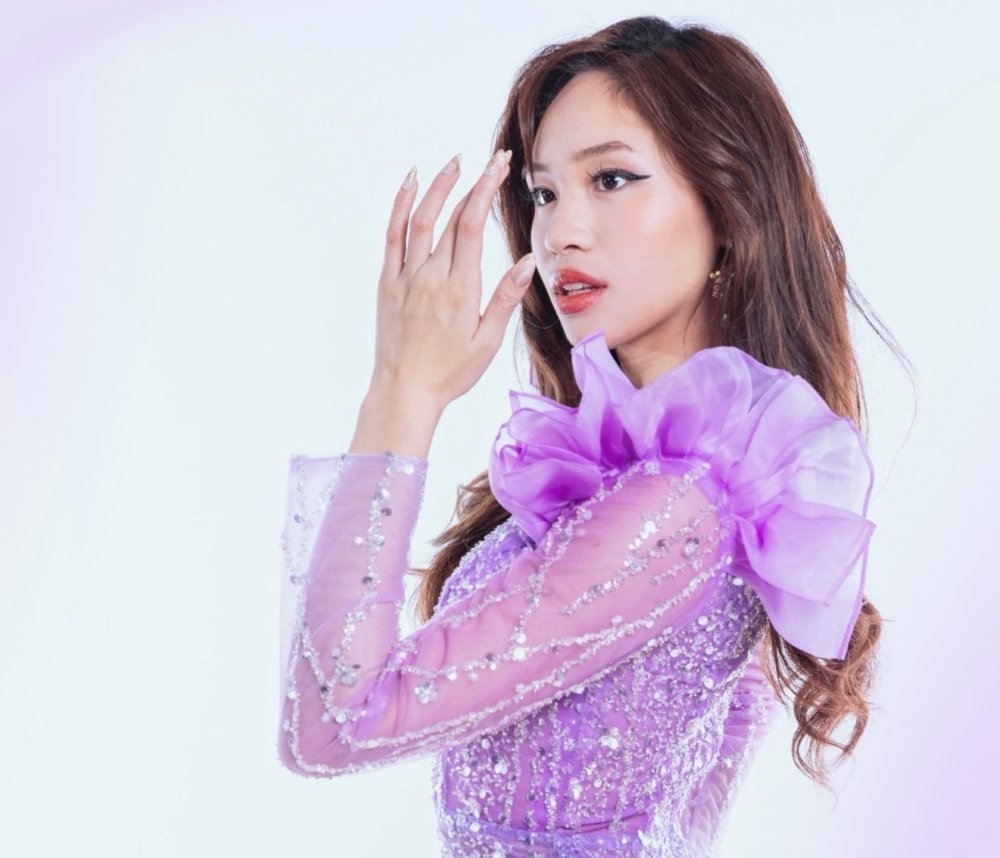
Furthermore, no production would be complete without glam, and Chaves’s beauty team delivered with style. Jasmine Mai Pratt of M2J Studio, with the help of her mother, Margie Pratt, created Chaves’s makeup look. Melisa Hensley styled Chaves’s hair, while Medy Santos and Elenita Nigro perfected the dancers’ hairstyles and makeup, making sure everyone looked radiant under the camera lights. And the fashion for “Luxurious” was striking, thanks to collaborations with talented designers. Priyanka Chopra of Priyanka Signature Couture and Santiago Miguel and Alejandro Vazquez of Santiago Alejandro sponsored some of Chaves’s most eye-catching wardrobe looks. Priyanka Signature Couture provided a pink embroidered gown along with a gold-beaded top and black-and-gold mini skirt ensemble paired with gold cuffs, jewelry, and boots that helped Chaves make a statement on screen. On the other hand, Santiago Alejandro created a distinctive purple-and-silver gown with ruffled shoulders and a detachable train, as well as a black-and-white look with a tutu-style skirt, leggings, heels, and mesh gloves that conveyed a sense of Old Hollywood elegance. Max Alvarado, Wardrobe Coordinator for Angeli, also helped curate and style her outfits.

Behind the camera, Perry Cucinotta was responsible for capturing the project through film and photography, while Brielle Dimalanta documented the behind-the-scenes moments that revealed the laughter and teamwork of the entire crew. Chaves also expressed gratitude to Tom Kearns, who sponsored his beautiful vintage car, featured in one of the video’s most memorable scenes. The venue itself, sponsored by Melanie, Scott, and the Proctor family, provided the perfect backdrop. And to keep the crew energized throughout the long shoot days, Chona and Joey Lastimosa provided food assistance, while Percy Pepa of Papa’s Lumpia, Sally Esmena (Master Esthetician of BeauteMe), and Norman and Mari Austria of NBrothers Bakeshop contributed meals and desserts. Vergielyn Aglugub sponsored the dancers’ rehearsal venue, while Joyce and Ed Maglipon sponsored flights for Khayla Grace Maglipon, making sure everything ran smoothly. Coordinating the large cast and crew were Rubyeve Jumamil (Boys’ Talent Coordinator), Lyn Bethard (Girls’ Talent Coordinator), and Armi Casingal (Dancers’ Coordinator), whose organization helped the production stay on track.

As Chaves reflects on the experience, she is filled with gratitude. “I am endlessly thankful to everyone who made ‘Luxurious’ possible,” she says. “Every person who showed up, whether they were setting up lights, styling hair, or just offering support, put their heart into this. This project was built on love, teamwork, and creativity.”

Aside from the excitement of “Luxurious,” the rest of 2025 also appears to be packed with a busy and fulfilling schedule for Chaves. October and the months ahead are filled with appearances and performances in celebration of Filipino American History Month, as well as upcoming holiday events that she is looking forward to sharing with her fans. And while summer remains her favorite season, Chaves says the holiday months bring a certain magic that fuels her artistry. Still, all eyes are on the approaching launch of Star on Earth, the EP that is expected to solidify her position as one of the most exciting emerging voices in pop. Her favorite track, “Dream Boy,” is a song that balances ethereal soundscapes with pure emotional expression. “The hook is infectious,” Chaves says. She credits Luigie with making it feel both magical and fresh.

In the coming months, Chaves plans to continue building her Star on Earth brand by sharing more behind-the-scenes glimpses on TikTok and Instagram, offering fans a closer look at the creative process and the community that surrounds her. With the “Luxurious” video set to premiere in 2026 and Star on Earth coming soon, Angeli Chaves appears poised to shine even brighter in the near future.

5 Seconds of Summer Release New Album “Everyone’s A Star!” Under Republic Records

A New Chapter for 5SOS

On November 14, 2025, 5 Seconds of Summer released their sixth studio album, Everyone’s A Star!. The record arrives more than a decade after their debut and signals a fresh direction for the band. It’s also their first project under Republic Records, a move that reflects both creative and business changes.

The album rollout included posters across New York City linking to a microsite called Your Favorite Boy Band, where fans could pre‑save singles. The band leaned into humor and self‑awareness with that branding, acknowledging their boyband past while showing how far they’ve come. As Yahoo Entertainment noted, the release feels like a “180 flip” from their early sound.

Luke Hemmings explained in interviews that the project wasn’t about chasing trends but about making music that felt authentic. He said, “We wanted to write from a genuine place and not worry about what’s expected of us.”

Singles That Set the Tone

The album was preceded by three singles: “Not OK,” “Boyband,” and “Telephone Busy.” Each track gave fans a taste of the band’s new sonic palette. “Not OK” leaned into darker tones, while “Boyband” poked fun at their early image. “Telephone Busy” carried a more experimental edge with layered production.

According to Official Charts, the album was recorded between 2022 and 2025 in Los Angeles and Nashville. Producers included Julian Bunetta, Noah Conrad, Jason Evigan, Andrew Goldstein, John Ryan, Mark Schick, and Jake Sinclair. The mix of collaborators helped shape a sound that blends pop rock with electronic textures.

Fans quickly dissected lyrics on Genius, pointing out themes of self‑reflection, identity, and maturity. Ashton Irwin said the songs were about “accepting who we are now, not who we were ten years ago.”

How the Band Has Changed

When 5SOS first broke out in 2014, they were teenagers riding the wave of pop‑punk revival. Their debut album and follow‑ups like Sounds Good Feels Good and Youngblood all hit No. 1 on the Billboard 200. That streak made them the first Australian act to achieve three consecutive chart‑topping albums.

But as State News pointed out, the band has grown up. Their new record reflects years of experimentation and lyrical maturity. The songs move away from teenage anthems and toward more nuanced storytelling.

Calum Hood described the process as “learning to write about life as it is now, not just the chaos of being young.” That shift is evident in tracks like “Ghost” and “Jawbreaker,” which balance introspection with energy.

Why This Release Matters

Everyone’s A Star! isn’t just another album drop. It represents a turning point for 5SOS as they redefine their place in the music industry. Signing with Republic Records gives them access to new distribution and promotional channels, while the album itself shows they’re willing to take risks with sound and image.

The release also comes at a time when fans are eager for authenticity. By leaning into humor with “Boyband” and vulnerability with “Not OK,” the band demonstrates range and honesty. As Michael Clifford put it, “We’re not trying to be perfect. We’re trying to be real.”

For longtime listeners, the album is a reminder of how far the group has come since their early days. For new fans, it’s an entry point into a band that has matured without losing its energy.