By: Ming Zhang
On May 2, 2026, Global Art & Culture USA hosted an international cultural concert at the Steinway Piano Gallery in Washington, D.C. The event was formally attended and recognized by Dr. Tiffany Lancaster, who serves as both a United Nations Cultural Ambassador and a representative from the Washington, D.C. Mayor’s Office on African Affairs. Dr. Lancaster was invited to witness and advocate for global artistic collaboration, reinforcing the event’s primary goal of drawing upon music as a universal language that bridges distinct communities, encourages cross-cultural dialogue, and celebrates international diversity on a shared stage. The event attracted a wide array of musicians, professionals, and audiences from various regions who came together to appreciate multicultural artistic expression.
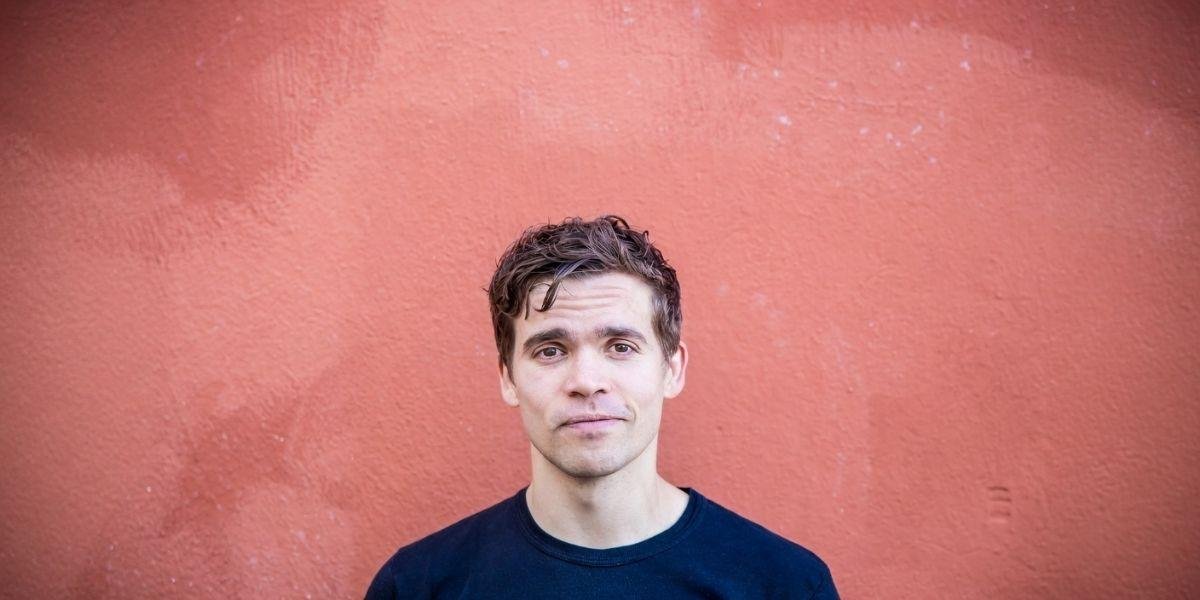
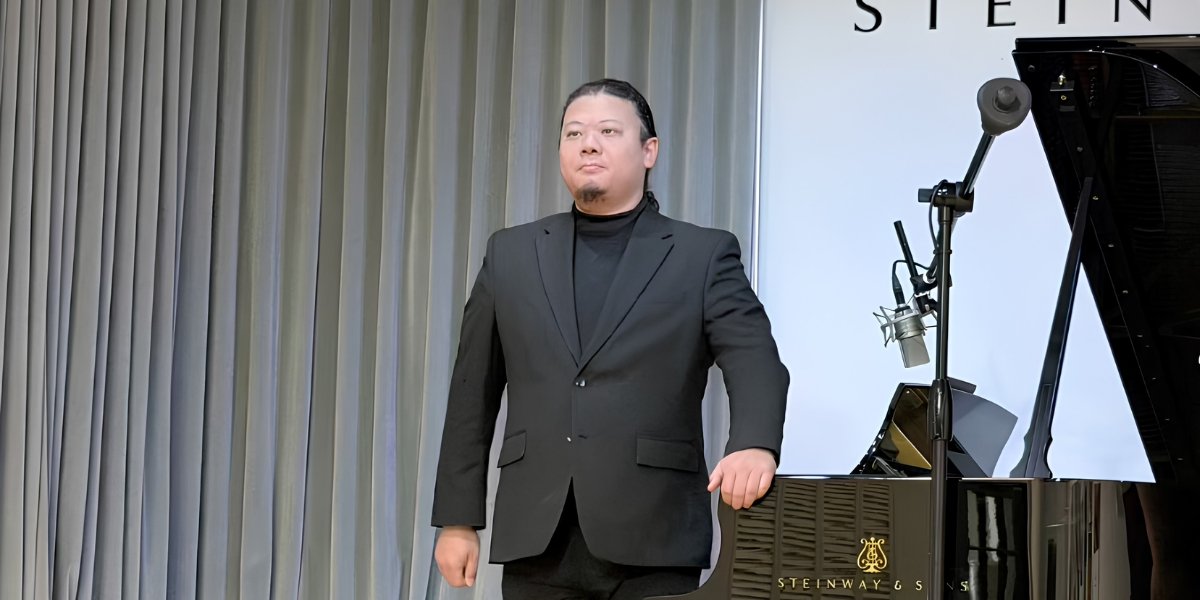
Among the featured musicians was Qingzhou Zhang, a collaborative pianist based in Greeley, Colorado. Zhang currently serves as an Adjunct Faculty member and is a doctoral candidate at the University of Northern Colorado. His academic and professional work is rooted in Collaborative Piano with a second emphasis in Harpsichord. In his daily responsibilities at the university, Zhang guides both vocalists and instrumentalists through complex repertoires while offering specialized coaching in diction, stylistic accuracy, and ensemble coordination. At the same time, his doctoral research centers on how to effectively teach Chinese art songs to English-speaking singers. By developing systematic methods to address linguistic and intonation challenges, Zhang makes Chinese vocal literature more accessible to Western musicians so that he can effectively bridge the gap between Eastern musical traditions and Western vocal pedagogy.
During the concert, Zhang presented the Chinese art song Zai Shui Yi Fang (“On the Other Side of the Water”) in a nuanced collaboration with soprano Dr. Danyi Ma. Audience members and participating artists responded positively to the performance, particularly noting the coordination between piano and voice as well as the expressive presentation of Chinese musical aesthetics. Zhang’s background in both collaborative piano and historical keyboard performance contributed to the clarity and structural detail of the interpretation.
The inclusion of Chinese art song repertoire in the program also reflected a broader effort by participating musicians to present underrepresented works in international concert settings. Through his academic and performance activities, Zhang has continued to advocate for greater visibility of Chinese vocal literature within Western classical music education and performance environments.
Reflecting on the concert, Zhang stated that collaborative piano is “not only about supporting another musician, but also about listening, communication, and shared artistic understanding.” He added that performing Chinese vocal repertoire internationally provides opportunities for audiences to engage with cultural traditions through music rather than language alone.
Zhang also emphasized the responsibility of young professionals in the current arts community. He believes that promoting cultural diversity requires more than superficial programming since it demands rigorous study and genuine engagement. He explained that young musicians have a unique opportunity to champion diversity, provided that they look beyond their familiar repertoires and invest the time to understand the traditions of others. By actively learning and sharing these underrepresented works on global platforms, he hopes the next generation can build a more inclusive and interconnected artistic community.
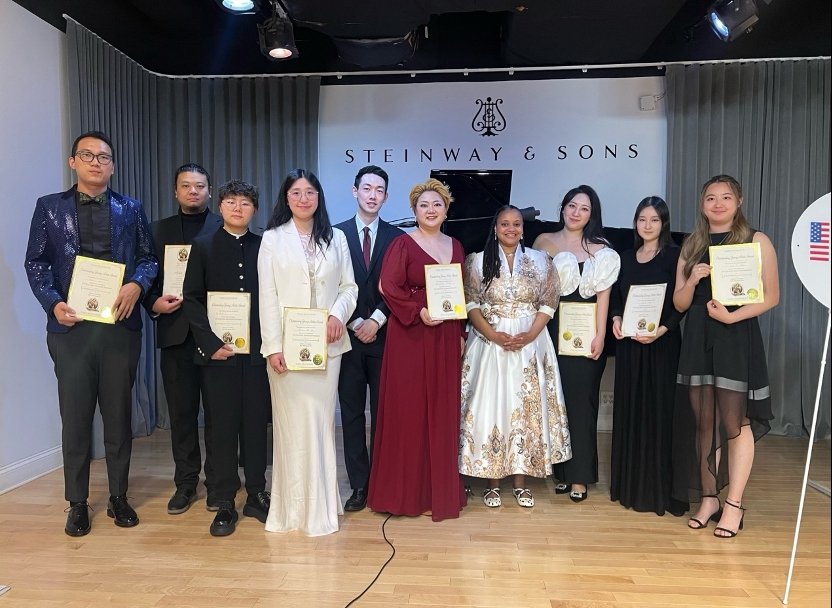
Looking forward, Zhang views his work in Washington, D.C. as a steppingstone toward a more inclusive future for the classical arts. As he nears the completion of his doctorate and continues his faculty role at the University of Northern Colorado, he remains committed to exploring how the collaborative piano can foster deeper empathy between cultures. By combining his background in historical harpsichord performance with his dedication to Chinese vocal literature, he hopes to encourage other musicians to move beyond traditional boundaries. For Zhang, the true value of a performance is found in its ability to open minds and build connections, ensuring that the next chapter of his career is defined by artistic excellence and a profound commitment to global cultural exchange.
Beyond his work in the United States, Zhang continues to participate in international performance and opera productions. This summer, he will travel to Tokyo to serve as Music Director for a production of Die Zauberflöte at the Tokyo Opera Studio. Taking on this leadership role, he will oversee rehearsals and stylistic coaching sessions, alongside performing in the program’s concluding gala.