Music Observer

Sony Music Publishing Strikes Deal for Recognition Music Group Catalog in Reported $4 Billion Acquisition

The music rights market just produced another headline-grabbing deal. Sony Music Publishing (SMP) announced on May 11, 2026 that it has agreed to acquire the complete music rights portfolio of Recognition Music Group (RMG) from funds managed by Blackstone, in a transaction reported by Bloomberg to be valued between $3.5 billion and $4 billion. The deal, which is subject to customary closing conditions, would bring more than 45,000 songs under the Sony Music Publishing umbrella, including some of the most commercially significant catalog assets in modern pop history.

The transaction, coming on the heels of Sony Music Publishing’s 2025 acquisition of Hipgnosis Songs Group, cements SMP as one of the most aggressive consolidators in the publishing market and underscores a 2026 wave of M&A activity that has reshaped the top of the global music rights business.

The Catalog: 45,000 Songs and Generational Hits

Recognition Music Group’s catalog reads like a tour of the past five decades of popular music. Reporting across multiple outlets identifies songs and stakes including Red Hot Chili Peppers’ “Under the Bridge,” Soundgarden’s “Black Hole Sun,” and Eurythmics’ “Sweet Dreams (Are Made Of This).” Variety has reported the catalog also contains works tied to Beyoncé, Fleetwood Mac, Rihanna, Leonard Cohen, Justin Bieber, Neil Young, and Lady Gaga.

Music Business Worldwide additionally reported that Recognition’s portfolio includes a stake (via co-writer Walter Afanasieff) in Mariah Carey’s “All I Want for Christmas Is You,” one of the highest-earning recurring assets in modern music.

For Sony Music Publishing, the appeal of a catalog of that scale is straightforward. Streaming has transformed older songs into long-tail revenue engines, with classic catalog reliably generating royalty streams across DSPs, sync placements in film and TV, and licensing in advertising and gaming. A 45,000-song portfolio of this quality provides immediate cash flow and long-term optionality.

The Deal Structure: Sony, GIC, and Sony Bank

The acquisition is being made by SMP in partnership with the investment venture that Sony Music Group launched earlier in 2026 with Singapore’s sovereign wealth fund GIC. The vehicle was set up specifically to acquire and grow music catalog assets across genres and international markets. Sony Bank Inc. is also participating in the investment.

The structure reflects a broader trend in catalog M&A. With deal sizes routinely crossing the $1 billion threshold, even the largest music companies have moved toward consortium structures that pair publishing operating expertise with institutional capital. The Sony-GIC vehicle is an explicit version of that model and one that legal advisor Simpson Thacher confirmed it advised on at both the venture formation stage and at the Recognition acquisition.

Financial terms of the Recognition transaction were not officially disclosed. Bloomberg reported the deal at $3.5–$4 billion. Variety placed earlier valuations in the $2 billion range, though that estimate predates the final reporting. Industry-wide consolidation has compressed the gap between the highest and lowest credible price tags for catalogs of this caliber.

Why Sony Bought from Blackstone

The Recognition transaction also represents the second major catalog deal between Sony and Blackstone. Sony Music Publishing acquired Hipgnosis Songs Group, a Recognition subsidiary, from Blackstone in 2025. Recognition itself was formed in 2024 through the combination of songs and recordings owned by Blackstone’s Hipgnosis Songs Assets and the formerly listed Hipgnosis Songs Fund, which Blackstone took private in July 2024. The combined business was rebranded as Recognition Music Group in March 2025.

For Blackstone, the sale represents a successful exit on a multi-stage strategy of consolidating music rights assets under one private vehicle and selling to a strategic buyer. For Sony, the deal completes a sequence of acquisitions that has reshaped its publishing portfolio.

“This is a milestone moment for Recognition and testament to the enduring value of music,” Recognition Music Group CEO Ben Katovsky said in a statement carried across trade coverage.

Rob Stringer, Chairman of Sony Music Group, added: “We are so proud and excited to represent this incredible catalogue of many of the greatest songs in pop history through this momentous acquisition.”

2026: The Year of the Mega Deal

The Recognition transaction lands in what trade publications have already begun calling the year of the big deal. The industry has seen, in rapid succession:

  • BMG and Concord announcing plans to merge
  • Primary Wave Music agreeing to acquire Kobalt Music Group
  • Universal Music Group completing its delayed acquisition of Downtown Music
  • Sony Music Publishing acquiring Hipgnosis Songs Group in 2025
  • Activist hedge fund Pershing Square pursuing a reported $63.5 billion bid for Universal Music Group, which would mark the largest deal in music industry history if completed

Together, the transactions reflect a structural reordering of the global publishing market. Market share concentration at the top has continued to rise, while mid-tier publishers and catalog owners are increasingly being absorbed into majors or into independent platforms backed by institutional capital.

What It Means for Songwriters and the Industry

For songwriters and rights-holders, large-scale consolidation has practical implications. Catalogs under major publisher administration can access more resources for sync placements, international royalty collection, and licensing across emerging platforms, including AI-related licensing as that category continues to evolve. At the same time, the centralization of rights at the top of the market raises ongoing questions about competition, royalty rates, and the negotiating leverage of independent creators.

For DSPs and licensees, the Sony-Recognition transaction further concentrates the volume of premium catalog at a small number of publishing administrators, which can streamline licensing but also shift bargaining dynamics in future rate negotiations.

For investors, the transaction underscores that institutional capital remains active in music rights despite higher interest rates. The Sony-GIC vehicle’s appetite suggests further catalog acquisitions are likely, particularly as smaller independent rights holders look for liquidity events.

The deal is subject to customary closing conditions and is expected to close in the months ahead. Once it closes, integration of Recognition’s portfolio into Sony Music Publishing’s administration infrastructure will be the next operational priority. Industry attention will then turn back to the broader 2026 deal flow, with the Pershing Square–UMG situation remaining the largest unresolved storyline in the global music business.
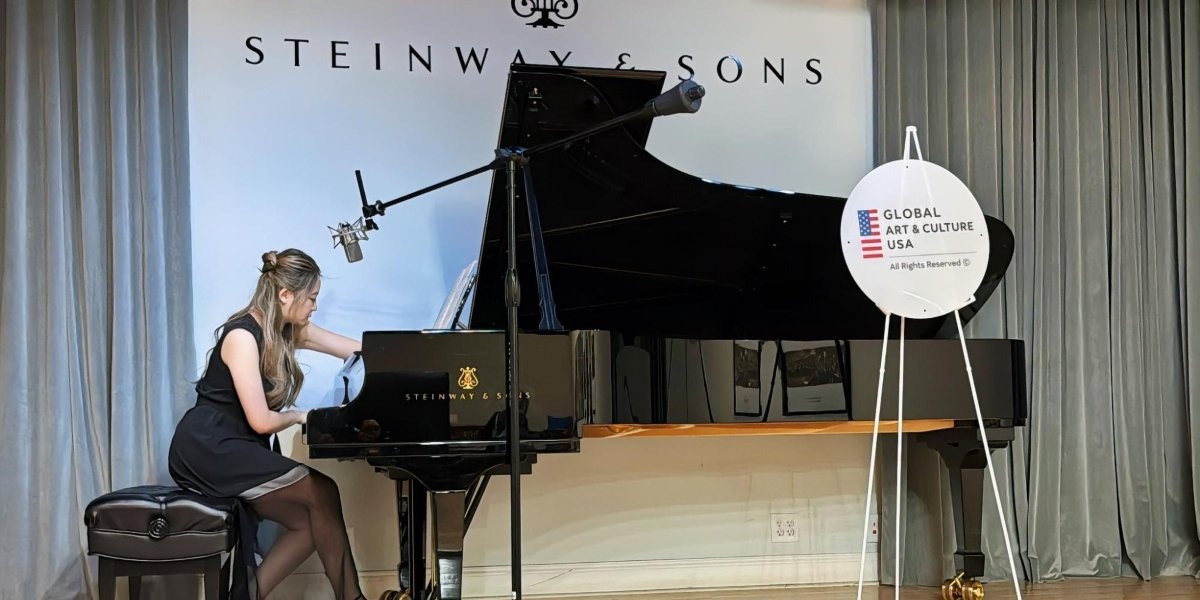
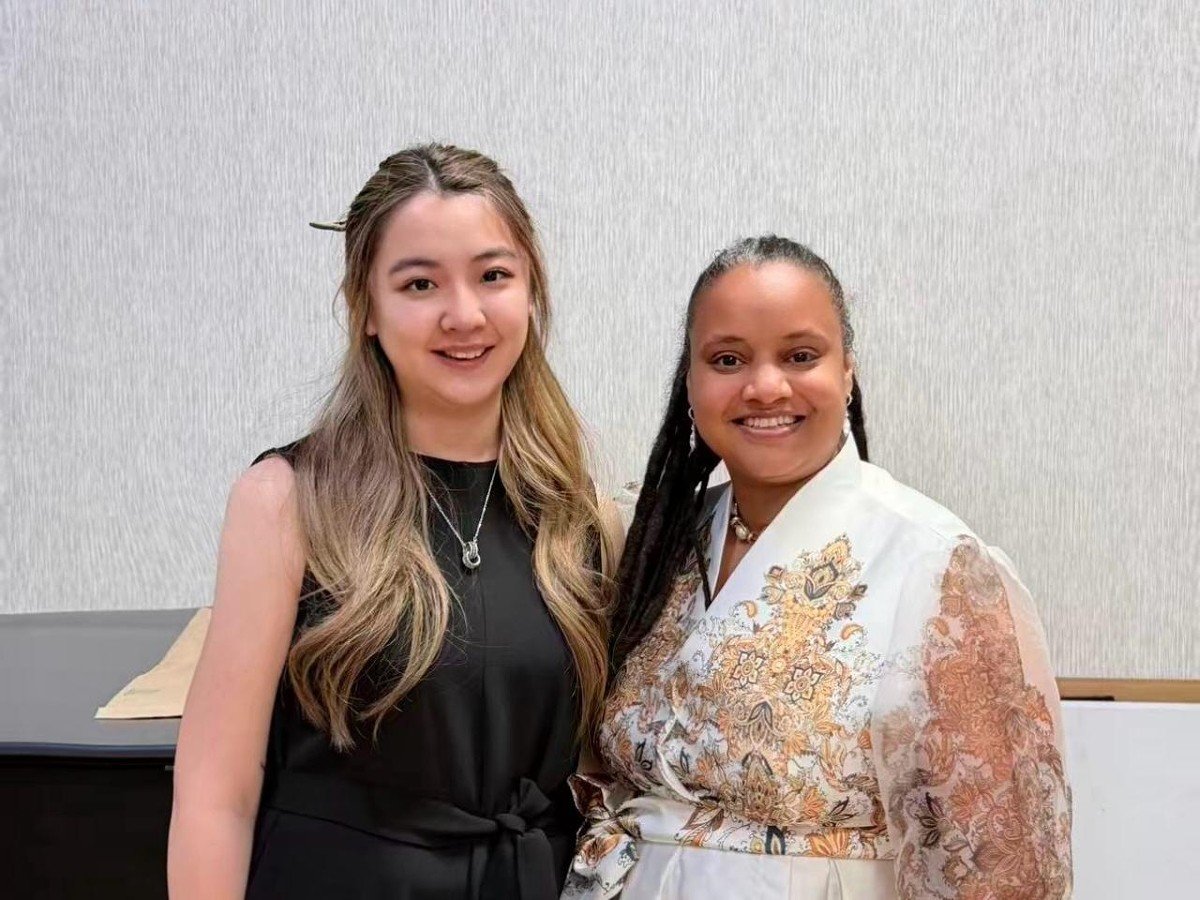
Jiayi Zhao Bridges Cultures Through the Piano

On May 2, 2026, young Chinese pianist Jiayi Zhao was featured in the international cultural concert presented by Global Art & Culture USA in Washington, D.C. The event brought together emerging artists from diverse cultural backgrounds in a program dedicated to artistic dialogue, international collaboration, and the promotion of cultural understanding through music and the arts. The concert also received formal recognition from Dr. Tiffany Lancaster and the Washington, D.C. Mayor’s Office on African Affairs, reflecting the increasing importance of cross-cultural artistic initiatives in today’s global society.

Photo Courtesy: Ruxun Wang

Currently based in New York City, Jiayi Zhao is a Chinese pianist, educator, and collaborative artist whose work centers on intercultural communication through music. She is currently pursuing an Advanced Certificate at New York University, where she studies with renowned Georgian pianist Eteri Andjaparidze. In addition to her solo performance activities, Zhao is also actively engaged in music education and community-based artistic projects, with a particular interest in making classical music more accessible to diverse audiences. Her artistic approach combines strong technical training with an openness toward cross-disciplinary and multicultural collaboration.

During the concert, Zhao delivered a compelling performance of Black Earth, a powerful and rhythmically vibrant piano work by renowned Turkish composer and pianist Fazıl Say. Her interpretation stood out for its emotional intensity, dynamic energy, and sensitivity to the work’s cultural roots, offering audiences a vivid musical experience that transcended geographical and linguistic boundaries.

Originally composed as part of Say’s larger artistic exploration of Anatolian folk traditions, Black Earth was inspired by the music of the legendary Turkish folk poet and minstrel Aşık Veysel. The title refers to the symbolic “black earth” of Anatolia, a metaphor for homeland, spirituality, memory, and the cycle of human life. Through the fusion of folk-inspired melodies, unconventional piano sonorities, and contemporary compositional language, the piece creates a bridge between traditional culture and modern artistic expression.

One of the most distinctive aspects of Black Earth is its imitation of the Turkish saz, a traditional stringed instrument deeply connected to Turkish folk music and oral storytelling. The piano writing frequently asks the performer to engage directly with the strings, producing resonant, haunting sounds that blur the boundary between Eastern folk instruments and Western classical piano traditions. Zhao carefully highlighted these colors and textures in her performance, allowing the audience to experience not only the technical brilliance of the composition but also its emotional and cultural depth.

Her interpretation reflected a broader artistic philosophy centered on intercultural understanding through music. As a Chinese pianist performing a Turkish-inspired contemporary work in the United States, Zhao’s performance created a meaningful dialogue between multiple cultural traditions. In many ways, the presentation itself became a symbol of global artistic exchange: a Chinese artist interpreting Turkish cultural narratives through a Western classical instrument on an international stage in Washington, D.C.

This layered cultural interaction strongly resonated with the concert’s mission, which emphasized the role of the arts in fostering empathy, communication, and mutual respect among nations. Through works such as Black Earth, audiences are reminded that music possesses a unique ability to preserve cultural identity while simultaneously building bridges across communities and histories. Although rooted in a specific national tradition, the emotional themes of the piece, humanity’s connection to land, memory, struggle, and resilience, speak to universal experiences shared across cultures.

Audience members responded enthusiastically to Zhao’s performance, praising both its technical sophistication and emotional authenticity. Many noted that the performance created an atmosphere of reflection and cultural curiosity, encouraging listeners to engage with unfamiliar musical traditions in a deeper and more personal way.

As international artistic collaborations continue to expand, performances like Jiayi Zhao’s interpretation of Black Earth demonstrate the enduring power of music as a universal language. By bringing together elements of Turkish folk heritage, Western classical performance practice, and contemporary global perspectives, the concert offered more than entertainment; it became a living example of cultural diplomacy through the arts.

Through her artistry, Jiayi Zhao contributed not only to the success of the evening but also to a larger conversation about how music can connect people across borders, histories, and identities. Her performance of Black Earth stood as a moving tribute to the richness of world culture and the continuing importance of international artistic exchange in the modern era.

Dr. Boya Li and Dr. Xi Lu Highlight D.C. Cultural Concert

By: Yuting Zhou

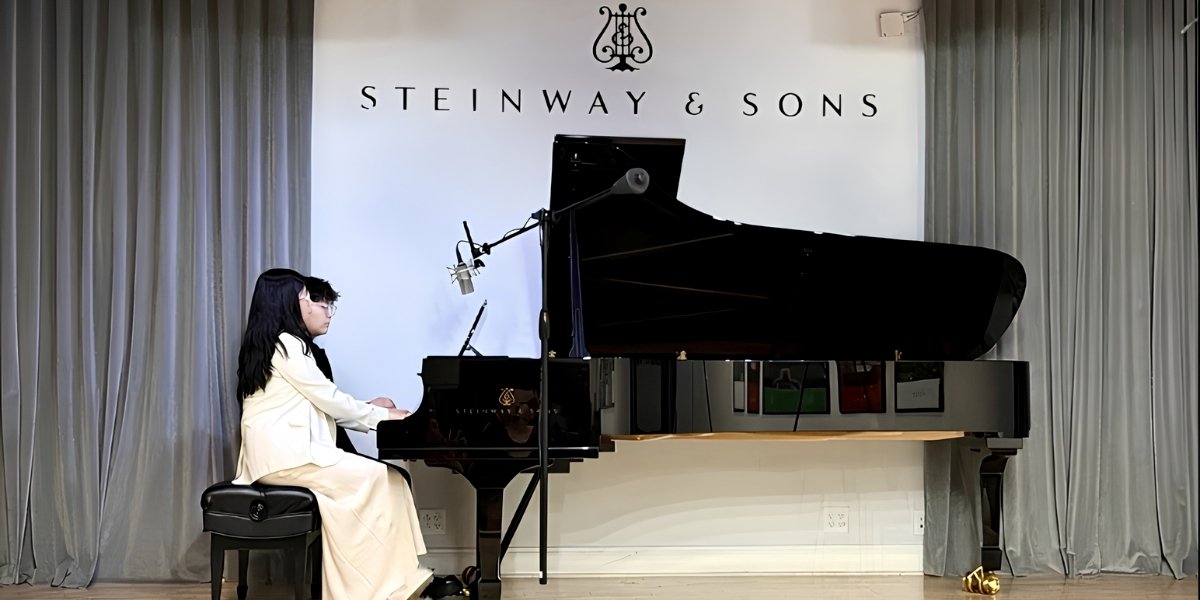
Seattle-based pianists Dr. Boya Li and Dr. Xi Lu were featured guest artists at an international cultural concert presented by Global Art & Culture USA on May 2, 2026, at the Steinway Piano Gallery. The event brought together musicians from across the United States in a program centered on artistic collaboration and cultural exchange through music. The concert was formally attended and recognized by H.E. Ambassador Tiffany Lancaster, who holds Special Consultative Status to the United Nations and serves as a Mayor-appointed Commissioner in Washington, D.C. The program featured a wide range of repertoire and performers from different artistic backgrounds, reflecting the event’s focus on international cultural exchange through music.

Photo Courtesy: Dr. Shanshan Zhang (Dr. Boya Li and Dr. Xi Lu pictured with H. E. Ambassador Dr. Tiffany Lancaster.)

Known for their international performance backgrounds and artistic versatility, Dr. Li and Dr. Lu have established an active presence through performance, education, and cross-cultural artistic engagement. Although trained in different areas of piano study, the two musicians share a long-standing artistic partnership shaped by ensemble experience, musical dialogue, and a shared commitment to bringing classical music to broader audiences. Their collaborative work reflects both technical coordination and a mutual artistic understanding developed through years of performing together in a variety of concert settings.

Dr. Boya Li is a pianist, educator, and adjudicator whose artistic activities span North America and Asia, including performances connected with international cultural initiatives and public arts programs. Alongside her active concert career, she is also deeply engaged in music education, with students earning recognition and awards in numerous regional and international competitions. Her work reflects an ongoing commitment to artistic excellence and the cultivation of young musicians. As both a performer and an educator, she continues to advocate for broader accessibility to classical music through teaching, community engagement, and public performances.

Dr. Xi Lu has built a diverse artistic career as a pianist, with performance experience spanning solo repertoire, chamber music, opera productions, musical theatre, and interdisciplinary artistic projects in both the United States and China. Known for her versatility and expressive stage presence, she has appeared in a wide range of collaborative and solo settings while continuing to engage audiences through performance and music education. Her artistic interests span multiple performance formats, allowing her to collaborate with musicians from diverse artistic backgrounds and disciplines.

At the Washington, D.C., concert, the duo performed “Spain” by Chick Corea, arranged by Jacob Koller for piano four hands. Their performance combined rhythmic energy, technical precision, and close musical interaction, demonstrating a high level of ensemble coordination and artistic communication. The performance was met with enthusiastic applause from the audience, with several attendees commenting on the duo’s strong stage chemistry and dynamic presentation. One audience member described the performance as “extremely energetic and engaging,” while another commented that the two pianists performed “with such natural coordination and musical understanding that they almost sounded like a single performer.”

As internationally active musicians based in the United States, Dr. Boya Li and Dr. Xi Lu continue to engage audiences through performance, teaching, and collaborative artistic projects across diverse cultural and musical settings. Beyond their concert activities, both artists remain active in music education and community engagement, working with students and audiences from a wide range of backgrounds. Through their ongoing artistic work, they continue to promote cross-cultural exchange and contribute to the growing international presence within American classical music.

Authored by Dr. Yuting Zhou

Dr. Yuting Zhou is a pianist, scholar, translator, and music critic whose work examines performance through a critical lens.

Pianist Qingzhou Zhang Performs Chinese Art Song in D.C.

By: Ming Zhang

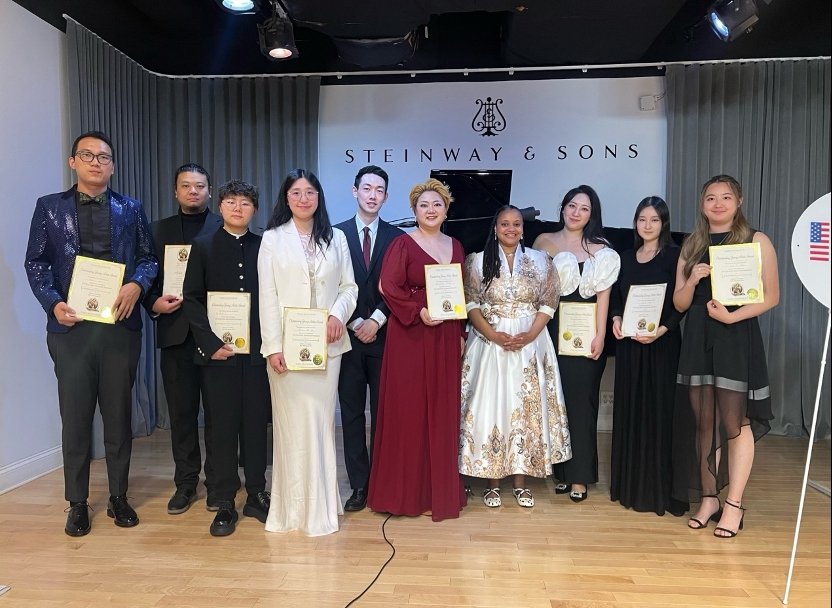
On May 2, 2026, Global Art & Culture USA hosted an international cultural concert at the Steinway Piano Gallery in Washington, D.C. The event was formally attended and recognized by Dr. Tiffany Lancaster, who serves as both a United Nations Cultural Ambassador and a representative from the Washington, D.C. Mayor’s Office on African Affairs. Dr. Lancaster was invited to witness and advocate for global artistic collaboration, reinforcing the event’s primary goal of drawing upon music as a universal language that bridges distinct communities, encourages cross-cultural dialogue, and celebrates international diversity on a shared stage. The event attracted a wide array of musicians, professionals, and audiences from various regions who came together to appreciate multicultural artistic expression.

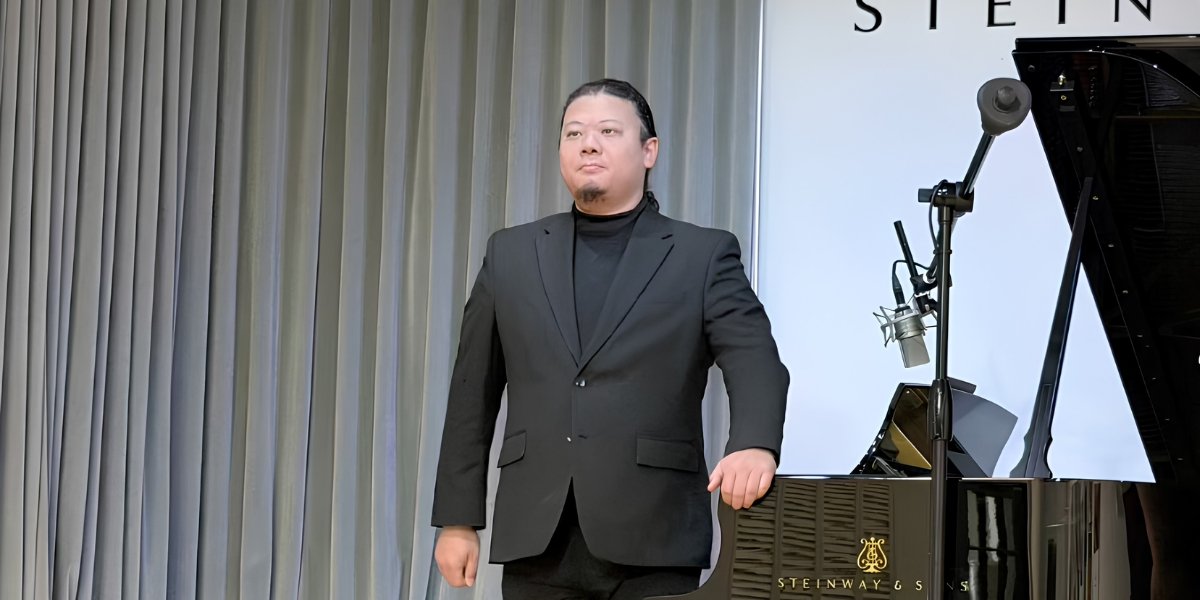
Among the featured musicians was Qingzhou Zhang, a collaborative pianist based in Greeley, Colorado. Zhang currently serves as an Adjunct Faculty member and is a doctoral candidate at the University of Northern Colorado. His academic and professional work is rooted in Collaborative Piano with a second emphasis in Harpsichord. In his daily responsibilities at the university, Zhang guides both vocalists and instrumentalists through complex repertoires while offering specialized coaching in diction, stylistic accuracy, and ensemble coordination. At the same time, his doctoral research centers on how to effectively teach Chinese art songs to English-speaking singers. By developing systematic methods to address linguistic and intonation challenges, Zhang makes Chinese vocal literature more accessible to Western musicians so that he can effectively bridge the gap between Eastern musical traditions and Western vocal pedagogy.

During the concert, Zhang presented the Chinese art song Zai Shui Yi Fang (“On the Other Side of the Water”) in a nuanced collaboration with soprano Dr. Danyi Ma. Audience members and participating artists responded positively to the performance, particularly noting the coordination between piano and voice as well as the expressive presentation of Chinese musical aesthetics. Zhang’s background in both collaborative piano and historical keyboard performance contributed to the clarity and structural detail of the interpretation.

The inclusion of Chinese art song repertoire in the program also reflected a broader effort by participating musicians to present underrepresented works in international concert settings. Through his academic and performance activities, Zhang has continued to advocate for greater visibility of Chinese vocal literature within Western classical music education and performance environments.

Reflecting on the concert, Zhang stated that collaborative piano is “not only about supporting another musician, but also about listening, communication, and shared artistic understanding.” He added that performing Chinese vocal repertoire internationally provides opportunities for audiences to engage with cultural traditions through music rather than language alone.

Zhang also emphasized the responsibility of young professionals in the current arts community. He believes that promoting cultural diversity requires more than superficial programming since it demands rigorous study and genuine engagement. He explained that young musicians have a unique opportunity to champion diversity, provided that they look beyond their familiar repertoires and invest the time to understand the traditions of others. By actively learning and sharing these underrepresented works on global platforms, he hopes the next generation can build a more inclusive and interconnected artistic community.

Photo Courtesy: Ming Zhang

Looking forward, Zhang views his work in Washington, D.C. as a steppingstone toward a more inclusive future for the classical arts. As he nears the completion of his doctorate and continues his faculty role at the University of Northern Colorado, he remains committed to exploring how the collaborative piano can foster deeper empathy between cultures. By combining his background in historical harpsichord performance with his dedication to Chinese vocal literature, he hopes to encourage other musicians to move beyond traditional boundaries. For Zhang, the true value of a performance is found in its ability to open minds and build connections, ensuring that the next chapter of his career is defined by artistic excellence and a profound commitment to global cultural exchange.

Beyond his work in the United States, Zhang continues to participate in international performance and opera productions. This summer, he will travel to Tokyo to serve as Music Director for a production of Die Zauberflöte at the Tokyo Opera Studio. Taking on this leadership role, he will oversee rehearsals and stylistic coaching sessions, alongside performing in the program’s concluding gala.