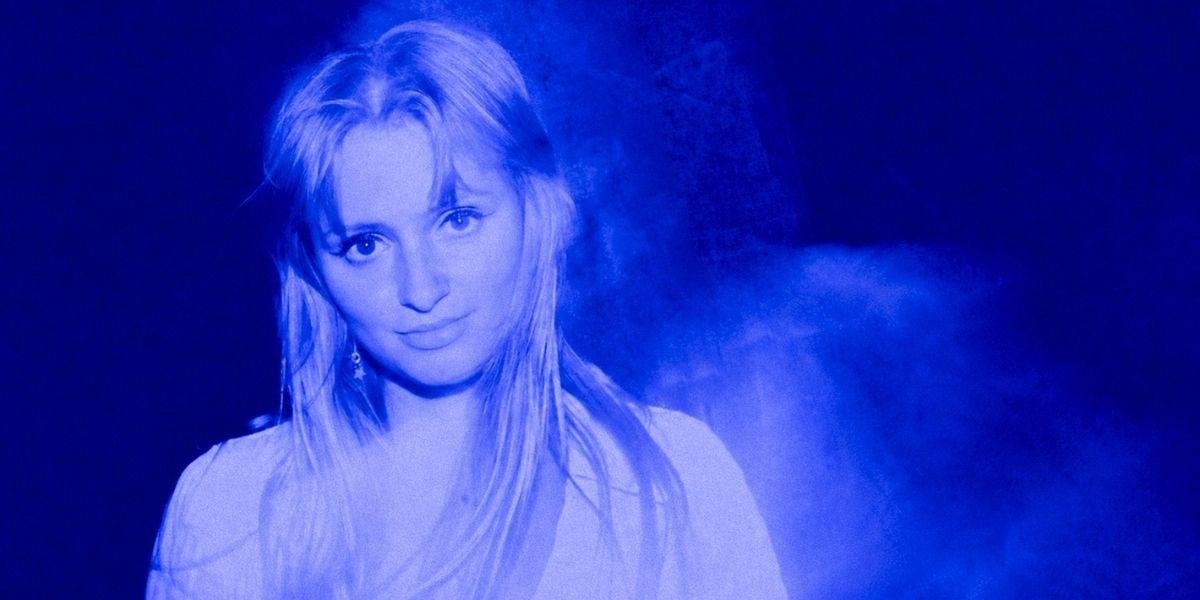
For JILIAAN, difficult emotions aren’t always something that needs to be fixed. Sometimes they need to be felt.
That idea sits at the centre of the Berlin-based singer, pianist and songwriter’s debut album, In the dark, what is there to do but sing?, a pop-soul record shaped by heartbreak, loneliness, change and eventually finding freedom within all three. Inspired largely by JILIAAN’s move from London to Berlin, the album arrived after she left behind friends, a relationship and an entire life to begin again in another city.
“In My Head” captures one of the record’s more claustrophobic moments. Its imagery finds JILIAAN retreating to an island of her own making, attempting to keep the outside world away while fear and another person’s emotional pressure begin breaking through. It’s an effective introduction to the internal struggle behind an album that doesn’t shy away from sitting with uncomfortable feelings.
But JILIAAN doesn’t stay there. “I Know There Must Be More” represents one of the clearest changes in perspective. Instead of wishing she could avoid sadness altogether, the song begins accepting that loving something also means accepting the possibility of losing it. Its central idea is beautifully simple: if she loses, at least she’s learning, and if she falls, at least she’s feeling. For JILIAAN, that sentiment became something of a thesis for the entire album, representing the realisation that experiencing pain doesn’t mean being destroyed by it.
Then there’s “I Thought I Was Learning How to Love You,” which brings the heartbreak into much sharper focus. It captures the confusion of believing a relationship was progressing only to be left questioning promises that suddenly mean very little. Even after the relationship ends, everyday things continue bringing those memories back.
Those songs join previously released material as pieces of a much larger story. Tracks including “I Wanted It To Be You,” “I’m Dancing Alone” and “I Wish” have gradually introduced different stages of the record, with “I’m Dancing Alone” notably transforming solitude from something painful into something that can hold freedom and joy.
It’s a journey that makes sense when looking at JILIAAN’s own path. Originally trained as a classical pianist, she later returned to music through vocal training and a Master’s in Popular Music Performance after studying Politics, Philosophy and Economics. Since then, she’s performed extensively, attended songwriting camps including sessions at Tileyard London and, in 2025, performed to around 1,000 people at Bulgaria Hall.
In the dark, what is there to do but sing? brings those different parts of JILIAAN together.
It doesn’t pretend heartbreak becomes worthwhile simply because something was learned from it. Instead, the album finds something more believable: sadness and happiness can exist within the same life, and feeling both might be far better than feeling nothing at all.