Music Observer

Tylden Continues to Carve Out His Own Space in Alternative Pop With “Orbit”

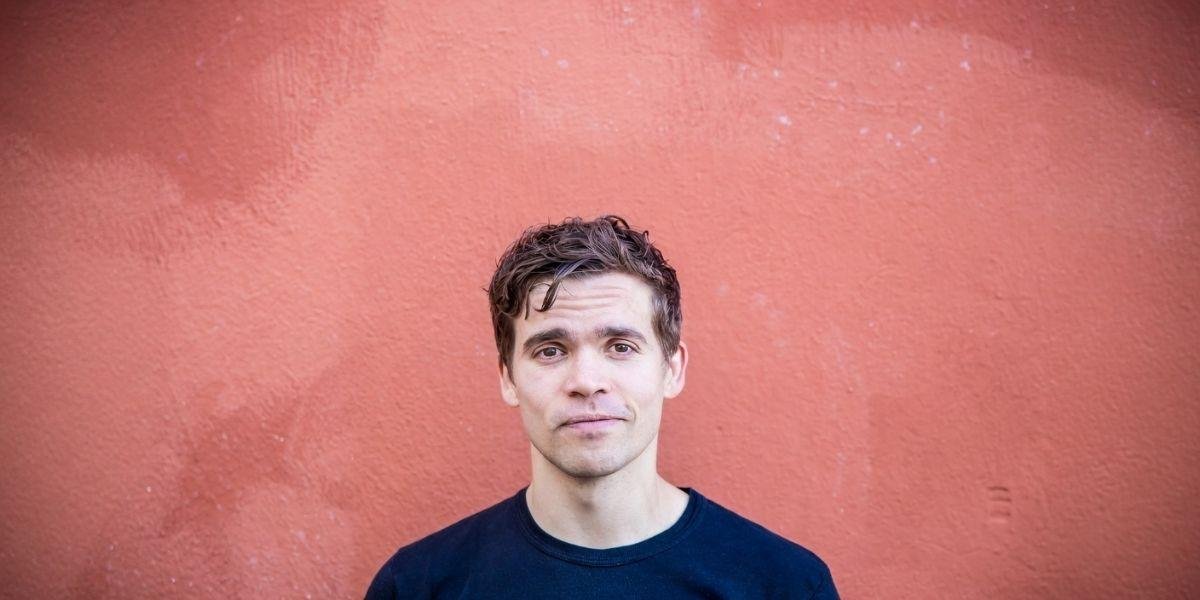
Sometimes knowing someone is bad for you doesn’t make them any less interesting. If anything, all those warning signs can somehow make the attraction even harder to ignore. Tylden captures exactly that feeling on “Orbit,” turning a questionable romantic connection into something dark, playful, and dangerously catchy.

The Norwegian artist has built his music around moving between genres and emotions, often finding inspiration in everything from infatuation and relationships to heartbreak and more existential thoughts. Originally from the southern coastal town of Risør and now based in Oslo, Tylden has developed a catalogue that values strong melodies and memorable riffs without forcing every release to sound exactly like the one before it.

“Orbit” continues that freedom while bringing a particularly visual idea into his songwriting.

The song was inspired by meeting someone Tylden knew almost immediately came with plenty of red flags. Logically, getting closer wasn’t necessarily the best decision. Emotionally, however, the fascination was already there. Instead of being pushed away by the warning signs, he found himself increasingly intrigued by them.

That contradiction eventually became the foundation of “Orbit.”

Tylden compares the attraction to gravity pulling someone towards a black hole. You can understand the danger, see exactly where you’re heading, and still feel powerless to change direction. Within the song, attraction begins disguising itself as something deeper, creating that confusing space where intensity can easily be mistaken for love.

It’s a darker subject than the catchy delivery might initially suggest, and that’s intentional.

Rather than turning “Orbit” into a heavy reflection on toxic attraction, Tylden wanted the track to feel fun. There’s an almost addictive quality to being drawn towards chaos, particularly when part of you already knows how badly things could end. The song embraces that contradiction, allowing listeners to enjoy the rush while recognising the trouble sitting underneath it.

That balance feels well suited to an artist who has never been particularly interested in staying within one musical box. Previous releases have seen Tylden move through different sides of pop and alternative songwriting, with songs including “Can’t Slow Down,” “I Feel Unstoppable,” “Keep Swiping” and “Volcano” showing the variety within his catalogue. His earlier “Can’t Slow Down,” for example, leaned into bright, retro-inspired pop, showing just how comfortably his music can shift moods between releases.

With “Orbit,” the mood might be darker, but the instinct for making the idea immediately accessible remains.

At its heart, the song captures a situation plenty of people will recognise: seeing every reason to walk away and somehow taking another step closer instead.

Tylden isn’t trying to make sense of that contradiction. “Orbit” is more interested in enjoying the pull, even when you already know exactly where it might lead.

https://open.spotify.com/track/6oSY3DKiR9TWGNTnVEziwY?si=0c23c689a61b4e96
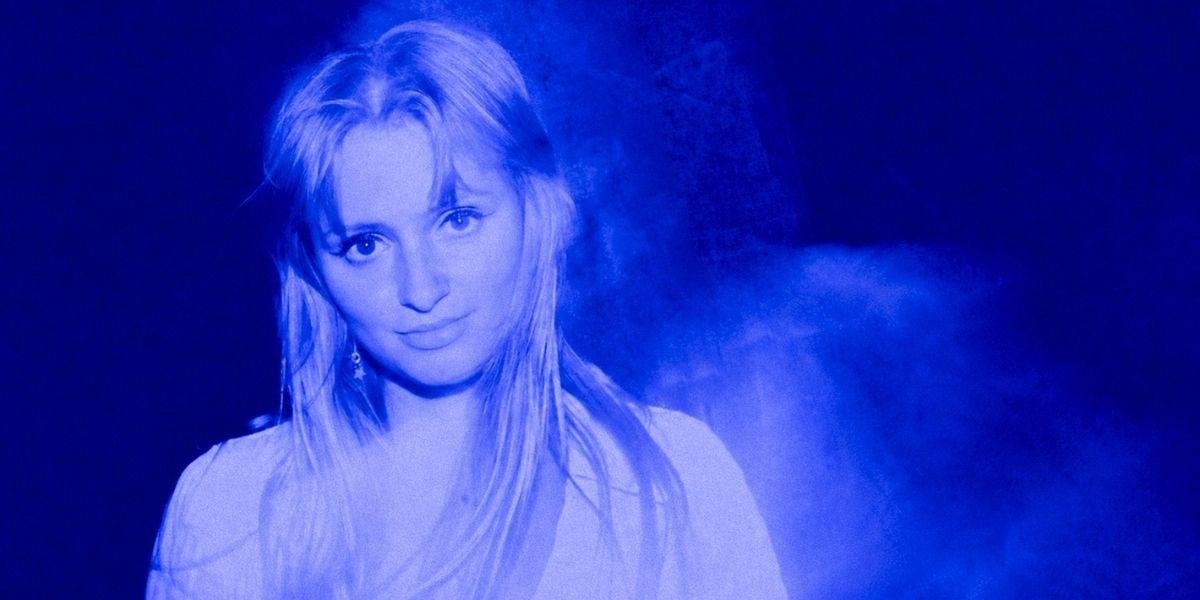
JILIAAN Finds Beauty in the Dark on Her Debut Album

For JILIAAN, difficult emotions aren’t always something that needs to be fixed. Sometimes they need to be felt.

That idea sits at the centre of the Berlin-based singer, pianist and songwriter’s debut album, In the dark, what is there to do but sing?, a pop-soul record shaped by heartbreak, loneliness, change and eventually finding freedom within all three. Inspired largely by JILIAAN’s move from London to Berlin, the album arrived after she left behind friends, a relationship and an entire life to begin again in another city.

“In My Head” captures one of the record’s more claustrophobic moments. Its imagery finds JILIAAN retreating to an island of her own making, attempting to keep the outside world away while fear and another person’s emotional pressure begin breaking through. It’s an effective introduction to the internal struggle behind an album that doesn’t shy away from sitting with uncomfortable feelings.

But JILIAAN doesn’t stay there. “I Know There Must Be More” represents one of the clearest changes in perspective. Instead of wishing she could avoid sadness altogether, the song begins accepting that loving something also means accepting the possibility of losing it. Its central idea is beautifully simple: if she loses, at least she’s learning, and if she falls, at least she’s feeling. For JILIAAN, that sentiment became something of a thesis for the entire album, representing the realisation that experiencing pain doesn’t mean being destroyed by it.

Then there’s “I Thought I Was Learning How to Love You,” which brings the heartbreak into much sharper focus. It captures the confusion of believing a relationship was progressing only to be left questioning promises that suddenly mean very little. Even after the relationship ends, everyday things continue bringing those memories back.

Those songs join previously released material as pieces of a much larger story. Tracks including “I Wanted It To Be You,” “I’m Dancing Alone” and “I Wish” have gradually introduced different stages of the record, with “I’m Dancing Alone” notably transforming solitude from something painful into something that can hold freedom and joy.

It’s a journey that makes sense when looking at JILIAAN’s own path. Originally trained as a classical pianist, she later returned to music through vocal training and a Master’s in Popular Music Performance after studying Politics, Philosophy and Economics. Since then, she’s performed extensively, attended songwriting camps including sessions at Tileyard London and, in 2025, performed to around 1,000 people at Bulgaria Hall.

In the dark, what is there to do but sing? brings those different parts of JILIAAN together.

It doesn’t pretend heartbreak becomes worthwhile simply because something was learned from it. Instead, the album finds something more believable: sadness and happiness can exist within the same life, and feeling both might be far better than feeling nothing at all.

Music Cult Builds Momentum With ‘The Shoals’ as a New Era Takes Shape

For Music Cult, staying in one musical lane has never really been part of the plan. Led by Florida-based producer Lee Johnson, the project moves freely between pop, progressive rock, hip hop and gothic rock, building a catalog where experimentation is less of an occasional detour and more of the entire point.

That approach can already be heard across tracks including “Resistance,” “Deadnames,” “Neon Skin,” “Bag of Tricks,” “Slow-Burning Fire” and “Sweet Secret Sin.” More recently, “The Shoals” has become the latest addition to that growing catalog, offering another introduction to a project that has been moving quickly since its launch in 2024.

Music Cult may be relatively new, but Johnson’s experience behind it stretches back more than four decades. After performing in original and cover bands throughout the 1980s and 1990s, he moved further into production and the business side of music. As a co-founder of AudioSparx and RadioSparx, Johnson has worked with more than 8,000 rights holders, helping artists commercialize their work across film, television, retail and digital platforms.

Music Cult represents a return to putting original creativity firmly at the center. Johnson has written and produced more than 80 tracks for the project in under two years, while collaboration has helped continually expand its sound. Vocalist Leanaxxah joined in 2025, bringing another distinctive presence to the music, while bassist Rick Hollander is among the musicians contributing to the wider project.

That prolific period is now leading towards something bigger.

Music Cult is currently preparing their second album, Psychedelic Shift. Rather than revealing too much about when listeners can expect it, the project is already beginning to paint a picture of what this next chapter will represent. The album was created around the idea of escaping rigid genre expectations, pulling from decades of musical influence while reworking those ideas through modern production, mood and storytelling.

Only a selection of those 80-plus tracks ultimately made the cut. The writing process often began with unconventional rhythms, tonal contrasts or lyrical ideas rather than traditional song structures, with collaboration pushing some tracks in directions Johnson hadn’t originally expected.

That unpredictability feels particularly fitting when looking back at Music Cult’s existing catalog. “A Day in the Sun,” “Resistance,” and “Deadnames” have each passed 13,000 Spotify streams, while “Bag of Tricks,” “Slow-Burning Fire,” and “Sweet Secret Sin” have continued to build their own audiences. Together with “The Shoals,” those songs show just how much ground the project is willing to cover.

The next album looks set to take that idea even further.

Psychedelic Shift will explore contrasts including light and darkness, control and chaos, and clarity and distortion without necessarily trying to resolve them. Instead, Music Cult wants listeners to become immersed in each different emotional space.

For now, “The Shoals” gives listeners another reason to enter Music Cult’s increasingly unpredictable world. With an extensive catalog already behind them and a second album waiting on the horizon, the project’s refusal to settle into one sound is quickly becoming its most recognizable quality.

‘Final Sin’ Leaves a Lasting Mark on Under Auburn Skies’ ‘Diminisher of Hope’

An album closer has a particular job to do. It needs to feel like an ending while leaving enough behind to make you want to start the record again. On Diminisher of Hope, Under Auburn Skies hands that responsibility to “Final Sin.”

The Denver melodic metalcore band has spent close to a decade developing their sound, drawing from the same modern heavy world occupied by bands including Polaris, Invent Animate, Make Them Suffer, ERRA and Phinehas. Across Diminisher of Hope, that experience is channeled into six tracks that balance melody with the heavier, more aggressive side of metalcore.

“Final Sin” brings the record to its conclusion and has become one of the tracks highlighted by listeners alongside “The Pale King”.

Without specific press information explaining the lyrical meaning behind “Final Sin,” there is no need to force a story onto it. Its place on the record already makes it significant. After the short introduction of “First Blood,” Diminisher of Hope moves through “World-Eater,” “The Pale King,” “Gravemind,” and “Dathomir” before reaching its final track.

It’s a compact album, but there are years of experience behind it.

Under Auburn Skies have shared stages with an impressive list of heavier acts, including All That Remains, Born of Osiris, Norma Jean, Darkest Hour, Like Moths to Flames, Entheos, VCTMS and Phinehas. Rather than developing solely in a studio, their music has been shaped by years spent playing to audiences who already know exactly what they want from metalcore.

Their recording history carries similar weight. Previous record Invention of Reason was created during five days at Hallway Studios in California, with Zach Tuch engineering, mixing and mastering the project. For Diminisher of Hope, Under Auburn Skies continued expanding their studio experience, tracking vocals and additional guitar at The Blasting Room in Fort Collins.

It’s a studio with some serious history behind it, having hosted artists including Rise Against, Descendents, As I Lay Dying, Bad Religion, A Day To Remember, Stick To Your Guns, and Comeback Kid.

All of that experience feeds into an album that doesn’t feel like a band tentatively introducing itself.

Instead, Diminisher of Hope captures Under Auburn Skies after years spent refining what they want their melodic metalcore to sound like. “The Pale King” might offer one obvious entry point, but “Final Sin” shows why reaching the end of the record is equally worthwhile.

For listeners discovering the band through the album, it’s a closing track that leaves the door wide open for whatever Under Auburn Skies decide to build next.

https://open.spotify.com/track/6G6q5kN1MWiClfAbZf8H8d?si=f2c9185a3aa74915