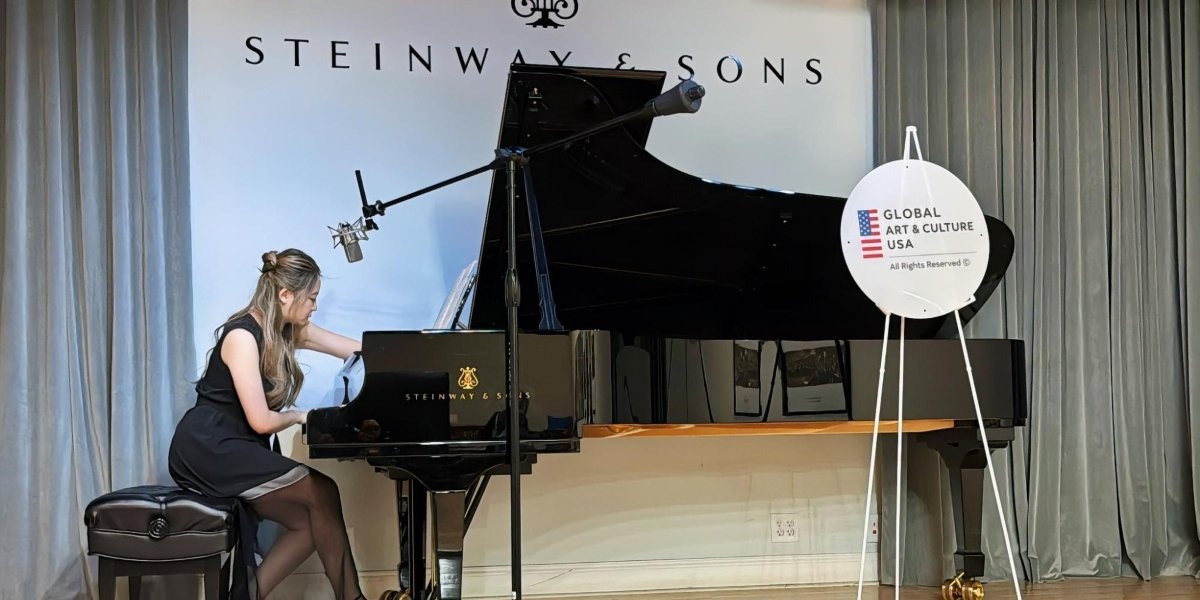
On May 2, 2026, young Chinese pianist Jiayi Zhao was featured in the international cultural concert presented by Global Art & Culture USA in Washington, D.C. The event brought together emerging artists from diverse cultural backgrounds in a program dedicated to artistic dialogue, international collaboration, and the promotion of cultural understanding through music and the arts. The concert also received formal recognition from Dr. Tiffany Lancaster and the Washington, D.C. Mayor’s Office on African Affairs, reflecting the increasing importance of cross-cultural artistic initiatives in today’s global society.
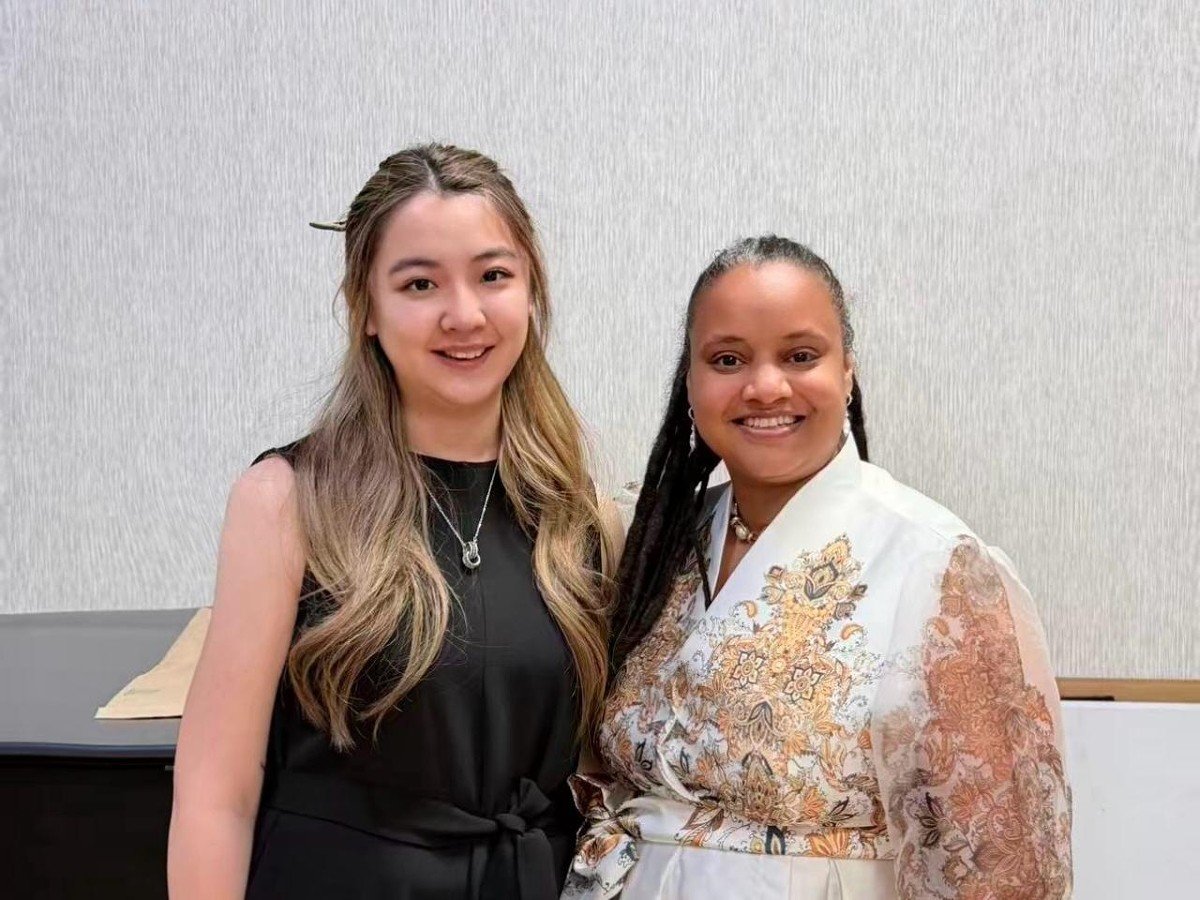
Currently based in New York City, Jiayi Zhao is a Chinese pianist, educator, and collaborative artist whose work centers on intercultural communication through music. She is currently pursuing an Advanced Certificate at New York University, where she studies with renowned Georgian pianist Eteri Andjaparidze. In addition to her solo performance activities, Zhao is also actively engaged in music education and community-based artistic projects, with a particular interest in making classical music more accessible to diverse audiences. Her artistic approach combines strong technical training with an openness toward cross-disciplinary and multicultural collaboration.
During the concert, Zhao delivered a compelling performance of Black Earth, a powerful and rhythmically vibrant piano work by renowned Turkish composer and pianist Fazıl Say. Her interpretation stood out for its emotional intensity, dynamic energy, and sensitivity to the work’s cultural roots, offering audiences a vivid musical experience that transcended geographical and linguistic boundaries.
Originally composed as part of Say’s larger artistic exploration of Anatolian folk traditions, Black Earth was inspired by the music of the legendary Turkish folk poet and minstrel Aşık Veysel. The title refers to the symbolic “black earth” of Anatolia, a metaphor for homeland, spirituality, memory, and the cycle of human life. Through the fusion of folk-inspired melodies, unconventional piano sonorities, and contemporary compositional language, the piece creates a bridge between traditional culture and modern artistic expression.
One of the most distinctive aspects of Black Earth is its imitation of the Turkish saz, a traditional stringed instrument deeply connected to Turkish folk music and oral storytelling. The piano writing frequently asks the performer to engage directly with the strings, producing resonant, haunting sounds that blur the boundary between Eastern folk instruments and Western classical piano traditions. Zhao carefully highlighted these colors and textures in her performance, allowing the audience to experience not only the technical brilliance of the composition but also its emotional and cultural depth.
Her interpretation reflected a broader artistic philosophy centered on intercultural understanding through music. As a Chinese pianist performing a Turkish-inspired contemporary work in the United States, Zhao’s performance created a meaningful dialogue between multiple cultural traditions. In many ways, the presentation itself became a symbol of global artistic exchange: a Chinese artist interpreting Turkish cultural narratives through a Western classical instrument on an international stage in Washington, D.C.
This layered cultural interaction strongly resonated with the concert’s mission, which emphasized the role of the arts in fostering empathy, communication, and mutual respect among nations. Through works such as Black Earth, audiences are reminded that music possesses a unique ability to preserve cultural identity while simultaneously building bridges across communities and histories. Although rooted in a specific national tradition, the emotional themes of the piece, humanity’s connection to land, memory, struggle, and resilience, speak to universal experiences shared across cultures.
Audience members responded enthusiastically to Zhao’s performance, praising both its technical sophistication and emotional authenticity. Many noted that the performance created an atmosphere of reflection and cultural curiosity, encouraging listeners to engage with unfamiliar musical traditions in a deeper and more personal way.
As international artistic collaborations continue to expand, performances like Jiayi Zhao’s interpretation of Black Earth demonstrate the enduring power of music as a universal language. By bringing together elements of Turkish folk heritage, Western classical performance practice, and contemporary global perspectives, the concert offered more than entertainment; it became a living example of cultural diplomacy through the arts.
Through her artistry, Jiayi Zhao contributed not only to the success of the evening but also to a larger conversation about how music can connect people across borders, histories, and identities. Her performance of Black Earth stood as a moving tribute to the richness of world culture and the continuing importance of international artistic exchange in the modern era.