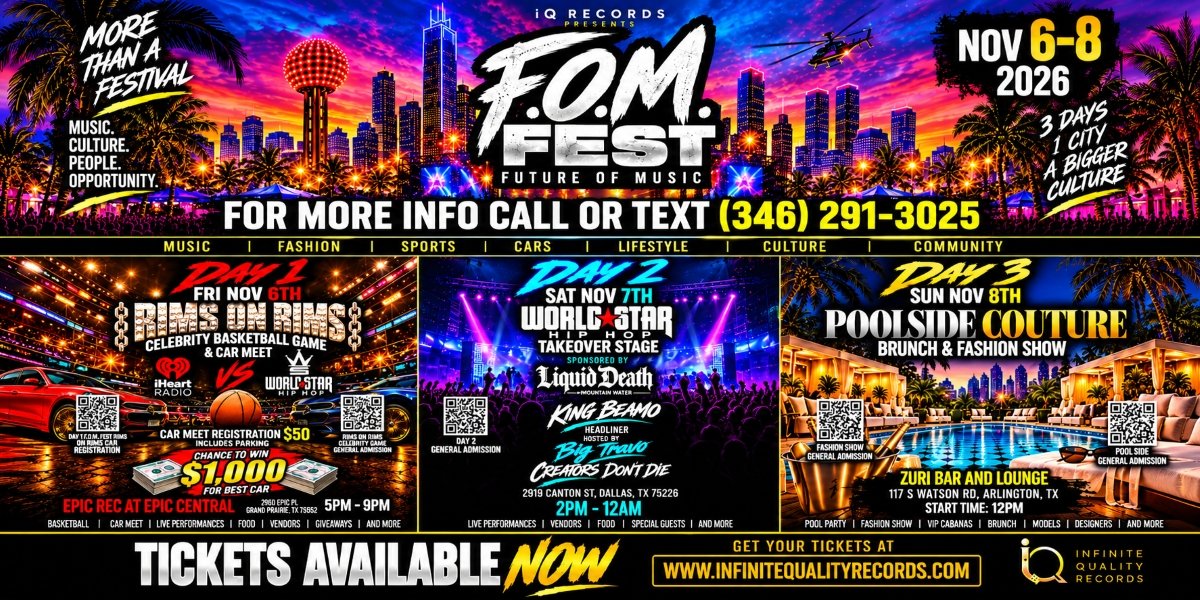
Music festival lineups in recent years have pivoted sharply toward emerging and mid-tier talent, pulling back from the high-priced legacy acts that once dominated marquee slots. The shift reflects rising booking costs, changing audience expectations, and the discovery-driven culture of streaming platforms that have made breakout artists festival-ready faster than ever.
The Rising Cost of Headliners
Booking fees for top-tier legacy acts have climbed steeply over the past decade. Festival budgets that once stretched to cover a handful of legendary names now face substantial guarantees and extensive production riders that can strain even well-funded events. A single headliner can consume a third or more of an event’s artist budget, leaving promoters with less flexibility to fill out the rest of the card.
Smaller festivals especially feel the squeeze. A sold-out weekend may not cover the upfront costs when one or two acts command the lion’s share of revenue. As production expenses and venue fees climb alongside talent costs, organizers are rethinking whether a single big name justifies the financial gamble.
Streaming Platforms Accelerate Artist Visibility
Digital platforms have compressed the timeline between an artist’s first viral hit and festival-ready status. Acts that once needed years of touring and radio play to build a national following can now amass millions of streams and a devoted fanbase in months. Playlist placements on Spotify and Apple Music often serve as the new gatekeepers, elevating lesser-known performers to headliner visibility before they’ve released a full album.
Festivals capitalize on this accelerated trajectory by booking artists during their ascent, when fees remain manageable but buzz runs high. An act playing small clubs one year can draw thousands to a festival stage the next. This offers promoters both cost savings and the cultural cachet of early adoption. Music festival lineups increasingly reflect this streaming-era momentum, stacking bills with names that resonate on algorithmic playlists rather than classic-rock radio.

Audience Expectations Have Changed
Younger festival-goers prioritize discovery and genre diversity over nostalgia. Attendees who grew up with on-demand music expect lineups that mirror the eclectic, cross-genre mixes they curate on streaming services. A bill anchored by a single legendary act and a dozen filler bands no longer satisfies crowds accustomed to hopping between electronic, hip-hop, indie, and pop sets in a single afternoon.
This generational shift pushes organizers to book deeper rosters of varied talent rather than hanging everything on one or two household names. Music festival lineups now often feature 50 or more acts, with no single performer guaranteed to sell tickets alone. The value proposition shifts from ‘come see this icon’ to ‘spend a weekend sampling two dozen artists fans already love and a dozen more they’ll discover.’
Social media amplifies the discovery experience. Festival moments go viral not just for headliners but for breakout sets by lesser-known acts, driving word-of-mouth and ticket sales for future events. A surprise guest appearance or an unknown artist’s electric performance can dominate online conversation, reinforcing the festival’s role as a tastemaker rather than a nostalgia tour.
Financial Risk and Return on Investment
Legacy acts carry financial risk that extends beyond their booking fee. Many require extensive production support, longer set times, and contractual guarantees that limit an event’s ability to adapt if ticket sales lag. A festival that undersells faces a guaranteed payment to a headline act that becomes a fixed loss, one that smaller, more flexible bookings can help absorb.
Emerging artists, by contrast, offer lower financial exposure and higher upside. A breakout performer booked early in their career may cost a fraction of an established headliner while drawing comparable or larger crowds. Even if an unknown act underperforms, the financial hit remains manageable, and the festival can pivot quickly by promoting other names on the bill.
Insurance costs and cancellation clauses add another layer of complexity. Older performers face higher rates of tour cancellations due to health or scheduling conflicts, leaving festivals scrambling for replacements or issuing refunds. Younger acts prove more reliable. They have fewer commitments and more hunger for exposure, making them easier to reschedule if complications arise.

Genre Fluidity and the Death of the Rock Headliner
Rock acts that once commanded festival headlines have seen their cultural dominance wane as hip-hop, electronic, and pop artists claim larger shares of streaming and ticket sales. Music festival lineups reflect this genre shift, with rap and electronic producers now routinely occupying top billing. The days when a classic-rock reunion or aging stadium band could anchor an entire weekend have largely passed, replaced by genre-fluid lineups that reflect contemporary listening habits.
This evolution also reflects the blurred boundaries of modern music. Artists collaborate across genres, blending influences in ways that defy traditional categorization. Festivals that cling to rigid genre templates risk appearing out of step with how audiences actually consume music. A lineup that mixes indie singer-songwriters, trap producers, and electronic duos feels more culturally coherent than one anchored by a legacy rock act surrounded by unrelated filler.
The Curatorial Advantage of Betting on the New
Festivals that prioritize emerging talent build reputations as tastemakers and cultural arbiters. Early bets on artists who later break through to mainstream success lend credibility and draw industry attention. Music festival lineups that consistently spotlight rising acts before they peak attract fans eager to be ahead of the curve, creating a self-reinforcing cycle of discovery and loyalty.
This curatorial approach also fosters stronger relationships with artists and their management. Booking an act early in their career, when festival exposure can be career-defining, builds goodwill that pays dividends as the artist ascends. Future collaborations, exclusive performances, and preferential routing all flow from these early partnerships, giving festivals a competitive edge in securing talent.
The shift toward emerging artists reshapes the festival experience from a static lineup of established names into a dynamic, evolving snapshot of contemporary music. As booking economics, audience preferences, and cultural currents continue to favor discovery over nostalgia, music festival lineups will likely deepen their commitment to the new. They treat the event itself as a platform for building the next generation of headliners rather than recycling the last.