When it comes to horror films, the terrifying visuals, plot twists, and eerie settings are essential components in creating an unsettling atmosphere. However, one of the most powerful tools used to heighten the fear and suspense is something that often goes unnoticed: the music. In horror films, music plays a critical role in manipulating emotions, building tension, and intensifying the overall sense of dread. From the unsettling screeches of violins to the pounding beats that accompany a chase scene, music serves as the invisible force that drives the fear and keeps audiences on the edge of their seats. In this article, we’ll explore how music intensifies the horror experience, making it an indispensable element of the genre.
1. The Psychological Impact of Music on Emotions

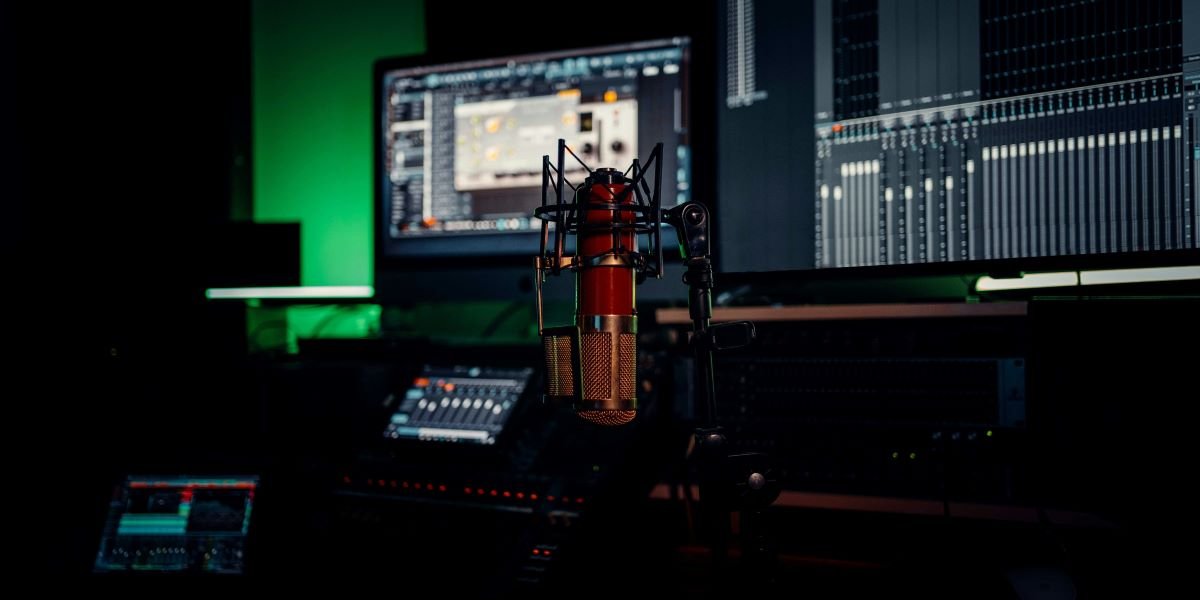
Photo Credit: Unsplash.com
Music has a profound effect on our emotions. Even when we are unaware of it, the sounds we hear can influence how we feel and react. In horror films, music is used strategically to invoke specific emotional responses that enhance the overall atmosphere of fear. Here are some psychological principles at play:
-
Building Tension: One of the primary functions of music in horror films is to build tension. Through gradual shifts in tempo, volume, and rhythm, composers can create an anticipatory sense of unease in the audience. Slow, creeping music paired with ominous tones can make viewers feel like something bad is about to happen. The tension heightens our senses, keeping us alert for the next jump scare or unsettling moment.
-
Fear and Anxiety: Horror films often use dissonant sounds—combinations of notes that clash and create a sense of discomfort. These dissonant chords and melodies trigger a primal fear response in the brain, causing anxiety and unease. When combined with a chilling scene, these sounds can make the viewer feel like they are in imminent danger, even when they are simply watching a film.
-
Relief and Release: Sometimes, horror films use quiet, calm moments, followed by sudden bursts of loud or dissonant music, to create a sharp contrast that heightens the horror. This abrupt shift in sound can create a release of built-up tension, often resulting in a more terrifying and startling experience. The sudden change in music can also evoke a sense of shock, making the horror feel even more intense.
2. Iconic Horror Scores That Set the Tone
Some of the most iconic horror films are remembered not only for their terrifying visuals but also for their unforgettable soundtracks. The music in these films has become so synonymous with the horror genre that it’s hard to imagine the films without them. Here are a few examples of horror scores that have become integral to the genre’s effectiveness:
-
John Carpenter’s Halloween (1978): One of the most famous horror film scores, the music in Halloween is minimalist, yet it perfectly captures the feeling of dread and impending doom. The haunting piano theme, with its repetitive and rhythmic nature, builds tension and emphasizes the stalking presence of Michael Myers. The eerie simplicity of the score adds to the film’s atmosphere, making each appearance of the masked killer more unnerving.
-
Bernard Herrmann’s Psycho (1960): The screeching strings in Psycho’s score have become iconic in horror cinema. The use of sharp, discordant violin notes during the infamous shower scene is unforgettable, amplifying the terror and chaos of the moment. The score’s unsettling, high-pitched strings create a sense of discomfort and fear, contributing significantly to the film’s shocking impact.
-
Wendy Carlos & Rachel Elkind’s The Shining (1980): The music in The Shining is often discordant, eerie, and unsettling. It uses a combination of classical compositions and electronic sounds to create a sense of confusion and dread. The unsettling sounds in the background, especially during the scenes in the Overlook Hotel, contribute to the psychological horror and amplify the paranoia that defines the film.
3. The Use of Silence and Sound Design in Conjunction with Music
While music is critical in heightening horror, silence can be just as powerful. Horror filmmakers often use silence strategically to amplify the effect of a subsequent sound or piece of music. When the audience is left in silence, their senses become heightened, waiting for the next sound or music cue to break the stillness.
-
Building Suspense: Silence can be used to build suspense before a sudden, terrifying musical cue or sound effect. In many horror films, there is a deliberate absence of music during key moments, which forces the audience to focus on every tiny sound. This makes the eventual burst of music or a loud sound, like a scream or a door slamming, even more impactful.
-
Sound Design: Sound design is another key element in horror films. The sounds of footsteps, creaking doors, or distant whispers, when paired with music, can amplify the sense of dread. The subtle, almost imperceptible sounds that play alongside the music contribute to the eerie atmosphere, adding layers of tension. This combination of sound and music creates a sonic landscape that manipulates the audience’s emotions and keeps them on edge.
4. The Role of Musical Cues in Shaping Audience Expectations
In horror films, music plays a critical role in shaping the audience’s expectations. By setting musical cues early on, composers can signal what’s to come, even before the plot does. This helps build suspense and anticipation, as viewers learn to recognize the patterns in the music that indicate danger.
-
Foreshadowing: Certain musical motifs can serve as a foreshadowing tool. For example, a specific theme might play whenever a character is in danger or about to encounter something terrifying. The audience begins to associate that musical cue with the coming threat, which heightens their emotional response when it returns.
-
Creating False Sense of Security: Horror films often use music to mislead the audience. A lull in the music or a calming piece might signal that everything is safe, only for something terrifying to occur shortly after. This manipulation of music to set up false expectations creates a sense of dread, as the audience knows that the calm moments are often the precursor to something horrific.
5. The Emotional Depth Music Adds to Horror Films
Beyond inducing fear, music in horror films can also add emotional depth to the narrative. Many horror films explore themes of grief, loss, isolation, or trauma, and the music helps underscore these emotional layers. By blending these emotions with the terrifying elements, music enhances the viewer’s connection to the characters and the story.
-
Empathy with Characters: Music can evoke empathy for the characters, making their suffering or peril feel more intense. When paired with a poignant, slow-moving score, scenes of terror can have an emotional resonance, making the horror even more impactful.
-
Subtle Horror: Sometimes, horror films use music not just to create jump scares or shock value but to evoke a creeping, insidious sense of dread. Slow, haunting melodies or gentle tones can create a constant sense of unease, subtly affecting the audience’s emotions throughout the film.
Music in horror films is far more than just a background element—it’s a powerful tool that intensifies the fear, shapes the audience’s expectations, and deepens the emotional impact of the narrative. From building tension with dissonant chords to amplifying jump scares with sudden musical blasts, the role of music in horror cannot be overstated. By manipulating sound, silence, and music together, filmmakers create an immersive experience that leaves viewers with a lingering sense of fear long after the credits roll. It’s this intricate relationship between visuals and sound that makes horror films so unforgettable, and music remains one of the genre’s most effective storytelling devices.