Music doesn’t just fill silence, it fills space in the brain. It’s the only art form that hits memory, emotion, and identity all at once. Whether it’s a film score that makes the chest tighten or a hook that loops in the head for days, music has a direct line to the nervous system. Artists, producers, and fans alike understand that it’s not accidental; it’s engineered.
From the first beat drop to the final fade-out, music shapes how people feel, think, and move. It’s why a single chord progression can trigger nostalgia, or why a live set can shift the energy of an entire room. The connection is real, and it’s measurable, not just in vibes, but in brainwaves.
The Brain Doesn’t Just Hear Music, It Reacts to It
When music hits, the brain lights up. Functional MRI scans show that listening to music activates the auditory cortex, sure, but it also engages the limbic system, which processes emotion, and the hippocampus, which stores memory. That’s why a song from high school can bring back a flood of feelings, even decades later.
Researchers at Princeton’s Music Cognition Lab have explored how repetition, rhythm, and melodic structure influence emotional response. Their findings suggest that the brain treats music like a language, one that communicates emotion more efficiently than words ever could.
This neurological response is why music is used in therapy, marketing, and even medical recovery. It’s not just entertainment, it’s a tool that taps into the deepest parts of the mind.
Emotion Is the Engine of Musical Impact
Music doesn’t just reflect emotion, it creates it. A minor key can evoke sadness, while a sudden tempo shift can trigger excitement or anxiety. Producers know this intuitively. That’s why film composers like Hans Zimmer or Ludwig Göransson build entire emotional arcs with nothing but sound.
In gaming, soundtracks are designed to manipulate player emotion in real time. Whether it’s tension during a boss fight or calm during exploration, the score is doing more than setting the mood, it’s controlling it. Some of the most effective emotional cues in gaming come from soundtracks that guide player response without ever drawing attention to themselves.
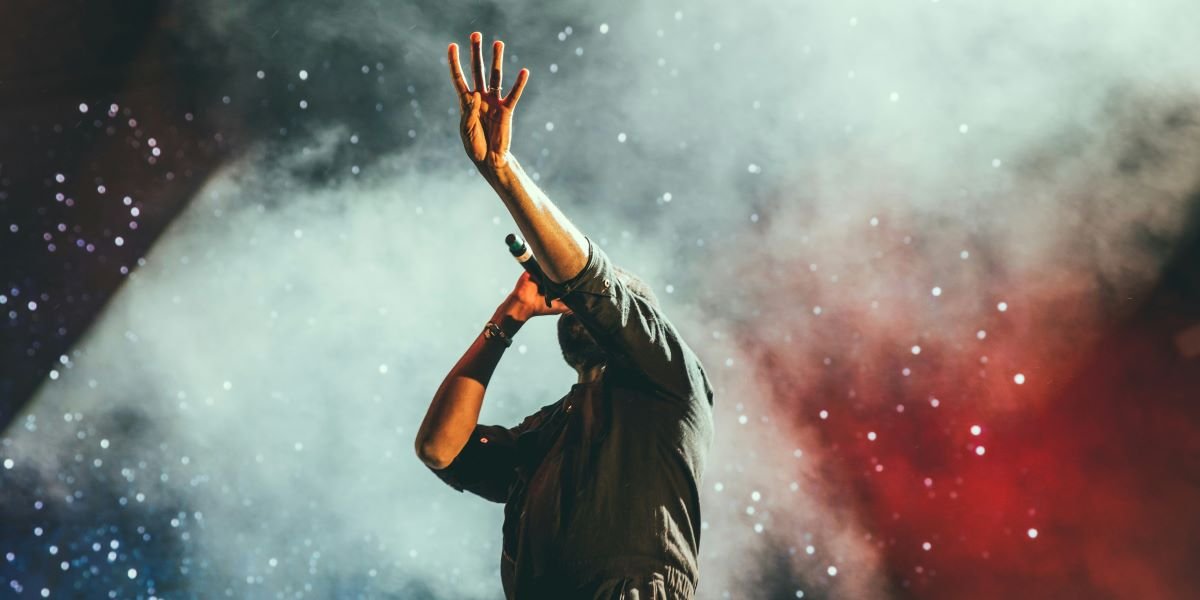
Live music takes this even further. The energy of a crowd, the resonance of a venue, and the physicality of sound all combine to create a shared emotional experience. It’s why people cry at concerts, or feel euphoric during a drop. The emotion isn’t just heard, it’s felt.
Memory and Identity Are Hardwired to Sound
Music is one of the most powerful memory triggers known to science. It’s why Alzheimer’s patients can recall lyrics long after they’ve forgotten names. The brain stores musical memory differently, more deeply, more emotionally.
This connection to memory also ties music to identity. People don’t just listen to music, they use it to define themselves. Genres, playlists, and favorite artists become shorthand for personality, values, and community. Whether it’s punk, hip-hop, or classical, music becomes a mirror.
That’s why certain songs feel like time capsules. A track that played during a breakup, a graduation, or a road trip doesn’t just remind someone of the moment, it brings the moment back. The emotional weight of music is inseparable from the memories it carries.
Cultural Context Shapes Musical Meaning
Music doesn’t exist in a vacuum. Its emotional impact is shaped by culture, context, and personal experience. A gospel choir might evoke spiritual transcendence for one listener and cinematic grandeur for another. A trap beat might signal rebellion, celebration, or both, depending on who’s listening.
Artists often play with this. Sampling, genre-blending, and lyrical references all tap into shared cultural memory. When Beyoncé samples New Orleans bounce or Kendrick Lamar weaves jazz into hip-hop, they’re not just making music, they’re making statements.
This cultural layering is part of what gives music its emotional depth. It’s not just about sound, it’s about what the sound means, and who it means it to. That’s why the same song can hit differently in different rooms, cities, or generations.
Music as a Tool for Emotional Design
In the hands of a skilled artist or producer, music becomes a form of emotional architecture. It’s used to build tension, release, intimacy, or catharsis. And it’s not just in albums or performances, it’s in branding, UX design, and even public spaces.
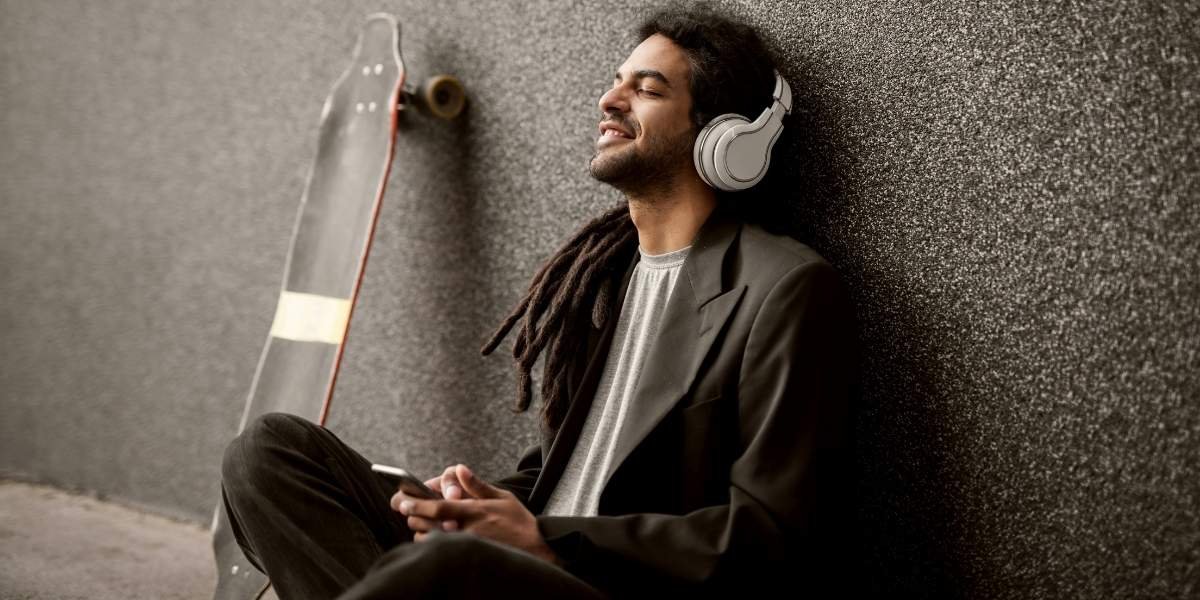
Photo Credit: Unsplash.com
Retail stores use curated playlists to influence shopping behavior. Streaming platforms use algorithmic mood tags to guide discovery. Even social media trends are driven by audio, think of how a single TikTok sound can launch a global meme or revive a forgotten hit.
This emotional engineering isn’t manipulative, it’s intentional. And when done well, it enhances the experience. That’s why some creators are exploring the science behind music’s emotional grip to craft more immersive, resonant work.
The Future of Music Is Emotional Intelligence
As AI and neuroscience continue to evolve, the connection between music and emotion is only getting deeper. Platforms are experimenting with mood-based recommendation engines. Artists are using biometric feedback to shape live sets in real time. And researchers are exploring how music can support mental health, focus, and even physical healing.
But the power of music remains the same. It’s a universal language that bypasses logic and speaks directly to the soul. Whether it’s a stadium anthem or a lo-fi beat in your headphones, music connects, to memory, to emotion, and to each other.