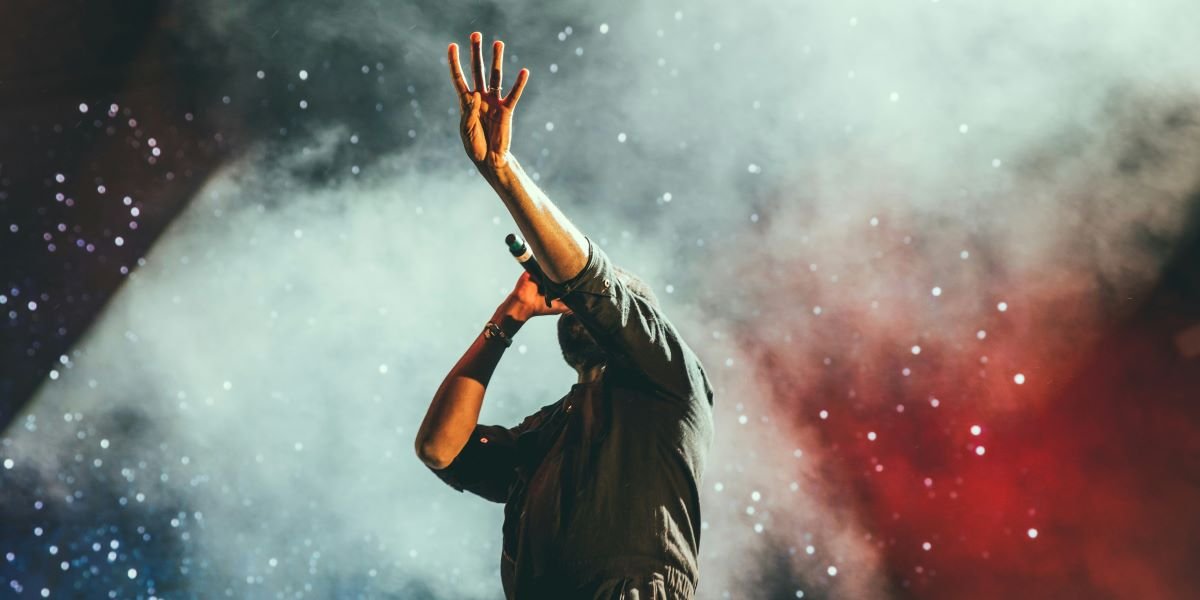
Street musicians are the heartbeat of public spaces. They turn sidewalks into stages, subway tunnels into symphony halls, and city corners into moments of magic. Across the U.S., these artists are reshaping how people experience music, making it spontaneous, accessible, and deeply human. Their charm lies not just in talent, but in presence: raw, unfiltered, and rooted in community.
In an era of algorithmic playlists and curated feeds, street musicians offer something radically different. They bring music to the people, wherever they are, without barriers or gatekeepers. And in doing so, they’re redefining what it means to perform, connect, and inspire.
Soundtracking the Streets
From New York’s Washington Square Park to San Francisco’s Embarcadero, street musicians are part of the urban rhythm. Their performances add texture to the city, jazz riffs echoing off buildings, acoustic ballads drifting through open-air markets, and drum circles drawing crowds in public plazas.
These artists don’t just play music, they create atmosphere. They turn everyday commutes into concerts and casual strolls into cultural experiences. Their presence transforms public spaces into living soundtracks, where music becomes part of the environment.
In cities like New Orleans, Austin, and Chicago, street musicians are woven into the local identity. Brass bands, blues guitarists, and indie vocalists reflect the musical heritage of their surroundings. Their performances are more than entertainment, they’re urban storytelling.
Cultural Connection and Local Identity
Street musicians are cultural ambassadors. Their music reflects the diversity, history, and spirit of the communities they inhabit. In Los Angeles, you might hear Latin rhythms and bilingual lyrics. In Nashville, it’s country ballads and Americana harmonies. In Detroit, expect soul, funk, and Motown echoes.
These performances are deeply personal and hyper-local. They speak to the lived experiences of the artists and the audiences they engage. They create moments of connection, between strangers, between cultures, and between generations.
Street musicians also play a vital role in preserving musical traditions. They keep folk songs alive, reinterpret classics, and introduce new genres to passersby. Their work is a living archive of sound, constantly evolving and always accessible.
Accessibility and Spontaneity
One of the most powerful aspects of street music is its accessibility. There’s no ticket required, no dress code, and no algorithm deciding who gets to hear it. Anyone walking by can stop, listen, and engage. It’s music for everyone, regardless of age, background, or income.
This democratization of performance is especially important in cities where access to live music can be limited. Street musicians bring art to places where traditional venues don’t reach. They make music part of the public domain, enriching neighborhoods and elevating everyday experiences.

Photo Credit: Unsplash.com
Spontaneity is part of the charm. You never know when you’ll stumble upon a breathtaking solo or an impromptu jam session. These moments feel organic, unscripted, and unforgettable. They remind us that music isn’t just a product, it’s a presence.
Challenges and Resilience
Despite their cultural value, street musicians often face legal and logistical challenges. Noise ordinances, permit requirements, and public space regulations can limit where and when they perform. Some cities embrace busking with designated zones and supportive policies, while others restrict it heavily.
Yet street musicians persist. Their resilience is part of their appeal. They adapt to changing conditions, shift locations, and build communities around their craft. Many rely on digital tools, QR codes for tips, social media for promotion, to sustain their work in a hybrid world.
Public support plays a crucial role. Cities that recognize the value of street music often see stronger community engagement, increased tourism, and more vibrant public spaces. When local governments and residents support buskers, everyone benefits.
The Future of Street Music in the U.S.
As urban life continues to evolve, street musicians remain essential to its rhythm. They offer a counterpoint to digital isolation, reminding us that music is a shared experience. Whether it’s a spontaneous dance party on a corner or a quiet moment of reflection during a solo performance, street music creates connection.
Expect to see more integration between street musicians and city planning. Pop-up stages, busker festivals, and interactive sound installations are already emerging in cities like Seattle, Philadelphia, and Austin. These initiatives recognize that music isn’t just entertainment, it’s infrastructure.
Street musicians are also finding new ways to collaborate. Some partner with local businesses, others join community events, and many are building online platforms to expand their reach. Their adaptability ensures that the charm of street music will continue, no matter how the city changes.
Why It Matters
Street musicians remind us that music doesn’t need a stage, it just needs a listener. They bring art into the everyday, turning public spaces into places of joy, reflection, and connection. Their performances are fleeting but impactful, creating memories that linger long after the last note fades.
In a world that often feels disconnected, street music offers a moment of unity. It’s a shared experience, a cultural exchange, and a celebration of creativity. And in cities across the U.S., it’s happening every day, on sidewalks, in parks, and wherever people gather.