Music Observer

Spotify’s AI “Prompted Playlist” Redefines How Fans Discover Music

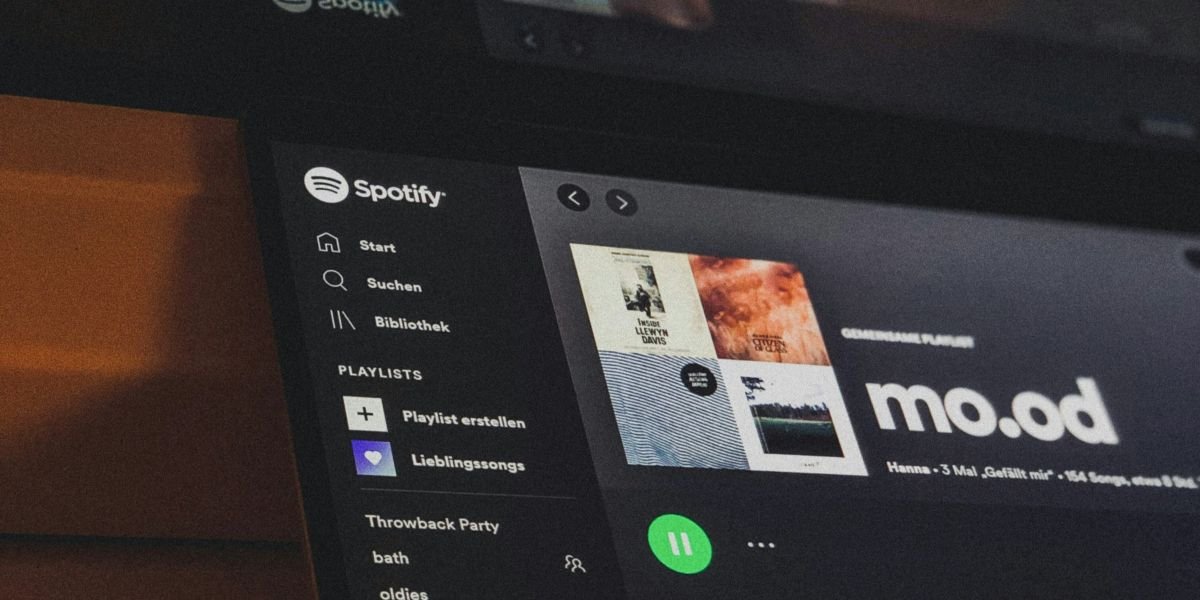
Spotify has rolled out one of its most significant product updates in recent years with the launch of “Prompted Playlist,” an AI-driven feature now available in beta to Premium subscribers in the United States and Canada. The update marks a shift in how music discovery works on the platform, moving listeners from passive recipients of algorithmic recommendations to active participants in shaping what they hear.

Unlike traditional playlists generated solely from listening history, Prompted Playlist allows users to describe what they want to hear using natural-language prompts. From moods and moments to activities and themes, listeners can instruct Spotify’s system directly, turning everyday language into curated music experiences.

From Algorithmic Prediction to User Direction

For years, Spotify’s discovery tools such as Discover Weekly and Release Radar have relied on behavioral signals to anticipate what users might enjoy next. Prompted Playlist represents a structural evolution of that model by placing explicit user intent at the center of discovery.

Spotify executives have framed the feature as a response to changing listener expectations. As reported by Reuters, Molly Holder, Spotify’s Vice President of Product Personalization, explained the philosophy behind the rollout:

“Listeners don’t just want Spotify to understand them. They want to actively shape their own experience.”

That distinction matters. Rather than guessing what a listener might want, Spotify’s AI now responds to clearly articulated preferences, blending user prompts with listening history and catalog data.

How Prompted Playlist Works

Prompted Playlist allows Premium users to type a description into the app, which the AI then translates into a customized playlist. The system draws from Spotify’s full catalog while factoring in a listener’s past behavior to ensure relevance.

Users can also refine results by setting rules or refresh schedules, enabling playlists to update daily or weekly. This design makes playlists feel more like evolving soundtracks than static collections, aligning discovery with how listeners’ moods and routines change over time.

From an industry standpoint, this approach represents a deeper integration of natural-language processing into consumer music platforms, pushing personalization beyond metadata tags and genre classifications.

Strategic Timing in a Competitive Streaming Market

The introduction of Prompted Playlist arrives as Spotify continues to defend its market leadership amid rising competition and pricing pressure. The company recently announced increases to its U.S. Premium subscription pricing, raising the stakes for product innovation that reinforces perceived value.

By adding AI-driven, user-controlled discovery tools to the Premium tier, Spotify is signaling that personalization itself is a core product differentiator, not a background feature. Analysts note that deeper engagement tools can help reduce churn while increasing listening time—both critical metrics in the streaming economy.

What This Means for Artists and the Music Business

For artists, Prompted Playlist introduces a new layer to discovery dynamics. Playlists remain one of the most powerful drivers of streams and audience growth, but this feature changes how tracks surface. Instead of relying solely on editorial placement or algorithmic popularity signals, songs may now reach listeners through contextual intent, such as a specific mood, activity, or creative scenario defined by the user.

That shift could benefit emerging artists and deep-catalog tracks alike, particularly when music aligns closely with niche contexts rather than broad genre trends. Over time, this may influence how labels and managers think about metadata, storytelling, and how songs are positioned for discovery.

Music Discovery in the AI Era

Prompted Playlist reflects a broader transformation across the music industry, where AI is moving from backend optimization into the front-end creative experience. Rather than replacing human taste, Spotify’s approach positions AI as a responsive collaborator—one that listens first, then builds.

As streaming platforms continue to shape how audiences find and consume music, Spotify’s latest feature suggests a future where discovery is less about prediction and more about dialogue. For fans, artists, and industry professionals alike, Prompted Playlist may be an early signal of how language, intent, and technology will increasingly define the next phase of music discovery.

Digital Music Distribution: How Streaming Platforms Are Empowering Artists and Fans

Music distribution has undergone a seismic shift. What once required label deals, physical inventory, and gatekeeper approval now happens with a few clicks. Streaming platforms have redefined how music reaches listeners, giving artists unprecedented control and fans instant access to global catalogs. But this transformation isn’t just technical, it’s cultural, economic, and deeply personal.

From bedroom producers to arena headliners, the way music is distributed today shapes careers, communities, and creative freedom. And for fans, it’s changed how music is discovered, shared, and experienced.

Streaming Platforms as the New Gateways

Spotify, Apple Music, Amazon Music, and YouTube have become the primary channels for music distribution. These platforms don’t just host content, they curate, recommend, and amplify it. Their algorithms influence what gets heard, while playlists function as modern-day radio rotations.

For artists, this means visibility is no longer tied to geography or label backing. A track uploaded in Lagos can trend in Los Angeles. A remix from Tokyo can land on a Berlin playlist. The global reach of streaming platforms has flattened the playing field, allowing talent to rise from anywhere.

Still, distribution isn’t just about uploading. Artists must understand metadata, release timing, and platform-specific strategies. Those who treat streaming as a business tool, not just a delivery method, tend to see stronger results.

Independent Artists and the Rise of DIY Distribution

One of the most empowering aspects of modern music distribution is the rise of independent artists. Without traditional gatekeepers, musicians can release work on their own terms. Platforms like DistroKid, TuneCore, and CD Baby have made it easier to push music to major streaming services while retaining ownership.

This shift has led to a surge in creative output. Artists no longer wait for label approval or budget sign-off. They experiment, iterate, and connect directly with fans. It’s a model that rewards agility and authenticity.

Many of these artists also leverage social media and digital platforms to build audiences. TikTok, Instagram, and Discord have become essential tools for promotion, feedback, and community-building. Distribution is no longer a one-way street, it’s a conversation.

Fan Empowerment Through Access and Interaction

Streaming platforms haven’t just changed how music is delivered, they’ve transformed how fans engage with it. Listeners now curate their own libraries, follow artists in real time, and discover new sounds through algorithmic suggestions and social sharing.

This level of access empowers fans to become tastemakers. A single repost or playlist addition can drive thousands of new streams. Fans also expect transparency, they want to know release dates, behind-the-scenes stories, and creative intent. Artists who share openly tend to build deeper loyalty.

Live features like Spotify Canvas, Apple Music lyrics, and YouTube premieres add layers of interaction. Fans aren’t just consuming music, they’re experiencing it in dynamic, personalized ways.

Monetization and the Economics of Streaming

While streaming has democratized music distribution, it’s also sparked debate around artist compensation. Per-stream payouts are notoriously low, and many artists rely on touring, merch, and sync deals to supplement income.

Still, those who understand the economics of streaming can optimize their strategy. Releasing consistently, targeting niche audiences, and leveraging playlist placement can drive meaningful revenue over time. It’s not about chasing viral hits, it’s about building sustainable ecosystems.

Some artists also explore direct-to-fan models, using platforms like Bandcamp or Patreon to offer exclusive content and merchandise. These hybrid approaches blend streaming reach with personalized monetization.

Data as a Creative and Strategic Tool

One of the most overlooked benefits of digital music distribution is access to data. Artists can now see who’s listening, where, and how often. This information informs everything from tour routing to merch design.

Understanding listener behavior helps artists refine their sound, target promotions, and collaborate strategically. It also empowers managers and labels to make smarter decisions. Data isn’t just numbers, it’s insight into audience connection.

Platforms like Spotify for Artists and Apple Music for Artists offer dashboards that track performance in real time. When used well, these tools become part of the creative process, guiding releases and engagement.

Challenges in the New Distribution Landscape

Despite its advantages, digital music distribution comes with challenges. The sheer volume of releases makes discovery difficult. Algorithms can be unpredictable. And without label support, artists must wear multiple hats, from marketer to analyst to designer.

Digital Music Distribution: How Streaming Platforms Are Empowering Artists and Fans

Photo Credit: Unsplash.com

There’s also the emotional toll. Constant output, comparison, and pressure to perform can lead to burnout. Artists navigating this space need support systems, clear goals, and sustainable workflows.

That’s why understanding how musicians can thrive in the new music business is essential. It’s not just about distribution, it’s about resilience, strategy, and community.

The Future of Music Distribution Is Hybrid

Looking ahead, music distribution will likely continue to evolve into hybrid models. Streaming will remain dominant, but artists will explore new formats, from spatial audio to interactive releases.

Physical formats like vinyl and cassette are also seeing a resurgence, offering tactile experiences that complement digital reach. Some artists are experimenting with geo-targeted drops, time-limited releases, and gamified listening.

Ultimately, the goal is connection. Whether through a playlist, a live stream, or a limited-edition vinyl, music distribution is about bridging artist intent with fan experience.

Why This Matters for Artists and Industry Professionals

For artists, understanding music distribution is no longer optional, it’s foundational. It shapes how music is heard, shared, and monetized. It influences branding, audience growth, and career longevity.

For industry professionals, it’s a chance to rethink old models. Labels, managers, and promoters must adapt to a landscape where control is decentralized and creativity is constant. Success comes from collaboration, innovation, and empathy.

And for fans, it’s a golden era. Music is more accessible, diverse, and interactive than ever. The barriers are lower, the choices are broader, and the connections are deeper.

Life After the Runway: Exploring New Careers for Former Models

Models have long been icons of style, movement, and visual storytelling. But the runway isn’t forever, and for many, it’s just the beginning. As the fashion industry evolves and the spotlight shifts, former models are carving out bold new paths across creative, entrepreneurial, and cultural sectors. Their transition isn’t just about reinvention, it’s about reclaiming agency and expanding influence.

Whether stepping into business, media, or advocacy, models are proving that their skills extend far beyond posing and presentation. With deep industry insight, global networks, and a sharp sense of aesthetics, they’re uniquely positioned to thrive in roles that demand vision and versatility.

From Runway to Boardroom: The Rise of Model Entrepreneurs

Entrepreneurship has become a natural next step for many former models. Years spent navigating fashion campaigns, brand partnerships, and global tours often translate into sharp instincts for branding and business. Some launch skincare lines, others build creative agencies, and many establish platforms that support emerging talent.

Tyra Banks, once a household name on the catwalk, now runs a media empire that includes production, education, and investment. Her pivot wasn’t accidental, it was strategic, rooted in years of observing how models are positioned and perceived. This kind of transition reflects a broader trend: models using their experience to lead, not just represent.

Others take a more grassroots approach, mentoring younger talent or launching boutique agencies that prioritize diversity and ethical representation. These ventures often intersect with broader cultural movements, including the growing demand for inclusive fashion and sustainable production.

Creative Direction and Styling: Behind-the-Scenes Influence

Models spend years absorbing the mechanics of shoots, shows, and campaigns. That exposure often leads to a natural fluency in visual storytelling, a skill that translates seamlessly into roles like creative director, stylist, or brand consultant.

Some former models now shape the very campaigns they once starred in. They advise on casting, mood boards, and set design, bringing a lived understanding of what resonates on camera and in culture. Their insight helps brands connect more authentically with audiences, especially in an era where aesthetic nuance and cultural fluency are essential.

This shift also reflects the growing influence of music on fashion and lifestyle trends. Models who’ve worked across music videos, tour visuals, and artist campaigns often bring a hybrid sensibility that blends fashion with sonic identity, a valuable asset in today’s cross-platform creative economy.

Media, Hosting, and Cultural Commentary

The camera doesn’t always turn off when the modeling ends. Many former models transition into media roles, hosting fashion segments, interviewing artists, or contributing to cultural commentary. Their credibility, combined with on-camera experience, makes them compelling voices in entertainment and journalism.

This path isn’t limited to fashion coverage. Models with strong opinions and storytelling skills often branch into podcasting, documentary production, or editorial writing. They explore topics ranging from body politics to industry ethics, offering perspectives shaped by lived experience.

In some cases, this media presence intersects with celebrity culture and style influence. Former models who’ve worked closely with musicians, designers, and stylists often become tastemakers in their own right, shaping conversations around celebrity fashion and influence rather than just participating in them.

Wellness, Advocacy, and Personal Branding

The modeling industry can be physically and emotionally demanding. That reality has led many former models to pursue careers in wellness, mental health advocacy, and personal development. They speak openly about burnout, body image, and the pressures of public life, topics that resonate deeply with fans and fellow creatives.

Some become certified coaches, yoga instructors, or wellness entrepreneurs. Others build platforms that promote self-care, resilience, and community. Their credibility comes not just from their past careers, but from their willingness to share the behind-the-scenes truth.

This kind of advocacy often blends with personal branding. Models who’ve cultivated strong followings use their platforms to promote causes, collaborate with nonprofits, or launch purpose-driven ventures. It’s a shift from being the face of a brand to being the voice of a movement.

Fashion Education and Industry Mentorship

With years of experience navigating castings, contracts, and campaigns, former models are well-equipped to educate the next generation. Some teach at fashion schools, lead workshops, or develop online courses that demystify the industry.

Life After the Runway: Exploring New Careers for Former Models

Photo Credit: Unsplash.com

Mentorship is especially valuable in an era where modeling is more accessible but also more complex. Social media has opened doors, but it’s also introduced new challenges around branding, safety, and sustainability. Former models who’ve lived through the highs and lows offer guidance that’s both practical and empathetic.

This educational role also helps shift industry norms. By sharing their stories and advocating for better practices, former models contribute to a more transparent and ethical fashion ecosystem, one that values longevity, diversity, and dignity.

Why This Matters for Music Fans and Creatives

The intersection of fashion and music is more vibrant than ever. Models who transition into creative leadership often collaborate with artists, stylists, and producers to shape visual identities and performance aesthetics. Their influence extends into album art, tour visuals, and brand partnerships, areas where fashion and music merge seamlessly.

For fans, this means richer experiences. Music events, merch drops, and video releases often carry the imprint of former models working behind the scenes. Their eye for detail and cultural fluency helps elevate the artistry, making each moment more immersive.

For artists and professionals, it’s a reminder that collaboration across disciplines leads to stronger storytelling. Models bring a unique perspective, one shaped by movement, emotion, and visual rhythm. When that perspective is applied to music, the results are often unforgettable.

The Unexpected Return of Vinyl Records

In an era dominated by streaming platforms and algorithm-driven playlists, vinyl records have made an unexpected return. What was once considered a relic of the past is now a thriving format embraced by collectors, audiophiles, and a new generation of listeners. The phrase “vinyl records comeback” isn’t just nostalgic, it reflects a shift in how people value sound, experience, and ownership in music.

This resurgence isn’t driven by novelty alone. It’s rooted in a desire for physical connection, sonic warmth, and a slower, more intentional way of engaging with music. As digital consumption becomes increasingly frictionless, vinyl offers something that can’t be replicated by a swipe or a stream.

Why Vinyl Records Still Matter

Vinyl records offer a tactile experience that digital formats simply don’t. From the weight of the disc to the ritual of placing the needle, listening to vinyl is immersive. It demands attention. The large-format album art, liner notes, and physical presence of a record create a sense of ownership that goes beyond the music itself.

Sound quality is another factor. Many listeners describe vinyl’s analog playback as warmer, richer, and more dynamic than compressed digital files. While this is partly subjective, there’s science behind the perception. Analog recordings preserve the full waveform of sound, whereas digital formats rely on sampling. This difference can affect how listeners perceive depth, texture, and emotion in a track.

As explored in How Music Works: Understanding the Science Behind Musical Sounds, the way sound waves interact with the ear and brain plays a major role in how music feels. Vinyl’s continuous waveforms and subtle imperfections, like crackles and pops, can actually enhance the emotional experience by adding texture and realism.

The Cultural Appeal of Analog Music

Beyond sound, vinyl records carry cultural weight. They represent a time when music was less disposable and more deliberate. Owning a record meant committing to an artist’s full body of work, not just a single track. That sense of commitment is returning, especially among younger listeners who grew up in the digital age.

The vinyl resurgence is also tied to aesthetics. Turntables and record collections add character to living spaces. Album covers become visual statements. Limited pressings and colored vinyl editions turn records into collectibles. This blend of music and design appeals to those who value both form and function.

As detailed in How Music Technology is Shaping the Future of Production and Listening, the evolution of music formats is not just about convenience, it’s about experience. While spatial audio and virtual reality concerts offer immersive digital environments, vinyl provides a counterbalance: a grounded, analog ritual that invites listeners to slow down and engage more deeply.

The Unexpected Return of Vinyl Records

Photo Credit: Unsplash.com

Why the Comeback Surprised the Industry

Few predicted vinyl’s return. For years, the format was considered obsolete, replaced by CDs, then downloads, then streaming. But as digital music became more accessible, it also became more ephemeral. Listeners began craving something tangible, something that couldn’t be deleted with a tap.

The industry responded. Major labels now press vinyl editions of new releases. Independent artists use vinyl to connect with fans in a more personal way. Even genres that once leaned heavily on digital, like electronic and hip-hop, are embracing the format for its storytelling potential and physical impact.

This shift has economic implications too. Vinyl sales have steadily increased year over year, often outpacing CD sales. While streaming remains dominant, vinyl’s growth signals a demand for formats that offer more than convenience. It’s a reminder that music is not just content, it’s culture.

Challenges and Opportunities Ahead

Despite its resurgence, vinyl is not without challenges. Pressing plants face long wait times due to increased demand. Production costs are higher than digital distribution. Environmental concerns around materials and shipping also raise questions about sustainability.

Still, the format’s growth presents opportunities. Artists can use vinyl to create immersive experiences, pairing music with visuals, storytelling, and physical design. Labels can explore new packaging concepts, while retailers can build community through events and curated selections.

For listeners, vinyl offers a chance to slow down. To listen actively. To engage with music as an art form rather than background noise. That shift in mindset is what makes the comeback so unexpected, and so meaningful.

Vinyl’s Place in a Digital World

Vinyl records aren’t replacing digital platforms. They’re complementing them. In a world where music is often consumed passively, vinyl encourages presence. It invites listeners to sit with a record, absorb its nuances, and appreciate its imperfections.

The unexpected return of vinyl records is more than a trend. It’s a response to the speed and saturation of digital life. It’s a reminder that music, at its best, is both heard and felt.

As the format continues to evolve, its role in the music ecosystem will likely expand. Whether through hybrid releases, artist-led pressings, or new listening rituals, vinyl is proving that analog still has a place in the future of sound.

Impact of Venue Choice on Music Event Planning and Execution

In music event planning, the venue isn’t just a backdrop, it’s the co-star. Whether it’s a 200-cap club or a 20,000-seat arena, the space you choose sets the tone, dictates the logistics, and shapes how the audience connects with the performance. It’s not just about capacity or acoustics. It’s about energy, identity, and execution.

Artists, promoters, and production teams know this instinctively. A mismatched venue can flatten even the most electric set. But when the space aligns with the sound, the crowd, and the story being told, something bigger happens, the event becomes a moment.

The Venue as a Creative Partner

Every music event starts with a vision. Maybe it’s an intimate acoustic set, a genre-blending festival, or a high-concept album release. That vision needs a space that can hold it, physically, emotionally, and technically.

In event planning, venue selection is often the first major decision. It influences everything that follows: stage design, lighting, ticket pricing, even the setlist. A warehouse in Bushwick offers a different kind of intimacy than a velvet-draped theater in Nashville. The venue becomes part of the narrative.

That’s why some artists and producers treat venues like collaborators. They scout for spaces that reflect the mood they’re trying to create. A stripped-down R&B showcase might thrive in a candlelit lounge, while a hyperpop rave demands LED walls and a ceiling that can handle the bass.

Logistics That Make or Break the Night

Beyond aesthetics, venue choice is a logistical linchpin. Load-in access, power capacity, green room space, and sound ordinances all affect how smoothly an event runs. A venue might look perfect on Instagram, but if the stage can’t support a full band or the neighborhood enforces a 10 p.m. curfew, the experience suffers.

Event planning teams often build timelines around venue specs. Load-in windows, sound checks, and changeovers are all dictated by what the space allows. A venue with built-in rigging and in-house tech staff can save hours, and thousands of dollars, compared to a raw space that needs everything brought in.

Then there’s the audience experience. Parking, public transit access, ADA compliance, and restroom capacity all factor into how guests feel from the moment they arrive. These aren’t glamorous details, but they’re the ones people remember, especially when they go wrong.

Audience Energy Starts with the Room

The best music events don’t just sound good, they feel good. And that feeling is often shaped by how the audience fits into the space. A half-empty ballroom can kill momentum, while a packed basement show can feel electric even with a modest crowd.

That’s why capacity matching is a core part of event planning. Booking a venue that’s too big can make a show feel underwhelming, even if ticket sales are solid. Going too small can create access issues and safety concerns. The sweet spot is a venue that feels full, but not cramped, energized, but not chaotic.

Layout matters too. Standing room versus seated, balcony sightlines, bar placement, all of it affects how people move, engage, and respond. Some venues are built for passive listening. Others are designed for movement, dancing, and crowd interaction. Knowing the difference is key.

Brand Alignment and Audience Expectations

In the music world, venue choice is also a branding decision. Artists and promoters send a message with every booking. A rising indie act playing a dive bar signals grit and authenticity. That same act at a high-end supper club might confuse fans or dilute the vibe.

This is especially true for genre-specific events. A techno night in a carpeted banquet hall feels off. A jazz trio in a concrete warehouse might struggle with acoustics. The best event planning teams understand how venue aesthetics align with audience expectations, and how to subvert them when it serves the story.

Some producers are even rethinking traditional venues altogether. Rooftops, galleries, and converted industrial spaces are being used to create immersive experiences that go beyond the stage. These setups often require more planning, but they offer something rare: a sense of discovery.

Emotional Impact and Guest Experience

At the end of the night, what people remember isn’t just the setlist, it’s how the event made them feel. And that feeling is shaped by dozens of small decisions, many of them tied to the venue.

Impact of Venue Choice on Music Event Planning and Execution

Photo Credit: Unsplash.com

Lighting, temperature, crowd flow, and acoustics all contribute to the emotional arc of the night. So does how welcome people feel when they walk in. That’s why some planners are investing in guest-first design strategies that prioritize comfort, accessibility, and vibe from the jump.

Even the way staff interact with guests can shift the energy. A venue with a seasoned crew that understands music culture can elevate the experience. One that treats the event like just another rental might miss the nuances that make a show memorable.

Venue Choice as a Strategic Lever

For artists and promoters, venue selection isn’t just a creative decision, it’s a strategic one. The right venue can boost ticket sales, attract media attention, and build momentum for future shows. It can also help shape an artist’s narrative, signaling growth, reinvention, or a return to roots.

Some producers are using venue choice to rethink how they engage audiences. That might mean booking smaller rooms for high-demand acts to create exclusivity, or choosing unconventional spaces to generate buzz. In a crowded market, these choices stand out.

Others are using venue partnerships to build long-term value. Residencies, co-branded events, and venue-curated lineups are becoming more common, especially in cities where competition for dates is fierce. These relationships can offer stability, creative freedom, and a built-in audience.


How Social Media and Digital Platforms Empower Independent Musicians

Independent musicians are no longer waiting for gatekeepers to validate their careers. With the rise of social media and digital platforms, artists are building sustainable paths on their own terms, often with greater creative freedom, deeper fan engagement, and more agile monetization than traditional routes ever offered. The term “independent musicians” now defines a movement reshaping the music industry from the ground up.

Social media for musicians has evolved far beyond promotion. It now functions as a performance venue, a creative studio, and a community hub. Whether sharing a demo on TikTok, livestreaming a rehearsal on Instagram, or releasing a single through a digital distributor, artists have the power to reach listeners directly, without label intermediaries or costly campaigns.

Why Independent Musicians Are Thriving Online

The appeal of digital platforms lies in autonomy. Artists can experiment with sound, aesthetics, and storytelling without conforming to label expectations or radio formats. That freedom fosters authenticity, and authenticity builds loyalty. Audiences gravitate toward musicians who feel real, accessible, and emotionally resonant.

Social media also democratizes exposure. A bedroom producer in Manila can go viral just as easily as a chart-topping artist in New York. Algorithms reward engagement, not budgets. When a clip resonates, whether it’s a raw vocal take, a behind-the-scenes moment, or a fan shoutout, it spreads. That virality has launched careers, revived catalog tracks, and even landed sync deals for artists operating outside the label system.

However, visibility is only part of the equation. The emotional toll of constant content creation can be significant. Many artists struggle to balance creativity with the pressure to remain digitally present. As outlined in Understanding the Realities of Being a Musician, building a sustainable career often requires navigating burnout, financial instability, and the demands of digital visibility.

Digital Platforms Offer More Than Just Reach

Beyond exposure, digital platforms offer infrastructure. Streaming services allow musicians to release music on their own schedule, bypassing traditional rollout timelines. Analytics dashboards provide real-time feedback on listener behavior, enabling artists to refine strategies and target their most engaged audiences.

Social media platforms now include monetization features, from ad revenue sharing to tipping tools, that reward engagement with actual income. While payouts vary, these tools offer a foundation for artists to diversify their revenue streams beyond streaming royalties, which often pay fractions of a cent per play.

Independent musicians are also leveraging digital distribution services to place their music on major platforms without label backing. This direct access allows for flexible release strategies, including surprise drops, seasonal campaigns, and fan-driven content rollouts. The ability to respond quickly to trends or audience feedback is a major advantage in a fast-moving industry.

Social Media Builds Community Around Music

One of the most powerful aspects of social media is its ability to foster community. Independent musicians are not just building fanbases, they are cultivating relationships. When an artist replies to a comment, shares vulnerable moments, or invites fans into the creative process, it creates a sense of intimacy that transcends the music itself.

How Social Media and Digital Platforms Empower Independent Musicians

Photo Credit: Unsplash.com

That connection drives engagement. Fans who feel seen are more likely to stream, share, and support. It is not just about numbers, it is about trust. And trust is what turns casual listeners into lifelong advocates.

This shift is transforming how music is discovered and shared. Platforms like TikTok, Instagram Reels, and YouTube Shorts are now central to how audiences find new artists. As detailed in How Social Media Is Transforming the Landscape of Music Discovery, discovery today is driven by moments, memes, and emotional resonance, not by radio rotations or curated playlists.

Challenges Independent Musicians Face Online

While the digital world offers unprecedented freedom, it also comes with volatility. Algorithms change, platforms evolve, and trends move fast. What worked last month might falter today. That unpredictability can be difficult, especially for artists trying to build sustainable careers.

Burnout is another concern. The pressure to constantly post, engage, and perform online can erode creative energy. Many musicians report feeling overwhelmed by the need to be both artist and marketer, often without the resources or support systems that labels traditionally provide.

Monetization remains a challenge. While platforms offer tools, income is not guaranteed. Streaming royalties are notoriously low, and social media virality does not always translate to financial gain. Artists must be strategic, combining merchandise, live shows, sync licensing, and brand partnerships to build viable income streams.

Some musicians are turning to digital education, offering production tutorials, songwriting workshops, or behind-the-scenes breakdowns of their creative process. These offerings not only generate income but also deepen fan engagement and position artists as thought leaders within their niche.

The Future Is Independent, and It Is Already Here

Independent musicians are not just adapting to the digital age, they are defining it. Social media and digital platforms have unlocked new pathways for creativity, connection, and commerce. Artists can now build careers that reflect their values, resonate with their audiences, and evolve on their own terms.

The landscape will continue to shift, but one thing is clear: the power is in the hands of the creators. And that is changing music for the better.

For founders building tools for artists or strategists curating music coverage, this evolution offers rich editorial ground. The rise of independent musicians is not just a trend, it is a transformation. And it is one worth watching, supporting, and amplifying.

Exploring Pop Culture’s Influence on Modern Celebrity Figures

Pop culture doesn’t just reflect celebrity, it manufactures it. In today’s media-saturated world, the line between artist, influencer, and icon is blurrier than ever. Modern celebrity figures aren’t just shaped by their talent or output. They’re sculpted by the cultural forces swirling around them, from viral trends and fan edits to global movements and digital nostalgia.

The machinery of fame has changed. It’s faster, more fragmented, and more participatory. And at the center of it all is pop culture, the ever-evolving ecosystem of music, fashion, memes, and media that defines what’s hot, who matters, and why.

Pop Culture as the New Publicist

In the past, celebrity was curated from the top down. Publicists controlled the narrative, and access was limited to red carpets and glossy profiles. Now, pop culture moves horizontally. A TikTok dance, a meme remix, or a fan-made montage can launch someone into the spotlight overnight.

Artists like Ice Spice and Peso Pluma didn’t just break through with music, they became cultural shorthand. Their looks, phrases, and online presence were absorbed into the pop culture bloodstream, turning them into symbols as much as performers. It’s not just about what they release, it’s about how the culture responds, reinterprets, and replays it.

This feedback loop is what gives modern celebrity its velocity. Pop culture doesn’t wait for a press release. It builds its own stars, often before the industry catches up.

Identity, Visibility, and the Power of Representation

Pop culture has also expanded the definition of who gets to be a celebrity. Visibility is no longer limited to a narrow set of archetypes. Artists like Bad Bunny, Lizzo, and Rina Sawayama have challenged industry norms around gender, language, and body image, not just through their work, but through how they’re embraced by fans and media.

This shift isn’t just aesthetic. It’s emotional. Audiences are drawn to celebrities who reflect their own identities and experiences. That’s why representation in pop culture matters, it shapes who gets seen, who gets celebrated, and who gets to lead the conversation.

Some of the most resonant celebrity moments in recent years have come from artists opening up about personal struggles. Whether it’s through interviews, lyrics, or social posts, these moments often go viral not because they’re polished, but because they’re real. That’s part of why stories about celebrities confronting mental health stigma have struck such a chord, they reflect a broader cultural hunger for authenticity.

Globalization and the Remixing of Celebrity Influence

Pop culture is no longer confined by borders. K-pop idols, Latin trap stars, and Afrobeat pioneers are shaping global trends, not as niche acts, but as mainstream forces. BTS, Rosalía, and Burna Boy aren’t just regional icons. They’re global celebrities whose influence stretches across continents and platforms.

This globalization of pop culture has changed how celebrity operates. It’s not just about dominating one market, it’s about being remixable across many. Artists who can move between languages, genres, and aesthetics often find themselves at the center of cultural fusion.

That’s why collaborations between artists from different backgrounds, whether it’s a reggaeton hook on a pop track or a Bollywood sample in a hip-hop beat, feel less like gimmicks and more like natural extensions of the moment. These blends reflect how music from different cultures shapes global trends, and how celebrity figures are increasingly defined by their ability to move fluidly through them.

The Meme Economy of Modern Fame

In the age of social media, pop culture is a currency, and memes are the exchange rate. A single reaction GIF, soundbite, or out-of-context clip can catapult a celebrity into a new tier of relevance. Sometimes it’s intentional. Other times, it’s chaos.

Think of how Lady Gaga’s “Chromatica Oreos” moment turned into a full-blown meme cycle. Or how Pedro Pascal’s sleepy Hot Ones interview became a viral template for emotional exhaustion. These moments aren’t just funny, they’re sticky. They keep celebrities in the conversation, even between projects.

This meme economy rewards those who are in on the joke. Celebrities who embrace their meme status, or better yet, play into it, often deepen their cultural footprint. It’s not about control. It’s about fluency. Knowing how to ride the wave without looking like you’re trying too hard.

Pop Culture as a Mirror and a Megaphone

Pop culture reflects what a society values, and what it’s wrestling with. That’s why modern celebrity figures often become lightning rods for bigger conversations. Whether it’s Taylor Swift’s political endorsements, Harry Styles’ gender-fluid fashion, or Doja Cat’s internet provocations, these moments aren’t just personal choices. They’re cultural statements.

Exploring Pop Culture’s Influence on Modern Celebrity Figures

Photo Credit: Unsplash.com

And audiences are paying attention. Fans don’t just follow celebrities, they engage, critique, and remix their every move. This participatory culture means that fame is no longer a one-way broadcast. It’s a dialogue, shaped by millions of voices.

That’s also why backlash can come just as fast as praise. Pop culture builds celebrities up, but it also holds them accountable. The same platforms that amplify their reach can turn critical in an instant. Navigating that landscape requires more than charisma, it takes cultural intelligence.

How Music Connects to the Minds and Emotions of Its Audience

Music doesn’t just fill silence, it fills space in the brain. It’s the only art form that hits memory, emotion, and identity all at once. Whether it’s a film score that makes the chest tighten or a hook that loops in the head for days, music has a direct line to the nervous system. Artists, producers, and fans alike understand that it’s not accidental; it’s engineered.

From the first beat drop to the final fade-out, music shapes how people feel, think, and move. It’s why a single chord progression can trigger nostalgia, or why a live set can shift the energy of an entire room. The connection is real, and it’s measurable, not just in vibes, but in brainwaves.

The Brain Doesn’t Just Hear Music, It Reacts to It

When music hits, the brain lights up. Functional MRI scans show that listening to music activates the auditory cortex, sure, but it also engages the limbic system, which processes emotion, and the hippocampus, which stores memory. That’s why a song from high school can bring back a flood of feelings, even decades later.

Researchers at Princeton’s Music Cognition Lab have explored how repetition, rhythm, and melodic structure influence emotional response. Their findings suggest that the brain treats music like a language, one that communicates emotion more efficiently than words ever could.

This neurological response is why music is used in therapy, marketing, and even medical recovery. It’s not just entertainment, it’s a tool that taps into the deepest parts of the mind.

Emotion Is the Engine of Musical Impact

Music doesn’t just reflect emotion, it creates it. A minor key can evoke sadness, while a sudden tempo shift can trigger excitement or anxiety. Producers know this intuitively. That’s why film composers like Hans Zimmer or Ludwig Göransson build entire emotional arcs with nothing but sound.

In gaming, soundtracks are designed to manipulate player emotion in real time. Whether it’s tension during a boss fight or calm during exploration, the score is doing more than setting the mood, it’s controlling it. Some of the most effective emotional cues in gaming come from soundtracks that guide player response without ever drawing attention to themselves.

Live music takes this even further. The energy of a crowd, the resonance of a venue, and the physicality of sound all combine to create a shared emotional experience. It’s why people cry at concerts, or feel euphoric during a drop. The emotion isn’t just heard, it’s felt.

Memory and Identity Are Hardwired to Sound

Music is one of the most powerful memory triggers known to science. It’s why Alzheimer’s patients can recall lyrics long after they’ve forgotten names. The brain stores musical memory differently, more deeply, more emotionally.

This connection to memory also ties music to identity. People don’t just listen to music, they use it to define themselves. Genres, playlists, and favorite artists become shorthand for personality, values, and community. Whether it’s punk, hip-hop, or classical, music becomes a mirror.

That’s why certain songs feel like time capsules. A track that played during a breakup, a graduation, or a road trip doesn’t just remind someone of the moment, it brings the moment back. The emotional weight of music is inseparable from the memories it carries.

Cultural Context Shapes Musical Meaning

Music doesn’t exist in a vacuum. Its emotional impact is shaped by culture, context, and personal experience. A gospel choir might evoke spiritual transcendence for one listener and cinematic grandeur for another. A trap beat might signal rebellion, celebration, or both, depending on who’s listening.

Artists often play with this. Sampling, genre-blending, and lyrical references all tap into shared cultural memory. When Beyoncé samples New Orleans bounce or Kendrick Lamar weaves jazz into hip-hop, they’re not just making music, they’re making statements.

This cultural layering is part of what gives music its emotional depth. It’s not just about sound, it’s about what the sound means, and who it means it to. That’s why the same song can hit differently in different rooms, cities, or generations.

Music as a Tool for Emotional Design

In the hands of a skilled artist or producer, music becomes a form of emotional architecture. It’s used to build tension, release, intimacy, or catharsis. And it’s not just in albums or performances, it’s in branding, UX design, and even public spaces.

How Music Connects to the Minds and Emotions of Its Audience

Photo Credit: Unsplash.com

Retail stores use curated playlists to influence shopping behavior. Streaming platforms use algorithmic mood tags to guide discovery. Even social media trends are driven by audio, think of how a single TikTok sound can launch a global meme or revive a forgotten hit.

This emotional engineering isn’t manipulative, it’s intentional. And when done well, it enhances the experience. That’s why some creators are exploring the science behind music’s emotional grip to craft more immersive, resonant work.

The Future of Music Is Emotional Intelligence

As AI and neuroscience continue to evolve, the connection between music and emotion is only getting deeper. Platforms are experimenting with mood-based recommendation engines. Artists are using biometric feedback to shape live sets in real time. And researchers are exploring how music can support mental health, focus, and even physical healing.

But the power of music remains the same. It’s a universal language that bypasses logic and speaks directly to the soul. Whether it’s a stadium anthem or a lo-fi beat in your headphones, music connects, to memory, to emotion, and to each other.

Essential Tips for Planning a Large Event Without Stress

Planning a large event can be an exciting yet overwhelming endeavor. Whether it is a corporate conference, wedding, fundraiser, or festival, managing the many moving parts requires careful organization and foresight. Approaching the process with the right strategies helps reduce stress and ensures the event runs smoothly. This article outlines essential tips to plan a large event effectively while maintaining calm and control throughout.

Start with Clear Objectives and a Detailed Plan

Successful event planning begins with defining clear objectives. Understanding the purpose of the event, the target audience, and desired outcomes establishes a foundation for decision-making. Having these goals articulated early on guides choices related to venue, programming, and budget.

Creating a detailed plan is critical to managing complexity. This plan should include timelines, task assignments, vendor contacts, and contingency strategies. Breaking down the event into smaller, manageable components makes it easier to track progress and address challenges promptly.

Utilizing project management tools or software can enhance organization by centralizing information and facilitating communication among team members. Regular check-ins and updates help keep the plan on track and adapt to any changes.

Budget Wisely and Monitor Expenses Closely

Budgeting is a cornerstone of stress-free event planning. Establishing a realistic budget early allows for informed decisions and prevents overspending. It is important to account for all anticipated costs, including venue rental, catering, equipment, marketing, permits, and contingency funds.

Regularly monitoring expenses against the budget helps identify potential overruns early. Maintaining a buffer for unexpected costs provides financial flexibility and reduces anxiety. Negotiating contracts carefully with vendors can also secure favorable terms and avoid surprises.

Transparency with stakeholders regarding the budget fosters trust and ensures that financial expectations align with event goals. Clear documentation of expenses supports accountability and future event planning.

Choose Reliable Vendors and Build Strong Partnerships

Selecting trustworthy vendors is vital for a successful large event. This includes caterers, decorators, audio-visual providers, security personnel, and transportation services. Researching and vetting vendors through reviews, referrals, and interviews helps ensure reliability and quality.

Building strong partnerships with vendors promotes clear communication and mutual understanding. Establishing expectations upfront and maintaining open dialogue throughout the planning process prevents misunderstandings and facilitates problem-solving.

Having backup vendors or contingency plans in place for critical services minimizes disruption risks. Formalizing agreements with detailed contracts protects all parties and outlines responsibilities clearly.

Prioritize Communication and Delegate Responsibilities

Effective communication is essential when coordinating large events involving multiple teams and stakeholders. Establishing clear channels and protocols ensures that everyone stays informed and aligned.

Essential Tips for Planning a Large Event Without Stress

Photo Credit: Unsplash.com

Delegating responsibilities based on team members’ strengths increases efficiency and reduces individual workload. Assigning point persons for key areas such as logistics, guest management, and technical support streamlines decision-making and accountability.

Regular meetings and updates keep the team coordinated and provide opportunities to address concerns early. Utilizing collaboration tools can enhance real-time communication, especially when working with remote or dispersed teams.

Encouraging feedback and fostering a supportive team environment contribute to morale and problem-solving during stressful periods.

Prepare for Contingencies and Stay Flexible

No matter how well planned, unexpected challenges can arise during large events. Preparing contingency plans for potential issues such as weather disruptions, technical failures, or last-minute cancellations is essential.

Flexibility in approach allows planners to adapt quickly and effectively to changing circumstances. Maintaining a calm and solution-focused mindset helps manage stress and guides teams through obstacles.

Having clear escalation procedures and access to key decision-makers ensures timely responses to emergencies. Communicating transparently with guests and stakeholders during unforeseen situations maintains trust and professionalism.

Planning a large event without stress is achievable through clear objectives, detailed planning, careful budgeting, reliable vendor partnerships, effective communication, and contingency preparedness. These essential tips enable event planners to manage complexity with confidence and deliver successful experiences that meet goals and delight attendees.

Why Movie Reviews Matter: Influencing Consumer Decisions

Movie reviews aren’t just opinions, they’re signals. Whether written by seasoned critics or passionate fans, they help shape how audiences perceive films before even pressing play. In an industry where attention is currency, movie reviews have become a powerful tool in guiding consumer decisions, influencing box office outcomes, and fueling cultural conversation.

The Power of First Impressions

A single movie review can set the tone for a film’s reception. When a critic praises a director’s vision or calls out a weak script, that commentary often becomes part of the film’s identity. Rotten Tomatoes scores, Metacritic averages, and YouTube breakdowns all contribute to a film’s public image. These reviews don’t just inform, they frame expectations.

Studios understand this dynamic. That’s why early screenings for critics are carefully timed, embargoes are enforced, and review quotes are splashed across trailers. A glowing review from Variety or The Hollywood Reporter can boost a film’s prestige, while a harsh takedown from IndieWire might dampen its momentum. The influence of movie reviews isn’t just cultural, it’s strategic.

Reviews as Consumer Guidance

Movie reviews have become essential tools for navigating the overwhelming number of viewing options available today. With streaming platforms offering thousands of titles across genres, formats, and languages, audiences often rely on reviews to cut through the noise. Whether scanning critic scores or browsing fan reactions, viewers use these insights to decide what’s worth their time, attention, and emotional investment. Reviews don’t just inform, they help shape the entire viewing experience before the opening scene even begins.

This guidance becomes especially valuable for films that fall outside the mainstream. Independent releases, international titles, and genre-specific projects often depend on reviews to reach their audience. A well-articulated critique can highlight a film’s strengths, its pacing, performances, or thematic depth, and signal whether it aligns with a viewer’s taste. Reviews also help set expectations around technical elements like cinematography and editing, or whether the special effects enhance the story, as seen in discussions around visual storytelling in modern blockbusters.

Beyond technical breakdowns, reviews offer emotional context. They can reveal whether a film delivers genuine suspense, heartfelt drama, or sharp humor. This emotional framing helps viewers choose films that match their mood or interests. A review that praises the chemistry between leads or the tension in a thriller can be the deciding factor for someone browsing on a Friday night. In this way, reviews act as a bridge between the film’s creators and its potential audience, translating artistic choices into relatable cues.

Even casual viewers benefit from this layer of insight. Whether it’s a quick summary on Letterboxd or a detailed analysis in The Guardian, reviews help audiences make smarter, more satisfying choices. They’re not just about rating a film, they’re about understanding it. And in a media landscape where time is limited and options are endless, that kind of clarity is more valuable than ever.

Critics vs. Audience Scores

The tension between professional critics and general audiences is part of what makes movie reviews so compelling. A film like “Don’t Worry Darling” received mixed critical feedback but sparked massive online debate and fan engagement. Meanwhile, “Top Gun: Maverick” earned praise across the board, with critics and audiences aligning on its nostalgic appeal and technical execution.

This divide isn’t new. Films like “Venom” and “The Greatest Showman” were panned by critics but embraced by fans, proving that movie reviews don’t always predict public response. Still, they influence it. Even when audiences disagree, reviews shape the conversation and provide a framework for discussion.

Reviews as Cultural Commentary

Movie reviews often go beyond the film itself. They reflect broader cultural themes, industry trends, and social dynamics. A review of “Barbie” might touch on gender politics, while commentary on “Killers of the Flower Moon” could explore historical representation. In this way, movie reviews become part of the cultural record, documenting how films engage with the world around them.

Why Movie Reviews Matter Influencing Consumer Decisions

Photo Credit: Unsplash.com

This layer of analysis adds depth to the viewing experience. It encourages audiences to think critically, compare perspectives, and engage with films on multiple levels. Reviews don’t just tell us what a movie is, they help us understand what it means.

Influence on Music and Sound

Soundtracks and scores play a major role in how films are received, and movie reviews often highlight this impact. Critics might praise a composer’s ability to heighten emotion or critique a soundtrack that feels disconnected from the narrative. These insights help audiences appreciate the role of music in storytelling.

Hans Zimmer’s work on “Dune” was widely celebrated for its immersive sound design, while Trent Reznor and Atticus Ross brought a haunting edge to “The Social Network.” Reviews that spotlight these elements guide viewers toward a deeper appreciation of how film scores shape the movie-watching experience.

The Role of Social Media

Social platforms have transformed how movie reviews are shared and consumed. TikTok reactions, Twitter threads, and Letterboxd posts offer bite-sized takes that spread quickly. These reviews may lack the depth of traditional criticism, but they carry influence, especially among younger audiences.

A viral TikTok praising “Talk to Me” helped boost its visibility, while Twitter buzz around “Everything Everywhere All at Once” contributed to its sleeper-hit status. Movie reviews in the digital age are fast, emotional, and often visual. They’re part of a larger ecosystem where everyone’s a critic and every opinion has reach.

Reviews and Industry Impact

Beyond guiding viewers, movie reviews affect how films are marketed, distributed, and remembered. A strong critical response can lead to awards buzz, expanded theatrical runs, or streaming deals. Negative reviews might prompt re-edits, delayed releases, or shifts in promotional strategy.

Filmmakers pay attention. Directors like Jordan Peele and Greta Gerwig have acknowledged how reviews shape their approach to storytelling and audience engagement. Studios use review data to refine targeting, adjust messaging, and anticipate performance. Movie reviews aren’t just commentary, they’re feedback loops.

Why They Still Matter

In a landscape flooded with content, movie reviews offer clarity. They help audiences navigate choices, spark conversation, and connect with films on a deeper level. Whether written by a Pulitzer-winning critic or a passionate fan, reviews influence how we watch, what we value, and how we talk about cinema.

They matter because they reflect us, our tastes, our questions, our reactions. Movie reviews are more than ratings. They’re part of the experience.