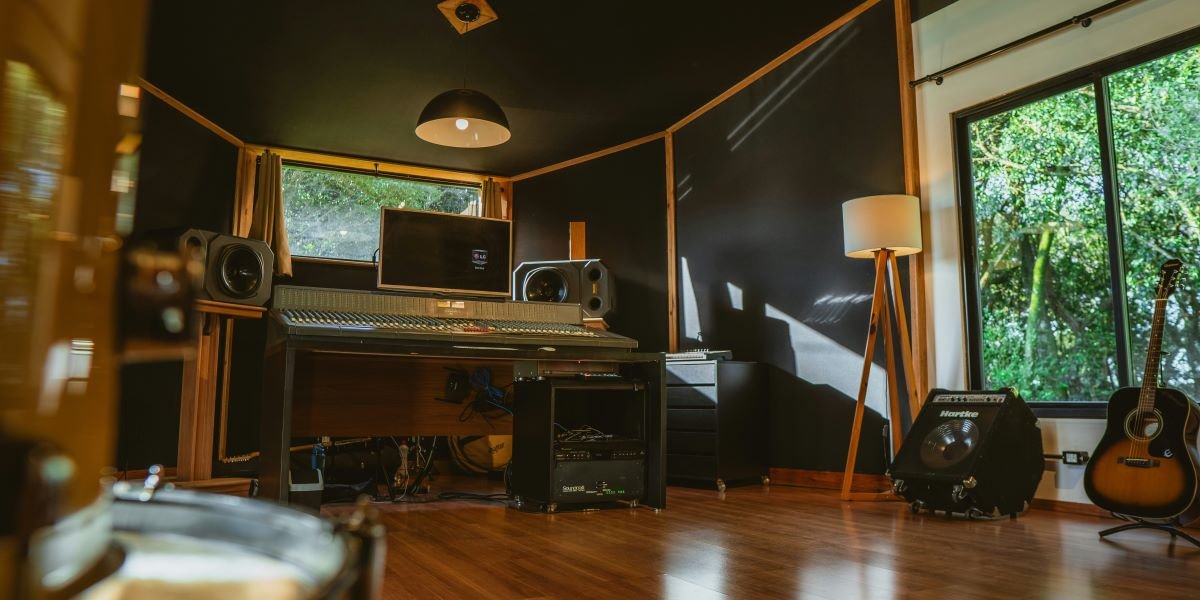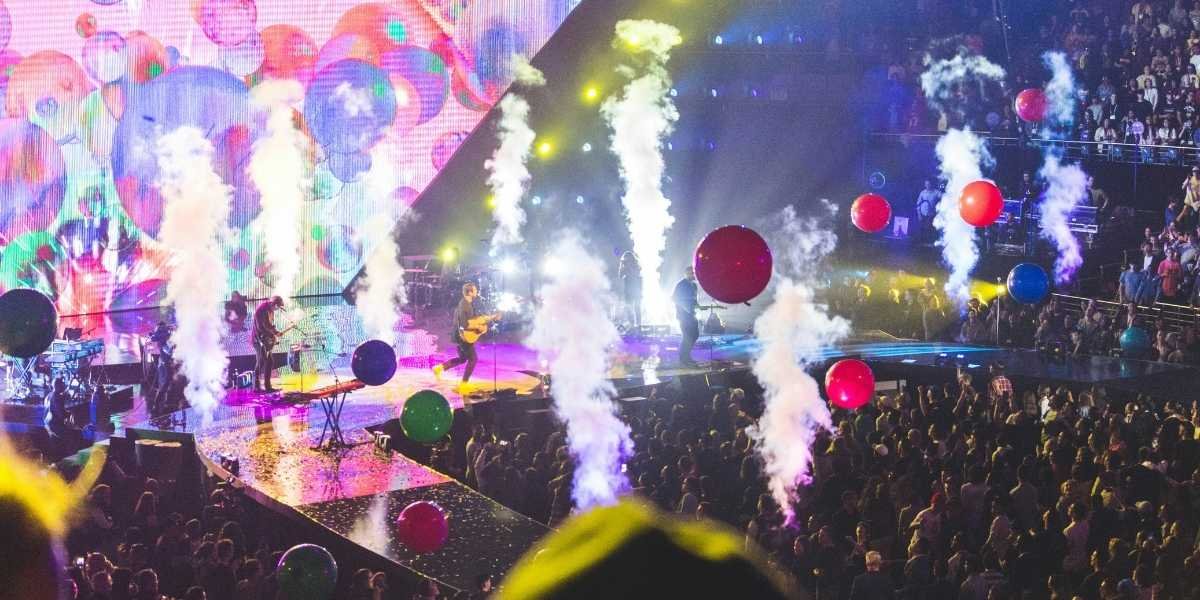
In music event planning, the venue isn’t just a backdrop, it’s the co-star. Whether it’s a 200-cap club or a 20,000-seat arena, the space you choose sets the tone, dictates the logistics, and shapes how the audience connects with the performance. It’s not just about capacity or acoustics. It’s about energy, identity, and execution.
Artists, promoters, and production teams know this instinctively. A mismatched venue can flatten even the most electric set. But when the space aligns with the sound, the crowd, and the story being told, something bigger happens, the event becomes a moment.
The Venue as a Creative Partner
Every music event starts with a vision. Maybe it’s an intimate acoustic set, a genre-blending festival, or a high-concept album release. That vision needs a space that can hold it, physically, emotionally, and technically.
In event planning, venue selection is often the first major decision. It influences everything that follows: stage design, lighting, ticket pricing, even the setlist. A warehouse in Bushwick offers a different kind of intimacy than a velvet-draped theater in Nashville. The venue becomes part of the narrative.
That’s why some artists and producers treat venues like collaborators. They scout for spaces that reflect the mood they’re trying to create. A stripped-down R&B showcase might thrive in a candlelit lounge, while a hyperpop rave demands LED walls and a ceiling that can handle the bass.
Logistics That Make or Break the Night
Beyond aesthetics, venue choice is a logistical linchpin. Load-in access, power capacity, green room space, and sound ordinances all affect how smoothly an event runs. A venue might look perfect on Instagram, but if the stage can’t support a full band or the neighborhood enforces a 10 p.m. curfew, the experience suffers.
Event planning teams often build timelines around venue specs. Load-in windows, sound checks, and changeovers are all dictated by what the space allows. A venue with built-in rigging and in-house tech staff can save hours, and thousands of dollars, compared to a raw space that needs everything brought in.
Then there’s the audience experience. Parking, public transit access, ADA compliance, and restroom capacity all factor into how guests feel from the moment they arrive. These aren’t glamorous details, but they’re the ones people remember, especially when they go wrong.
Audience Energy Starts with the Room
The best music events don’t just sound good, they feel good. And that feeling is often shaped by how the audience fits into the space. A half-empty ballroom can kill momentum, while a packed basement show can feel electric even with a modest crowd.
That’s why capacity matching is a core part of event planning. Booking a venue that’s too big can make a show feel underwhelming, even if ticket sales are solid. Going too small can create access issues and safety concerns. The sweet spot is a venue that feels full, but not cramped, energized, but not chaotic.
Layout matters too. Standing room versus seated, balcony sightlines, bar placement, all of it affects how people move, engage, and respond. Some venues are built for passive listening. Others are designed for movement, dancing, and crowd interaction. Knowing the difference is key.
Brand Alignment and Audience Expectations
In the music world, venue choice is also a branding decision. Artists and promoters send a message with every booking. A rising indie act playing a dive bar signals grit and authenticity. That same act at a high-end supper club might confuse fans or dilute the vibe.
This is especially true for genre-specific events. A techno night in a carpeted banquet hall feels off. A jazz trio in a concrete warehouse might struggle with acoustics. The best event planning teams understand how venue aesthetics align with audience expectations, and how to subvert them when it serves the story.
Some producers are even rethinking traditional venues altogether. Rooftops, galleries, and converted industrial spaces are being used to create immersive experiences that go beyond the stage. These setups often require more planning, but they offer something rare: a sense of discovery.
Emotional Impact and Guest Experience
At the end of the night, what people remember isn’t just the setlist, it’s how the event made them feel. And that feeling is shaped by dozens of small decisions, many of them tied to the venue.
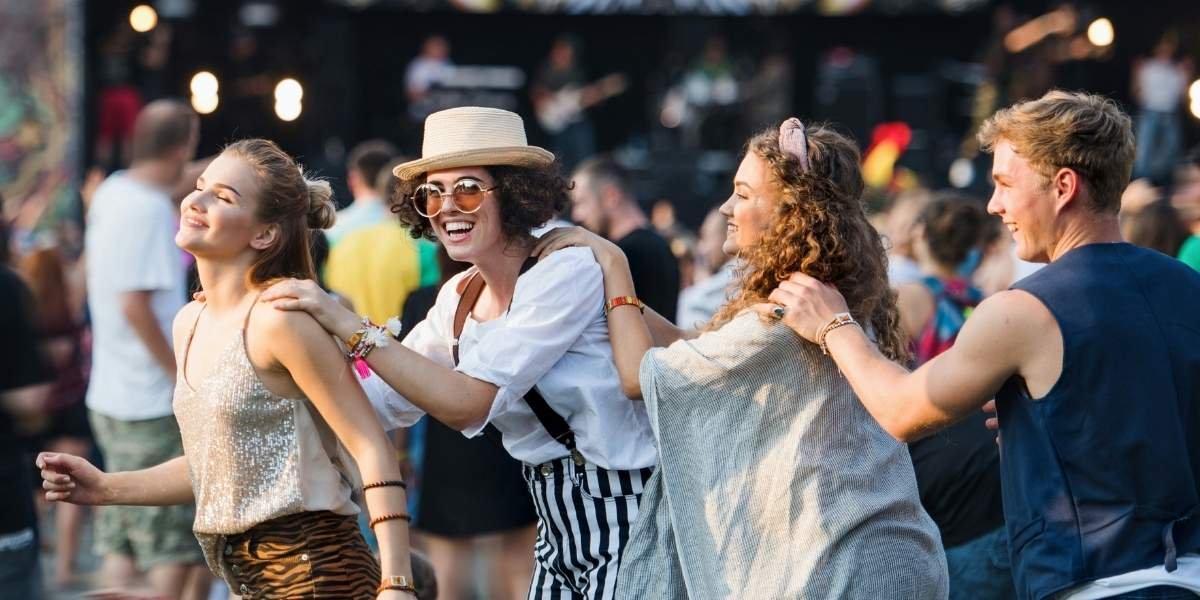
Photo Credit: Unsplash.com
Lighting, temperature, crowd flow, and acoustics all contribute to the emotional arc of the night. So does how welcome people feel when they walk in. That’s why some planners are investing in guest-first design strategies that prioritize comfort, accessibility, and vibe from the jump.
Even the way staff interact with guests can shift the energy. A venue with a seasoned crew that understands music culture can elevate the experience. One that treats the event like just another rental might miss the nuances that make a show memorable.
Venue Choice as a Strategic Lever
For artists and promoters, venue selection isn’t just a creative decision, it’s a strategic one. The right venue can boost ticket sales, attract media attention, and build momentum for future shows. It can also help shape an artist’s narrative, signaling growth, reinvention, or a return to roots.
Some producers are using venue choice to rethink how they engage audiences. That might mean booking smaller rooms for high-demand acts to create exclusivity, or choosing unconventional spaces to generate buzz. In a crowded market, these choices stand out.
Others are using venue partnerships to build long-term value. Residencies, co-branded events, and venue-curated lineups are becoming more common, especially in cities where competition for dates is fierce. These relationships can offer stability, creative freedom, and a built-in audience.