What Are Micro-Genres and Why Are They Gaining Popularity?
Micro-genres are increasingly capturing the attention of the music community, offering unique and specialized listening experiences. Unlike broad genres like rock or pop, micro-genres are highly specific, often blending elements from multiple music styles to create something entirely new. One such example is “drift phonk,” a hybrid of trap, hip-hop, and vaporwave. These niche genres are particularly gaining traction online, where music enthusiasts and creators can easily discover and share their favorite sounds.
The rise of micro-genres can be attributed to several factors. The internet and streaming platforms have democratized music production and distribution, allowing artists to experiment and release their work without the constraints of traditional music labels. This freedom has led to the emergence of unique and innovative sounds that might not have fit into conventional genre categories. Additionally, online communities and social media platforms play a crucial role in promoting these genres, with dedicated fan bases driving their popularity.
How Do Micro-Genres Provide a Unique Listening Experience?
Micro-genres like drift phonk offer listeners a distinctive experience that stands out from mainstream music. Drift phonk, for instance, combines the heavy bass and rhythmic patterns of trap music with the atmospheric and nostalgic elements of vaporwave. This blend creates a sound that is both familiar and fresh, appealing to listeners who crave something different from the usual chart-toppers.
The uniqueness of micro-genres lies in their ability to evoke specific moods and aesthetics. Vaporwave, with its slowed-down samples and retro-futuristic visuals, often evokes a sense of nostalgia for the early internet era and 80s culture. Drift phonk adds to this by incorporating the energetic beats of hip-hop, creating a sound that is both relaxing and invigorating. This kind of music often resonates deeply with listeners, offering a personalized and immersive experience that broader genres might not provide.
Moreover, the niche nature of micro-genres fosters a sense of community among fans. Online forums, social media groups, and dedicated streaming playlists create spaces where enthusiasts can share their favorite tracks, discuss trends, and support emerging artists. This communal aspect enhances the listening experience, making it more interactive and engaging.
How Are Micro-Genres Becoming More Mainstream?
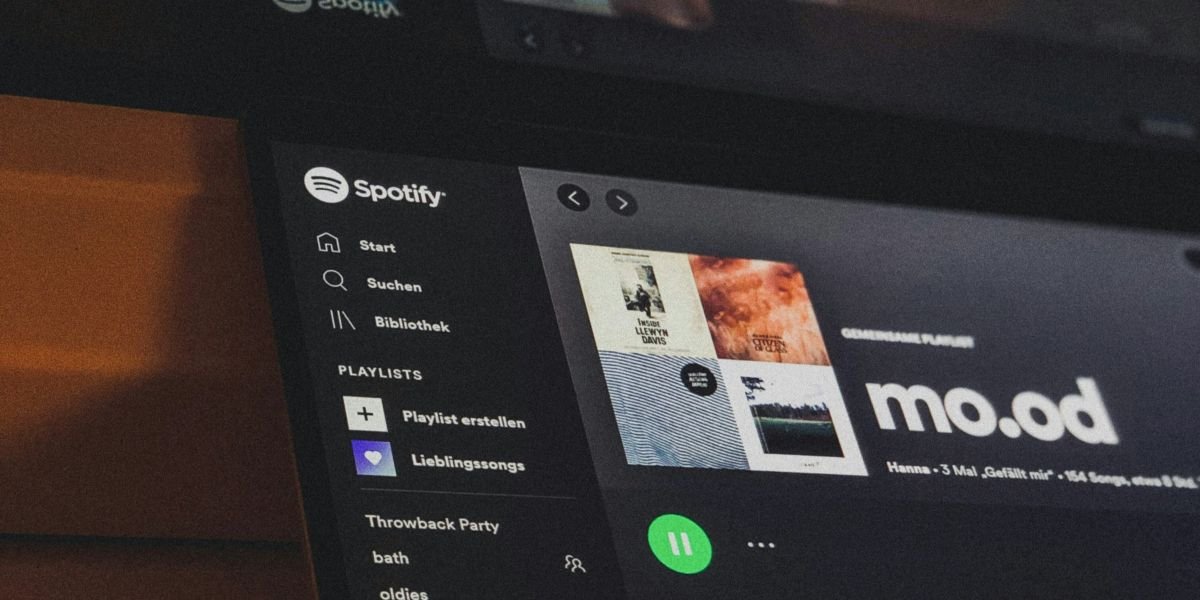
The journey of micro-genres from niche to mainstream is facilitated by several key factors. Streaming platforms like Spotify, SoundCloud, and YouTube play a significant role in this transition. These platforms use algorithms to recommend music based on listeners’ preferences, often introducing users to micro-genres they might not have discovered otherwise. As more people encounter and enjoy these unique sounds, the demand for micro-genre music increases, pushing it into the mainstream.
Social media platforms also contribute to the rise of micro-genres. TikTok, in particular, has become a powerful tool for music discovery. Short, catchy clips set to unique music tracks often go viral, introducing millions to new genres in the process. For example, a viral TikTok trend featuring a drift phonk track can lead to a surge in streams and downloads, propelling the genre into the spotlight.
Influential music blogs, podcasts, and YouTube channels dedicated to exploring new music trends further amplify the reach of micro-genres. These platforms often highlight innovative artists and sounds, bringing them to the attention of a wider audience. Collaborations between mainstream artists and micro-genre creators can also boost visibility, merging different fan bases and introducing new sounds to established audiences.
The rise of micro-genres is reshaping the music landscape, offering unique and specialized listening experiences that resonate deeply with audiences. Driven by the democratization of music production, the power of online communities, and the reach of social media and streaming platforms, micro-genres like drift phonk are moving from niche interest to mainstream recognition. As the music industry continues to evolve, these innovative genres are likely to play an increasingly prominent role, enriching the diversity and creativity of the global music scene.