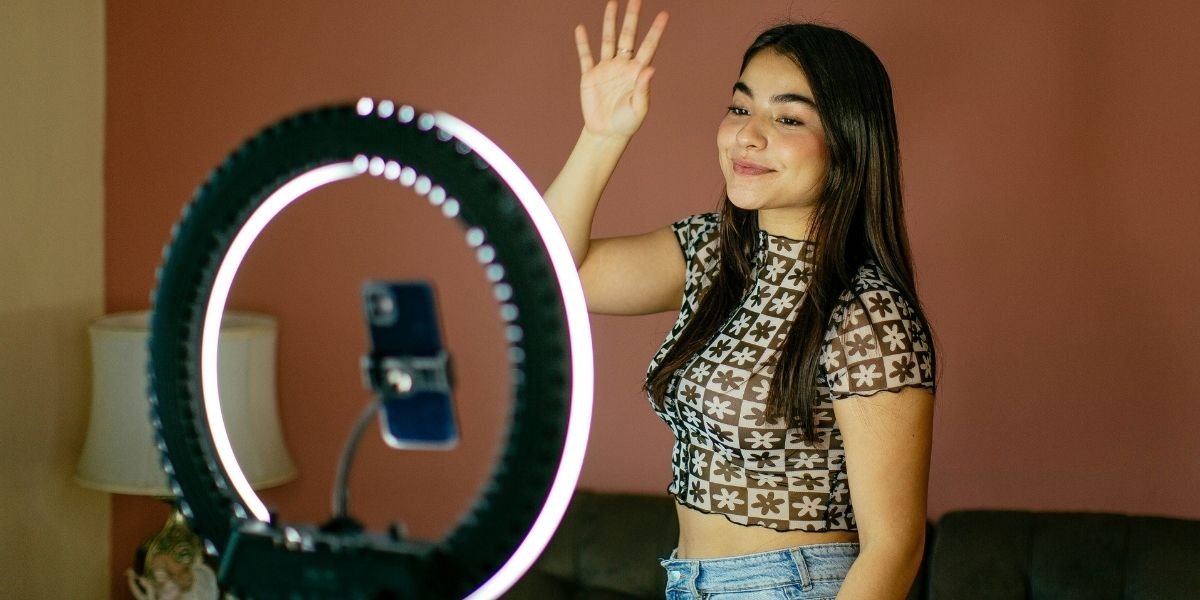
Micro-celebrities are everywhere, and they’re not waiting for Hollywood to validate them. These digital-first personalities are building loyal fanbases through TikTok, YouTube, Instagram, and Twitch, often without traditional media backing. Their fame isn’t measured by red carpet appearances or blockbuster deals, it’s built on engagement, relatability, and niche cultural capital.
Unlike mainstream celebrities, micro-celebrities thrive in specific communities. A beauty creator with 300K followers may have more influence over Gen Z skincare trends than a global pop star. A bedroom producer on SoundCloud might shape the sonic aesthetic of an entire subgenre. Their power lies in precision, not reach.
This shift is part of a broader redefinition of fame. As covered in Music Observer’s look at pop culture’s evolving celebrity influence, audiences now value authenticity over polish. Micro-celebrities deliver that in spades, sharing unfiltered content, behind-the-scenes moments, and direct fan interaction that traditional stars rarely offer.
How Micro-Celebrities Build Influence
Micro-celebrities build influence by crafting highly intentional digital identities. Their content isn’t random, it’s curated to reflect a specific aesthetic, lifestyle, or worldview that resonates deeply with their niche audience. Whether it’s a bedroom pop artist sharing lo-fi production tips or a fashion-forward DJ posting thrifted outfit breakdowns, every post contributes to a larger narrative. This storytelling approach creates a sense of intimacy and authenticity that traditional celebrities often lack. Followers feel like they’re part of the journey, not just spectators of a polished brand.
Engagement is the currency of micro-celebrity success. These creators don’t just broadcast, they interact. They reply to comments, repost fan art, host livestreams, and invite followers into their creative process. The result is a community, not just a fanbase. This two-way relationship drives loyalty and boosts algorithmic visibility. When a micro-celebrity drops a new track or launches a merch line, their audience shows up, not because of hype, but because of connection. That’s why they often outperform larger influencers in brand partnerships and music promotion.
Fashion plays a major role in how micro-celebrities shape influence. From streetwear stylists to vintage curators, these creators are driving trends from the ground up. Their looks appear in music videos, tour wardrobes, and fan edits long before mainstream brands catch on. As explored in Music Observer’s piece on celebrity style and fashion impact, micro-celebrities are redefining what it means to be a tastemaker. Their influence is rooted in originality, not access, and that makes it stick.
Photo Credit: Unsplash.com
Micro-celebrities also understand the power of platform fluency. They tailor content to fit the vibe of each space, short-form chaos on TikTok, aspirational visuals on Instagram, long-form depth on YouTube. This adaptability allows them to reach different segments of their audience without diluting their brand. It also positions them as multi-channel strategists, not just content creators. Their ability to navigate shifting algorithms, trends, and formats is part of what makes their influence so durable, and so disruptive to the old-school fame model.
Music and Micro-Celebrity Culture Collide
Micro-celebrities are increasingly central to music discovery. TikTok creators like PinkPantheress and Ice Spice didn’t just go viral, they built entire careers off niche momentum. Their rise shows how micro-celebrity status can translate into streaming success, label deals, and cultural relevance.
Producers, dancers, and remix artists also fall into this category. A choreographer with 100K followers can make a track trend globally by posting a single dance challenge. A lo-fi beatmaker on YouTube can rack up millions of plays without ever leaving their bedroom. These creators aren’t background, they’re part of the music ecosystem.
Even legacy artists are tapping into micro-celebrity culture. Collaborations with niche influencers, fan-led remix contests, and behind-the-scenes content drops are now standard strategy. The goal? Tap into the intimacy and credibility that micro-celebrities offer.
The Business of Niche Fame
Micro-celebrities are building empires, one niche at a time. Many monetize through Patreon, Substack, affiliate links, and merch drops. Others launch podcasts, write books, or start indie labels. Their business model is lean, direct, and community-driven.
Brands are paying attention. Instead of chasing celebrity endorsements, they’re investing in micro-celebrities who speak directly to target demographics. A wellness brand might partner with a yoga TikToker. A sneaker company might sponsor a streetwear YouTuber. The ROI is often higher, because the connection is real.
Music marketing is evolving in parallel. Labels now scout micro-celebrities for playlist curation, fan activation, and content strategy. A niche fashion influencer might premiere a new single through a styling reel. A gaming streamer might debut a track during a live session. The lines between creator, promoter, and artist are blurring.
Cultural Impact Beyond the Algorithm
Micro-celebrities aren’t just shaping trends, they’re shaping values. Their content often reflects identity, activism, and lived experience. Whether it’s a queer artist sharing their coming-out journey or a neurodivergent creator explaining their daily routine, the impact goes beyond entertainment.
This cultural relevance is why micro-celebrities matter. They reflect the diversity, nuance, and complexity of modern audiences. They challenge the gatekeeping of traditional fame and offer new pathways for visibility and success.
Their influence is also global. Creators from Manila, Lagos, Berlin, and São Paulo are building niche fame that transcends borders. Language barriers are breaking down through visuals, music, and shared aesthetics. Micro-celebrities are proving that fame doesn’t need a passport, it needs connection.