By: Shawn Mars
Through her expressive interpretation of Puccini and her dedication to vocal education, the soprano connects classical music with a new generation of singers.
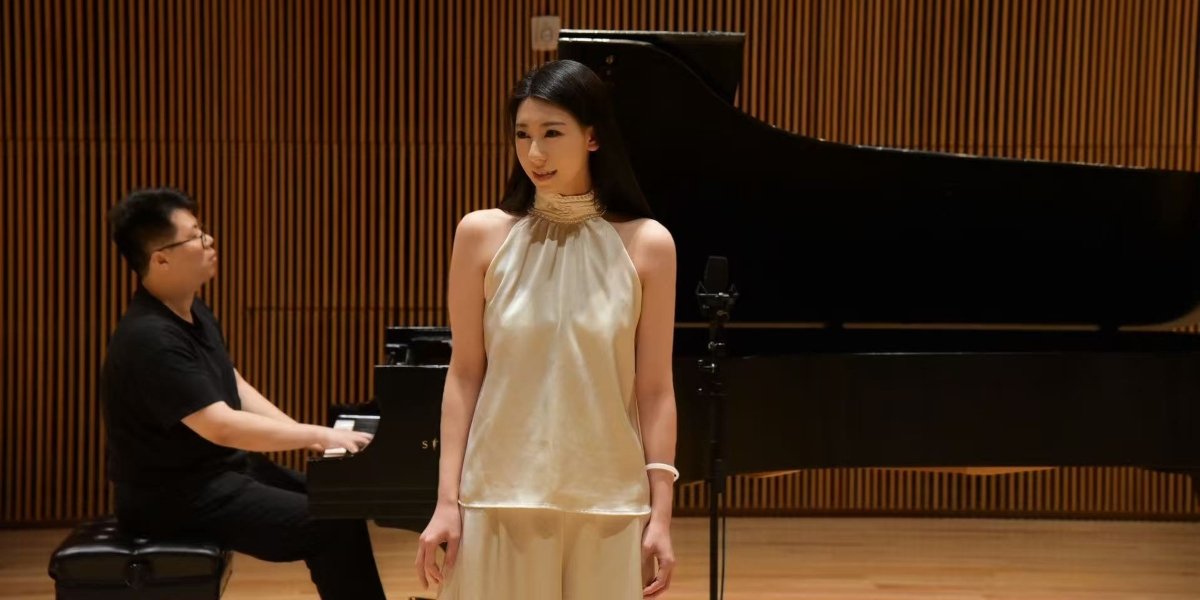
NEW YORK. Soprano and vocal educator Yixuan Li delivered the closing performance at Music Pathway & L&M’s 2026 Mid-Year Student Recital on August 1, 2026, presenting Giacomo Puccini’s celebrated aria “O mio babbino caro” from Gianni Schicchi. Held at Mary Flagler Cary Hall at The DiMenna Center for Classical Music in New York City, the event brought together students, instructors, and families for an evening of musical performance. As both a professional soprano and a voice instructor at Music Pathway, Li played a distinctive role in the program. Her appearance as the final performer connected the artistry of operatic singing with the musical training taking place in the teaching studio.
Presented jointly by Music Pathway and L&M, the recital offered students an opportunity to share their progress before a live audience. Li’s concluding performance brought a professional operatic perspective to the evening, highlighting the connection between vocal technique, musical interpretation, and artistic expression.
An Operatic Finale: Li’s Interpretation of Puccini
For the finale, Li selected “O mio babbino caro,” one of Puccini’s most beloved soprano arias. In Gianni Schicchi, Lauretta sings the aria as an emotional appeal to her father, blending tenderness, longing, and youthful determination. Li approached the aria with a lyrical sensitivity that emphasized both its melodic beauty and dramatic intimacy. Her warm, clear soprano tone carried the sustained phrases with a sense of continuity, while subtle changes in vocal color helped convey the character’s shifting emotions. Rather than relying on dramatic excess, her interpretation allowed the music’s natural simplicity and emotional sincerity to shape the performance.
Particular attention was given to the aria’s expressive phrasing. The opening lines unfolded with tenderness, gradually developing a stronger sense of urgency as Lauretta’s plea intensified. Through controlled breath, flowing legato, and carefully shaped melodic lines, Li brought together technical refinement and emotional storytelling. Her performance demonstrated how vocal technique can serve dramatic expression, allowing the character’s emotions to emerge through the music. For students in attendance, it offered a direct example of how phrasing, diction, breath coordination, and musical intention work together in a complete operatic performance.
Connecting the Stage and the Next Generation
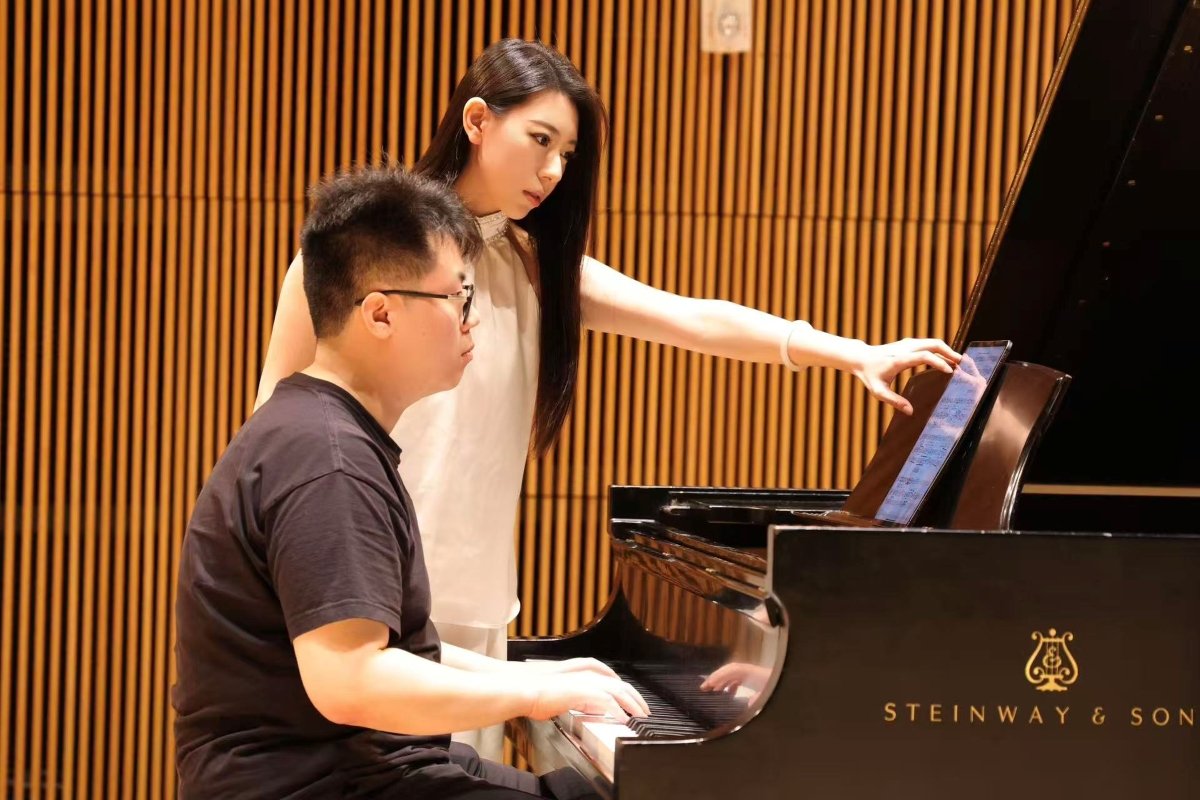
Beyond her appearance as a performer, Li’s participation reflected her commitment to vocal education and the development of emerging singers. For students, preparing for a public recital requires more than mastering pitches and rhythms. It involves developing technical consistency, understanding musical meaning, and learning to communicate confidently with an audience. “Ultimately, I hope my students gain more than the ability to sing a song well,” Li explains. “I want them to truly understand their own voices, learn how to use them in a healthy and effective way, and develop the confidence to express themselves freely through music.”
This philosophy reflects her approach to vocal education, in which healthy technique and artistic individuality develop together. Through her continued work as both a performer and educator, Li brings practical stage experience into the classroom, helping students connect technical study with meaningful musical expression. The inclusion of Puccini’s aria also introduced younger audiences to classical vocal repertoire in a familiar and accessible setting. Hearing their instructor perform an operatic work allowed students to experience the expressive possibilities of the human voice beyond their regular lessons.
As the evening concluded, Li’s performance brought student achievement and professional vocal artistry together on the same stage. Her dual role as a soprano and educator reflected an ongoing commitment to both artistic performance and the cultivation of a new generation of singers.