The streaming era didn’t just disrupt how fans consume music, it rewired the entire power structure of the industry. Record labels, once the ultimate gatekeepers of who got heard and who didn’t, now operate in a landscape where anyone with a laptop and a TikTok account can build a global audience.
That democratization is thrilling for independent artists but deeply challenging for traditional record labels. The old model, sign, develop, distribute, has been replaced by a fast-paced, algorithm-driven ecosystem where virality often trumps artist development. Labels are no longer the only path to success, and they know it.
Still, record labels haven’t vanished. They’ve evolved. Today, they’re part curator, part financier, part data analyst. They scout talent on social platforms, negotiate playlist placements, and build brand partnerships that go far beyond radio spins. But the competition is fierce, not just from other labels, but from creators who bypass them entirely.
Labels now operate in a hybrid space. They’re still signing artists, but they’re also partnering with influencers, licensing catalog tracks for social media campaigns, and investing in short-form content. The role of a label executive today includes understanding meme culture, tracking engagement metrics, and navigating creator economies.
Streaming Platforms Changed the Game, But Not Always in Favor of Labels
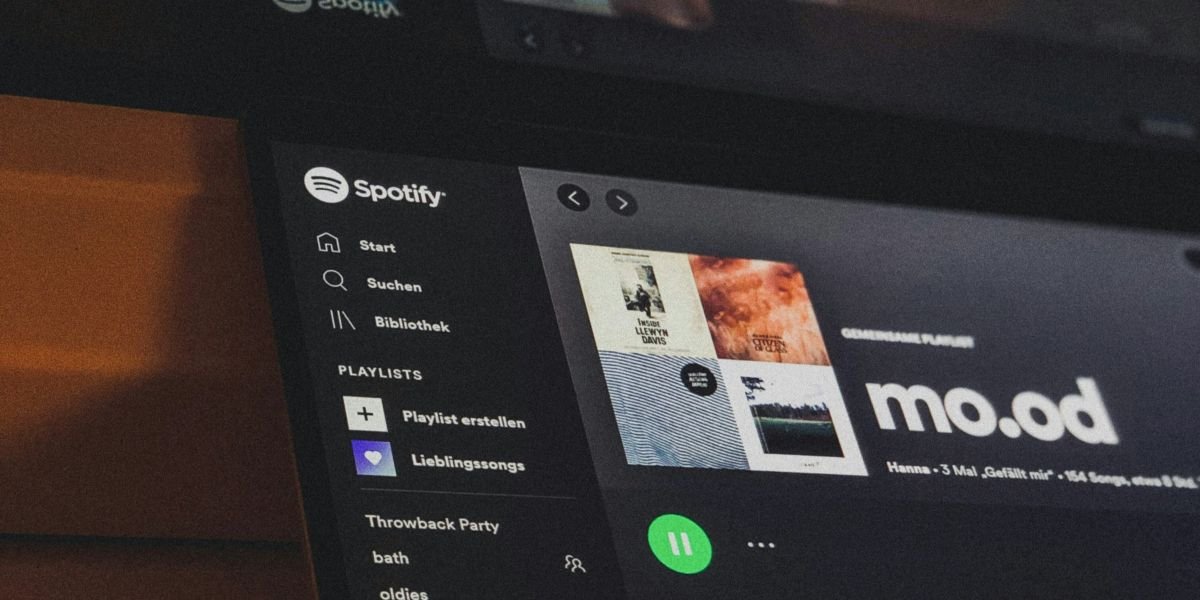
Streaming platforms like Spotify, Apple Music, and YouTube have become the primary stage for music discovery. That shift has created massive reach for artists and labels alike, but it’s also introduced new challenges around visibility, monetization, and control.
Record labels now compete for attention in a sea of endless content. Getting a song onto a major playlist can make or break a release, and labels often invest heavily in marketing to secure those coveted slots. But the algorithms don’t always play fair. A viral moment can come from anywhere, a dance trend, a meme, a sync placement, and labels are constantly chasing the next wave.
Revenue models have also shifted. Instead of selling albums, labels earn fractions of a cent per stream. That means catalog management, licensing, and sync deals have become critical revenue streams. Labels are leaning into legacy content, reissues, and remastered classics to stay profitable.
Some artists are choosing to go independent, citing better control and higher margins. But signing with a label still offers scale, infrastructure, and access to global networks. As noted in this guide on what to know before signing, artists must weigh the trade-offs carefully.
Labels are also navigating exclusivity battles. Some platforms push for exclusive content, while others prioritize open access. Labels must decide whether to play ball or push back, and those decisions can impact artist visibility and fan engagement.
Artist Development Is Still a Core Value, But It Looks Different Now
In the streaming age, artist development hasn’t disappeared, it’s just been redefined. Record labels still invest in talent, but the metrics have changed. Instead of relying solely on A&R instincts, labels now analyze engagement data, follower growth, and audience retention across platforms.
That doesn’t mean artistry is dead. Labels still nurture long-term careers, fund studio time, and connect artists with producers, songwriters, and stylists. But they also expect artists to come with a built-in audience and a clear brand identity. The days of discovering a raw talent and building from scratch are rarer, though not extinct.
Labels are also expanding their role beyond music. They’re helping artists launch fashion lines, podcasts, and branded content. The goal is to build multidimensional creators who can thrive across media. In this post-genre landscape, where artists blend styles and defy categorization, labels are learning to adapt. As explored in this piece on genre fusion and the future of music, the boundaries are blurring, and labels are evolving with them.
Artist development now includes social media coaching, content strategy, and audience analytics. Labels are hiring digital strategists alongside publicists and tour managers. They’re building teams that understand both the art and the algorithm.
Global Reach Is Easier Than Ever, But So Is Global Competition
Streaming has made it possible for artists to reach fans in every corner of the world. That’s a huge opportunity for record labels, especially those investing in international talent and cross-border collaborations. Latin music, K-pop, Afrobeats, these genres have exploded globally, and labels are racing to sign the next breakout stars.
But global reach also means global competition. A song released in Manila can compete with a track from Miami or Madrid in the same playlist. Labels must think globally when crafting campaigns, choosing release dates, and building partnerships. Localization, translation, and cultural fluency are now part of the marketing toolkit.

Photo Credit: Unsplash.com
Labels are also investing in regional offices, scouting talent in emerging markets, and building infrastructure to support artists outside the traditional U.S.–U.K. axis. The rise of multilingual releases, genre hybrids, and international fanbases is reshaping how labels operate, and who they prioritize.
Even legacy labels are adapting. They’re signing artists from TikTok, launching imprint labels focused on niche genres, and partnering with local distributors to tap into regional trends. The global music economy is no longer a future, it’s the present.
The Future of Record Labels Depends on Adaptability, Not Legacy
Record labels aren’t obsolete, but they’re no longer untouchable. In the streaming age, their success depends on adaptability, innovation, and a willingness to rethink everything from contracts to content strategy.
Some labels are experimenting with shorter deals, artist-friendly splits, and joint ventures. Others are building in-house content studios, launching podcasts, and partnering with gaming platforms. The goal is to stay relevant in a culture that moves fast and values authenticity.
Labels that thrive in this environment are the ones that listen, to artists, to fans, to data. They’re not just pushing music; they’re building communities, telling stories, and creating experiences. And while the challenges are real, declining margins, fierce competition, shifting algorithms, the opportunities are just as powerful.
Streaming didn’t kill record labels. It forced them to evolve. And in that evolution, there’s room for creativity, collaboration, and reinvention. The labels that embrace change, and center artist empowerment, will shape the next era of music.