Music trends aren’t just shifting what people listen to, they’re changing how music is made, shared, and experienced. Across genres and regions, artists are experimenting with new formats, blending cultural influences, and rethinking the role of live events. These changes aren’t happening in isolation. They’re reshaping the industry’s creative landscape in ways that feel both personal and global.
For artists trying to stay relevant, and for listeners navigating constant change, it’s easy to feel overwhelmed by the pace of innovation. But beneath the noise, certain patterns are emerging, ones that reflect deeper shifts in how music connects with people.
Live Events That Feel More Like Experiences
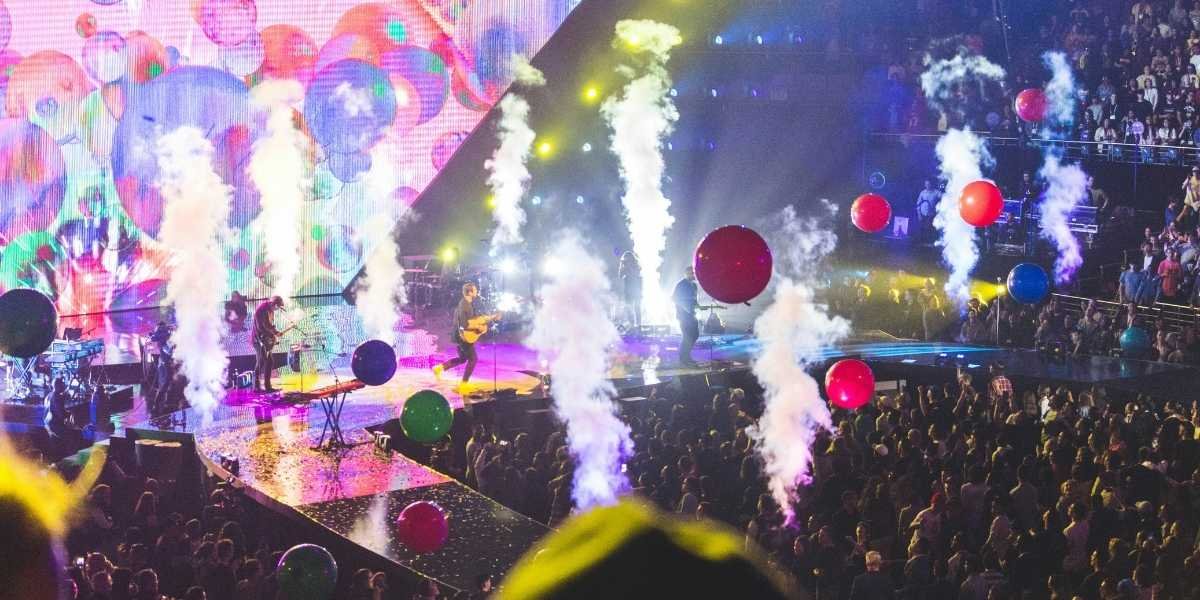
Concerts aren’t just about sound anymore. They’re becoming immersive, multi-sensory experiences that mix physical presence with digital interaction. Some artists are performing in pop-up venues with limited capacity, creating intimate shows where the audience feels like part of the performance. These spaces often feature minimal staging, close proximity, and stripped-down sets that highlight the music itself.
Others are leaning into technology. Virtual reality concerts allow fans to attend shows from home, with 360-degree views and interactive features. Augmented reality overlays add visual effects to live performances, turning a standard stage into a layered digital canvas. These tools aren’t just for spectacle, they’re changing how fans engage with music in real time.
Hybrid events are also gaining traction. Artists perform live for both in-person and online audiences simultaneously, using live chats, virtual applause, and even real-time voting to shape the setlist. This format expands reach while maintaining the energy of a live show. As noted in this exploration of live music trends, the goal is to make concerts more inclusive, more flexible, and more memorable.
Even outdoor festivals are evolving. Many now include eco-conscious setups, cashless transactions, and event-specific apps that guide attendees through the experience. These changes reflect a broader shift toward personalization and sustainability, without losing the communal spirit of live music.
Cultural Fusion That Expands Sound
One of the most powerful forces reshaping music is cultural blending. Artists are drawing from traditional sounds, regional instruments, and global rhythms to create new genres that defy categorization. This isn’t just about influence, it’s about collaboration.
A producer might layer West African percussion under electronic beats, or sample traditional Asian strings in a pop track. These combinations aren’t random, they’re intentional choices that reflect a growing openness to global inspiration. The result is music that feels fresh, layered, and emotionally rich.
Some of the most popular genres today, Afropop, reggaeton, K-pop, are built on this kind of fusion. They combine local traditions with global production styles, creating sounds that resonate across borders. As highlighted in this article on cultural blending, these trends are shaping how artists collaborate and how listeners discover new music.
Streaming platforms and social media have made it easier for artists to connect across continents. A singer in New York might collaborate with a beatmaker in Lagos, while a guitarist in São Paulo samples melodies from Seoul. These partnerships aren’t just creative, they’re strategic, helping artists reach new audiences and build global fanbases.
Technology That Fuels Experimentation
Music production is becoming more experimental, thanks to accessible digital tools. Artists can now record, mix, and distribute tracks from a laptop, using software that mimics analog gear or generates entirely new sounds. This democratization of production has opened the door for more voices, more styles, and more risk-taking.
Some artists are using AI-generated loops to build compositions, while others manipulate field recordings into ambient textures. These techniques aren’t replacing musicianship, they’re expanding it. The creative process becomes less about perfection and more about exploration.
Live looping, modular synthesis, and generative composition are also becoming more common. These methods allow artists to build songs in real time, reacting to audience energy or personal mood. It’s a shift from static performance to dynamic creation.
Even traditional instruments are being reimagined. Acoustic setups are paired with MIDI controllers, while vocal performances are layered with pitch-shifting and granular effects. These combinations create hybrid sounds that challenge genre boundaries and redefine what a “song” can be.
Audience Behavior That Shapes Direction
Listeners aren’t just passive consumers, they’re part of the creative process. Through comments, shares, and playlist curation, audiences influence what gets made and what gets noticed. Artists pay attention to this feedback, adjusting tone, format, or release strategy based on what resonates.
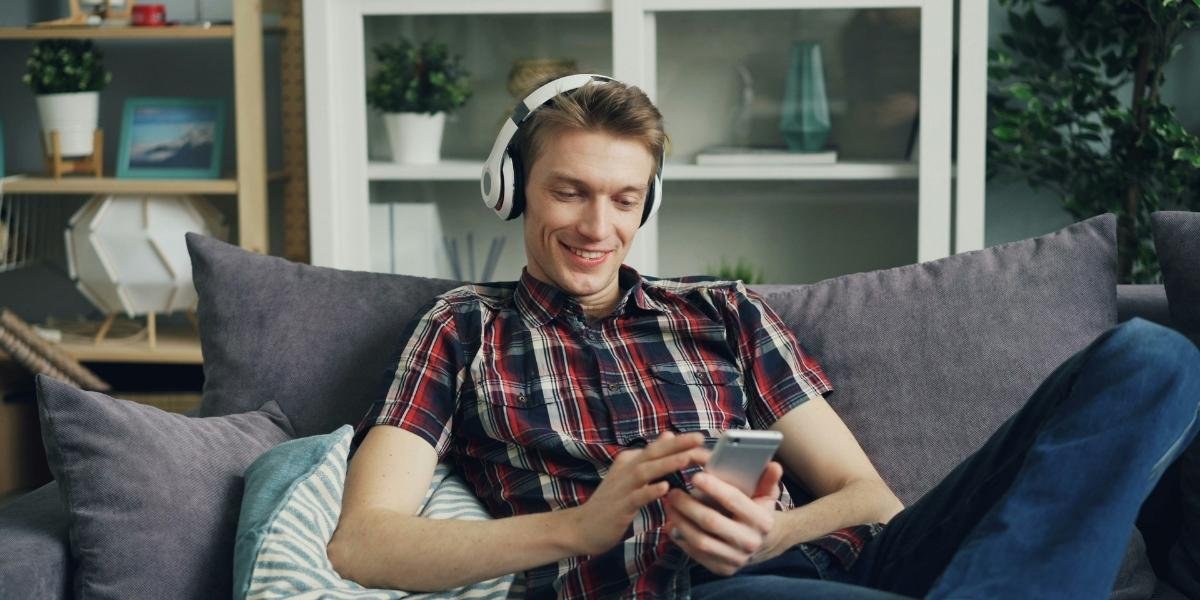
Photo Credit: Unsplash.com
Some artists test unreleased tracks through short clips, gauging reaction before finalizing the mix. Others use polls or live Q&A sessions to decide which songs make it onto an album. This kind of interaction makes music feel more collaborative, even if the audience isn’t in the studio.
Streaming data also plays a role. If a track performs well in a specific region, artists might tailor future releases to that market. If a remix gains traction, it might lead to a full collaboration. These decisions aren’t driven by guesswork, they’re shaped by real-time analytics.
This feedback loop is especially important for independent artists. Without major label backing, they rely on audience engagement to guide strategy. That means every comment, every repost, and every playlist add becomes part of the creative equation.
What These Trends Mean for the Industry
Music trends are reshaping the industry’s creative landscape by making it more fluid, more global, and more responsive. Artists aren’t confined to genre, geography, or format. They’re building careers through experimentation, collaboration, and direct connection with fans.
For listeners, this means more variety, more access, and more influence. The music they discover isn’t just curated, it’s shaped by their behavior. The artists they support aren’t just performers, they’re collaborators in a shared experience.
These shifts don’t mean the industry is losing structure. They mean it’s gaining flexibility. Labels, venues, and platforms are adapting to new models, while artists are finding ways to thrive outside traditional systems.
Music is still about emotion, rhythm, and storytelling. But the way it’s created, shared, and experienced is changing, and that change is being driven by trends that reflect the creativity, curiosity, and connection at the heart of the industry.