Music marketing tactics aren’t just for big-budget campaigns or major label rollouts. Independent artists rely on them every day to stay visible, connect with listeners, and build something sustainable. The challenge is that most indie artists don’t have a team handling strategy behind the scenes. They’re writing, recording, performing, and promoting, all at once. That’s a lot to juggle, and it’s easy to feel stuck or unsure about what’s actually working.
The truth is, music marketing doesn’t need to be complicated. It just needs to be consistent, thoughtful, and rooted in what makes the artist unique. Whether someone’s just starting out or trying to grow an existing audience, the basics of independent music promotion remain the same: make great music, share it with intention, and keep showing up.
Understanding the Role of Music Marketing Tactics
Music marketing tactics help indie artists shape how their work reaches people. It’s not just about posting a song and hoping it catches on. It’s about knowing where listeners spend their time, how they discover new music, and what makes them stick around. That could mean building a presence on streaming platforms, engaging with fans on social media, or finding creative ways to collaborate with other artists.
Some artists focus on visuals to support their sound, pairing their music with artwork or video that reflects their style. Others lean into storytelling, using captions, interviews, or behind-the-scenes clips to give listeners a sense of who they are. These tactics aren’t one-size-fits-all, but they do share a common goal: helping people connect with the music beyond just hearing it.
There’s also a growing interest in how music and visual art come together, using that connection to build a more immersive experience. Artists who understand how music and visual art come together often create releases that feel more personal and memorable, whether through album covers, live projections, or collaborative projects.
Why Indie Artist Marketing Needs to Be Intentional
Indie artist marketing works best when it’s intentional. That means thinking about what the music represents, who it’s for, and how it fits into the broader conversation. It’s not just about gaining followers or chasing trends. It’s about building something that lasts, even if it starts small.
One challenge many artists face is figuring out how to stand out without feeling like they’re constantly selling themselves. That’s a real concern, and it’s why authenticity matters. Listeners can tell when something feels forced or disconnected. Marketing doesn’t have to be flashy or loud, it just has to be honest.
Some artists find success by focusing on local scenes, performing at community events or collaborating with nearby creatives. Others look to niche audiences, sharing music with people who care deeply about a specific genre or style. These approaches might not lead to overnight fame, but they often build stronger connections and more loyal listeners.
There’s also value in understanding how music fits into other industries. Sound plays a major role in advertising, and some indie artists have found opportunities by licensing their work for campaigns. Those who understand how sound enhances brand identity and engagement often find new ways to connect with audiences while staying true to their creative voice.
Building Visibility Through Independent Music Promotion
Independent music promotion is about staying visible without relying on major platforms to do the work. That means creating a rhythm for sharing music, updates, and creative content. It doesn’t have to be constant, but it should be consistent enough that listeners know what to expect.
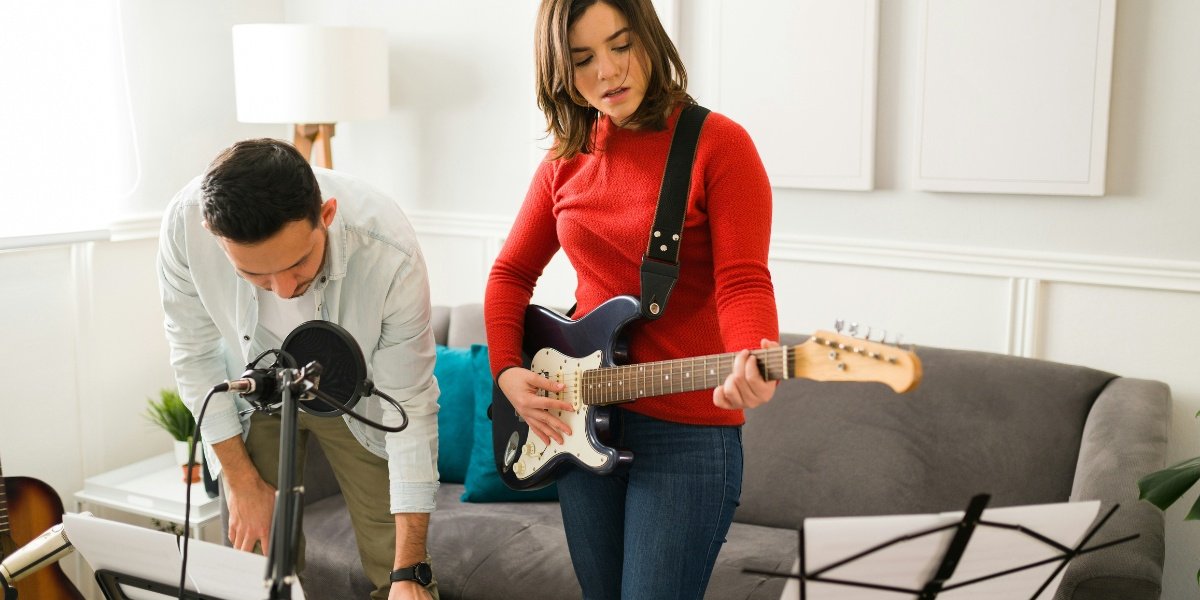
Photo Credit: Unsplash.com
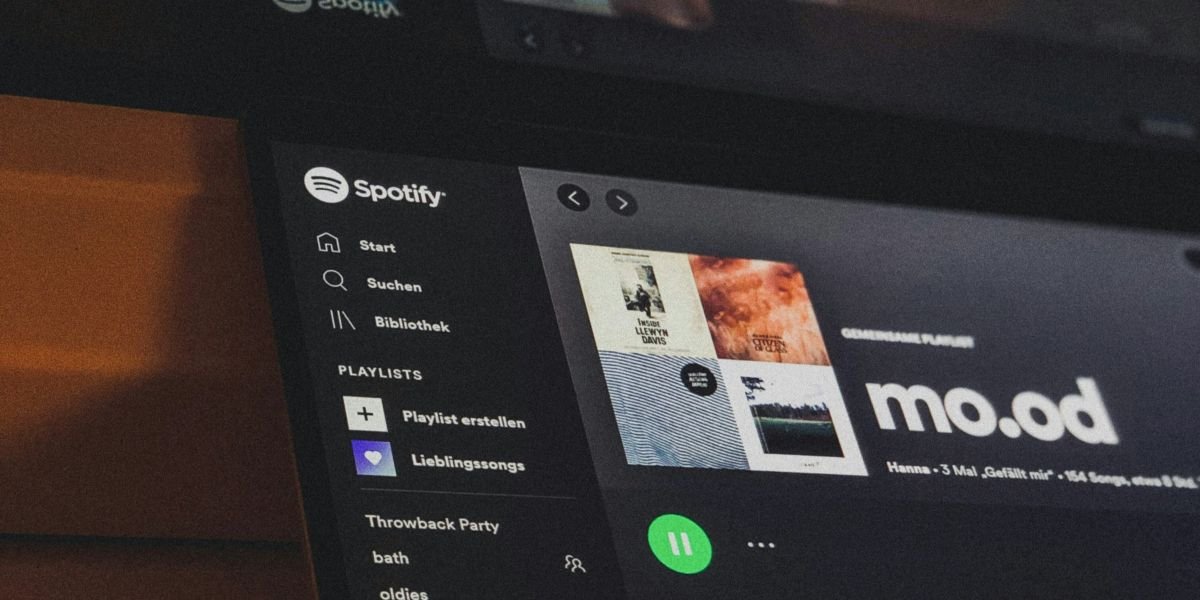
Some artists use short-form video to highlight new releases or share snippets of live performances. Others focus on playlists, submitting tracks to curators or building their own collections to showcase their influences. These tactics help keep the music in circulation, even between official releases.
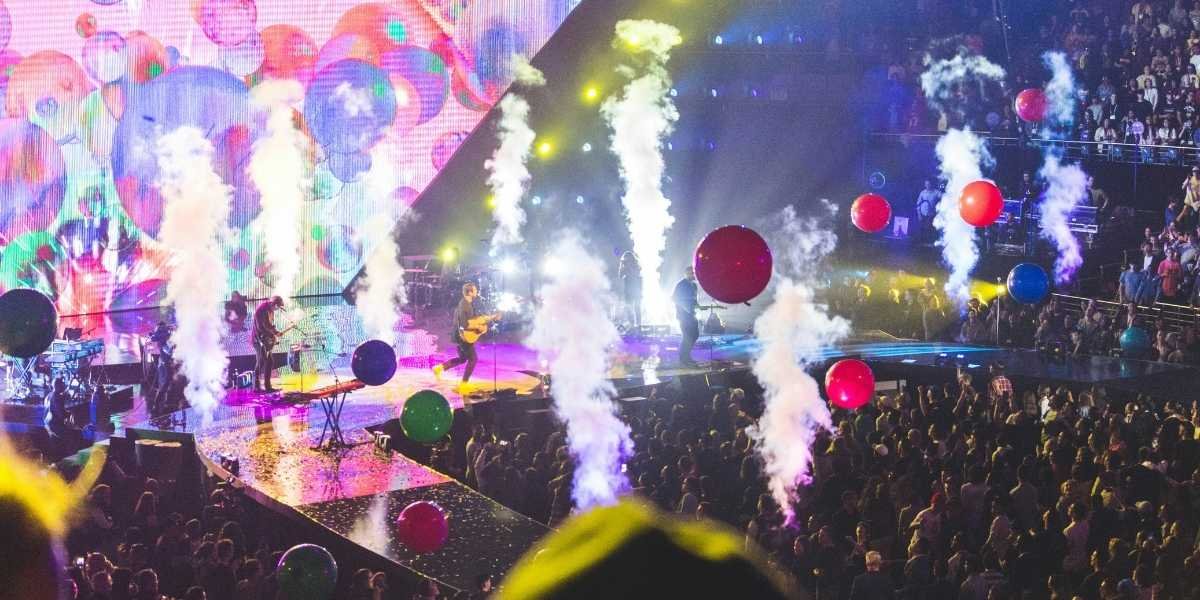
Live shows also play a role. Whether it’s a small venue or a virtual performance, being present and engaging with listeners helps build trust. It’s not just about playing the songs, it’s about creating a moment that people remember. That kind of connection often leads to word-of-mouth growth, which remains one of the most powerful tools in music marketing.
There’s also room for experimentation. Some artists try out new formats, like releasing music in chapters or pairing songs with written stories. Others explore interactive experiences, letting fans vote on setlists or remix tracks. These ideas don’t work for everyone, but they show how flexible independent music promotion can be.
Staying Grounded While Navigating Music Marketing Tactics
Music marketing tactics can feel overwhelming, especially for indie artists handling everything themselves. There’s pressure to be everywhere at once, to post constantly, and to keep up with changing algorithms. That pressure is real, and it’s okay to feel tired or unsure sometimes.
The key is to stay grounded. Not every tactic needs to be used, and not every platform needs to be mastered. What matters is finding a rhythm that fits the artist’s life and creative process. That might mean focusing on one channel, building a small but engaged audience, and growing from there.
It’s also helpful to set realistic goals. Instead of chasing viral moments, some artists aim for steady growth, meaningful feedback, or creative satisfaction. These goals might not look impressive on paper, but they often lead to longer careers and deeper connections.
Collaboration can help too. Working with other artists, producers, or visual creators can lighten the load and spark new ideas. It’s not about outsourcing everything, it’s about sharing the process and learning from others. That kind of support can make music marketing feel less like a chore and more like part of the creative journey.
Why Music Marketing Tactics Still Matter for Indie Artists
Music marketing tactics aren’t just tools, they’re part of how indie artists shape their careers. They help define the sound, the story, and the way listeners experience the music. That’s why they matter, even if they’re not always easy to manage.
For artists trying to find their footing, it’s normal to feel unsure about what works. There’s no perfect formula, and even seasoned musicians experiment with different approaches. What matters is staying curious, staying consistent, and staying connected to the music.
Whether it’s through visual collaborations, playlist strategies, or licensing opportunities, indie artist marketing continues to evolve. Some artists are even exploring how sound enhances brand identity and engagement, while others are building creative connections through music and visual art. It’s not about chasing trends, it’s about building something that reflects the artist’s voice and vision. And that’s what makes it worth the effort.