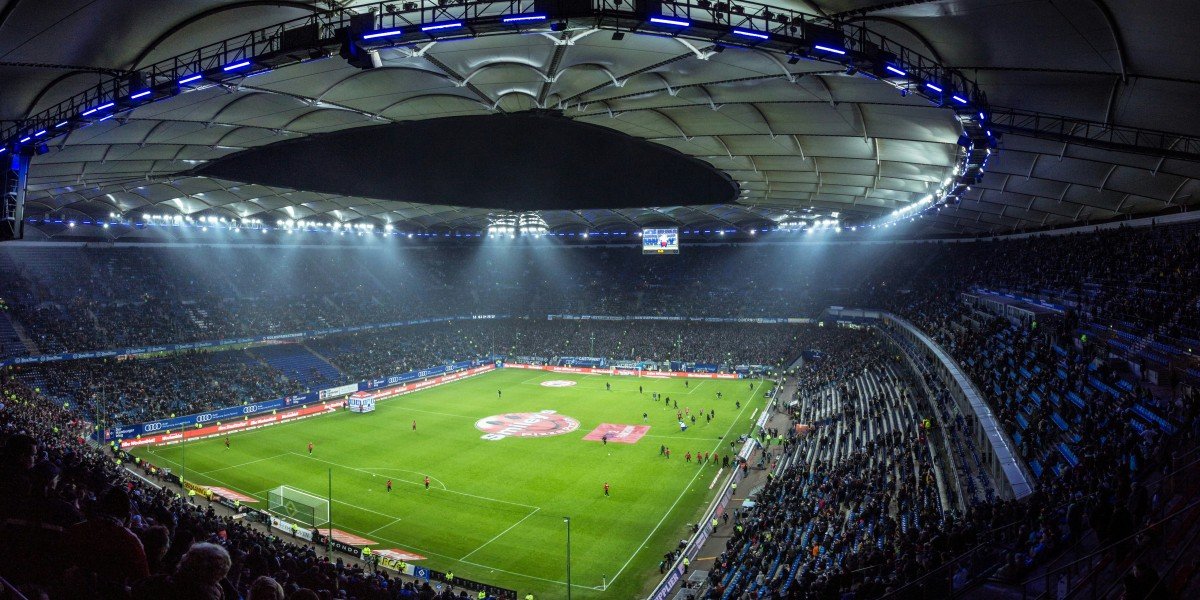
Mariah Carey is set to perform at the opening ceremony of the 2026 Winter Olympics in Milan, marking one of the most visible music moments tied to a global sports event in years. The ceremony takes place on February 6, 2026, at San Siro Stadium, a venue better known in the US for international soccer than pop performances. For American audiences, this matters because the Olympics remain one of the few live broadcasts that still pulls massive shared attention across age groups and platforms.
This appearance isn’t a surprise drop or a casual booking. Olympic organizers confirmed Carey as the first major international artist tied to the opening ceremony. That signals intent. Music is no longer background filler for these events. It’s part of the story being sold to broadcasters, sponsors, and viewers who may not even watch the competitions themselves.
Carey’s involvement also lands at a moment when legacy artists are being repositioned for cultural relevance beyond radio or touring. The Olympics give her something streaming platforms can’t replicate. One performance. One night. A guaranteed global audience.
What the Opening Ceremony Represents for Music
The Olympic opening ceremony isn’t a concert in the usual sense. It’s closer to a narrative broadcast built for television first and live attendees second. Every second is planned. Every visual and sound choice serves a theme. For Milan Cortina 2026, that theme is harmony, a word organizers have used repeatedly to describe how sport, culture, and music are meant to intersect.
For musicians, this kind of performance works differently from a tour stop. There’s no crowd chanting lyrics from start to finish. There’s choreography, camera direction, and a strict runtime. Artists chosen for this slot need instant recognition and an emotional range. Carey fits that mold in a way few others do.
Past ceremonies have shown how powerful this format can be. Celine Dion’s performance at the Atlanta Olympics still circulates decades later. Lady Gaga’s Super Bowl halftime show offers a similar lesson. These moments live on because they sit outside normal album cycles and chart debates.
Why Mariah Carey Fits the Olympic Audience
Mariah Carey’s catalog cuts across generations in a way that’s hard to fake. Many viewers know her from early 90s hits. Others associate her with holiday music that returns every year like clockwork. Younger listeners may know her through samples, viral clips, or streaming playlists rather than full albums.
That broad recognition matters for an event like the Olympics. Viewers tune in from the US, Europe, Asia, and beyond. The opening ceremony needs an artist who doesn’t require explanation. Carey’s voice alone does the work.
There’s also the emotional register she brings. Big vocals translate well on television. Soft acoustic sets don’t always survive stadium acoustics and broadcast compression. Carey’s style was built for this kind of scale, even for viewers watching on a phone or laptop.
The Business Strategy Behind the Performance
From an industry perspective, this booking is calculated. Olympic performances don’t pay like tours or residencies. The value sits in exposure and positioning. The opening ceremony reaches hundreds of millions of viewers across NBC, Peacock, and international broadcasters.
For Carey, that exposure reinforces her status as a global artist rather than a seasonal one. It also supports her broader catalog. Olympic performances often trigger streaming bumps across an artist’s entire body of work, not just the song performed.
For the Olympics, attaching a name like Carey helps modernize the broadcast. Younger audiences who may not follow winter sports still recognize her. That matters to advertisers and sponsors looking for cultural relevance.
How This Performance Will Be Produced
The ceremony’s creative direction is being handled by Balich Wonder Studio, a production company known for large scale international events. Their work focuses on visual storytelling built for broadcast. Music plays a central role in that structure.
Carey’s performance will likely be tightly choreographed and visually scripted. That doesn’t mean it will feel stiff. It means the performance is designed to land emotionally in under five minutes. Expect sweeping visuals, controlled lighting, and camera work that highlights her vocal performance rather than crowd interaction.
This approach differs from live award shows in the US, where spontaneity is part of the appeal. Olympic ceremonies prioritize clarity and symbolism over surprise moments.
Cultural Impact Beyond the Night Itself
One reason this story matters is what happens after the ceremony. Olympic performances tend to circulate as clips across social platforms for weeks. News outlets replay them. Music publications analyze them. Fans argue about song choices.
For Carey, that creates a renewed narrative thread. Instead of focusing on charts or holiday cycles, coverage shifts to legacy and cultural placement. That’s a different kind of relevance, one that lasts longer than a single release week.
There’s also the international angle. American artists often struggle to maintain consistent global visibility outside English speaking markets. The Olympics cut through that barrier. This performance places Carey in front of audiences that may not follow US pop culture closely.
How This Fits Into Carey’s Career Arc
Carey has spent the last decade carefully managing her public image. She’s selective about appearances. She avoids oversaturation. When she does show up, it’s usually tied to moments with built in attention.
The Olympics fit that strategy. There’s no album rollout pressure attached. No press tour required. One appearance delivers maximum impact without long term commitment.
This also aligns with how other legacy artists have extended their careers. Think of how Super Bowl performances reset public conversations around artists like Shakira or Jennifer Lopez. The Olympics offer a similar reset, with even broader international reach.
What US Audiences Should Expect on Broadcast Night
For viewers in the US, the opening ceremony will air during prime time coverage, with Carey’s performance positioned as a highlight. NBC has historically leaned into musical moments during Olympic broadcasts, often promoting them heavily in advance.
Expect pre show packages explaining Carey’s significance and her connection to the ceremony’s theme. Broadcasters know these moments keep casual viewers watching longer.
The performance itself will likely focus on one signature song or a shortened medley. Olympic rules limit runtime, so song choice will matter. Organizers tend to favor tracks that emphasize unity and emotion over deep cuts.
Why This Story Matters to Music Industry Readers
For music professionals, this announcement shows how global events still shape cultural hierarchy. Streaming numbers matter, but moments like this remind the industry that shared experiences still carry weight.
Artists don’t need to chase every platform when they can anchor themselves to moments that define eras. The Olympics remain one of those moments.
Mariah Carey headlining the 2026 Winter Olympics opening ceremony isn’t just a booking. It’s a signal about how music, legacy, and global media intersect when attention is scarce and cultural moments are carefully chosen.