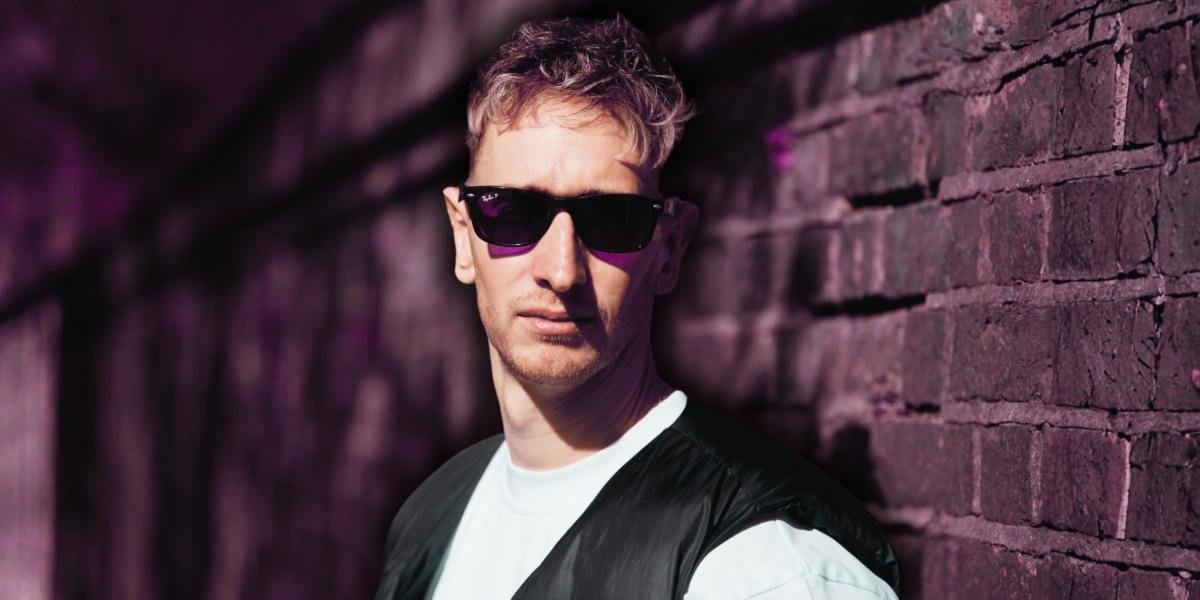
A stripped-down headlining set at Coachella 2026 put Justin Bieber back at the center of the conversation — not for spectacle, but for the deliberate absence of it.
A Long-Awaited Return to the Stage
On the night of April 11, 2026, Justin Bieber walked out onto the Coachella main stage at the Empire Polo Club in Indio, California — and immediately made clear he was not interested in meeting anyone’s expectations.
It had been nearly four years since Bieber last performed at scale. His 2022 Justice World Tour was cancelled midway through after he was diagnosed with Ramsay Hunt Syndrome, a viral condition that caused partial facial paralysis. In the years since, Bieber largely retreated from public life: he cut ties with longtime manager Scooter Braun, sold his music catalog for over $200 million, released two albums — Swag and Swag II — with almost no traditional promotion, and made only a handful of public appearances before returning to the Grammys stage in February 2026.
Coachella, then, was not just a festival booking. It was the first full-scale test of who Justin Bieber is in 2026, and the answer he gave was genuinely unexpected.
What Actually Happened on Stage
Bieber’s set opened with a focused run of material from Swag and Swag II, performed live with minimal production — just the artist, his voice, and a stage that swallowed him whole. There were no backup dancers, no elaborate lighting rigs, no costume changes. He brought out The Kid LAROI for “Stay,” Dijon for “Devotion,” Tems and Wizkid for “Essence” and “I Think You’re Special,” and Mk.gee to play guitar on “Daisies.” An acoustic mid-section drew heavily from his faith and family, including a shoutout to wife Hailey and their son Jack.
Then came the moment that broke the internet.
Bieber pulled out a MacBook, sat down at a desk on one of music’s largest stages, and opened YouTube. He searched for his own old music videos — “Baby,” “Never Say Never,” “Beauty and a Beat” — and sang along to them as they played on the screens behind him. He even dug back to 2007 and 2008 footage of himself as a teenager covering R&B songs by Ne-Yo and Chris Brown, harmonizing onstage with a 12-year-old version of himself.
According to Rolling Stone, the crowd at Coachella was among the largest ever assembled on the festival grounds — stretching back nearly to the ferris wheel.
The Backlash — and the Defense
The reaction online was immediate and polarized. Critics called it lazy, with one widely shared post on X reading: “He’s literally just playing music videos from YouTube… zero effort, just pure laziness.” Others pointed to the reported $10 million Bieber was paid to headline, making the contrast between fee and format a flashpoint for wider debates about double standards in how male and female pop artists are judged on stage. Dazed Digital noted that fellow headliner Sabrina Carpenter delivered meticulous choreography, four costume changes, and a parade of celebrity guests the night before — and that the contrast was “hard to ignore.”
Katy Perry, who attended the festival, posted a video on Instagram joking: “Thank God he has Premium. I don’t want to see no ads.”
But defenders were equally vocal. Fans described the YouTube section as a full-circle moment: Bieber was discovered on YouTube as a teenager, and returning to that footage in front of tens of thousands of people read as confrontation with his own origin story rather than a failure of preparation. “Simple and legendary,” one fan account wrote in Coachella’s own comments section.
The Catalog Sale Theory — Addressed
A widely circulated claim emerged in the hours after the performance: that Bieber played YouTube videos of his old hits because he no longer legally owned the rights to perform them. In 2023, he sold 290 songs — everything released before December 31, 2021 — to Hipgnosis Songs Capital (now Recognition Music Rights) for approximately $203 million.
Billboard addressed this directly, citing music industry insiders who confirmed the claim was inaccurate. Under U.S. copyright law, live performance requires only a public performance license, which venues typically hold through blanket agreements with ASCAP and BMI. The fact that Bieber performed around a dozen pre-2021 songs at Coachella — and that another band, Geese, played a cover of “Baby” at the same festival hours earlier — undercuts the restriction theory. The decision to use YouTube videos appears to have been a creative one, not a legal constraint.
What It Means for What Comes Next
NPR noted that Bieber also negotiated his Coachella deal himself, without an agent — a choice that signals a deliberate effort to shed the infrastructure of his child-star career and operate on his own terms. A source close to Bieber told Rolling Stone that the performance was “something he built entirely on his own,” and that it represents “a new era for Justin — one where he’s fully in the driver’s seat.”
Weekend 2 of Coachella takes place April 17–19, with Bieber returning to the main stage on April 18. Whether the second set differs from the first — or doubles down on the minimalism — will say as much about his intentions as anything he might say in an interview.
What is clear is that Bieber arrived at Coachella not to prove he could still deliver a traditional pop spectacle. He arrived to redefine, on a stage he negotiated himself, what a performance from Justin Bieber looks like in 2026.