Hip-hop isn’t just a genre, it’s a global movement. Born in the Bronx in the 1970s, it began as a raw, expressive outlet for marginalized communities. Today, it’s a cultural powerhouse that influences everything from fashion and language to politics and education. In 2025, hip-hop continues to evolve, disrupt, and dominate, proving that its impact is far deeper than beats and rhymes.
Whether it’s the rise of phonk, the dominance of trap, or the fusion of hip-hop with global sounds, the genre remains the most dynamic force in music. It’s not just shaping playlists, it’s shaping identity.
From the Streets to the Global Stage
Hip-hop’s journey from block parties to global stages is one of music’s most transformative arcs. What started with turntables, breakbeats, and graffiti has become a multibillion-dollar industry that spans continents and cultures.
The genre’s early pioneers, DJ Kool Herc, Grandmaster Flash, Run-D.M.C., laid the foundation for storytelling through rhythm. But hip-hop didn’t stay local. It spread through mixtapes, radio, and MTV, eventually becoming the dominant sound of youth culture worldwide.
As explored in why hip-hop and R&B still dominate global charts, hip-hop’s ability to absorb and remix influences keeps it fresh. It’s not afraid to experiment, blending with pop, electronic, Latin, and Afrobeat sounds to create new sonic landscapes.
Today, artists from Nigeria, South Korea, France, and Brazil are contributing to the genre’s evolution. Hip-hop is no longer American, it’s global. And its reach continues to expand.
Language, Fashion, and Identity
Hip-hop has always been a style engine. From baggy jeans and Timberlands to designer collaborations and streetwear empires, it’s shaped fashion for decades. But in 2025, it’s more than aesthetics, it’s identity.
Lyrics influence slang. Music videos dictate trends. Social media amplifies every look, every phrase, every drop. Hip-hop artists are cultural curators, and fans mirror their energy. The genre’s fashion influence is so strong it’s reshaping luxury branding, with labels like Louis Vuitton, Balenciaga, and Moncler tapping into hip-hop’s visual language.
As seen in how phonk is surging in popularity, even niche subgenres are influencing style. Phonk’s gritty, lo-fi aesthetic has sparked a wave of retro visuals, VHS filters, and underground fashion that’s bleeding into mainstream campaigns.
But it’s not just about what’s worn, it’s about what it means. Hip-hop fashion is political. It’s a statement of resistance, pride, and visibility. Whether it’s drill artists in London or trap stars in Atlanta, clothing becomes a canvas for cultural commentary.
Political Power and Social Commentary
Hip-hop has always been political. From Public Enemy’s “Fight the Power” to Kendrick Lamar’s Pulitzer-winning DAMN., the genre has served as a megaphone for protest, awareness, and change.
In 2025, that legacy continues. Hip-hop artists are speaking out on climate justice, racial equity, mental health, and economic disparity. They’re not just entertainers, they’re activists, educators, and community leaders.
The genre’s global reach means its messages resonate across borders. In Nigeria, hip-hop is used to challenge corruption. In South Korea, it’s a tool for youth expression. In France, it’s a soundtrack for urban resistance. Hip-hop is a decentralized movement with centralized impact.
Even in the U.S., hip-hop remains a barometer for social tension. Tracks like J. Cole’s “Snow on tha Bluff” or Noname’s “Song 33” reflect intra-community dialogue and accountability. The genre isn’t afraid to critique itself, and that’s part of its power.
Sonic Innovation and Subgenre Expansion
Hip-hop’s ability to spawn subgenres is unmatched. From boom bap and G-funk to trap, drill, and phonk, the genre constantly reinvents itself.
Phonk, in particular, has seen a massive resurgence. As covered in why phonk is surging in popularity, its lo-fi textures, Memphis samples, and underground ethos have captured Gen Z’s imagination. It’s nostalgic, gritty, and algorithm-friendly, perfect for TikTok virality and YouTube loops.
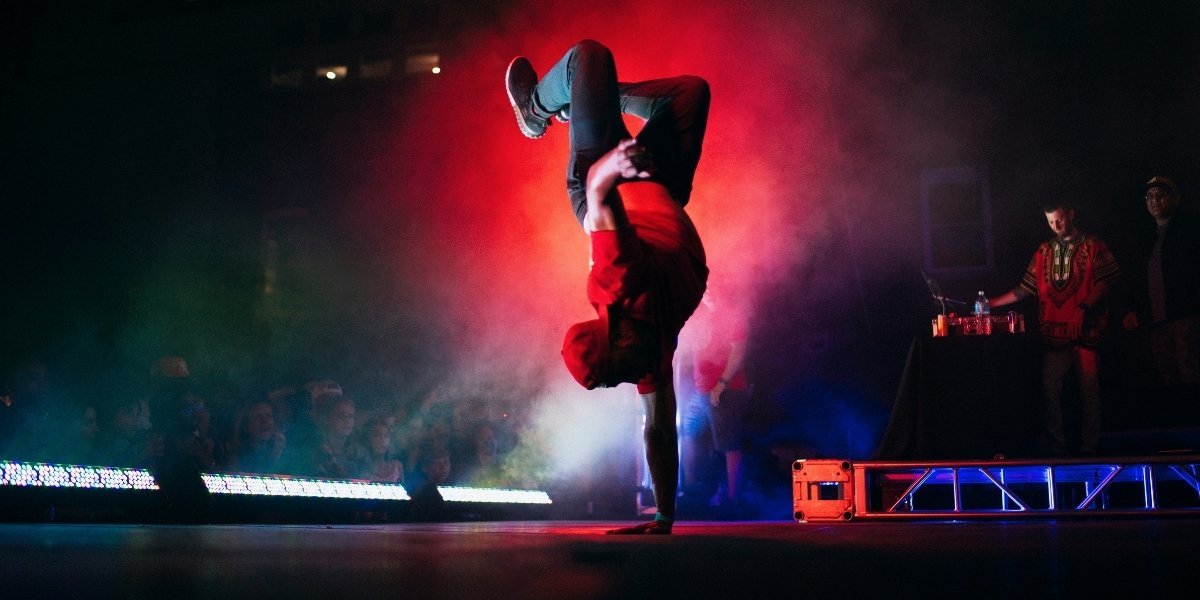
Photo Credit: Unsplash.com
Meanwhile, drill continues to evolve in cities like Chicago, London, and New York. Trap remains dominant in the South. And experimental hip-hop, blending jazz, ambient, and spoken word, is thriving in indie circles.
Producers are pushing sonic boundaries with analog gear, vocal layering, and unconventional sampling. Artists are incorporating live instrumentation, orchestral arrangements, and genre-bending collaborations. Hip-hop isn’t just a sound, it’s a laboratory.
Education, Empowerment, and Community Building
Hip-hop’s influence isn’t limited to entertainment, it’s reshaping education and community development. Schools across the U.S. and abroad are integrating hip-hop into curricula to teach history, poetry, and social justice. Programs like Hip-Hop Ed and Beats Rhymes & Life use the genre to engage students, build confidence, and foster critical thinking.
Community centers and youth organizations are using hip-hop workshops to teach production, lyric writing, and performance. These spaces empower young people to tell their stories, build skills, and connect with peers.
Hip-hop also plays a role in mental health advocacy. Artists are increasingly open about anxiety, depression, and trauma, breaking stigmas and encouraging dialogue. Lyrics become lifelines. Beats become therapy.
Globalization and Cultural Exchange
Hip-hop’s global expansion is one of its most exciting chapters. Artists from every continent are contributing to the genre’s evolution, bringing new dialects, rhythms, and perspectives.
In South Africa, hip-hop blends with kwaito and amapiano. In Japan, it fuses with anime aesthetics and jazz. In Colombia, it intersects with reggaeton and cumbia. Each region adds its own flavor, creating a mosaic of sound and meaning.
Collaborations between international artists are becoming more common. Language barriers are breaking down. Hip-hop is becoming a lingua franca for youth expression, activism, and creativity.
Festivals like Rolling Loud, Wireless, and Afro Nation are spotlighting global talent. Streaming platforms are amplifying voices that once struggled for visibility. The result? A genre that’s more inclusive, diverse, and borderless than ever.
The Future of Hip-Hop: Fluid, Fearless, and Unstoppable
Hip-hop’s future is fluid. It’s genreless, borderless, and unapologetically bold. Expect more fusion, more experimentation, and more global voices. Expect artists from unexpected places to rise, bringing new dialects, rhythms, and perspectives.
The genre’s ability to reflect and reshape culture is unmatched. It doesn’t just respond to trends, it creates them. And as long as there are stories to tell, beats to drop, and systems to challenge, hip-hop will remain the most revolutionary force in music.
In the end, hip-hop isn’t just surviving, it’s thriving. It’s the soundtrack of resistance, the blueprint for innovation, and the heartbeat of global youth culture. And its next chapter is already being written, one verse, one beat, one movement at a time.