Global music festivals aren’t just about massive crowds and headlining acts anymore. They’ve quietly become one of the most influential forces shaping how the music industry works, from artist discovery and audience behavior to cultural exchange and economic impact. For those trying to keep up with the constant shifts in music, it can feel like the ground is always moving. But understanding how these festivals operate offers a clearer view of where the industry’s headed.
Global Music Festivals Are Changing How Artists Break Through
One of the most noticeable shifts is how artists gain exposure. Global music festivals now act as launchpads for performers who might’ve stayed regional otherwise. Instead of relying solely on streaming platforms or radio play, artists are connecting directly with international audiences. That kind of visibility can lead to bookings across continents, cross-border collaborations, and fanbases that span languages and cultures.
It’s not just about playing a set, it’s about being seen by the right people. These festivals attract scouts, promoters, and producers who are constantly searching for fresh talent. An artist performing a midday slot in one country could end up touring overseas within months. That kind of leap used to take years. Now, it’s happening faster, and it’s changing how careers are built.
Audience Habits Are Evolving Through Global Music Festivals
Global music festivals are also reshaping how people listen. Attendees aren’t just sticking to one genre, they’re exploring new sounds, often without realizing it. Someone who came for electronic music might leave with a new appreciation for folk-pop or South Asian percussion. That kind of exposure is influencing listening habits in ways that algorithms alone can’t replicate.
This shift is pushing artists to experiment more. Sets often blend traditional instruments with digital production, or switch between languages mid-performance. Festival crowds are open to that kind of fusion, and it’s encouraging musicians to take creative risks. The result is a more diverse soundscape, one that reflects the global nature of these events.
Cultural Exchange Is Becoming Central to Music Industry Trends
Global music festivals aren’t just about music, they’re about culture. When artists from different countries share a stage, it creates moments of exchange that go beyond sound. These events often include food, fashion, and visual art from various regions, giving attendees a fuller experience of what each culture brings to the table.
This kind of cultural blending is influencing how music is marketed and consumed. Labels and promoters are paying closer attention to regional tastes, and artists are tailoring their releases to appeal to broader audiences. It’s not just about translating lyrics, it’s about understanding what resonates in different places. That’s becoming a key skill as the industry grows more global.
Some festivals have even become known for promoting cultural understanding. They’re not just entertainment, they’re platforms for dialogue, creativity, and shared experience. That’s a big shift from the days when festivals were mostly about partying. Now, they’re shaping how music connects people across borders.
Technology Is Amplifying the Reach of Global Music Festivals
The influence of global music festivals isn’t limited to those who attend in person. With digital access expanding, these events are reaching audiences who might never set foot on the grounds. Many festivals have adapted to the digital age through this shift to live streaming and virtual events, allowing fans to experience performances from anywhere. This format has made it easier for artists to build global followings, even if they’re not touring extensively.
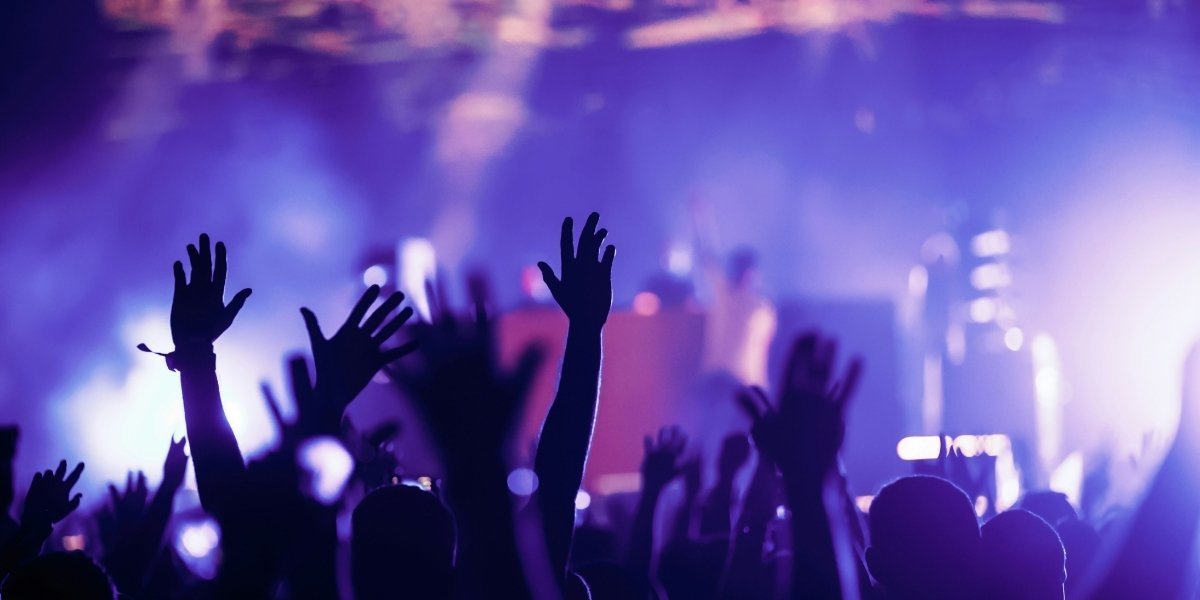
Photo Credit: Unsplash.com
This digital reach is changing how festivals are planned. Organizers are thinking about camera angles, online engagement, and how to make virtual attendees feel included. That’s creating new roles within the industry, from digital producers to remote audience managers. It’s a reminder that music isn’t just about sound anymore, it’s about experience.
For artists, this means more visibility and more pressure. A performance isn’t just for the crowd in front of the stage, it’s for viewers around the world. That’s influencing everything from set design to song selection. And for fans, it means more access, but also more noise to sort through. Finding something meaningful in the flood of content can be a challenge.
Global Music Festivals Are Impacting Local Economies and Cultures
While the spotlight is often on the performers, global music festivals also have a major effect on the places that host them. They bring in tourism, create jobs, and sometimes even shape local identity. Cities that host major festivals often see a boost in visibility, which can lead to more investment in arts and infrastructure. As noted in this look at how festivals impact local economies and cultures, the influence goes far beyond the music itself.
This impact can be positive, but it also requires careful planning. If not managed well, festivals can strain local resources or dilute cultural traditions. That’s why organizers are paying closer attention to sustainability, inclusivity, and community engagement. It’s not just about putting on a show, it’s about building something that works for everyone involved.
The music industry is watching these dynamics closely. There’s growing interest in how festivals can be more respectful of local customs, more supportive of regional artists, and more transparent about their impact. That’s leading to changes in how events are designed, from the vendors they include to the artists they book. It’s a sign that global music festivals aren’t just reshaping the industry, they’re reshaping how the industry interacts with the world.
Final Thoughts on How Global Music Festivals Are Reshaping the Industry
Global music festivals are doing more than filling fields with sound. They’re changing how artists grow, how fans listen, and how cultures connect. These shifts aren’t always easy to track, especially for those trying to keep up with everything happening in music. But they’re real, and they’re shaping the direction of the industry in ways that matter.
For anyone feeling overwhelmed by the pace of change, it helps to remember that music has always been about connection. Global festivals are just expanding that connection, making it more diverse, more accessible, and more reflective of the world’s many voices. That’s not something to fear, it’s something to understand.