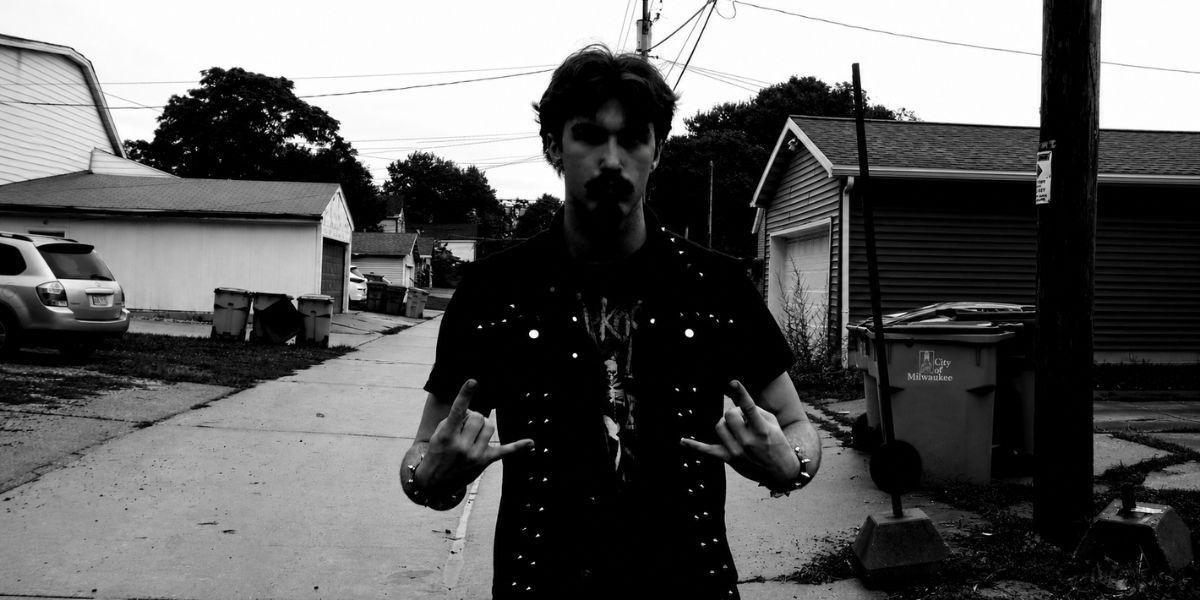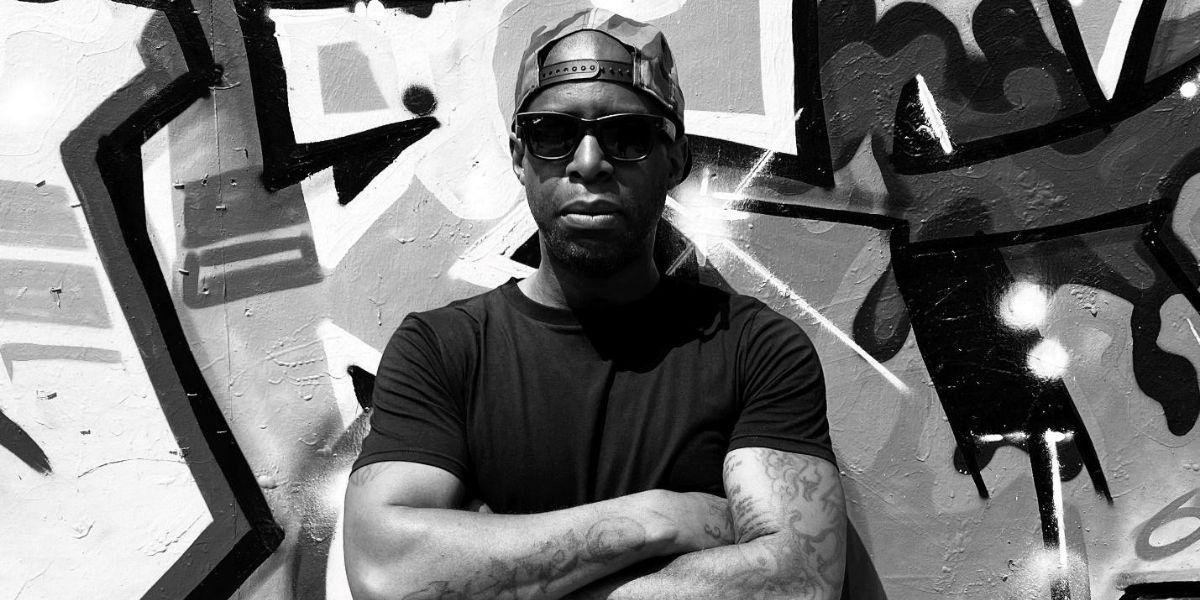
Every founder has a first arena. For Marquise Lightfoot, one of those arenas was music. Before he was known as a business leader, he was an artist putting work into the world and building an audience one release at a time.
That effort reached a real milestone in 2020, when his music charted on Billboard. Charting is a meaningful marker for any independent artist. It reflects reach, momentum, and an audience that responds to what you create. For Marquise, it placed him inside the very industry he would later help other artists navigate from the business side.
Music as More Than a Stepping Stone
It would be easy to treat the rapper chapter as a warm-up act for his real career, but that undersells it. The music years taught Marquise how the industry works from the inside. He learned how records get made, how they travel across platforms, and, most importantly, how artists actually get paid.
That last part matters more than most people realize. The gap between making great music and earning a stable living from it is where many talented artists get stuck. Marquise lived inside that gap. He saw firsthand how confusing and uneven the money side of music can be, and that experience stayed with him.
The Perspective Only an Artist Has
When Marquise later moved into finance, he did not arrive as an outsider looking in. He came in as someone who had released music, chased streams, and felt the pressure of turning creative work into income. That perspective is hard to fake, and it shaped how he treats the artists he works with today.
This is the bridge between his two lives. The same instincts that helped him connect with listeners now help him connect with artists as a business partner. Through RTHM Fund, the royalty finance firm he leads, he works to give creators access to capital while they keep ownership of their music. Artists can explore how that works at RTHM Fund.

One Person, Two Rooms
The rapper to CEO story is not a clean break between two separate identities. It is one person carrying what he learned from one room into the next. The studio taught him about creativity, audience, and the realities of the business. The finance world gave him tools to act on that knowledge for other people.
Charting on Billboard in 2020 is the point where the artist and the future executive clearly overlap. It proved he could compete as a creator, and it deepened his understanding of the system that surrounds every creator.
Plenty of executives talk about serving artists. Fewer have stood in the booth, released their own records, and felt what it is like to wait on a payout. Marquise has. That lived experience is a large part of what makes his approach to the business resonate with the people he serves.