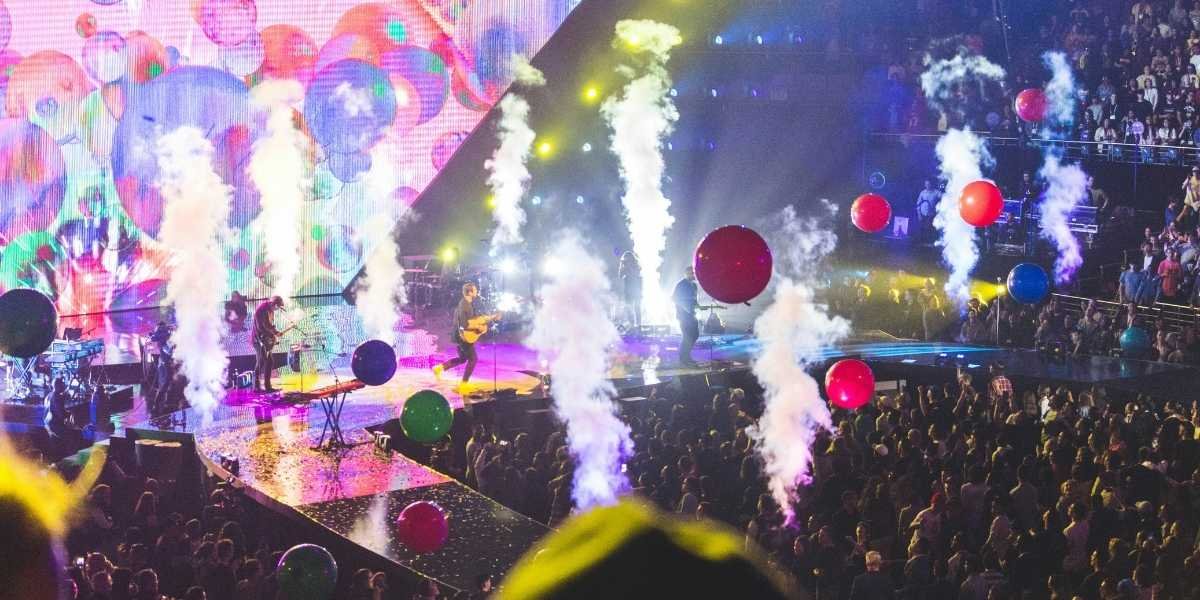
Music distribution has undergone a seismic shift. What once required label deals, physical inventory, and gatekeeper approval now happens with a few clicks. Streaming platforms have redefined how music reaches listeners, giving artists unprecedented control and fans instant access to global catalogs. But this transformation isn’t just technical, it’s cultural, economic, and deeply personal.
From bedroom producers to arena headliners, the way music is distributed today shapes careers, communities, and creative freedom. And for fans, it’s changed how music is discovered, shared, and experienced.
Streaming Platforms as the New Gateways
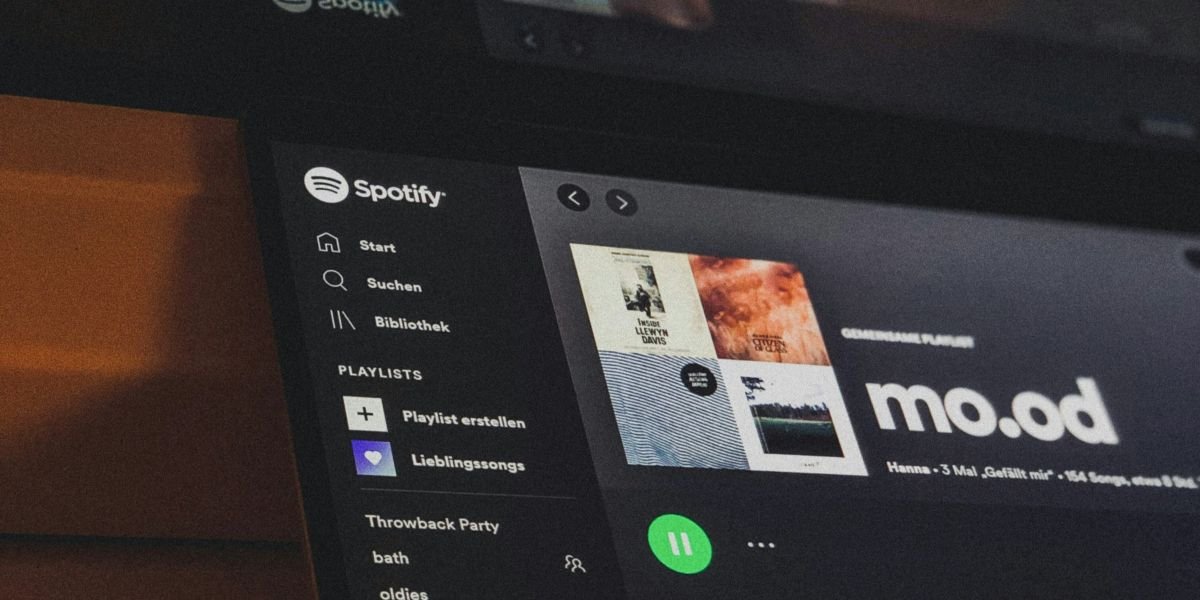
Spotify, Apple Music, Amazon Music, and YouTube have become the primary channels for music distribution. These platforms don’t just host content, they curate, recommend, and amplify it. Their algorithms influence what gets heard, while playlists function as modern-day radio rotations.
For artists, this means visibility is no longer tied to geography or label backing. A track uploaded in Lagos can trend in Los Angeles. A remix from Tokyo can land on a Berlin playlist. The global reach of streaming platforms has flattened the playing field, allowing talent to rise from anywhere.
Still, distribution isn’t just about uploading. Artists must understand metadata, release timing, and platform-specific strategies. Those who treat streaming as a business tool, not just a delivery method, tend to see stronger results.
Independent Artists and the Rise of DIY Distribution
One of the most empowering aspects of modern music distribution is the rise of independent artists. Without traditional gatekeepers, musicians can release work on their own terms. Platforms like DistroKid, TuneCore, and CD Baby have made it easier to push music to major streaming services while retaining ownership.
This shift has led to a surge in creative output. Artists no longer wait for label approval or budget sign-off. They experiment, iterate, and connect directly with fans. It’s a model that rewards agility and authenticity.
Many of these artists also leverage social media and digital platforms to build audiences. TikTok, Instagram, and Discord have become essential tools for promotion, feedback, and community-building. Distribution is no longer a one-way street, it’s a conversation.
Fan Empowerment Through Access and Interaction
Streaming platforms haven’t just changed how music is delivered, they’ve transformed how fans engage with it. Listeners now curate their own libraries, follow artists in real time, and discover new sounds through algorithmic suggestions and social sharing.
This level of access empowers fans to become tastemakers. A single repost or playlist addition can drive thousands of new streams. Fans also expect transparency, they want to know release dates, behind-the-scenes stories, and creative intent. Artists who share openly tend to build deeper loyalty.
Live features like Spotify Canvas, Apple Music lyrics, and YouTube premieres add layers of interaction. Fans aren’t just consuming music, they’re experiencing it in dynamic, personalized ways.
Monetization and the Economics of Streaming
While streaming has democratized music distribution, it’s also sparked debate around artist compensation. Per-stream payouts are notoriously low, and many artists rely on touring, merch, and sync deals to supplement income.
Still, those who understand the economics of streaming can optimize their strategy. Releasing consistently, targeting niche audiences, and leveraging playlist placement can drive meaningful revenue over time. It’s not about chasing viral hits, it’s about building sustainable ecosystems.
Some artists also explore direct-to-fan models, using platforms like Bandcamp or Patreon to offer exclusive content and merchandise. These hybrid approaches blend streaming reach with personalized monetization.
Data as a Creative and Strategic Tool
One of the most overlooked benefits of digital music distribution is access to data. Artists can now see who’s listening, where, and how often. This information informs everything from tour routing to merch design.
Understanding listener behavior helps artists refine their sound, target promotions, and collaborate strategically. It also empowers managers and labels to make smarter decisions. Data isn’t just numbers, it’s insight into audience connection.
Platforms like Spotify for Artists and Apple Music for Artists offer dashboards that track performance in real time. When used well, these tools become part of the creative process, guiding releases and engagement.
Challenges in the New Distribution Landscape
Despite its advantages, digital music distribution comes with challenges. The sheer volume of releases makes discovery difficult. Algorithms can be unpredictable. And without label support, artists must wear multiple hats, from marketer to analyst to designer.
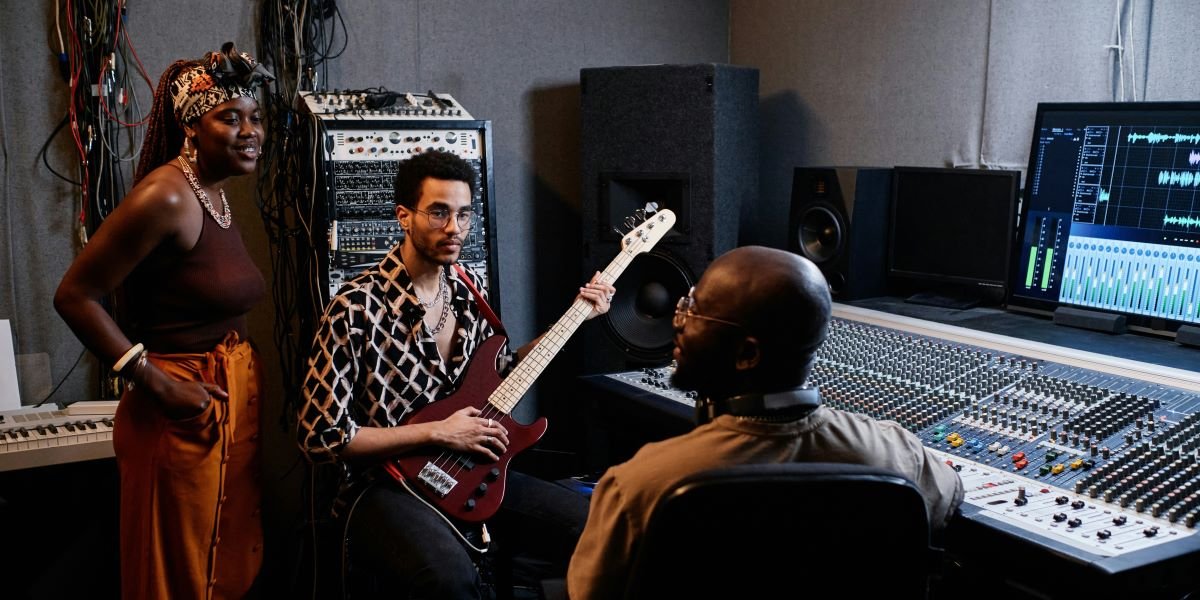
Photo Credit: Unsplash.com
There’s also the emotional toll. Constant output, comparison, and pressure to perform can lead to burnout. Artists navigating this space need support systems, clear goals, and sustainable workflows.
That’s why understanding how musicians can thrive in the new music business is essential. It’s not just about distribution, it’s about resilience, strategy, and community.
The Future of Music Distribution Is Hybrid
Looking ahead, music distribution will likely continue to evolve into hybrid models. Streaming will remain dominant, but artists will explore new formats, from spatial audio to interactive releases.
Physical formats like vinyl and cassette are also seeing a resurgence, offering tactile experiences that complement digital reach. Some artists are experimenting with geo-targeted drops, time-limited releases, and gamified listening.
Ultimately, the goal is connection. Whether through a playlist, a live stream, or a limited-edition vinyl, music distribution is about bridging artist intent with fan experience.
Why This Matters for Artists and Industry Professionals
For artists, understanding music distribution is no longer optional, it’s foundational. It shapes how music is heard, shared, and monetized. It influences branding, audience growth, and career longevity.
For industry professionals, it’s a chance to rethink old models. Labels, managers, and promoters must adapt to a landscape where control is decentralized and creativity is constant. Success comes from collaboration, innovation, and empathy.
And for fans, it’s a golden era. Music is more accessible, diverse, and interactive than ever. The barriers are lower, the choices are broader, and the connections are deeper.