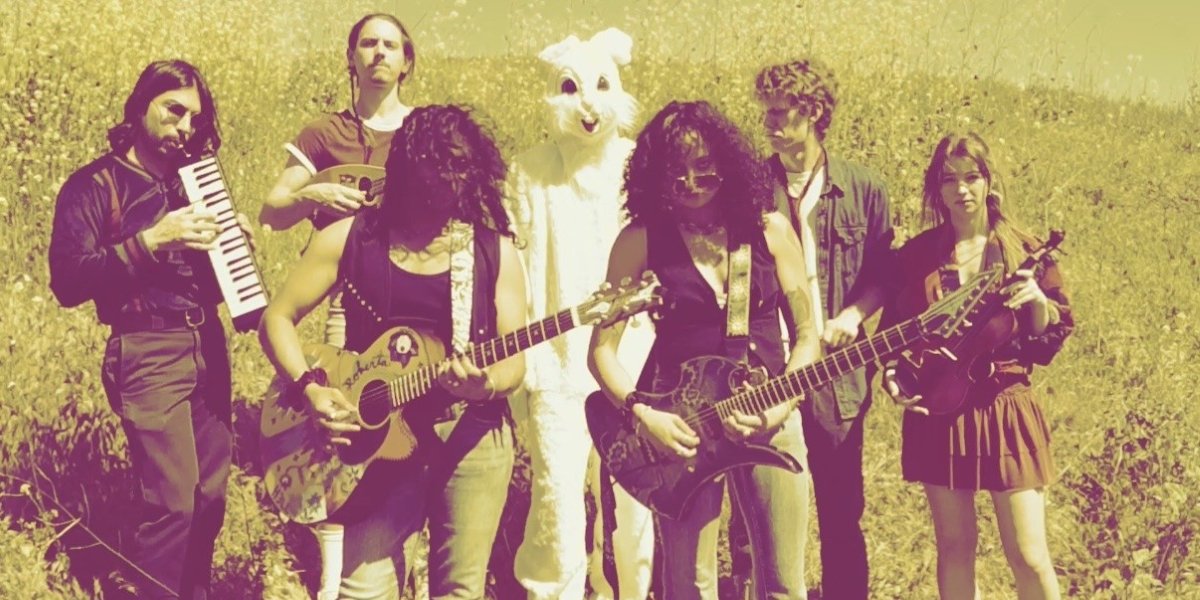
Badsoma began in Southern California as the solo project of Iranian-American multi-instrumentalist and songwriter Armin Fard, then gradually developed into a six-piece indie rock band built around shared songwriting and arrangement. The transition changed more than the number of musicians involved. It created a process in which guitar, bass, percussion, violin, vocals, and production choices could develop through group discussion rather than through a single creative voice.
That collaborative model has become central to the band’s identity. Its self-titled EP brought together writing contributions from across the lineup and was recorded through a combination of studio sessions in Los Angeles and additional work in Long Beach. Coverage from NPR-affiliated KMUW has also highlighted Fard and the group’s move toward a more collaborative approach.
How Badsoma Expanded From a Solo Project
Fard’s original project took shape during the period following the pandemic, when Los Angeles musicians were rebuilding local creative communities and returning to regular performances. As the music developed, other players joined and brought different backgrounds into the arrangements.
Percussionist Braden Rose became an important production partner. Guitarist Kenzie “Starlit” Alvarado, who studied with Rose at the Conservatory for Recording Arts and Sciences in Arizona, contributed a blues-influenced guitar background. Alvarado and Rose later brought in bassist Donald Segien, a longtime friend with ties to the local music scene.
The group continued to change as live performances became a larger part of its activity. Violinist and vocalist Lindsey Hamilton joined in 2024, adding string arrangements to a lineup already centered on guitars, rhythm, and layered vocals. The current band bio also lists guitarist Shane Karan as the second guitarist, completing the six-member configuration.
Rather than treating those additions as supporting roles, Badsoma developed a writing process in which individual members could influence a song’s direction. That approach is especially relevant in indie rock, where a project that begins with one songwriter can retain a strong central identity even after expanding into a full band.
A Self-Titled EP Shaped by Group Writing
The self-titled EP reflects that shift toward collective authorship. Early ideas were not simply transferred from demos into finished recordings. The members reworked material together, allowing instrumentation and arrangement decisions to change as songs moved through rehearsals and studio sessions.
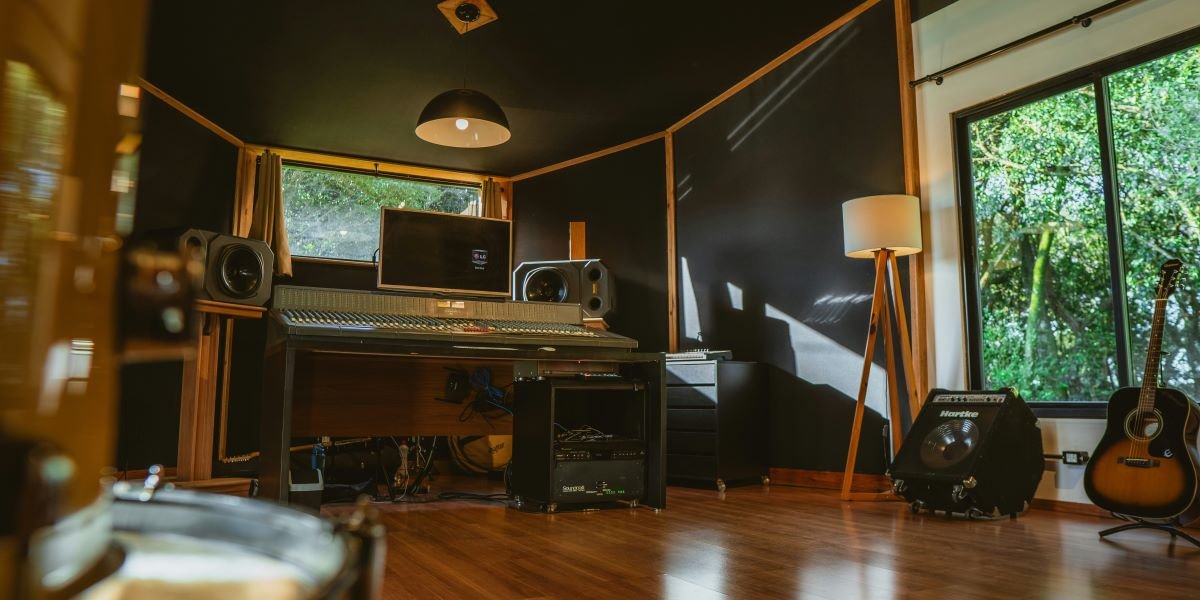
Fard and Rose handled production responsibilities, while the bulk of the EP was recorded at MooseCat Recording in Los Angeles. Additional production and overdubs were completed at Fard’s home studio in Long Beach. That two-location process gave the group room to combine a professional recording environment with the flexibility of a smaller personal workspace.
For Badsoma, production appears to function as another part of composition. The band experimented with mixing approaches intended to preserve some of the immediacy of live performance while still using the control available in a studio. The result is a recording process built around arrangement, texture, and interaction rather than around a single instrument or vocalist.
According to the band’s bio, the EP was selected for Bandcamp’s New and Notable coverage and reached No. 144 on the North American College and Community chart. Those placements added another layer to the release’s visibility beyond the group’s live activity and independent distribution.
Different Musical Backgrounds Shape the Sound
The six-piece format gives the band several ways to build contrast within a track. Guitar parts can move between rhythm and texture, while violin can add sustained lines that sit outside the usual guitar-bass-drums structure of an indie rock group. Percussion and bass provide the rhythmic base, while the songwriting can shift between direct rock arrangements and sections that leave more space for atmosphere.
Listeners can explore another side of the project through the band’s SoundCloud releases, including “Dragonflies” and “Sugar Coated Pop”. These tracks provide additional context for how the group works with different textures and songwriting ideas beyond a single release.
Badsoma and the Value of a Shared Creative Process
The evolution of Badsoma offers a practical example of how a solo project can change when new musicians are given room to shape the material. Fard remains an important songwriter and producer, but the group’s current structure places emphasis on contributions from the full lineup.
KMUW’s coverage of Fard has also focused on the move toward collaboration and the way that approach changed the music itself. The discussion addressed how the group’s different musical elements can make the project difficult to place in a single category, a natural outcome for a lineup that combines varied instruments and backgrounds.
For listeners, that context helps explain why Badsoma is better understood as a working collective than as a solo project with added players. The band’s development has been gradual, with each lineup change introducing another instrument, perspective, or production idea into the process.
Recording Between Los Angeles and Long Beach
The band’s recording process also reflects its collaborative structure. Working at MooseCat Recording gave the musicians access to a dedicated studio environment, while completing overdubs and additional production at Fard’s Long Beach home studio provided more flexibility during later stages.
This combination allowed the group to revisit arrangements and production details without separating the technical side of recording from the songwriting process. The sessions were designed to capture some of the energy associated with live performance while still allowing the musicians to refine individual parts.
Contact and Music
More information about Badsoma, including music and updates, is available through the band’s official website and Instagram page. Those channels provide current information about releases, performances, and other band activity.
The group’s story remains closely connected to the practical work of making music together: writing, rehearsing, recording, revising, and performing as a unit. Badsoma began with one songwriter, but its current form reflects a wider collaborative structure in which six musicians contribute to the direction of the project.