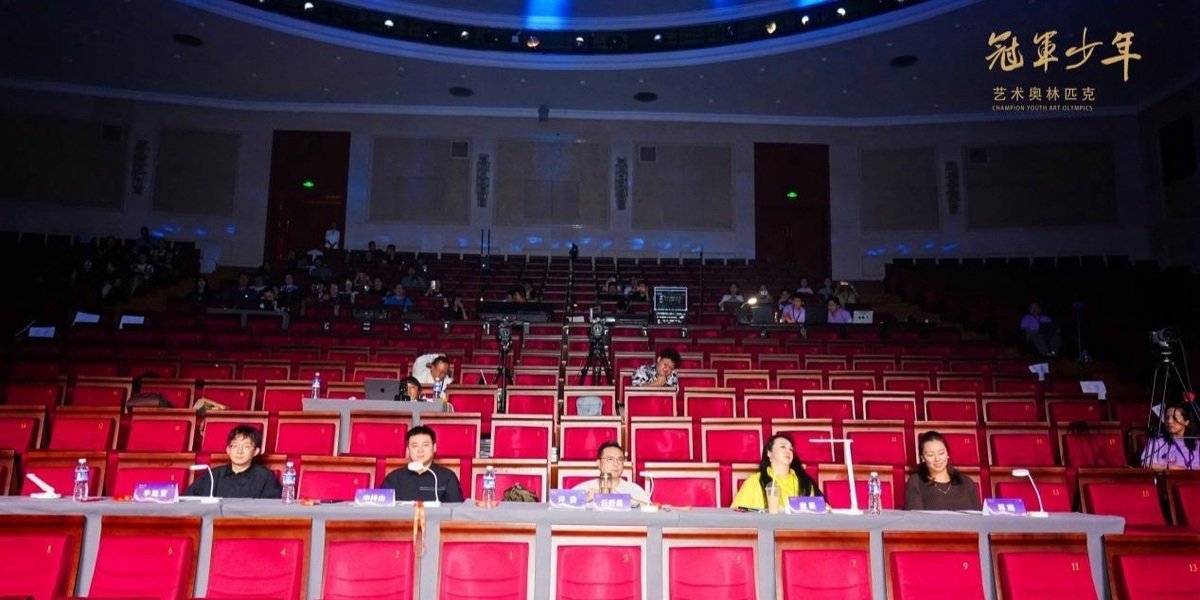
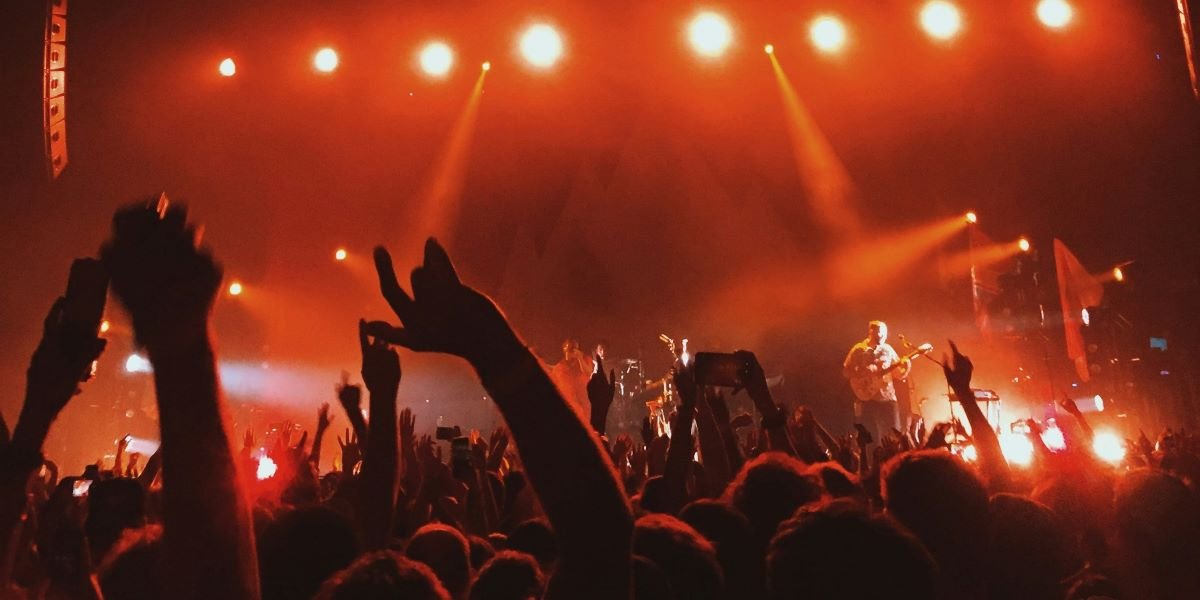
Oh, absolutely! When it comes to making an event happen, most folks find it really helpful to have some kind of framework or a step-by-step approach. Jumping in without a plan can lead to a lot of headaches and missed details. Thinking about an event as a journey with different phases can make the whole process much smoother and more manageable, whether it’s a small get-together or something much bigger.
It’s generally not about one rigid set of rules, but more like a flexible guide that helps organize all the moving parts. This kind of framework helps ensure nothing important falls through the cracks and keeps everyone involved on the same page.
Read also: How to Create Inclusive and Accessible Event Experiences for All Attendees
Starting with a Vision: The Planning Phase
The very first stage of making an event happen is all about figuring out the “why” and the “what.” This is the core planning phase where the big picture takes shape. A key step here is to define the main objectives. Why is this event being held? Is it to celebrate something, educate people, raise money, or bring a community together? Having a clear goal helps guide every decision that follows.
Along with the “why,” understanding the target audience is crucial. Who is this event for? Knowing the attendees’ preferences, needs, and expectations helps shape the theme, activities, and overall feel of the event. Then comes the practical side: setting a realistic budget. How much money is available? This will influence everything from the venue choice to the type of food served. During this phase, an initial idea for the date, time, and general type of venue also starts to form. Many people also find it helpful to brainstorm a theme or concept that will tie everything together and create a memorable experience. Forming a core team to handle the initial heavy lifting is also a smart move at this stage.
Bringing It to Life: Organization and Details
Once the vision is clear, the next phase is all about the “how.” This is where the event truly starts to come alive through detailed organization and development. A comprehensive budget breakdown becomes essential, allocating funds to every single item. This helps keep spending in check.
Venue selection and booking become a priority, finding a space that fits the guest count, the theme, and the budget. Then comes lining up all the necessary vendors. This could include caterers for food, audio-visual (AV) companies for sound and lighting, decorators, and entertainers. Crafting the program or agenda is also a key task, outlining what will happen when, from speeches to performances to meal times. Thinking about how to market and promote the event to the target audience starts here too, making sure people know about it and want to come. For larger events, securing sponsorships might be part of the plan, and it’s always wise to look into any necessary permits or legal considerations early on to avoid last-minute surprises.
Showtime! The Execution Phase
This is the big day – the execution phase where all the careful planning turns into reality. The focus here is on day-of logistics and making sure everything runs as smoothly as possible. This involves overseeing the setup of the venue, managing guest registration, and making sure everyone feels welcome. Coordinating with all the vendors to ensure they are on schedule and delivering as promised is also a key task.
Throughout the event, being ready for troubleshooting on the spot is part of the deal. Things rarely go 100% according to plan, so having a team ready to quickly solve any unexpected issues, whether it’s a technical glitch or a misplaced item, is invaluable. Managing staff and volunteers, making sure they know their roles and feel supported, contributes greatly to a seamless experience for attendees. For any event, having a basic crisis management plan in mind, even for small emergencies, provides a layer of readiness that can prevent small issues from becoming larger problems.
Read also: Essential Tips for Planning a Large Event Without Stress
Wrapping Up and Looking Forward: Post-Event Reflection
The event isn’t truly over when the last guest leaves. The final phase involves the wrap-up and, crucially, learning for the future. Teardown and clean-up of the venue come first. Then, there’s the essential step of financial reconciliation, reviewing all expenses and incomes to see how the budget held up.
Collecting attendee feedback is a very valuable part of this phase, often through simple surveys or direct conversations. This helps understand what worked well and what could be improved. Holding a team debrief is also important, where everyone involved can share their insights and identify lessons learned. Sending out thank-you notes to sponsors, vendors, volunteers, and even attendees helps maintain good relationships. Finally, taking the time to assess the event’s overall impact against its original objectives provides a clear picture of its success and offers valuable insights for any future events someone might plan. This reflective step makes each event a building block for even better experiences down the road.