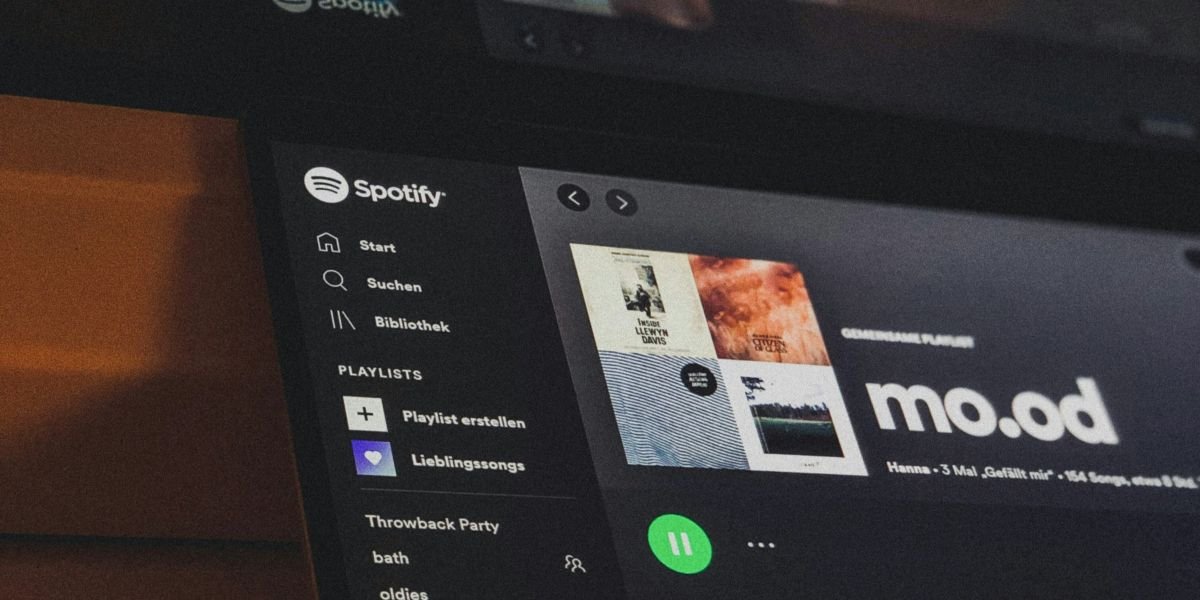
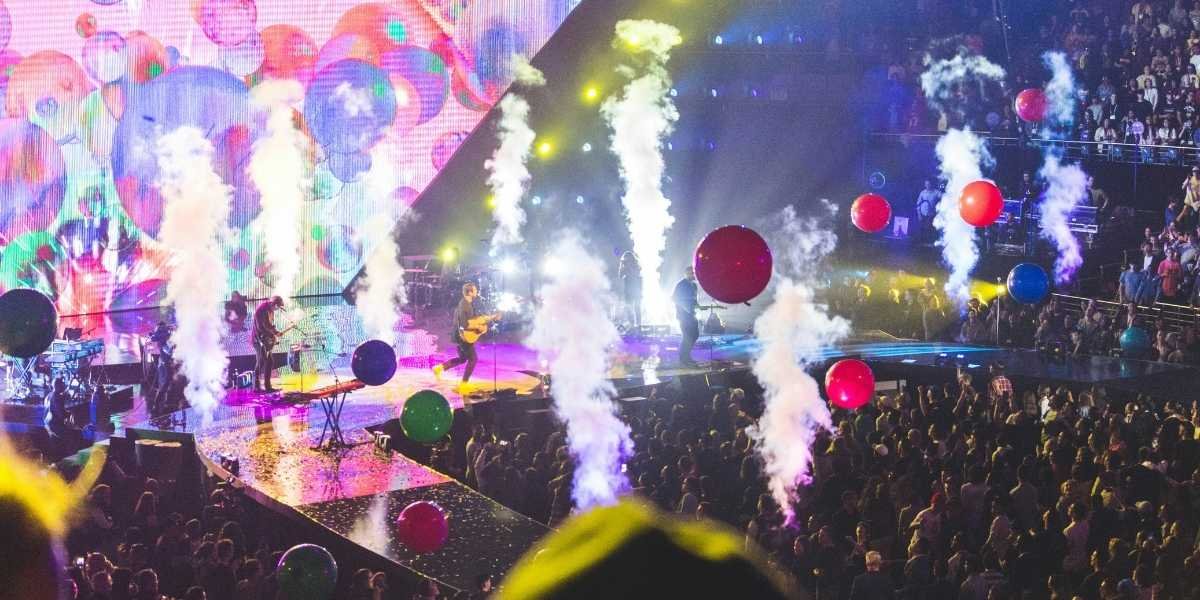
In an era dominated by streaming platforms and algorithm-driven playlists, vinyl records have made an unexpected return. What was once considered a relic of the past is now a thriving format embraced by collectors, audiophiles, and a new generation of listeners. The phrase “vinyl records comeback” isn’t just nostalgic, it reflects a shift in how people value sound, experience, and ownership in music.
This resurgence isn’t driven by novelty alone. It’s rooted in a desire for physical connection, sonic warmth, and a slower, more intentional way of engaging with music. As digital consumption becomes increasingly frictionless, vinyl offers something that can’t be replicated by a swipe or a stream.
Why Vinyl Records Still Matter
Vinyl records offer a tactile experience that digital formats simply don’t. From the weight of the disc to the ritual of placing the needle, listening to vinyl is immersive. It demands attention. The large-format album art, liner notes, and physical presence of a record create a sense of ownership that goes beyond the music itself.
Sound quality is another factor. Many listeners describe vinyl’s analog playback as warmer, richer, and more dynamic than compressed digital files. While this is partly subjective, there’s science behind the perception. Analog recordings preserve the full waveform of sound, whereas digital formats rely on sampling. This difference can affect how listeners perceive depth, texture, and emotion in a track.
As explored in How Music Works: Understanding the Science Behind Musical Sounds, the way sound waves interact with the ear and brain plays a major role in how music feels. Vinyl’s continuous waveforms and subtle imperfections, like crackles and pops, can actually enhance the emotional experience by adding texture and realism.
The Cultural Appeal of Analog Music
Beyond sound, vinyl records carry cultural weight. They represent a time when music was less disposable and more deliberate. Owning a record meant committing to an artist’s full body of work, not just a single track. That sense of commitment is returning, especially among younger listeners who grew up in the digital age.
The vinyl resurgence is also tied to aesthetics. Turntables and record collections add character to living spaces. Album covers become visual statements. Limited pressings and colored vinyl editions turn records into collectibles. This blend of music and design appeals to those who value both form and function.
As detailed in How Music Technology is Shaping the Future of Production and Listening, the evolution of music formats is not just about convenience, it’s about experience. While spatial audio and virtual reality concerts offer immersive digital environments, vinyl provides a counterbalance: a grounded, analog ritual that invites listeners to slow down and engage more deeply.
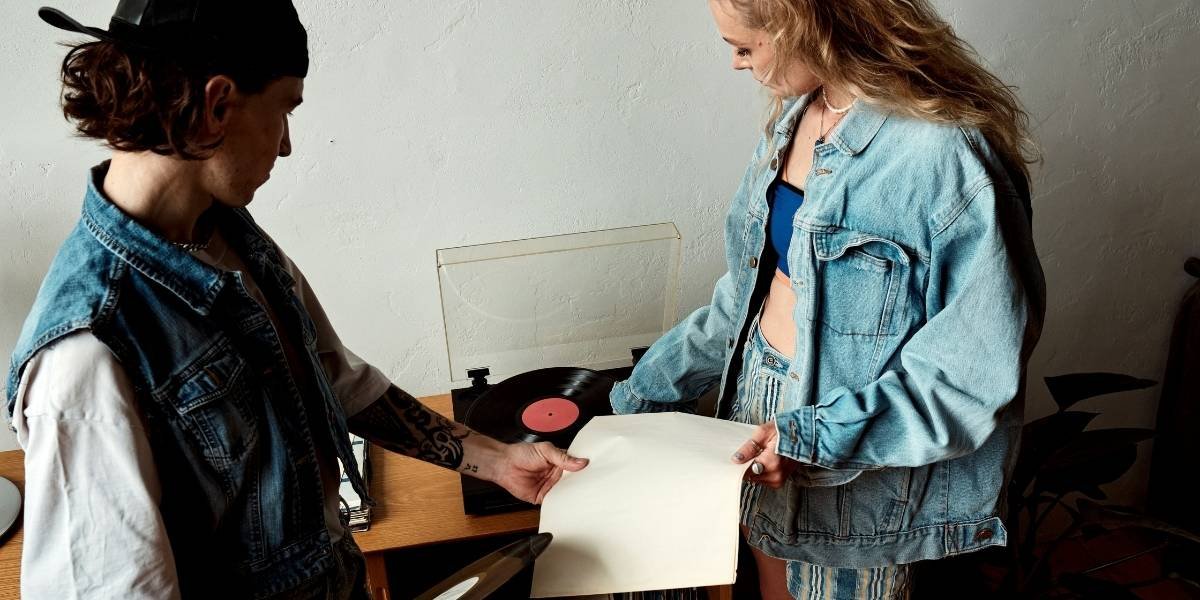
Photo Credit: Unsplash.com
Why the Comeback Surprised the Industry
Few predicted vinyl’s return. For years, the format was considered obsolete, replaced by CDs, then downloads, then streaming. But as digital music became more accessible, it also became more ephemeral. Listeners began craving something tangible, something that couldn’t be deleted with a tap.
The industry responded. Major labels now press vinyl editions of new releases. Independent artists use vinyl to connect with fans in a more personal way. Even genres that once leaned heavily on digital, like electronic and hip-hop, are embracing the format for its storytelling potential and physical impact.
This shift has economic implications too. Vinyl sales have steadily increased year over year, often outpacing CD sales. While streaming remains dominant, vinyl’s growth signals a demand for formats that offer more than convenience. It’s a reminder that music is not just content, it’s culture.
Challenges and Opportunities Ahead
Despite its resurgence, vinyl is not without challenges. Pressing plants face long wait times due to increased demand. Production costs are higher than digital distribution. Environmental concerns around materials and shipping also raise questions about sustainability.
Still, the format’s growth presents opportunities. Artists can use vinyl to create immersive experiences, pairing music with visuals, storytelling, and physical design. Labels can explore new packaging concepts, while retailers can build community through events and curated selections.
For listeners, vinyl offers a chance to slow down. To listen actively. To engage with music as an art form rather than background noise. That shift in mindset is what makes the comeback so unexpected, and so meaningful.
Vinyl’s Place in a Digital World
Vinyl records aren’t replacing digital platforms. They’re complementing them. In a world where music is often consumed passively, vinyl encourages presence. It invites listeners to sit with a record, absorb its nuances, and appreciate its imperfections.
The unexpected return of vinyl records is more than a trend. It’s a response to the speed and saturation of digital life. It’s a reminder that music, at its best, is both heard and felt.
As the format continues to evolve, its role in the music ecosystem will likely expand. Whether through hybrid releases, artist-led pressings, or new listening rituals, vinyl is proving that analog still has a place in the future of sound.