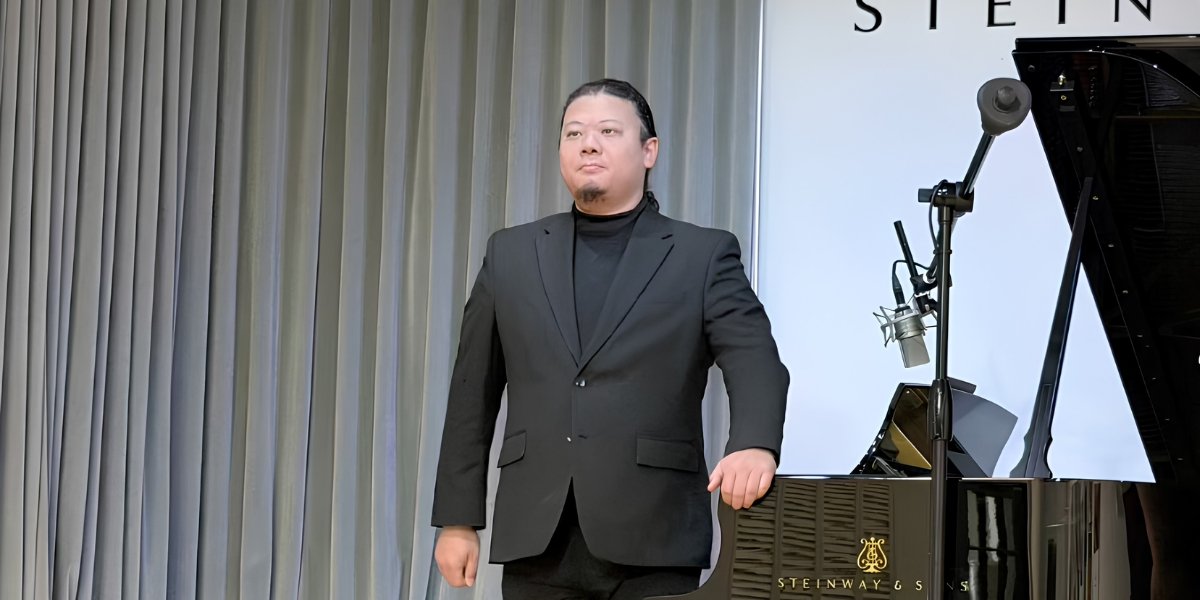
The Actor’s Toolkit isn’t just a concept, it’s a lifestyle. For performers navigating the stage, screen, or studio, mastering the Actor’s Toolkit means owning the three core instruments that shape every role: body, voice, and imagination. These tools aren’t optional. They’re essential. And in today’s entertainment landscape, where authenticity and adaptability reign, they separate the forgettable from the unforgettable.
Whether preparing for a Broadway callback, a film audition, or a live music-theater hybrid, performers who understand how to activate their Actor’s Toolkit are the ones who command attention. It’s not just about talent, it’s about technique, discipline, and the ability to transform raw emotion into compelling art.
The Body: Your First Instrument
The body is the actor’s first language. Before a single word is spoken, movement communicates intention, emotion, and energy. From posture and gait to gesture and stillness, every physical choice tells a story. That’s why mastering physical awareness is a non-negotiable part of the Actor’s Toolkit.
Actors like Zendaya and Pedro Pascal have shown how nuanced physicality can elevate a performance. Whether it’s the subtle tension in a shoulder or the deliberate pacing of a walk, the body becomes a canvas for character. Training in movement, dance, and stage combat helps performers build control, flexibility, and expressive range.
In rehearsal rooms across the country, directors are encouraging actors to explore physical storytelling. It’s not just about blocking, it’s about embodiment. And for those looking to stay ready for anything on stage, physical readiness is key. That’s why many performers turn to resources like this guide on staying stage-ready to sharpen their physical instincts.
The Voice: Power, Precision, and Presence
Voice is more than sound, it’s presence. It carries emotion, rhythm, and intention. In the Actor’s Toolkit, vocal mastery means knowing how to shift tone, pace, and pitch to match the moment. It’s the difference between delivering a line and landing it.
Actors train their voices like musicians train their instruments. Breath control, articulation, and resonance are foundational. Whether belting in a musical or whispering in a dramatic close-up, the voice must be agile and grounded. Vocal warm-ups, singing lessons, and dialect coaching are all part of the grind.
In the age of streaming and voiceover work, vocal versatility is more valuable than ever. Performers who can pivot between genres, comedy, drama, animation, are in high demand. And those who understand how voice connects to character are the ones who leave lasting impressions.
Imagination: The Creative Engine
Imagination is the soul of the Actor’s Toolkit. It’s what allows performers to build worlds, inhabit characters, and respond truthfully in imaginary circumstances. Without imagination, technique falls flat. With it, performances come alive.

Photo Credit: Unsplash.com
Actors use imagination to explore backstory, motivation, and emotional truth. It’s the tool that fuels character development and improvisation. Whether crafting a role from scratch or stepping into a well-known archetype, imagination allows for depth and originality.
Workshops on character building often emphasize imaginative exercises, visualization, sensory recall, and emotional substitution. These techniques help actors tap into personal experiences and transform them into performance gold. Those looking to deepen their character work often explore resources like this guide to building authentic performances, which highlights how imagination drives emotional truth.
Why the Actor’s Toolkit Still Matters
In an industry obsessed with speed and spectacle, the Actor’s Toolkit remains timeless. It’s the foundation that supports every genre, format, and medium. Whether performing in a gritty indie film or a high-concept stage musical, actors who master body, voice, and imagination bring consistency, depth, and impact.
The Actor’s Toolkit also empowers performers to adapt. In today’s hybrid entertainment world, where music artists cross into acting, and theater merges with digital media, versatility is everything. Performers who understand their tools can pivot between disciplines, collaborate across formats, and stay grounded in their craft.
Training the Toolkit: What It Takes
Mastering the Actor’s Toolkit isn’t about perfection, it’s about process. It requires daily practice, honest feedback, and a willingness to stretch beyond comfort zones. Acting classes, vocal coaching, movement workshops, and improvisation labs all contribute to the journey.
Many performers also integrate wellness into their training. Yoga, meditation, and breathwork help maintain physical and emotional balance. In an industry that demands vulnerability and resilience, self-care becomes part of the toolkit.
Mentorship plays a role too. Learning from seasoned actors, directors, and coaches helps emerging performers refine their tools and expand their range. Whether through formal programs or informal collaborations, the exchange of knowledge keeps the craft alive.
Own Your Tools, Own the Room
Mastering the Actor’s Toolkit isn’t just about technique, it’s about presence. When performers walk into a room fully connected to their body, voice, and imagination, they shift the energy. Casting directors lean in. Collaborators take notice. Audiences feel it. That’s the power of owning your tools.
Actors who’ve internalized their toolkit don’t second-guess their choices, they trust them. Their physicality is grounded, their voice is intentional, and their imagination is alive. Whether they’re stepping into a cold read, a live table read, or a high-stakes callback, they’re not performing from the outside in, they’re creating from the inside out.
This kind of ownership shows up in the details. It’s the way an actor breathes before delivering a monologue. The way they adjust their posture to shift character. The way they listen, not just to lines, but to the emotional undercurrents in the room. These are the performers who don’t just audition, they take space. They don’t just recite, they reveal.
In today’s entertainment landscape, where hybrid roles and cross-genre performances are the norm, versatility is currency. Actors who’ve mastered their toolkit can pivot from stage to screen, from musical theater to voiceover, without losing authenticity. They’re not chasing trends, they’re shaping them.
And it’s not just about landing roles. Owning the Actor’s Toolkit builds confidence, resilience, and creative autonomy. It allows performers to collaborate more deeply, take risks more boldly, and recover more quickly when things don’t go as planned. It’s the difference between surviving the industry and thriving in it.
So whether it’s a rehearsal room, a recording booth, or a live set, the message is clear: when you own your tools, you own the room. And when you own the room, you own your story.