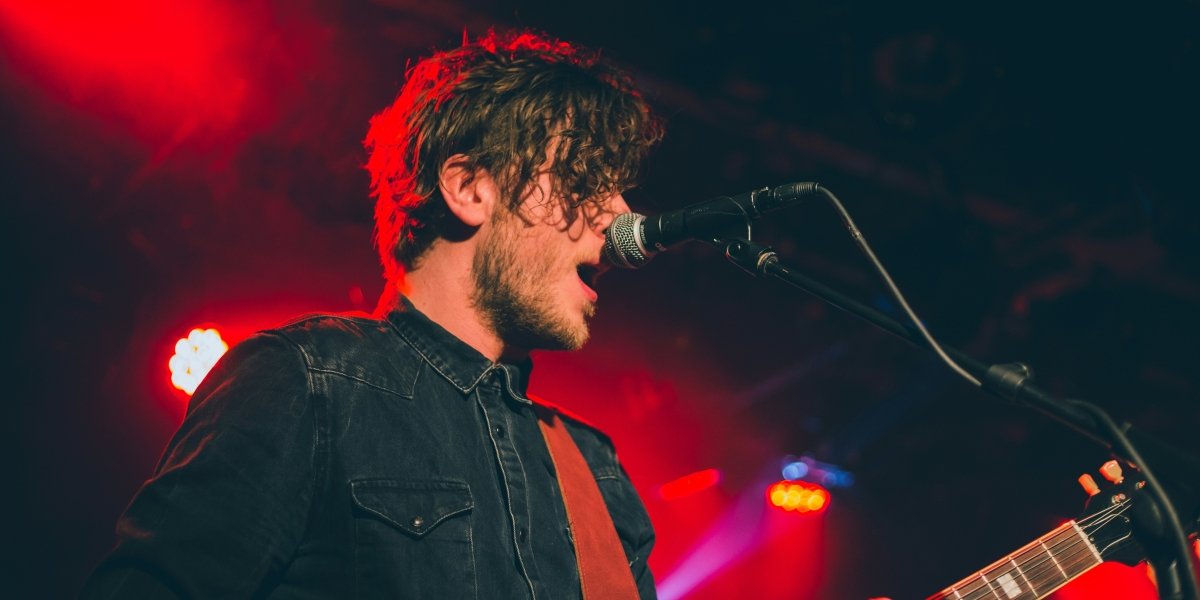
Music events have always been more than just performances, they’re cultural moments, emotional catalysts, and community touchpoints. But as fan expectations evolve and technology reshapes how people connect, the way these events are designed and delivered is changing fast. From immersive staging to hyper-personalized experiences, producers and artists are rethinking what it means to truly engage an audience.
Whether it’s a 200-cap club show or a stadium-scale festival, the most successful music events today are those that feel intentional, inclusive, and unforgettable. It’s not just about who’s on stage, it’s about how the entire experience resonates with the crowd.
Beyond the Stage: Designing for Immersion
The days of passive concert-going are fading. Fans now expect to be part of the story. That’s why immersive design has become a cornerstone of modern music events. Lighting, visuals, and spatial layout are no longer afterthoughts, they’re narrative tools.
At Coachella, installations like the Spectra tower and interactive art zones have become as iconic as the headliners. In smaller venues, artists like FKA twigs and James Blake have used projection mapping and minimalist stagecraft to create emotionally charged environments that pull the audience in.
This shift isn’t just aesthetic, it’s strategic. Immersive elements increase dwell time, social sharing, and emotional connection. They also give artists more control over how their music is experienced, which is especially valuable in an era where streaming dominates but attention spans are short.
Accessibility and Inclusion as Creative Drivers
One of the most powerful evolutions in music events is the growing emphasis on accessibility, not just as a compliance box, but as a creative opportunity. Events that prioritize inclusive design tend to resonate more deeply with diverse audiences.
Organizers are now rethinking everything from venue layout to sensory-friendly zones and multilingual signage. These changes don’t just benefit attendees with disabilities, they improve the experience for everyone. Incorporating inclusive and accessible event experiences into planning isn’t just ethical; it’s smart design.
Artists are also leading the charge. Billie Eilish’s team has worked with ASL interpreters and tactile sound systems to ensure that deaf and hard-of-hearing fans can fully engage with her shows. These efforts aren’t just appreciated, they’re remembered.
Tech-Enhanced Engagement Without Losing the Human Touch
Technology is transforming how music events are produced, but the best uses of tech are those that enhance, not replace, human connection. RFID wristbands, AR filters, and real-time polling can deepen engagement when used thoughtfully.
At Primavera Sound, attendees can use an app to customize their schedule, receive artist updates, and even locate friends on-site. Meanwhile, artists like Travis Scott have experimented with virtual concerts that blend gaming and performance, reaching millions without a physical venue.
Still, the most impactful moments often come from analog interactions, a surprise acoustic set, a heartfelt shoutout, or a spontaneous encore. The challenge for producers is to balance innovation with authenticity, ensuring that tech supports the music rather than overshadowing it.
Community-Driven Programming and Local Flavor
Music events that reflect the communities they serve tend to build stronger loyalty. That’s why hyperlocal programming, from food vendors to opening acts, is gaining traction. It’s not just about booking big names; it’s about curating a lineup and environment that feels rooted in place.
In cities like New Orleans and Detroit, festivals have leaned into local talent and cultural traditions to create experiences that feel both global and grounded. Even large-scale tours are adapting, artists like Lizzo and Bad Bunny have incorporated regional elements into their sets, from guest performers to city-specific visuals.
This approach also extends to planning. Collaborating with local artists, vendors, and community leaders during the event planning process helps ensure that the event resonates beyond the ticketed crowd. It becomes part of the city’s rhythm, not just a weekend detour.
Reimagining Fan Participation
Audience engagement doesn’t stop at applause. Today’s fans want to co-create, contribute, and be seen. Music events that invite participation, whether through fan-submitted visuals, live Q&A segments, or interactive merch stations, tend to generate more buzz and deeper loyalty.
At Tyler, the Creator’s Camp Flog Gnaw Carnival, fans can design custom apparel, vote on setlist additions, and interact with installations that reflect the Odd Future aesthetic. These touchpoints turn attendees into collaborators, not just consumers.
Even smaller events are finding ways to involve fans meaningfully. Indie venues are hosting listening parties, pre-show meetups, and post-show feedback sessions that give audiences a voice in shaping the experience. It’s not about gimmicks, it’s about building community.
Hybrid Formats and the Rise of Multi-Platform Events
As digital platforms become more integrated into daily life, music events are expanding beyond physical venues. Hybrid formats, combining in-person and virtual elements, are opening new doors for accessibility and reach.
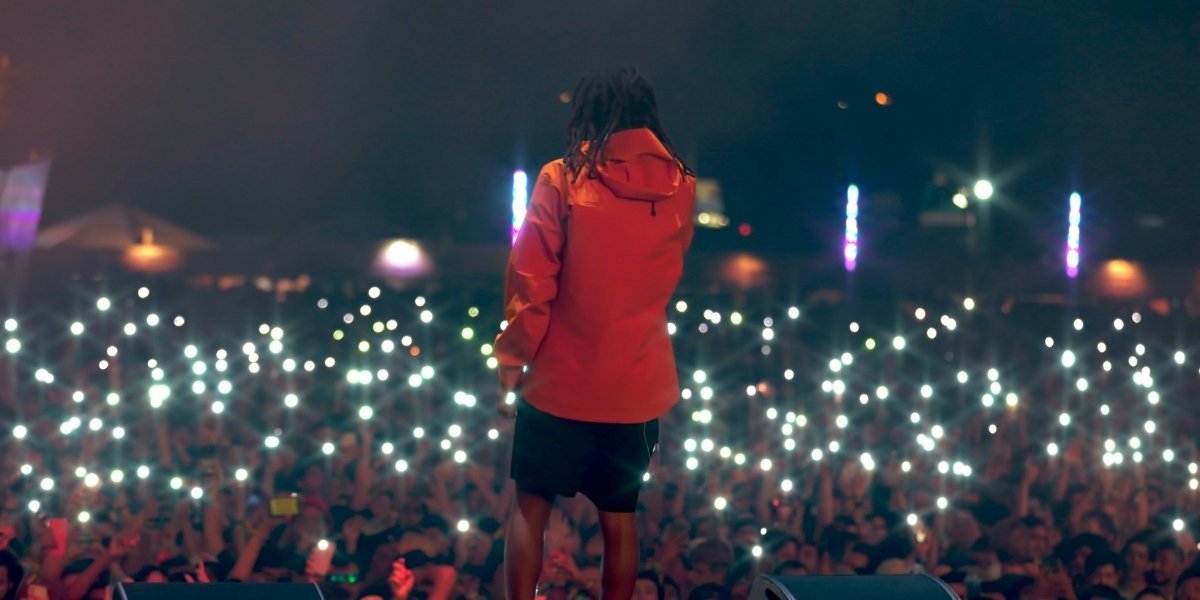
Photo Credit: Unsplash.com
Live streams, backstage content, and interactive chats allow fans who can’t attend in person to still feel connected. Artists like BTS and BLACKPINK have mastered this model, offering multi-platform experiences that blend concert footage with exclusive digital content.
This format also benefits independent artists and smaller promoters. A local showcase can now reach global audiences, building fanbases across borders without the need for major label backing. It’s a democratization of access that’s reshaping how music events are monetized and scaled.
Why This Matters for Artists and Industry Pros
For artists, music events are no longer just promotional stops, they’re brand-defining moments. A well-executed show can drive streaming spikes, merch sales, and long-term fan loyalty. It can also open doors to sponsorships, sync deals, and media coverage.
For industry professionals, the stakes are just as high. Promoters, venue managers, and production teams are being asked to deliver more with tighter margins and higher expectations. Creative approaches to engagement aren’t just nice to have, they’re essential for staying competitive.
There’s also a deeper layer here. Music events have always been about connection, between artist and audience, between strangers in a crowd, between sound and emotion. In a world that often feels fragmented, these moments of shared energy matter more than ever.