Special effects are no longer just visual tricks, they’re narrative tools, emotional amplifiers, and cultural touchstones. The journey from practical illusions to digital mastery has redefined how stories are told on screen. In today’s film industry, special effects shape everything from indie sci-fi dramas to global franchise tentpoles, blending artistry with cutting-edge tech to create worlds that feel both impossible and intimate.
The roots of special effects stretch back to early cinema, where filmmakers like Georges Méliès used stop-motion and double exposure to conjure magic on screen. Fast-forward to the 1970s and ’80s, and practical effects hit their golden age, think animatronics in E.T., miniatures in Star Wars, and prosthetics in The Thing. These tactile techniques laid the foundation for today’s digital wizardry, proving that illusion is as much about craftsmanship as it is about code.
The CGI Revolution and Its Blockbuster Impact
The rise of CGI didn’t just change how movies looked, it redefined what was possible. In the early ’90s, films like Jurassic Park and Terminator 2: Judgment Day shattered expectations with digital effects that felt alive. Audiences weren’t just impressed, they were transported. Dinosaurs roared with muscle and weight, liquid metal morphed with eerie precision, and suddenly, the boundaries of cinematic imagination were gone. CGI wasn’t a gimmick; it was a gateway.
Studios quickly realized that special effects could drive box office performance. CGI became the engine behind global franchises, from The Matrix to Harry Potter to the entire Marvel Cinematic Universe. These films didn’t just rely on effects, they were built around them. Exploding cities, alien invasions, and multiverse collapses became standard fare, and audiences showed up in droves. The blockbuster era was reborn, powered by pixels and precision.
But the impact of CGI goes beyond spectacle. Directors like James Cameron and Denis Villeneuve use digital effects to build immersive worlds that feel emotionally grounded. Avatar didn’t just dazzle, it invited viewers into a living ecosystem. Dune used CGI to amplify scale and mood, not just action. The best effects serve the story, enhancing tone, character, and atmosphere without pulling focus. It’s not just about what’s seen, it’s about what’s felt.
Today, CGI is more accessible than ever. Indie filmmakers use affordable software to create stunning visuals, while major studios push the boundaries with real-time rendering and virtual production. The revolution continues, but the goal remains the same: to make the unbelievable feel inevitable. Special effects aren’t just tools, they’re storytellers. And CGI is the language they speak.
Practical Effects Are Still in the Game
Despite the dominance of digital, practical effects are far from obsolete. Filmmakers like Christopher Nolan and Jordan Peele continue to champion in-camera techniques, using real explosions, prosthetics, and set builds to ground their narratives. Nolan’s Oppenheimer famously avoided CGI for its nuclear test sequence, relying on layered practical effects to evoke realism and tension.
This hybrid approach, blending practical and digital, is becoming the industry standard. It’s not about choosing sides; it’s about choosing impact. When done right, special effects disappear into the story, enhancing immersion without pulling focus. That’s why audiences still respond viscerally to a well-executed stunt or a creature that feels physically present.
Special Effects and Emotional Storytelling
In 2025, special effects aren’t just about visual scale, they’re about emotional resonance. Films like Everything Everywhere All At Once use effects to explore identity, grief, and connection, proving that VFX can be deeply human. The ability to bend reality allows filmmakers to externalize internal struggles, turning abstract emotions into tangible visuals.
This shift reflects a broader trend in cinema: audiences want more than eye candy. They want meaning. Special effects are now expected to serve character arcs, thematic depth, and cultural commentary. Whether it’s a collapsing multiverse or a memory rendered in light particles, the best effects make viewers feel something, not just see something.
The Tech Behind the Magic
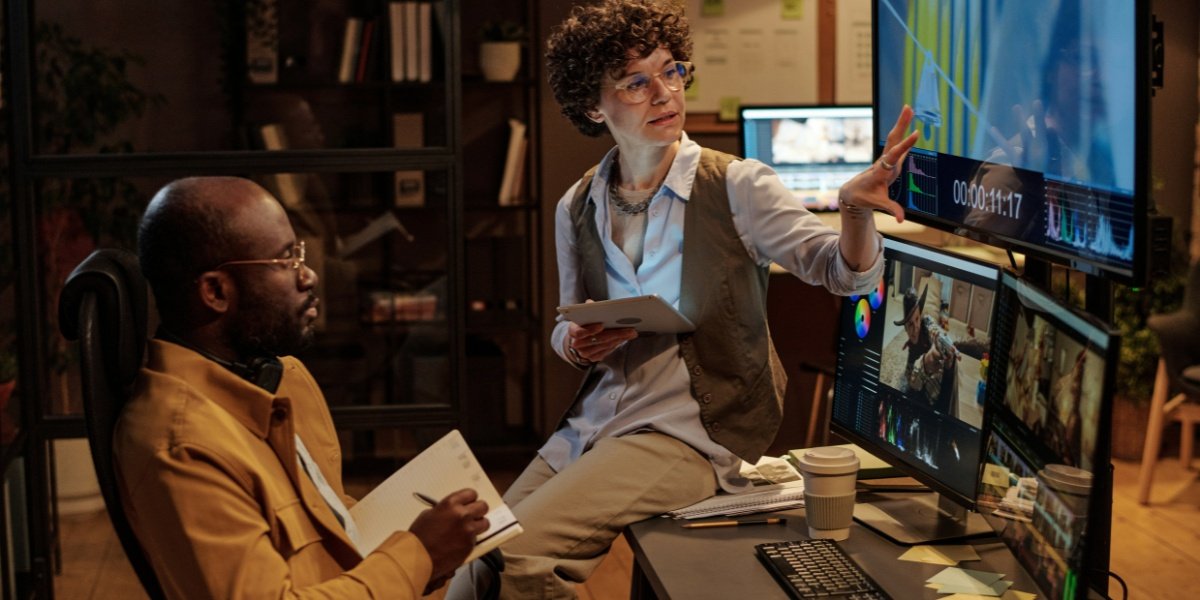
Behind the scenes, the special effects industry is a hotbed of innovation. Real-time rendering, virtual production, and AI-assisted animation are reshaping workflows and timelines. Studios like Weta Digital, ILM, and Framestore are pushing boundaries with volumetric capture and neural rendering, allowing for faster iteration and more nuanced detail.
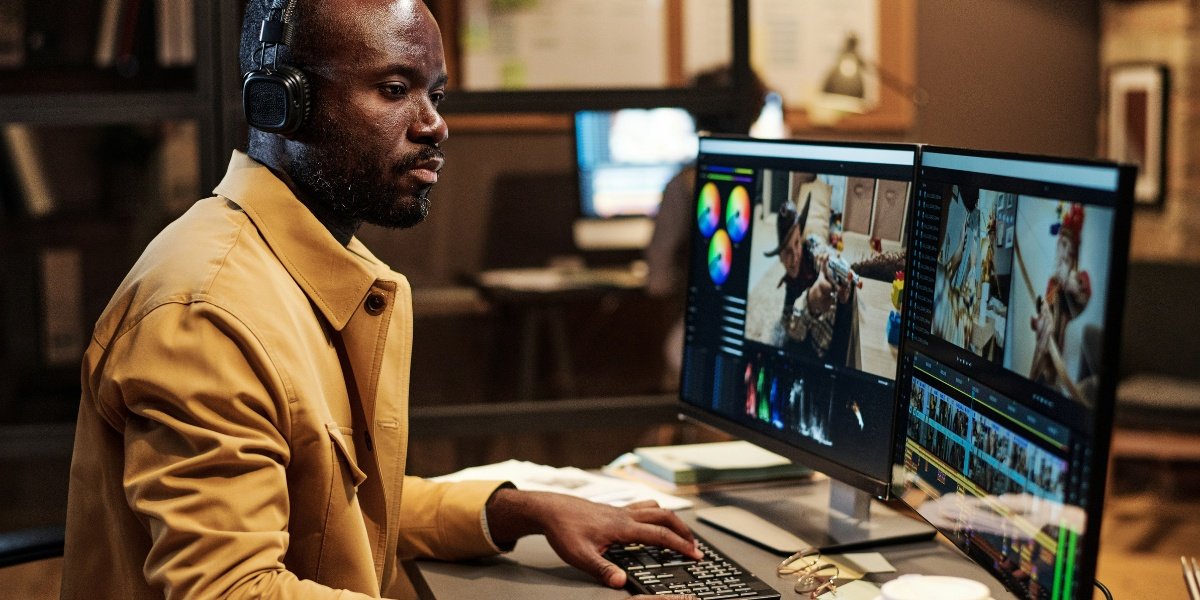
Photo Credit: Unsplash.com
Virtual production, popularized by The Mandalorian, uses LED walls and game engine tech to create immersive environments in real time. This not only reduces costs but also gives directors more control over lighting, camera movement, and actor performance. It’s a game-changer for indie filmmakers and major studios alike.
Cultural Impact and Audience Expectations
Special effects have become part of the cultural conversation. Fans dissect VFX breakdowns on YouTube, share behind-the-scenes reels on TikTok, and debate the realism of explosions on Reddit. The audience is more informed, and more demanding, than ever. They expect seamless integration, emotional authenticity, and technical excellence.
This scrutiny has elevated the role of special effects artists, who are now seen as storytellers in their own right. Their work influences reviews, awards, and fan loyalty. As explored in Music Observer’s piece on why movie reviews matter, technical execution often shapes critical reception and audience buzz.
Color, Composition, and the FX Palette
Special effects don’t exist in isolation, they interact with cinematography, sound design, and color grading. The evolution of color in cinema, as covered in Music Observer’s feature on monochrome to vivid hues, plays a huge role in how effects are perceived. A well-graded explosion or a digitally enhanced sunset can evoke emotion just as powerfully as dialogue.
Directors and VFX teams now collaborate closely with colorists to ensure that effects blend seamlessly into the visual language of the film. It’s not just about realism, it’s about tone, mood, and thematic cohesion.
The Future of Special Effects
As AI, AR, and volumetric filmmaking continue to evolve, the future of special effects looks limitless. But the core challenge remains the same: how to use technology to tell better stories. The next wave of innovation will likely focus on personalization, allowing viewers to experience effects tailored to their preferences, devices, or emotional states.
Whether it’s a blockbuster spectacle or an intimate indie drama, special effects will continue to shape how stories are told, and how they’re felt. From pixels to blockbusters, the journey is far from over. It’s just getting more immersive.