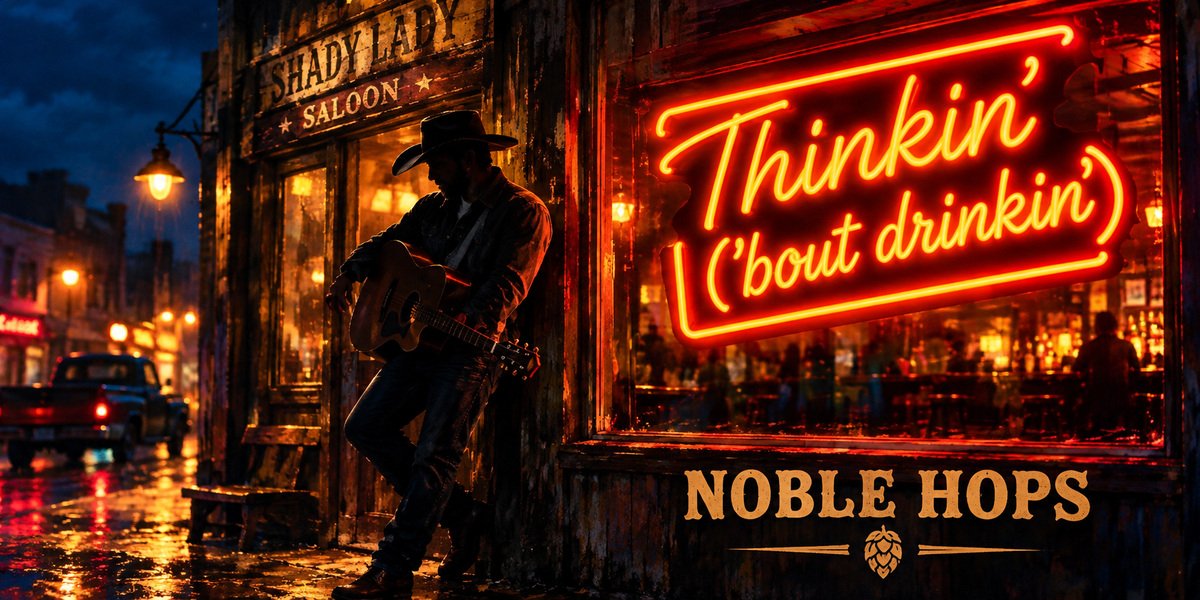
Music comes in countless forms, each with distinct characteristics that appeal to different listeners. From the rhythmic patterns to the instruments used, musical genres create varied listening experiences that suit different moods and occasions. Exploring these styles helps music lovers appreciate what makes each type special while discovering new sounds they might enjoy. This look at popular music categories focuses on their origins, features, and cultural significance rather than ranking them against each other.
Read also: The Story of Music: How It Changed Over Time
Roots and Characteristics of Major Music Genres
Rock music grew from blues and country roots in the 1950s, featuring electric guitars, strong rhythms, and often passionate vocals. Over decades, it branched into many subcategories from soft rock to heavy metal while keeping its energetic core. Jazz developed earlier, with improvisation and complex harmonies setting it apart. Born in African American communities, jazz values spontaneous creativity within a structured musical framework, using instruments like saxophones and trumpets prominently.
Hip-hop emerged from street culture in the 1970s, combining rhythmic speech with electronic beats and sampling technology. Its lyrics often address social issues and personal experiences, making the words as important as the music. In contrast, classical music emphasizes orchestral arrangements and formal compositions that have evolved over centuries. Where hip-hop celebrates contemporary culture, classical connects listeners to musical traditions passed down through generations.
How Listeners Connect With Different Musical Styles
People often gravitate toward genres that reflect their cultural background or personal experiences. Country music, with its storytelling lyrics about everyday life, resonates strongly in rural communities while also gaining urban fans. Electronic dance music (EDM), built around synthesized sounds and steady beats, became the soundtrack of nightlife and festivals worldwide. The immediate physical response it encourages differs greatly from the reflective listening encouraged by folk music’s acoustic simplicity.
Regional music styles demonstrate how geography influences sound. Reggae’s relaxed rhythms and distinctive bass lines evoke its Jamaican origins, while flamenco’s passionate guitar and vocals capture Spanish heritage. K-pop blends multiple influences into a polished, visually rich experience that has crossed language barriers to gain global popularity. These examples show how music both represents its birthplace and can travel far beyond it.
The digital age has made genre boundaries more fluid than ever. Artists frequently mix elements from different styles, creating hybrid sounds that defy simple categorization. Listeners now have instant access to worldwide music, allowing them to explore beyond the genres they grew up with. Streaming platforms even create personalized playlists that introduce fans to unfamiliar styles they might enjoy based on their listening habits.
Music preferences often change throughout people’s lives, reflecting their evolving identities and experiences. What excites a teenager might comfort someone middle-aged or inspire nostalgia in older listeners. Some genres maintain multi-generational appeal while others specifically target certain age groups. This dynamic relationship between music and listeners ensures the continual evolution of musical styles.
Understanding genre differences enhances music appreciation without requiring technical knowledge. Recognizing the cultural context behind reggae’s offbeat rhythms or the precision of classical composition adds depth to listening experiences. Casual fans might notice how blues scales appear in rock solos or how hip-hop beats borrow from jazz’s rhythmic innovations. These connections form a rich musical web that links genres across time and geography.
Live performances highlight how genres create different experiences. A jazz club’s intimate atmosphere encourages close listening to musical conversations between players. Stadium rock concerts thrive on collective energy and spectacle. Folk festivals often involve audience participation, while opera demands quiet attention to vocal artistry. Each setting reflects the values of its musical style.
Music genres continue to evolve as new technologies emerge and cultures interact. Today’s artists have unprecedented freedom to experiment with sounds from across music history and around the world. For listeners, this means more variety than ever before—an invitation to explore beyond familiar categories and discover the universal human language of music in all its diverse expressions.
The study of musical genres reveals both their unique qualities and their shared purpose: to express emotions, tell stories, and bring people together through sound. Whether for dancing, reflection, or pure enjoyment, different styles offer varied paths to these common goals. This diversity ensures there’s always something new to discover in the world of music, with each genre offering its own way to move the heart and mind.
Read also: The Tech Beat: How Technology Shapes Music Production