Music Observer

The Charm of Street Musicians: Bringing Music to the People

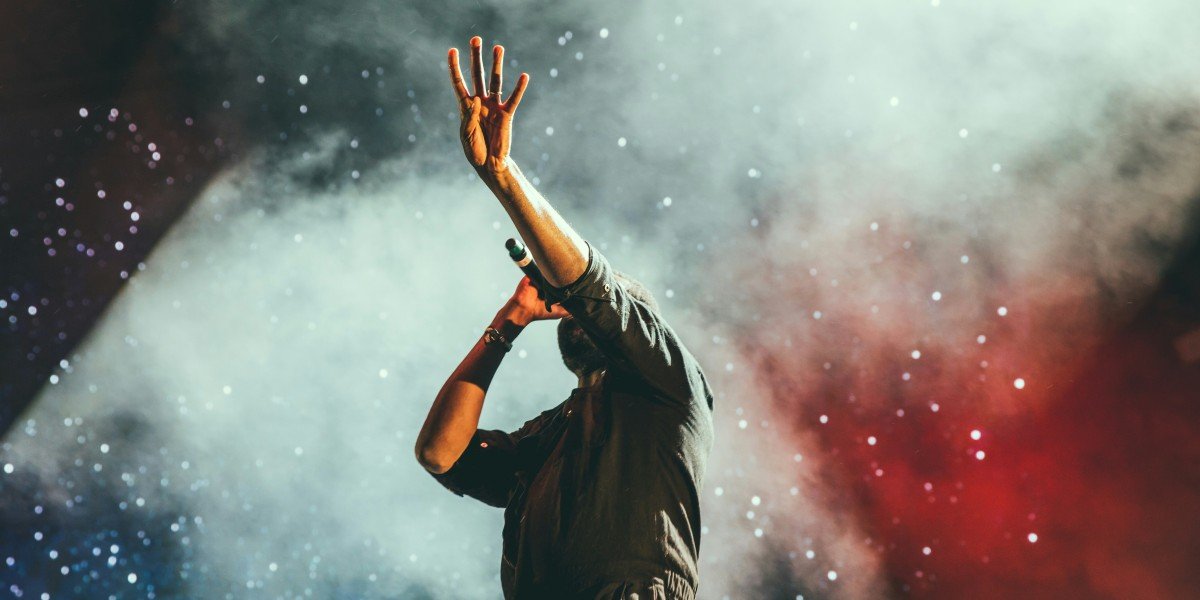
Street musicians are the heartbeat of public spaces. They turn sidewalks into stages, subway tunnels into symphony halls, and city corners into moments of magic. Across the U.S., these artists are reshaping how people experience music, making it spontaneous, accessible, and deeply human. Their charm lies not just in talent, but in presence: raw, unfiltered, and rooted in community.

In an era of algorithmic playlists and curated feeds, street musicians offer something radically different. They bring music to the people, wherever they are, without barriers or gatekeepers. And in doing so, they’re redefining what it means to perform, connect, and inspire.

Soundtracking the Streets

From New York’s Washington Square Park to San Francisco’s Embarcadero, street musicians are part of the urban rhythm. Their performances add texture to the city, jazz riffs echoing off buildings, acoustic ballads drifting through open-air markets, and drum circles drawing crowds in public plazas.

These artists don’t just play music, they create atmosphere. They turn everyday commutes into concerts and casual strolls into cultural experiences. Their presence transforms public spaces into living soundtracks, where music becomes part of the environment.

In cities like New Orleans, Austin, and Chicago, street musicians are woven into the local identity. Brass bands, blues guitarists, and indie vocalists reflect the musical heritage of their surroundings. Their performances are more than entertainment, they’re urban storytelling.

Cultural Connection and Local Identity

Street musicians are cultural ambassadors. Their music reflects the diversity, history, and spirit of the communities they inhabit. In Los Angeles, you might hear Latin rhythms and bilingual lyrics. In Nashville, it’s country ballads and Americana harmonies. In Detroit, expect soul, funk, and Motown echoes.

These performances are deeply personal and hyper-local. They speak to the lived experiences of the artists and the audiences they engage. They create moments of connection, between strangers, between cultures, and between generations.

Street musicians also play a vital role in preserving musical traditions. They keep folk songs alive, reinterpret classics, and introduce new genres to passersby. Their work is a living archive of sound, constantly evolving and always accessible.

Accessibility and Spontaneity

One of the most powerful aspects of street music is its accessibility. There’s no ticket required, no dress code, and no algorithm deciding who gets to hear it. Anyone walking by can stop, listen, and engage. It’s music for everyone, regardless of age, background, or income.

This democratization of performance is especially important in cities where access to live music can be limited. Street musicians bring art to places where traditional venues don’t reach. They make music part of the public domain, enriching neighborhoods and elevating everyday experiences.

The Charm of Street Musicians: Bringing Music to the People

Photo Credit: Unsplash.com

Spontaneity is part of the charm. You never know when you’ll stumble upon a breathtaking solo or an impromptu jam session. These moments feel organic, unscripted, and unforgettable. They remind us that music isn’t just a product, it’s a presence.

Challenges and Resilience

Despite their cultural value, street musicians often face legal and logistical challenges. Noise ordinances, permit requirements, and public space regulations can limit where and when they perform. Some cities embrace busking with designated zones and supportive policies, while others restrict it heavily.

Yet street musicians persist. Their resilience is part of their appeal. They adapt to changing conditions, shift locations, and build communities around their craft. Many rely on digital tools, QR codes for tips, social media for promotion, to sustain their work in a hybrid world.

Public support plays a crucial role. Cities that recognize the value of street music often see stronger community engagement, increased tourism, and more vibrant public spaces. When local governments and residents support buskers, everyone benefits.

The Future of Street Music in the U.S.

As urban life continues to evolve, street musicians remain essential to its rhythm. They offer a counterpoint to digital isolation, reminding us that music is a shared experience. Whether it’s a spontaneous dance party on a corner or a quiet moment of reflection during a solo performance, street music creates connection.

Expect to see more integration between street musicians and city planning. Pop-up stages, busker festivals, and interactive sound installations are already emerging in cities like Seattle, Philadelphia, and Austin. These initiatives recognize that music isn’t just entertainment, it’s infrastructure.

Street musicians are also finding new ways to collaborate. Some partner with local businesses, others join community events, and many are building online platforms to expand their reach. Their adaptability ensures that the charm of street music will continue, no matter how the city changes.

Why It Matters

Street musicians remind us that music doesn’t need a stage, it just needs a listener. They bring art into the everyday, turning public spaces into places of joy, reflection, and connection. Their performances are fleeting but impactful, creating memories that linger long after the last note fades.

In a world that often feels disconnected, street music offers a moment of unity. It’s a shared experience, a cultural exchange, and a celebration of creativity. And in cities across the U.S., it’s happening every day, on sidewalks, in parks, and wherever people gather.

The Hidden Jobs Driving the Modern Music Industry Ecosystem

While artists and producers dominate headlines, the modern music industry thrives on a vast network of professionals who rarely appear in the spotlight. These behind-the-scenes roles are essential to the creation, distribution, and monetization of music. From digital strategists to sync licensing experts, the industry’s infrastructure is powered by individuals whose work ensures that music reaches audiences, generates revenue, and evolves with cultural and technological shifts.

The rise of streaming platforms, global festivals, and social media has created new demands, and new opportunities, for those with skills in logistics, data, branding, and strategy. Understanding these hidden jobs offers insight into how music is made, marketed, and sustained across borders and formats.

Metadata Strategists and Digital Asset Managers Shape Discovery and Revenue

In the digital age, metadata is more than a technical detail, it’s a strategic asset. Metadata strategists are responsible for tagging tracks with accurate information, including genre, mood, contributors, and rights. This data powers search results, playlist placements, and royalty tracking across platforms like Spotify, Apple Music, and YouTube.

Digital asset managers collaborate with labels and distributors to deliver content to digital service providers (DSPs). They oversee the organization, formatting, and protection of music files, ensuring that releases are timely, compliant, and optimized for discovery.

These roles have become essential as streaming platforms rely on algorithms to recommend music. A single error in metadata can result in missed opportunities or lost revenue. Professionals in these positions often work closely with marketing teams to align metadata with campaign strategies, making them key players in digital music distribution.

Festival Logistics Teams Keep the Global Music Scene Moving

Music festivals have evolved into major cultural and economic events, drawing international audiences and generating significant revenue. Behind the scenes, logistics teams manage the complex operations that make these events possible.

Festival coordinators handle site planning, artist transportation, stage construction, vendor management, and crowd safety. Their responsibilities begin months before the event and continue through breakdown and post-event analysis. These professionals ensure that festivals run smoothly, safely, and in compliance with local regulations.

As global festivals reshape the music industry’s business model, logistics roles have gained prominence. Professionals with expertise in international permits, sustainability planning, and cross-border coordination are in high demand. According to insights from Music Observer’s coverage of global festivals, these events are no longer just promotional platforms, they are full-scale productions requiring precision and cultural fluency.

Press Strategists and Publicists Navigate a Hybrid Media Landscape

Publicists have long been central to artist promotion, but their role has evolved in response to the changing media environment. Today’s press strategists manage campaigns across traditional outlets, digital publications, and social platforms. They craft narratives, pitch stories, and coordinate influencer partnerships to amplify visibility.

A well-executed press release remains a powerful tool, especially when paired with digital engagement. As noted in Music Observer’s feature on press release strategy, storytelling is still a cornerstone of artist branding.

Modern publicists also monitor sentiment, track analytics, and respond to viral moments in real time. Their work involves collaboration with visual teams, social media managers, and brand consultants to ensure consistency and impact. In an era where public perception can shift overnight, press strategists play a vital role in maintaining and enhancing an artist’s reputation.

Sync Licensing Coordinators and Music Supervisors Drive Revenue Through Storytelling

As traditional revenue streams fluctuate, sync licensing has emerged as a vital source of income for artists and rights holders. Sync coordinators negotiate music placements in film, television, advertising, and video games, ensuring that songs are properly licensed and compensated.

The Hidden Jobs Driving the Modern Music Industry Ecosystem

Photo Credit: Unsplash.com

Music supervisors curate soundtracks that enhance visual narratives. Their selections influence emotional tone, pacing, and audience connection. Whether working on a blockbuster film or a streaming series, these professionals bridge the gap between music and storytelling.

These roles require a blend of musical expertise, legal knowledge, and creative intuition. Sync teams often collaborate with directors, editors, and brand managers to align music with project goals. With the expansion of content platforms and the growing demand for original scores, sync licensing professionals are becoming indispensable.

Their work also involves rights clearance, contract negotiation, and compliance with licensing laws. As the music industry diversifies its revenue streams, sync licensing continues to offer artists exposure and financial stability.

Emerging Roles Reflect the Music Industry’s Shift Toward Tech and Culture

Beyond traditional roles, the music industry is seeing a rise in hybrid positions that blend technology, culture, and commerce. Audience development specialists, for instance, analyze fan behavior across platforms to inform release strategies. Creative technologists build immersive experiences using AR and VR. Brand partnership managers connect artists with fashion, gaming, and lifestyle companies to expand reach and revenue.

These roles reflect the industry’s shift toward multidimensional storytelling and experiential marketing. They also highlight the growing importance of cultural fluency, professionals who understand regional trends, language nuances, and community engagement are shaping how music travels and resonates.

As the music industry continues to evolve, these emerging roles will become more central. They offer new pathways for professionals who may not play an instrument but still want to shape the future of sound.

The modern music industry is a complex, collaborative ecosystem. While artists and producers remain central, the hidden jobs behind the scenes are equally vital. These roles, from metadata strategy to festival logistics, ensure that music is discoverable, profitable, and culturally resonant.

As the industry continues to evolve, the demand for skilled professionals in these areas will grow. For those looking to enter the music business, understanding these roles opens doors to meaningful careers that shape the future of sound.

Record Labels in the Streaming Age: Opportunities and Challenges

The streaming era didn’t just disrupt how fans consume music, it rewired the entire power structure of the industry. Record labels, once the ultimate gatekeepers of who got heard and who didn’t, now operate in a landscape where anyone with a laptop and a TikTok account can build a global audience.

That democratization is thrilling for independent artists but deeply challenging for traditional record labels. The old model, sign, develop, distribute, has been replaced by a fast-paced, algorithm-driven ecosystem where virality often trumps artist development. Labels are no longer the only path to success, and they know it.

Still, record labels haven’t vanished. They’ve evolved. Today, they’re part curator, part financier, part data analyst. They scout talent on social platforms, negotiate playlist placements, and build brand partnerships that go far beyond radio spins. But the competition is fierce, not just from other labels, but from creators who bypass them entirely.

Labels now operate in a hybrid space. They’re still signing artists, but they’re also partnering with influencers, licensing catalog tracks for social media campaigns, and investing in short-form content. The role of a label executive today includes understanding meme culture, tracking engagement metrics, and navigating creator economies.

Streaming Platforms Changed the Game, But Not Always in Favor of Labels

Streaming platforms like Spotify, Apple Music, and YouTube have become the primary stage for music discovery. That shift has created massive reach for artists and labels alike, but it’s also introduced new challenges around visibility, monetization, and control.

Record labels now compete for attention in a sea of endless content. Getting a song onto a major playlist can make or break a release, and labels often invest heavily in marketing to secure those coveted slots. But the algorithms don’t always play fair. A viral moment can come from anywhere, a dance trend, a meme, a sync placement, and labels are constantly chasing the next wave.

Revenue models have also shifted. Instead of selling albums, labels earn fractions of a cent per stream. That means catalog management, licensing, and sync deals have become critical revenue streams. Labels are leaning into legacy content, reissues, and remastered classics to stay profitable.

Some artists are choosing to go independent, citing better control and higher margins. But signing with a label still offers scale, infrastructure, and access to global networks. As noted in this guide on what to know before signing, artists must weigh the trade-offs carefully.

Labels are also navigating exclusivity battles. Some platforms push for exclusive content, while others prioritize open access. Labels must decide whether to play ball or push back, and those decisions can impact artist visibility and fan engagement.

Artist Development Is Still a Core Value, But It Looks Different Now

In the streaming age, artist development hasn’t disappeared, it’s just been redefined. Record labels still invest in talent, but the metrics have changed. Instead of relying solely on A&R instincts, labels now analyze engagement data, follower growth, and audience retention across platforms.

That doesn’t mean artistry is dead. Labels still nurture long-term careers, fund studio time, and connect artists with producers, songwriters, and stylists. But they also expect artists to come with a built-in audience and a clear brand identity. The days of discovering a raw talent and building from scratch are rarer, though not extinct.

Labels are also expanding their role beyond music. They’re helping artists launch fashion lines, podcasts, and branded content. The goal is to build multidimensional creators who can thrive across media. In this post-genre landscape, where artists blend styles and defy categorization, labels are learning to adapt. As explored in this piece on genre fusion and the future of music, the boundaries are blurring, and labels are evolving with them.

Artist development now includes social media coaching, content strategy, and audience analytics. Labels are hiring digital strategists alongside publicists and tour managers. They’re building teams that understand both the art and the algorithm.

Global Reach Is Easier Than Ever, But So Is Global Competition

Streaming has made it possible for artists to reach fans in every corner of the world. That’s a huge opportunity for record labels, especially those investing in international talent and cross-border collaborations. Latin music, K-pop, Afrobeats, these genres have exploded globally, and labels are racing to sign the next breakout stars.

But global reach also means global competition. A song released in Manila can compete with a track from Miami or Madrid in the same playlist. Labels must think globally when crafting campaigns, choosing release dates, and building partnerships. Localization, translation, and cultural fluency are now part of the marketing toolkit.

Record Labels in the Streaming Age Opportunities and Challenges

Photo Credit: Unsplash.com

Labels are also investing in regional offices, scouting talent in emerging markets, and building infrastructure to support artists outside the traditional U.S.–U.K. axis. The rise of multilingual releases, genre hybrids, and international fanbases is reshaping how labels operate, and who they prioritize.

Even legacy labels are adapting. They’re signing artists from TikTok, launching imprint labels focused on niche genres, and partnering with local distributors to tap into regional trends. The global music economy is no longer a future, it’s the present.

The Future of Record Labels Depends on Adaptability, Not Legacy

Record labels aren’t obsolete, but they’re no longer untouchable. In the streaming age, their success depends on adaptability, innovation, and a willingness to rethink everything from contracts to content strategy.

Some labels are experimenting with shorter deals, artist-friendly splits, and joint ventures. Others are building in-house content studios, launching podcasts, and partnering with gaming platforms. The goal is to stay relevant in a culture that moves fast and values authenticity.

Labels that thrive in this environment are the ones that listen, to artists, to fans, to data. They’re not just pushing music; they’re building communities, telling stories, and creating experiences. And while the challenges are real, declining margins, fierce competition, shifting algorithms, the opportunities are just as powerful.

Streaming didn’t kill record labels. It forced them to evolve. And in that evolution, there’s room for creativity, collaboration, and reinvention. The labels that embrace change, and center artist empowerment, will shape the next era of music.

Kendrick Lamar Dominates 2026 Grammy Race with Nine Nominations

Kendrick Lamar leads the nominations for the 2026 Grammy Awards, earning recognition in nine categories, including Album of the Year, Record of the Year, and Best Rap Performance. The Recording Academy released the full list Thursday morning, with Lamar emerging as this year’s top contender.

His latest release drew attention for its storytelling and intricate production, reaffirming Lamar’s standing as one of music’s most acclaimed artists. The project secured nominations across major and genre-specific categories, a distinction that continues his consistent Grammy record spanning more than a decade.


Recognition Across Major Categories

Lamar’s nominations cover the Grammys’ most competitive fields. His album is nominated for Album of the Year, with individual tracks also receiving recognition for songwriting and production. In the rap categories, he appears alongside Travis Scott, J. Cole, and Doja Cat, marking one of the most tightly contested fields in recent Grammy history.

The Recording Academy confirmed that Lamar’s work was among the most submitted across categories, reflecting both critical attention and commercial impact. Industry analysts note that the nominations highlight his continued ability to bridge mainstream appeal and artistic credibility — a balance that has defined his career since To Pimp a Butterfly and DAMN.

The nominations place Lamar ahead of fellow frontrunners Taylor Swift, Olivia Rodrigo, and SZA, who each earned between six and seven nominations.


A Consistent Grammy Performer

This year’s recognition adds to Lamar’s already extensive Grammy record. Since his first nominations in 2014, he’s accumulated 17 wins, including Best Rap Album for DAMN. and multiple awards for Mr. Morale & the Big Steppers.

Lamar has remained a steady presence in Grammy conversations for over a decade. His blend of conceptual writing, complex production, and social commentary has made his projects staples of both critic lists and award ballots. Each release has expanded his influence across rap, pop, and film music, particularly following his acclaimed work on Black Panther: The Album.

The 2026 nominations confirm that Lamar’s relevance hasn’t dimmed. Rather than relying on nostalgia or past success, his current recognition stems from new material that continues to connect with audiences.


Reaction from Peers and the Academy

The Recording Academy’s announcement generated widespread attention across music circles. Peers and collaborators acknowledged Lamar’s strong showing on social media, with fellow nominees praising his consistency and work ethic.

Recording Academy CEO Harvey Mason Jr. noted that this year’s nomination cycle showed “a broad representation of today’s music,” emphasizing that submissions spanned genres more evenly than in previous years. Lamar’s appearance across both major and rap categories supports that trend, showing that hip-hop’s reach extends beyond its own divisions.

The Grammys have gradually adjusted category definitions to reflect changes in contemporary music. Lamar’s multi-category presence aligns with how artists now operate across styles — blending rap, jazz, and electronic influences within the same body of work.


Other Leading Nominees

While Lamar leads the overall count, several artists follow closely. Taylor Swift received seven nominations for The Tortured Poets Department, Olivia Rodrigo earned six for Guts (Deluxe), and SZA matched her total with nominations including Song of the Year.

The Album of the Year field features a wide mix of genres, including pop, R&B, country, and alternative entries. This balance reflects ongoing efforts by the Recording Academy to expand recognition beyond mainstream categories.

Still, Lamar’s dominance marks a continuation of hip-hop’s strong visibility in major categories, a trend that began with artists like Outkast, Kanye West, and Jay-Z and has since solidified as a Grammy mainstay.


Looking Ahead to the Ceremony

The 2026 Grammy Awards will take place in February at the Crypto.com Arena in Los Angeles. The live broadcast will air on CBS and stream on Paramount+, continuing the network’s partnership with the Recording Academy.

Producers are expected to confirm live performances closer to the event, but Lamar’s name is already circulating among expected performers. His Grammy appearances often stand out for their theatrical production and political undercurrents, including his 2016 performance of Alright, which received widespread acclaim.

The upcoming ceremony will again feature over 90 categories, ranging from traditional recording awards to emerging sections for video games, immersive audio, and African performance.


A Decade of Artistic Continuity

For Lamar, the nominations represent more than another awards cycle. They reinforce a career built on precision and longevity — qualities often rare in an era defined by viral singles. His projects arrive infrequently but leave lasting impact, blending lyrical structure with narrative coherence.

The consistent acknowledgment by the Recording Academy suggests that audiences and critics continue to see value in that approach. His presence across multiple categories also points to how the Grammys have evolved to recognize layered projects that merge art and accessibility.

Whether or not Lamar converts nominations into wins, the 2026 Grammy slate confirms his enduring position as one of the most influential figures in modern music.

From Red Carpets to Climate Action: Celebrities Leading the Way

Climate action has moved from the sidelines to center stage in the entertainment world. What was once a niche concern is now a defining issue for artists, producers, and industry leaders alike. As the climate crisis intensifies, the music and entertainment sectors are being forced to reckon with their environmental impact, and many are stepping up.

From reducing emissions on global tours to rethinking the materials used in stage design, climate action is no longer a side initiative. It’s becoming a core part of how entertainment is produced, consumed, and monetized. And while celebrities may help amplify the message, the real transformation is happening behind the scenes, in production offices, tour buses, recording studios, and boardrooms.

Sustainable Touring and Eco-Conscious Production Are Gaining Momentum

One of the most visible shifts in climate action within the music industry is the rise of sustainable touring. Major artists and their teams are rethinking how they move, power, and promote their shows. This includes switching to biodiesel or electric tour buses, offsetting carbon emissions, and eliminating single-use plastics from backstage areas.

Tour production companies are also embracing greener practices. LED lighting, modular stage designs, and digital ticketing systems are becoming standard. Some tours now include sustainability riders, requiring venues to meet specific environmental criteria before hosting a show.

These changes are not only environmentally responsible, they’re also good business. Fans are increasingly eco-conscious, and artists who align with those values are building deeper loyalty. Climate action is becoming a brand differentiator, especially among younger audiences who expect their favorite performers to lead by example.

Green Innovation Is Transforming Music Technology and Merch

Beyond touring, climate action is influencing how music is made and sold. Equipment manufacturers are developing eco-friendly instruments, biodegradable vinyl, and energy-efficient sound systems. Studios are installing solar panels, using recycled materials for acoustic treatments, and adopting low-energy recording practices.

Merchandise, a major revenue stream for many artists, is also getting a sustainable makeover. Organic cotton, water-based inks, and plastic-free packaging are replacing traditional materials. Some artists are even experimenting with on-demand printing to reduce waste and overproduction.

As highlighted in Music Observer’s feature on eco-friendly electronics, the intersection of music and environmental consciousness is driving innovation across the supply chain. From headphones made with recycled metals to carbon-neutral streaming platforms, the future of music tech is looking greener by design.

Venues, Theatres, and Festivals Are Going Climate-Forward

The push for climate action is also transforming the spaces where music and performance come to life. Concert venues and theatres are adopting sustainability initiatives that go far beyond recycling bins. These include energy-efficient HVAC systems, composting programs, and partnerships with local farms for catering.

Festivals, long criticized for their environmental toll, are becoming laboratories for green innovation. Organizers are investing in solar-powered stages, reusable cup systems, and zero-waste infrastructure. Some are even offering incentives for attendees who arrive via public transit or bike.

Theatres, too, are embracing change. As explored in Music Observer’s coverage of eco-conscious theatre practices, productions are reusing set materials, sourcing costumes from ethical suppliers, and reducing energy use during rehearsals and performances.

These efforts are not only reducing emissions, they’re also reshaping audience expectations. Climate action is becoming part of the entertainment experience, woven into everything from ticketing to concessions.

Cultural Influence Meets Environmental Responsibility

While the entertainment industry is making structural changes, public figures continue to play a role in amplifying climate action. Celebrities, from musicians to actors, are using their platforms to raise awareness, fund environmental initiatives, and model sustainable lifestyles.

From Red Carpets to Climate Action Celebrities Leading the Way

Photo Credit: Unsplash.com

Figures like Leonardo DiCaprio, Billie Eilish, and Jane Fonda serve as examples of how public figures can use their influence to spotlight climate issues. Their involvement, whether through documentaries, sustainable touring, or direct activism, helps bring visibility to environmental concerns that might otherwise remain siloed in policy circles or scientific communities. But the real story isn’t about individual fame; it’s about how these actions mirror and accelerate a deeper transformation happening across the entertainment ecosystem.

Today’s climate-conscious entertainment industry is no longer driven solely by star power. It’s shaped by producers who demand carbon audits on set, tour managers who prioritize low-emission logistics, and venue operators who retrofit buildings for energy efficiency. Labels and agencies are hiring sustainability officers, integrating climate goals into contracts, and partnering with environmental nonprofits to build long-term strategies. These shifts are structural, not symbolic, and they’re happening across genres, formats, and geographies.

What began as isolated gestures, a speech at an awards show, a vegan merch line, a protest appearance, has evolved into a coordinated movement. Climate action is now embedded in production workflows, brand partnerships, and audience engagement strategies. It’s influencing how music is recorded, how films are distributed, and how live events are designed. And while public figures help amplify the message, the momentum is coming from within: from creatives, technicians, and executives who see sustainability not as a trend, but as a mandate.

From Awareness to Accountability: What’s Next for Climate Action in Entertainment

The next phase of climate action in entertainment is about accountability. It’s no longer enough to make statements or symbolic gestures. Stakeholders across the industry are being asked to show measurable progress, and that means setting targets, tracking emissions, and reporting results.

Agencies and labels are hiring sustainability officers. Production companies are conducting carbon audits. Music festivals are publishing annual impact reports. These steps mark a shift from performative activism to operational change.

There’s also a growing emphasis on equity. Climate justice, the idea that environmental solutions must also address social inequality, is gaining traction. Entertainment professionals are partnering with Indigenous leaders, frontline communities, and youth activists to ensure that climate action is inclusive and intersectional.

This evolution is not just ethical, it’s strategic. As fans, investors, and regulators demand more transparency, the entertainment industry is recognizing that sustainability is essential to long-term relevance and resilience.

Why Do Songs Get Stuck in Your Head

Almost everyone has experienced it: a song plays once, and suddenly, a small piece of it loops endlessly in the mind. Scientists often refer to this as an earworm—a tune that lingers even when the music has stopped. Research suggests that earworms form because of how the brain processes rhythm, repetition, and melody. When a song’s structure matches the brain’s natural pattern-seeking tendencies, it’s more likely to stay lodged in memory.

Simple melodies with repetitive hooks are particularly good at this. They activate parts of the auditory cortex—the section of the brain responsible for processing sound. When that activation repeats, the brain creates a mental feedback loop. Even without hearing the song again, the memory replays the sound internally. This explains why the same line or chorus often resurfaces instead of the entire song.

Familiarity also plays a role. Songs that have been heard often—whether on the radio, social media, or in commercials—tend to imprint more deeply. The brain likes predictability, so it repeats sounds that feel recognizable and easy to recall. Earworms, in this sense, are not just random annoyances—they’re side effects of a healthy memory system working efficiently.


Why Certain Songs Stick More Than Others

Not all songs have the same staying power. Some are crafted in ways that practically invite repetition. Music psychologists have found that earworm songs often share similar characteristics: fast tempos, rhythmic predictability, and melodic leaps that make them distinct. A song like “Call Me Maybe” or “Bad Guy” works because it balances familiarity with a small musical surprise, giving the brain something to latch onto.

Lyrics can also strengthen the effect. Repetition within words reinforces the musical loop. When a chorus repeats a phrase, like “shake it off” or “let it go,” the brain links sound with language, doubling the likelihood that the phrase replays later. Even instrumental pieces can cause earworms if the melody follows a pattern that’s easy to remember.

Interestingly, emotional response matters too. Songs connected to a strong feeling—joy, nostalgia, or even mild irritation—stick longer. The emotional brain, known as the limbic system, tags those experiences as important, making them harder to forget. That’s why songs tied to specific moments, like summer trips or big milestones, often return years later.


The Role of Memory and Repetition

The connection between earworms and memory is a key part of understanding why this happens. The brain uses a process called involuntary musical imagery, which replays parts of songs to reinforce memory patterns. It’s similar to how a person might unconsciously repeat a phone number to remember it. The difference is that music activates more sensory areas—sound, rhythm, even movement—so the mental replay feels more vivid.

The more often a song is heard, the stronger its neural connections become. Repetition trains the auditory system to predict what comes next, which is satisfying for the brain. When the expected note or lyric doesn’t actually play, the brain sometimes fills in the missing piece automatically. That’s the “stuck” feeling people experience—it’s the mind finishing the tune on its own.

This mechanism also explains why earworms can appear randomly, even days after hearing a song. Once a tune is embedded in long-term memory, it can be triggered by subtle cues. A similar rhythm, a phrase in conversation, or even a mood can evoke it. It’s less about the song itself and more about how deeply it’s wired into familiar memory networks.


Why Earworms Aren’t Always a Bad Thing

While getting a song stuck in one’s head can be mildly irritating, psychologists say it’s usually harmless. In fact, earworms may serve useful cognitive functions. They help strengthen auditory memory, improve pattern recognition, and can even elevate mood. The brain often uses music as a way to self-regulate emotions—replaying familiar songs can reduce stress or create a sense of comfort.

Some studies suggest that individuals with strong musical engagement—such as playing an instrument or frequently listening to music—are more prone to experiencing earworms. Rather than a flaw, it’s a sign of an active auditory system that responds quickly to rhythm and tone. For most, the experience fades naturally once attention shifts elsewhere.

There are practical tricks for clearing a stuck song. Listening to the tune in full can provide a sense of closure, while chewing gum or engaging in a conversation may distract the auditory loop. Another strategy is replacing the song with a different melody that has a clear ending, such as a slower, less repetitive track.


What Earworms Reveal About the Human Brain

Earworms might seem trivial, but they show how closely music and memory intertwine. The same neural pathways that help people recall faces, places, and emotions are also responsible for storing rhythm and sound. This overlap explains why a few bars of a childhood song can instantly evoke vivid memories.

Music also operates as a universal language in the brain. People from different cultures and languages experience earworms, suggesting that rhythm and melody trigger shared neurological patterns. Even without understanding the lyrics, the structure of the sound itself creates recognition.

From a scientific perspective, earworms are a glimpse into the brain’s effort to make sense of repetition and reward. Each replay triggers small bursts of dopamine—the same chemical linked to pleasure and motivation. That’s part of why songs that get stuck often feel satisfying to think about, even if they’re slightly annoying.


A Familiar Loop in Everyday Life

Everyone carries a mental playlist shaped by their experiences and exposure. A morning jingle, a commercial melody, or a favorite song from high school can surface at any time. Earworms are reminders that the human mind doesn’t just store information—it interacts with it. Music becomes a kind of mental habit, replaying familiar comfort when silence feels too quiet.

While science continues to explore why specific tunes outlast others, one thing is clear: earworms connect memory, rhythm, and emotion in a way few other sensations can. They show how music lives beyond speakers and headphones, becoming part of daily thought. A catchy chorus might fade eventually, but its rhythm lingers quietly, proving how deeply sound can shape the human experience.

Sabrina Carpenter to Star and Produce “Alice in Wonderland”-Inspired Musical at Universal

Pop star Sabrina Carpenter is taking her talents to the big screen in a new musical film inspired by Lewis Carroll’s Alice’s Adventures in Wonderland, according to Variety.

The untitled Universal Pictures project marks Carpenter’s first major studio feature role. She will also serve as a producer alongside Marc Platt, whose company, Marc Platt Productions, is behind major hits such as La La Land and Wicked.

A Fresh Take on a Timeless Tale

While plot details remain under wraps, the film is described as inspired by Carroll’s original story, suggesting a modern and musical reinterpretation rather than a direct adaptation. India Today notes that this project aims to blend fantasy with contemporary themes, offering a whimsical yet relatable story for today’s audiences.

Lorene Scafaria, known for directing Hustlers and writing Seeking a Friend for the End of the World, will write and direct the feature. Her background in both comedy and drama suggests the musical may balance emotional storytelling with humor and spectacle.

Carpenter’s Hollywood Leap

Following the Grammy-nominated success of her album Man’s Best Friend, Carpenter’s move into producing and acting solidifies her growing influence in entertainment. Her prior screen credits include Tall Girl and The Hate U Give, but this Universal musical marks her first lead role in a major motion picture.

According to Deadline, Carpenter initially pitched the project to Universal in 2024, with Scafaria joining soon after. The collaboration reportedly evolved into a full-scale musical with strong studio backing.

Behind the Scenes

Production will be overseen by Universal executives Ryan Jones and Jacqueline Garell, alongside producers from Alloy Entertainment. The project is still in early development, and no release date or additional cast details have been confirmed.

This isn’t Carpenter’s first time attached to an Alice in Wonderland concept. Back in 2020, Netflix had acquired a musical version from her production banner, At Last Productions, but that deal never materialized.

Fans speculate Carpenter could portray Alice herself, though Universal has yet to confirm her role. The combination of Carpenter’s pop artistry, Scafaria’s storytelling, and Universal’s cinematic scale hints at a visually bold and emotionally charged reimagining of Wonderland.

If realized as expected, this project could become one of the most anticipated musical films of 2026, blending classic fantasy with modern pop sensibility.

ITZY Returns with ‘Tunnel Vision’ — A Compact, Confident New Chapter

ITZY’s new EP Tunnel Vision shows how the group continues to merge musical variety with high-energy performance. Known for balancing sharp choreography and rhythmic pop production, the group delivers a set that feels both confident and experimental. The project leans into layered beats, melodic hooks, and vocal textures that move easily between playful and polished.

Each track builds on ITZY’s established themes—self-assurance, independence, and youth—but the production feels slightly more grounded than before. The EP mixes garage-inspired rhythms, smooth R&B lines, and minimal electronic elements that create a clean, modern tone. It’s a noticeable contrast from their earlier work, where heavy drops and explosive choruses dominated. The new sound suggests an effort to broaden appeal while maintaining the high-energy edge that has made the group distinct.

Listeners can sense a calculated shift toward global sensibilities. The melodies are catchy but not repetitive, and the beats rely on subtle detail rather than volume. The result is a short project that carries the precision of a performance rehearsal while still sounding spontaneous.


A Visual and Performance Showcase

For ITZY , music and movement are inseparable. The Tunnel Vision rollout puts choreography front and center, reinforcing how performance remains the group’s strongest tool in the competitive K-pop field. The title track’s video pairs complex formations with visual contrast—light against shadow, stillness against speed—mirroring the EP’s balance between calm and confidence.

The choreography isn’t designed only for spectacle. It connects to the EP’s theme of focus and persistence, using body language as storytelling. The group has often relied on physical expression to communicate their message of self-definition, and Tunnel Vision continues that pattern with more deliberate pacing.

Each visual presentation, from stage outfits to lighting, feels coordinated to highlight synchronization and control. These choices don’t just enhance the entertainment value—they serve as reminders of how ITZY uses dance as a language, shaping a global image that audiences recognize instantly.

For fans, these visuals also drive community engagement online. Performance clips spread easily across short-form platforms, and dance practice videos often gain as much traction as the songs themselves. The release strategy behind Tunnel Vision seems aware of this reality: it’s an EP built as much for screens as for streaming charts.


Reading the Release Strategy

The structure of Tunnel Vision feels intentional. With only a handful of tracks, it mirrors a trend in the global music market where artists focus on shorter projects that sustain attention without overwhelming listeners. For ITZY, this approach keeps their sound in circulation while allowing flexibility for tours and collaborations.

Shorter EPs often serve as test platforms for new directions. Here, ITZY experiments with tone and tempo. The production draws from UK garage and early 2000s pop influences but blends them with the bright layering typical of K-pop. This combination appeals to both domestic fans and international audiences who have become accustomed to hybrid pop styles.

From a business perspective, compact releases like Tunnel Vision also make sense for streaming. They encourage repeat plays, boosting visibility on algorithm-driven playlists. That repetition can help sustain relevance between larger album cycles. For ITZY’s label, it’s a model that keeps momentum going while minimizing creative burnout for artists who balance constant touring and promotional work.


Global Position and Market Relevance

ITZY’s presence in global K-pop remains stable. Since their debut, they’ve stood out through dance-driven performances and consistent branding built around confidence. While newer groups continue to enter the international market, ITZY’s familiarity and reliability give them an advantage.

The Tunnel Vision release aligns with that strategy. Instead of reinventing the group’s image, it refines it. The visual tone feels mature but not distant, playful but not excessive. It’s an evolution that suggests awareness of where the group stands in their career—experienced enough to experiment, but still youthful in energy.

Touring potential also ties closely to this release. Songs built on rhythm-heavy production and clean vocal layering adapt well to live performance, especially when paired with intricate choreography. The EP’s pacing gives flexibility for both full concerts and festival sets. For international fans, this type of material translates easily, crossing language barriers through movement and melody rather than complex lyricism.


Audience Connection and Longevity

K-pop’s connection with its audience has always relied on a blend of accessibility and aspiration. Fans connect with ITZY’s message of confidence while admiring the technical precision of their performance. Tunnel Vision strengthens that connection through familiarity. It doesn’t abandon what made ITZY recognizable—it polishes it.

The EP’s tone leans toward self-focus and clarity, hinted at through both its title and lyrics. “Tunnel vision” suggests concentration, and that concept runs through the project. The songs reflect persistence and the drive to move forward, even when distracted by uncertainty. It’s an idea that resonates beyond the fandom, fitting neatly within global conversations about focus and self-worth in creative work.

Streaming feedback and fan responses suggest that the EP is being received as a return to form rather than a reinvention. The sound is familiar enough to comfort listeners but sharp enough to feel new. For casual audiences, it’s approachable; for dedicated fans, it’s another layer of ITZY’s ongoing narrative about control, growth, and balance.


The Broader Impact

Tunnel Vision isn’t just another addition to ITZY’s discography—it’s a case study in how K-pop groups adapt to global markets without losing their identity. By keeping production lean and visuals striking, the group reinforces how artistry and strategy can align without excess.

The release also speaks to a shift in how music consumption shapes performance culture. In an era where attention spans are short, ITZY’s focus on precision, choreography, and compact storytelling keeps them competitive. They continue to show that a well-timed release doesn’t have to overwhelm—it just has to connect.

As Tunnel Vision makes its way through charts and social media feeds, it stands as a reminder that global pop success often depends less on scale and more on clarity. ITZY’s formula—sharp visuals, focused sound, and steady self-assurance—remains one of K-pop’s most consistent exports.

Coldplay Joins Artists Demanding Ticket Resale Price Cap in UK

Why Ticket Prices Are Under Scrutiny

Fans across the UK have voiced frustration about paying inflated prices for concert tickets. Resale platforms often allow bulk buyers, sometimes called touts, to purchase large numbers of tickets and then resell them at much higher prices. This practice leaves many fans unable to afford shows or forces them to pay far more than the original cost.

Coldplay, along with Dua Lipa, Radiohead, and Iron Maiden, signed a letter to Prime Minister Sir Keir Starmer asking for a cap on resale prices. The letter explained, “For too long certain resale platforms have allowed touts to bulk buy and then resell tickets at inflated prices, forcing fans to either pay above the odds or miss out entirely”.

The artists argue that unchecked resale practices erode trust between fans and performers. They believe that capping resale prices would make live music more accessible and fair.

Coldplay’s Tour Continues

While speaking out on ticketing issues, Coldplay is also keeping its Music of the Spheres world tour rolling. The band recently announced new North American dates for summer 2025, including stops in Stanford, El Paso, and Madison. These cities will host Coldplay for the first time, alongside stadium shows in Las Vegas, New York, and Chicago.

The tour has already broken records for attendance and ticket sales worldwide. Coldplay’s performances combine music with large‑scale visuals, making them one of the most sought‑after live acts. As Live Nation reported, the band’s expansion into new cities reflects strong demand across the U.S.

Fans continue to show enthusiasm, but the band’s activism highlights that access to tickets must remain fair if live music is to thrive.

New Music and Collaborations

Coldplay also released their 10th studio album Moon Music in October 2025. The record blends their signature stadium sound with collaborations that bring in global pop influences. Singles like WE PRAY TWICE and All My Love with PNAU showcase their willingness to experiment while staying connected to mainstream audiences.

The album is being featured heavily on their tour setlist, giving fans a chance to experience new songs live. Coldplay’s ability to balance activism, touring, and recording demonstrates their continued influence in the industry.

As Billboard noted, Moon Music represents another step in the band’s long career, showing how they adapt while keeping their global fan base engaged.

Why This Matters for Fans and the Industry

Coldplay’s involvement in the ticket resale debate is significant because it connects artists directly to fan concerns. By joining other major acts in calling for reform, they’re putting pressure on policymakers to address practices that many see as unfair.

At the same time, their ongoing tour and new album show that Coldplay remains committed to delivering music experiences worldwide. The combination of activism and artistry reflects how bands can use their platform to influence both culture and industry standards.

For fans, the message is clear: artists are aware of the challenges around ticketing and are willing to speak up. Whether reforms happen will depend on government action, but the conversation has gained momentum thanks to Coldplay and their peers.

Hayley Williams Adds Shows to Her 2026 Tour Across the US and Europe

How the 2026 Tour Came Together

Hayley Williams is heading into a new chapter with her 2026 solo tour. She first announced the run through a series of posts outlining a schedule that stretches across the United States and into Europe. The tour supports her album Ego Death at a Bachelorette Party, which marks another step in her creative work outside Paramore.

The first wave of dates already had strong response from fans. Music outlets described how demand built quickly. Pitchfork reported that Williams shared the full list of cities soon after revealing her solo plans, confirming that she’ll be performing in venues ranging from theaters to mid-size arenas around the US and Europe. The outlet wrote that she “announced a 2026 tour supporting her new album,” giving a sense of how this tour connects directly to her latest project (Pitchfork).

The tour begins in the southeast. It’s set to open in Atlanta, a location that’s becoming a common starting point for major pop and rock tours thanks to its central access to nearby cities and its active music economy. Starting the run there gives Williams room to shape the tone of the tour in a city with a strong live-music audience.

Why More Dates Were Added

The decision to add more shows came shortly after tickets went up for presale. Some dates filled faster than expected, especially in larger markets like New York, Toronto, Chicago and Nashville. When additional dates were announced, Kerrang! wrote that Williams added shows “due to overwhelming demand,” describing how cities such as Atlanta, Los Angeles and Austin received extra nights on the schedule (Kerrang).

The pattern is familiar across the touring industry. When artists carry both band-based and solo careers, they often have two sets of fans watching their schedules. Some are long-time Paramore listeners who’ve followed Williams since she was a teenager. Others discovered her through her solo work or collaborations. That combination can create faster ticket demand than expected, especially for artists who don’t tour heavily every year.

High demand can also reflect the way fans interact with artists on social platforms. Williams has maintained a steady presence online, where she shares updates tied to her personal work, her brand Good Dye Young and her music direction. That visibility helped fans track the announcement quickly and respond when tickets were released. The mix of markets, show sizes and timing helped produce pockets of rapid sellouts.

How Ticketing Strategy Played a Role

Managing demand has become a major part of tour planning. Williams’ team implemented a verified-fan style presale system to help reduce bot purchases and large-scale scalping. Coverage from The Austin American-Statesman noted that the tour used a system designed to filter buyers so that more tickets reached real fans. The outlet explained that her team wanted to “combat bots and scalpers,” an approach that many artists now rely on for mid-size and large venues.

This type of system may not eliminate all secondary-market issues, but it can reduce the initial wave of inflated resale prices. Fans often look for transparency in how tickets are sold. When an artist addresses these concerns directly, it can build trust and make the tour experience feel more stable. Williams’ decision to use this method shows how she and her team are adapting to an industry where ticketing issues can shape public reaction just as much as the shows themselves.

Her use of this system also signals that the tour is structured for long-term engagement. Bringing consistency to the ticketing process helps maintain goodwill while preparing for additional dates that may be added if demand continues.

Why the Solo Tour Matters for Her Career

This tour marks a meaningful stage in Williams’ career. Performing solo gives her space to explore a different sound and stage presence than the one she built with Paramore. The band isn’t going away, but taking on a separate tour creates room for personal expression.

Her album title hints at a conceptual approach, and touring on that idea offers musical moments that differ from Paramore’s format. The setlist is expected to draw from her solo catalog, which leans into softer production, introspective writing and emotional themes that shift away from the rock-centered sound that made her widely known.

Audiences benefit from this duality. Some songs work best in smaller rooms where lyrics and arrangement feel closer. Others gain strength when paired with a full stage setup. Touring solo allows Williams to calibrate the show to the mood of the new album while still acknowledging the long relationship she has with fans who’ve grown alongside her.

What Fans Can Expect as the Tour Approaches

The expansion of dates suggests that the tour will stay active well into the year. Cities with added shows often see more merchandise, pop-ups or local collaborations appear as the tour gets closer. Williams has a history of using color, fashion and personal design choices to shape the visual identity of her projects, so fans may notice close ties between the album’s branding and the stage design.

Her work with Good Dye Young may also influence the aesthetic tone of the shows. While nothing official has been announced on that front, her past tours have occasionally used the brand’s palette and themes in subtle ways that complement the music without turning it into a commercial element.

For now, the tour is positioned as a major event for fans who’ve watched her career across multiple eras. Adding dates across the US and Europe shows how strongly her solo work resonates, and confirms that the coming year will be shaped by a steady schedule of shows in multiple regions.