Music Observer

Warner Music Signs Landmark AI Deal With Suno

Why Warner Music Shifted From Lawsuit to Partnership

Warner Music Group had been one of several major labels suing Suno, an AI startup accused of training its models on copyrighted music without permission. The lawsuit centered on claims that Suno scraped catalogs to generate synthetic tracks, raising alarms about artist rights and intellectual property.

On November 25, 2025, Warner dropped its lawsuit and announced a licensing partnership instead. This move signals a strategic pivot: rather than fighting AI outright, Warner is choosing to shape how it enters the industry. By licensing its catalog, Warner ensures that artists are compensated and protected while still exploring new creative and commercial opportunities.

This decision sets Warner apart from Universal Music Group and Sony Music, which continue to pursue litigation against AI platforms. Warner’s approach suggests that collaboration may be more effective than confrontation in defining the future of generative music.

What the Deal Actually Covers

The agreement gives Suno licensed access to Warner’s catalog, allowing the startup to train models legally. Artists under Warner can opt in to have their voices, likenesses, or songs used in AI‑generated music. Consent is required for voice cloning and remixes, addressing one of the most sensitive issues in the debate.

Starting in 2026, Suno will release licensed AI models that require users to pay for audio downloads. This marks a shift away from free, unlicensed tracks circulating online. By monetizing AI‑generated music, Warner and Suno are creating a new revenue stream while ensuring artists benefit from the process.

The deal also included Suno’s acquisition of Songkick, Warner’s concert‑discovery platform. This move expands Suno’s footprint in live music, connecting AI innovation with real‑world fan engagement.

Why This Matters for Artists

For musicians, the deal offers both protection and opportunity. Protection comes from the requirement that artists must consent before their voices or likenesses are used. This prevents unauthorized cloning and ensures that creative identity remains under the artist’s control.

Opportunity comes from new revenue streams. If fans pay to download AI‑generated tracks, artists whose work is licensed into the system will receive compensation. This could open doors for collaborations between human musicians and AI systems, blending traditional artistry with new technology.

The deal also highlights how labels are positioning themselves as gatekeepers in the AI era. By controlling licensing, Warner ensures that artists don’t lose ownership of their work while still participating in innovation.

Industry Impact and Comparisons

Warner’s partnership with Suno is the first of its kind among major labels. Universal and Sony remain in litigation, arguing that AI platforms must be held accountable before collaboration is possible. Warner’s move suggests a different strategy: shape the rules by participating directly.

This split highlights a broader industry debate. Should labels fight AI in court, or should they embrace it through licensing? Warner’s decision may influence how other companies respond, especially if the partnership proves profitable.

For independent artists, the deal raises questions about access. While major label acts will benefit from licensing agreements, smaller musicians may still face challenges in protecting their work. The industry will need to consider how to extend protections beyond the biggest names.

Reactions From Leaders

Warner Music CEO Robert Kyncl described the deal as “a victory for the creative community that benefits everyone.” He emphasized that the partnership expands revenue streams while delivering new fan experiences.

Suno CEO Mikey Shulman called the agreement “unlocking a bigger, richer Suno,” pointing to rapid growth in users and monetization. He argued that collaboration with Warner legitimizes AI music and sets the stage for broader adoption.

Analysts view the deal as a turning point. By moving from confrontation to collaboration, Warner is positioning itself as a leader in defining how AI fits into the music business.

What Comes Next

The first licensed Suno models are expected to launch in 2026. These models will allow fans to generate music legally, with payments flowing back to Warner and its artists. The acquisition of Songkick suggests that Suno will also integrate AI into live music discovery, potentially recommending concerts based on listening habits.

For Warner, the challenge will be balancing innovation with artist trust. Musicians will need reassurance that their work is protected and that AI won’t dilute their creative identity. For Suno, the challenge will be proving that fans are willing to pay for AI‑generated tracks.

The broader industry will be watching closely. If Warner’s partnership succeeds, it could push other labels to strike similar deals. If it struggles, litigation may remain the dominant strategy.
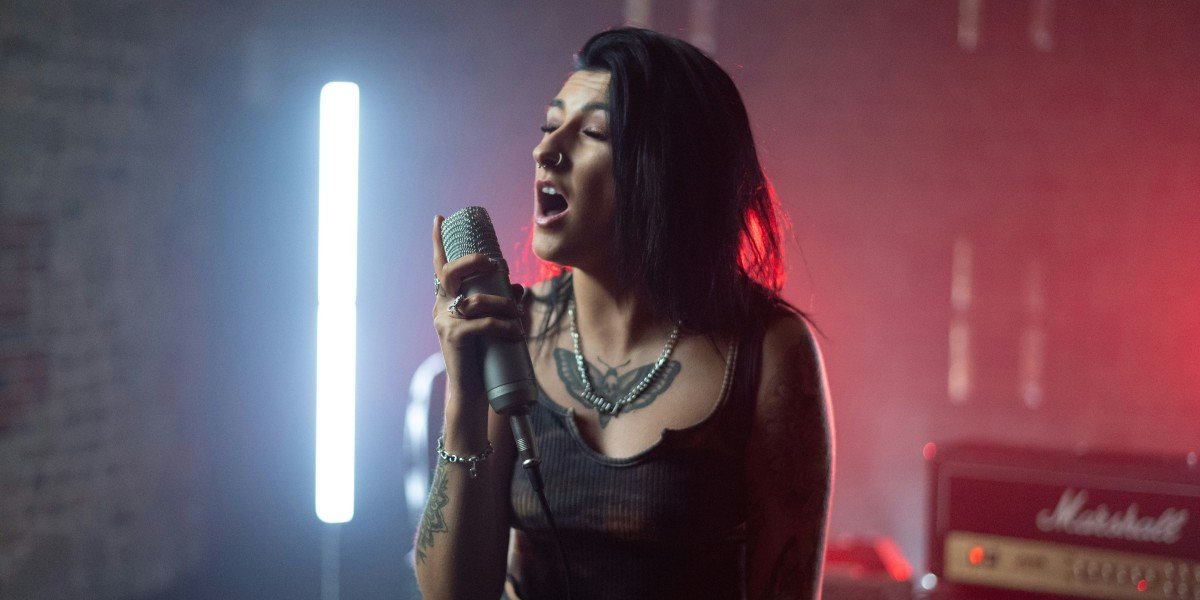
Evanescence Announces 2026 World Tour Bringing Rock Back to Global Stages

Evanescence surprised rock fans by confirming a full-scale world tour scheduled for 2026, marking the band’s first extended international run in several years. The announcement landed through official tour partners and label channels, including details shared via the Evanescence 2026 world tour announcement from Live Nation that outlined start dates, multi-continent routing, and a stacked support lineup. For longtime followers and newer listeners alike, this rollout signaled something bigger than a short nostalgia run.

The tour arrives during a period where many bands from the early 2000s remain selective about full touring commitments. Fans have grown used to limited festival appearances or short regional circuits, not sweeping world tours that cover months of travel. Hearing that Evanescence is organizing a proper globetrotting run reset expectations for what rock touring still looks like.

Casually speaking, it feels like the band is saying they’re ready to show up again in a big way. Instead of playing it safe with a few one off appearances, they’re leaning into the full experience fans miss. Long setlists, unique opening acts in different regions, and the chance to see the band in venues designed for large sound and visuals rather than small club stops.

Why This Tour Is Making Headlines

One reason the news keeps trending is how long it’s been since Evanescence took on a full world tour schedule. While the band has remained active, large tours that stretch across North America, Europe, and other markets take intense planning and physical commitment. Many artists step away from that level of touring later in their careers, choosing carefully spaced appearances instead.

This choice sends a different message. Evanescence committing to months of live shows shows confidence in their current fan demand. It also reflects growing appetite for major live events again as more concertgoers prioritize travel experiences built around music fandom weekends and destination shows.

Another factor driving attention is Amy Lee’s rising visibility outside the band over the past year through collaborations and soundtrack projects. Those creative moves brought Evanescence into newer conversations beyond classic rock radio rotations. A global tour now feels like a natural next chapter for fans who discovered or rediscovered the band recently.

Who’s Joining the Road

Support acts scheduled across different legs add another layer to why the 2026 tour stands out. Modern alt metal, pop rock crossover, and experimental acts are rotating openers depending on region. While headliner loyalty sells tickets, fresh voices broaden the audience makeup inside each venue.

This lineup design addresses a common live music issue. Older fans worry shows might feel locked in the past, while younger fans sometimes skip tours tied to eras they didn’t grow up with. Mixing styles invites both camps into the same room. A longtime Evanescence fan might show up for Bring Me to Life and end up discovering Spiritbox or Poppy live for the first time, while a newer alt fan might attend for modern openers and stay for the full Evanescence set.

It’s also practical. Shared audiences encourage full-house energy earlier in the night, slowing the trend of fans arriving late just for the headliner. Promoters consider that crowd flow when structuring tours since consistent engagement helps venues meet food and merchandise sales goals.

What the Setlist Might Look Like

While official setlists won’t surface until opening night, hints suggest a career-spanning approach. Evanescence has built a catalog that works across generations, blending early gothic rock hits with later experimental and collaborative material. This type of set design usually moves between high energy singles and slower emotional tracks to allow pacing for both performers and audience.

Concertgoers attending multi-date tours often worry whether shows will repeat identical large scale formats seen in other touring cycles. However, with rotating support acts and Lee’s enthusiasm for live adaptations, some variation across regions is possible. Songs featuring collaborators who appear on specific legs may receive dedicated live debuts, creating minor differences between tour stops.

Fans traveling to multiple shows could see slightly altered playlists depending on region or featured guests. That unpredictability keeps engagement high and sustains online discussion as attendees compare experiences from city to city.

How Touring Impacts the Rock Scene

Major world tours influence more than just the headlining act. They support an entire ecosystem of technical crews, stage designers, venue staff, transportation companies, merchandise teams, and audio engineers. Evanescence running a months-long tour means steady work for hundreds of behind-the-scenes professionals.

Younger acts tied to the tour benefit as well. Supporting major artists exposes them to new listeners who may not actively explore emerging rock performers online. Many career arcs break during these shared tour moments rather than through standalone streaming releases.

For fans concerned about rock’s future presence in mainstream spaces, tours like this reinforce the genre’s ongoing relevance. Rock does not rely solely on algorithm trends but continues through live communal energy, something social media cannot replicate. Big rooms packed with vocals, bass lines, and crowd chants remain essential to keeping the genre socially visible.

Ticket Demand and Planning Realities

Fans often feel overwhelmed when hearing about major tours. Ticket releases come quickly and budget planning can feel stressful, especially when travel and lodging are added to concert costs. A key reassurance is that world tours typically roll out tickets in structured phases instead of one mass drop.

Presales usually cover various groups before general public availability. That staggered system spreads purchasing activity over several days rather than forcing a single moment of high demand. Fans also typically see ticket releases open venue by venue rather than globally at once.

Another point worth remembering is that world tours offer flexibility. You don’t need to attend the nearest show if ticket options or personal schedules conflict. Many fans plan road trips or weekend getaways to nearby cities with more seating options or price availability. This becomes part of the event experience rather than a logistical burden.

Why This Timing Matters for Evanescence

Touring now positions Evanescence at a stable artistic stage. They are not chasing radio reinvention or pushing brand novelty. Instead, they appear focused on celebration of staying power while still collaborating with current artists.

Years of steady fan engagement through festivals and limited markets likely informed this larger commitment. The band has maintained a strong digital presence, recorded new material, and tested audience response before deciding to scale up. That kind of preparation lowers the risk that some bands face when returning too fast with major global tours that audiences may not support.

The result is a tour that feels confident, measured, and strategically timed. It arrives when nostalgia merges comfortably with modern taste shifts rather than clashing with them.

What Fans Should Expect Emotionally

Beyond logistics, a significant part of live music loyalty comes from emotional connection. Evanescence songs often anchor deeply personal memories for fans tied to adolescence, loss, or growth periods. Hearing those tracks live decades later becomes less about spectacle and more about reflection.

Fans attending may notice age diversity in the crowd. Concert lines may include long-time fans now attending alongside teenagers discovering the music through streaming platforms. That shared generational space creates a sense of cultural continuity that few genres replicate consistently.

For many attendees, the experience isn’t limited to the night of the show. Travel planning, outfit choices, playlist nostalgia sessions, and fan meetups stretch the event across weeks or months of anticipation. The tour becomes part of everyday life rather than a single evening’s outing.

Why This Tour Stands Out

What separates this announcement from many others is its scope and confidence. Evanescence isn’t testing waters with a mini run or anniversary package. They’re committing to months of international touring alongside modern collaborators, indicating a continued belief in rock’s place on the live stage.

For fans worried about whether legacy bands can connect beyond repeat audiences, the mix of old and new acts provides reassurance that growth remains possible without abandoning roots. For the industry, it’s a reminder that strong identities paired with thoughtful collaboration still drive physical attendance in a streaming dominated era.

As details continue to unfold, conversations will likely focus on city dates, opening night moments, setlist changes, and surprise guest appearances. Right now, the core excitement stems from something simple that music fans haven’t had enough of lately.

A major rock band is heading back on the road in a way that feels committed, inclusive, and forward-looking, creating thousands of live moments that streaming alone cannot replace.