Music Observer

Guitar Chords: Learning Common Open and Barre Chords for Playing Songs


Understanding Guitar Chords

Playing guitar chords is an essential skill for any aspiring guitarist. Whether you’re strumming along to your favorite songs or writing your own music, knowing a variety of chords will open up endless possibilities for your playing. In this article, we’ll explore common open and barre chords, how to play them, and their importance in playing songs on the guitar.

Guitar chords are made up of a combination of notes played together to create harmony. They are typically formed by pressing down on specific frets on the guitar neck while strumming or plucking the strings. There are two main types of chords: open chords and barre chords.

Open Chords

Open chords are chords that include one or more open strings (unfretted strings) and are typically played near the headstock of the guitar. They are commonly used in folk, pop, and rock music and are the first chords beginners learn when starting to play the guitar.

Some common open chords include:

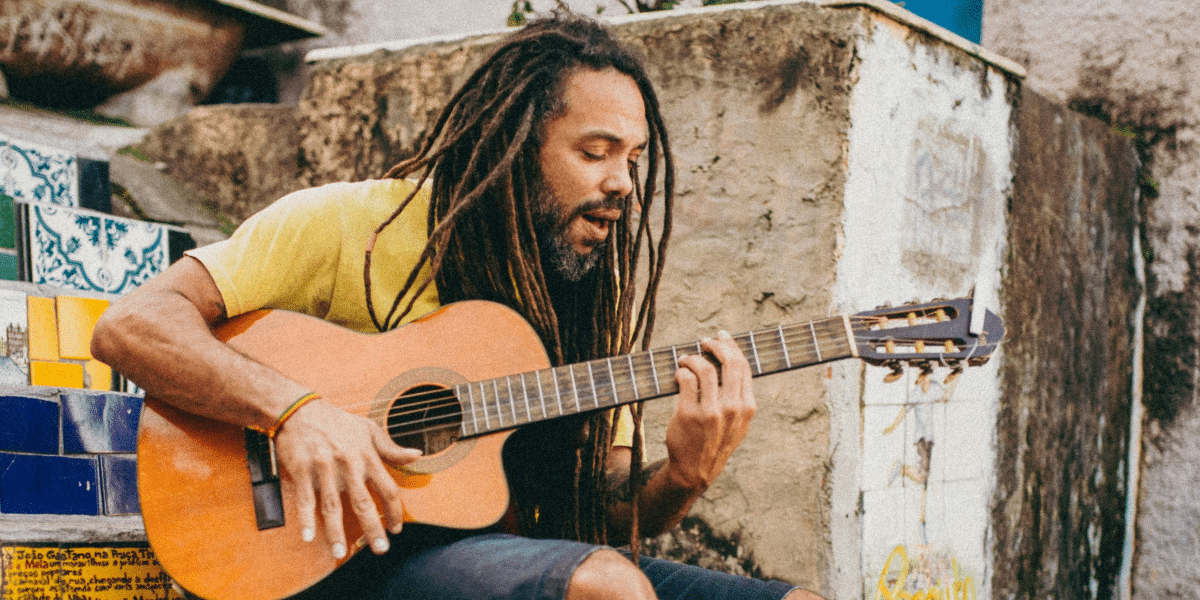
  • C Major (C): Played by placing your first finger on the first fret of the second string, your second finger on the second fret of the fourth string, and your third finger on the third fret of the fifth string. Strum from the fifth string down.
  • G Major (G): Played by placing your first finger on the second fret of the fifth string, your second finger on the third fret of the sixth string, and your third and fourth fingers on the third fret of the first and second strings, respectively. Strum from the sixth string down.
  • D Major (D): Played by placing your first finger on the second fret of the third string, your second finger on the second fret of the first string, and your third finger on the third fret of the second string. Strum from the fourth string down.

Barre Chords

Barre chords, also known as movable chords, involve using one finger to press down multiple strings across the fretboard, creating different chord shapes. They are more versatile than open chords and can be moved up and down the neck to play chords in different keys.

Some common barre chords include:

  • F Major (F): Played by barring the first fret with your index finger and forming an E major shape with your other fingers on the third, fourth, and fifth strings.
  • B Minor (Bm): Played by barring the second fret with your index finger and forming an A minor shape with your other fingers on the fourth, third, and second strings.
  • E Major (E): Played by barring the seventh fret with your index finger and forming an E major shape with your other fingers on the ninth, ninth, and ninth strings.

Importance of Guitar Chords in Playing Songs

Mastering guitar chords is essential for playing songs on the guitar. Chords provide the harmonic foundation for music, allowing guitarists to accompany singers or play instrumental melodies. By learning a variety of chords, guitarists can play songs in different keys, styles, and genres, expanding their repertoire and musical versatility.

Furthermore, understanding chords allows guitarists to improvise, transpose, and arrange music creatively. Whether strumming along to a campfire sing-along or performing in a professional band, knowing a wide range of chords will enhance your playing and musical expression.

Learning guitar chords is a fundamental aspect of playing the guitar and essential for any guitarist looking to expand their musical horizons. By mastering both open and barre chords, you’ll have the skills and knowledge to play a wide variety of songs and styles. So grab your guitar, practice those chords, and get ready to make beautiful music!

Why Live Music Feels Different from Studio Recordings

Live music and studio recordings are two sides of the same coin. Both forms allow us to enjoy music, but they offer very different experiences. Live performances are often described as raw, emotional, and immersive, while studio recordings are polished and carefully produced. This contrast isn’t just about how the music sounds but also about how it feels to experience it.

The Energy of Live Music

One of the most notable differences with live music is the energy. A live performance brings an atmosphere that cannot be recreated in a studio. When musicians perform live, they connect directly with their audience. The cheers, clapping, and excitement from the crowd create a feedback loop that can elevate the performance. This shared energy makes each live concert unique and personal for everyone there.

The physical environment also plays a significant role in creating this energy. Whether it’s a small, intimate venue or a massive stadium, the space influences how you experience the music. The acoustics of the venue, the lighting, and even the crowd’s mood all contribute to the atmosphere. These elements combine to make live music more than just something you hear—it’s something you feel.

Spontaneity and Authenticity

Another key aspect of live music is its unpredictability. No two performances are ever the same. Musicians might improvise, change the arrangement of a song, or even interact with the audience in ways that feel spontaneous and genuine. These moments of authenticity add an extra layer of excitement to the experience.

In a live setting, imperfections can make the music feel more real. A slight mistake or an unexpected variation in a song reminds you that what you’re witnessing is unique. This rawness and authenticity can deepen the emotional connection between the artist and the audience. It’s a reminder that music isn’t just about technical perfection—it’s about emotion and expression.

The Emotional Connection

Live music creates a special kind of connection between performers and listeners. Seeing musicians perform in real-time allows you to witness their passion and energy firsthand. The physical presence of the artist, their expressions, and how they interact with the crowd all contribute to this emotional connection.

For many people, live music is about more than just the songs. It’s about being part of a shared experience. Singing along with a crowd or feeling the bass vibrate through the floor creates a sense of community that you don’t get from listening to a recording. This collective experience can make the music feel more powerful and memorable.

The Contrast with Studio Recordings

While live music focuses on spontaneity and emotion, studio recordings prioritize consistency and precision. In the studio, artists have the opportunity to perfect their music. They can record multiple takes, use advanced mixing techniques, and add layers of effects to create a polished final product. This process ensures that the recording sounds exactly as the artist intends.

However, the controlled environment of a studio can sometimes strip away the rawness that makes live music so special. A studio recording might be flawless, but it’s often missing the energy and unpredictability of a live performance. This doesn’t mean studio recordings are less valuable—they offer a different way to enjoy music. Recordings allow you to revisit your favorite songs anytime, capturing a specific moment in the artist’s creative process.

The Power of Being Present

Live music is about more than just the sound. It’s about being fully present in the moment. When you attend a live performance, you’re not just hearing the music; you’re experiencing it with all your senses. The vibrations of the instruments, the movement of the crowd, and the visual elements of the performance all contribute to the experience.

This sense of presence makes live music feel more immersive. It’s not something you can pause or replay. Each moment is fleeting, which makes it feel more special. This is one reason why many people find live music so memorable—it’s an experience that can’t be replicated.

Live music and studio recordings each have their own strengths. While recordings offer a polished, consistent way to enjoy music, live performances bring energy, authenticity, and emotional connection. Both forms of music have their place, and many people enjoy a mix of the two.

What makes live music stand out is the experience. It’s not just about listening to songs but about feeling the music in a shared space with others. Whether you’re at a small local gig or a massive festival, live music creates moments that stay with you long after the final note is played. It’s this combination of energy, spontaneity, and presence that makes live music feel so different from studio recordings.

The Rise of Independent Films

Breaking Norms

In recent years, there has been a notable shift in audience preferences from big-budget blockbusters to the allure of independent films. These cinematic gems provide a refreshing departure from formulaic storytelling, inviting audiences into worlds unexplored and narratives untold.

What sets independent films apart is the unparalleled creative freedom they afford filmmakers. Liberated from the constraints of major studios, independent creators can delve into unconventional themes, experiment with unique storytelling techniques, and infuse their work with a level of authenticity that resonates deeply with audiences.

Festival Success

One of the hallmarks of the independent film movement is its triumph on the grand stages of prestigious film festivals. From Sundance to Cannes, independent films have captured the spotlight, receiving critical acclaim and earning the attention of distributors eager to bring these stories to a wider audience.

The digital era has played a pivotal role in propelling independent films to global prominence. Platforms like Netflix, Amazon Prime, and Hulu have become powerful allies, providing a convenient and accessible stage for these films to reach audiences far beyond the confines of traditional theaters.

Independent films have become torchbearers for diversity in cinema. They champion stories from underrepresented communities, offering narratives that challenge mainstream conventions and provide a more comprehensive portrayal of the rich tapestry of the human experience.

Mainstream Influence

The success and acclaim garnered by independent films have reverberated through the corridors of mainstream filmmaking. Studios are increasingly open to embracing the unconventional storytelling approaches and emerging talents discovered in the independent film scene, reshaping the landscape of cinematic narratives.

Resourceful Filmmaking

While limited budgets may seem like a hindrance, independent filmmakers have turned this constraint into a virtue. The necessity of doing more with less has fueled creativity, leading to groundbreaking films where storytelling takes precedence over extravagant production costs.

Navigating the landscape of film distribution remains a challenge for independent filmmakers. Strategic promotion becomes paramount to ensure that these cinematic creations reach the target audiences eager to experience the diversity and authenticity they offer.

The continued rise of independent films hinges on crucial support from various quarters – streaming platforms, film festivals, and, most importantly, audiences. Their sustained enthusiasm will be instrumental in maintaining the momentum of this cinematic revolution.

Innovative Narratives

Looking ahead, the future promises not only the continuation of diverse narratives but also innovative storytelling techniques. Filmmakers are poised to explore new genres, experiment with immersive technologies, and push the boundaries of conventional cinematic storytelling.

In conclusion, the ascent of independent films signifies a dynamic shift in global cinema. Driven by authenticity, diversity, and creative exploration, these films have not only captured the hearts of audiences but also left an indelible mark on the cinematic landscape, shaping the way stories are told and experienced on the big screen. As we embrace the future, the world of independent films stands as a testament to the enduring power of storytelling.

Exploring Trends Shaping Live Music Events

The Rise of Immersive Technologies

Live music events have come a long way from simple concerts. The world of music is evolving, and so are the experiences of concert-goers. In this article, we’ll take a closer look at the trends that are revolutionizing live music events, making them more immersive, inclusive, and unforgettable.

Step into the future of live music with virtual reality. VR technology allows fans to enjoy concerts from the comfort of their homes, feeling like they’re right there in the front row. It’s a game-changer for those who can’t attend in person or want a unique perspective.

Imagine attending a live concert and seeing digital overlays enhancing the experience. Augmented reality brings a new layer to live performances, with interactive elements appearing on your smartphone or AR glasses. It’s a blend of the real and digital worlds, creating a multisensory adventure.

Intimate Pop-Up Venues

Smaller, intimate settings are gaining popularity. Artists are opting for pop-up venues that offer a more personal connection with the audience. These cozy spaces create an immersive atmosphere, allowing fans to experience the music in a more up-close and personal way.

Environmental consciousness is seeping into the music scene. Outdoor concerts are embracing eco-friendly practices, from sustainable stage setups to waste reduction initiatives. The goal is to enjoy music while minimizing the impact on the planet.

Embracing Diversity

Music events are becoming more inclusive, celebrating artists from diverse backgrounds and genres. The focus is on creating lineups that appeal to a broad audience, ensuring that everyone finds a sound they connect with. It’s a move towards a more representative and inclusive music scene.

Boundaries between music genres are blurring. Collaborations between artists from different genres are on the rise, creating unique and unexpected fusions. This trend adds an element of surprise and excitement to live performances, appealing to a broader spectrum of music lovers.

Cashless Transactions

Say goodbye to fumbling for cash at the merchandise stand. Cashless transactions are becoming the norm at live events, offering convenience and security. Fans can purchase tickets, food, and merchandise with a simple tap or scan, streamlining the overall experience.

Event-specific apps are enhancing fan engagement. These apps provide real-time updates, interactive maps, and even virtual meet-and-greets with artists. Attendees can customize their event experience, making it more personalized and enjoyable.

The Future of Live Streaming

The boundary between physical and virtual events is becoming increasingly blurred. Hybrid events allow artists to perform live for both in-person and online audiences simultaneously. This trend broadens the reach of music events, connecting artists with fans worldwide.

Virtual concerts are evolving beyond a passive watching experience. Interactive features, such as live chats, virtual applause, and even the ability to influence the setlist in real-time, are making virtual concerts more engaging and participatory.

As we step into the future, live music events are embracing innovation and redefining the concert experience. From immersive technologies and diverse lineups to eco-friendly practices and tech-integrated fan experiences, the trends shaping the music scene are creating a harmonious blend of tradition and innovation. As music enthusiasts, let’s look forward to a future where every live event is a unique and unforgettable adventure.

Music Therapy and its Healing Effects

The Power of Harmony in Healing

Music, a universal language that transcends boundaries, has long been recognized for its profound impact on human emotions and well-being. In recent years, the therapeutic benefits of music have gained prominence, with an increasing number of individuals turning to music therapy as a means of healing. In this exploration, we delve into the transformative effects of music therapy and its growing significance in the realm of holistic health.

The Therapeutic Symphony

At the core of music therapy lies the belief in the therapeutic symphony – the idea that carefully curated musical experiences can contribute to physical, emotional, and mental well-being. With roots in ancient civilizations, music has been utilized for centuries to evoke specific emotions, set the mood, and even aid in physical healing. Today, trained music therapists harness the power of sound to address a myriad of health concerns.

From anxiety and depression to chronic pain management, music therapy offers a non-invasive and accessible avenue for individuals seeking relief. It involves the use of various musical elements, such as rhythm, melody, and harmony, tailored to the unique needs and preferences of the individual. This personalized approach sets the stage for a therapeutic journey that goes beyond the confines of traditional interventions.

A Harmonious Approach to Mental Health

In the fast-paced and often stressful landscape of modern life, mental health concerns have become increasingly prevalent. Music therapy emerges as a harmonious approach to addressing these challenges. Research indicates that engaging with music can stimulate the release of neurotransmitters such as dopamine and serotonin, known for their role in mood regulation.

The rhythmic patterns and melodic sequences in music have the potential to synchronize with brain waves, offering a sense of structure and stability to individuals grappling with mental health issues. Whether it’s through active participation in music creation or passive listening, the therapeutic benefits are far-reaching, providing a nuanced avenue for individuals to navigate the complexities of their mental well-being.

Striking the Chords of Emotional Resonance

Emotions, intricate and multifaceted, find an expressive outlet through music therapy. This form of therapeutic intervention enables individuals to explore and process emotions in a safe and supportive environment. The melodic tapestry becomes a canvas for emotional expression, allowing individuals to articulate feelings that may be challenging to convey through words alone.

For those dealing with trauma or grief, music therapy can serve as a gentle companion on the path to healing. By incorporating carefully selected pieces or engaging in improvisational music creation, individuals can navigate the emotional landscape with a sense of catharsis and release. In this way, music becomes a poignant tool in fostering emotional resilience and facilitating the journey towards healing.

A Note on Physical Well-being

Beyond its impact on mental and emotional health, music therapy extends its healing touch to the realm of physical well-being. In contexts such as rehabilitation and pain management, rhythmic auditory stimulation has been shown to enhance motor skills and alleviate discomfort. The synchronization of movement with musical beats can enhance coordination and motor control, making it a valuable adjunct to traditional rehabilitation practices.

Moreover, the calming influence of music has been harnessed in healthcare settings to reduce stress and anxiety among patients. Whether in a hospital room or a rehabilitation center, the melodic strains of carefully selected music contribute to a soothing environment, fostering a sense of comfort and well-being.

The Crescendo of Conclusion

As we navigate the ever-evolving landscape of healthcare, the role of music therapy continues to gain recognition for its holistic and person-centered approach. From the soothing notes that alleviate stress to the empowering chords that facilitate emotional expression, music therapy stands as a testament to the healing power of sound.

The therapeutic symphony of music therapy resonates across the dimensions of physical, emotional, and mental well-being. Its harmonious effects, supported by a growing body of research, position it as a valuable ally in the pursuit of holistic health. As individuals increasingly turn to alternative and complementary approaches, the transformative potential of music therapy unfolds, offering a melody of healing in a world seeking harmony.

The History and Impact of Reggae Music


Roots of Reggae: A Musical Journey through Time

Reggae music, with its roots deeply embedded in the cultural fabric of Jamaica, has evolved into a global phenomenon. Originating in the late 1960s, this genre has a rich history that reflects the social and political landscape of its time.

In the tumultuous post-colonial era, reggae emerged as a voice for the disenfranchised, addressing issues of inequality and social justice. Pioneered by artists like Bob Marley, Peter Tosh, and Jimmy Cliff, reggae became a powerful tool for expressing the collective consciousness of a people striving for change.

The Global Spread: Reggae’s Influence Beyond Borders

As reggae gained international recognition, its influence transcended geographical boundaries. The hypnotic rhythms and socially conscious lyrics resonated with audiences worldwide, fostering a sense of unity and solidarity. From Africa to Europe and the Americas, reggae found a receptive audience eager to embrace its message of love, peace, and resistance.

Reggae’s impact extended beyond the realm of music, influencing art, fashion, and social movements. The iconic image of Bob Marley with his distinctive dreadlocks and Rastafarian colors became a symbol of rebellion and cultural pride. Reggae’s laid-back style also left an indelible mark on fashion, with the vibrant colors and casual attire associated with the genre.

Reggae Today: A Timeless Sound in a Changing World

In the ever-evolving landscape of the music industry, reggae has maintained its authenticity while adapting to contemporary influences. Today, artists like Damian Marley, Chronixx, and Protoje carry the torch, ensuring that reggae remains a relevant and dynamic force in the global music scene.

Reggae’s enduring popularity can be attributed to its ability to capture the essence of the human experience. Its themes of love, unity, and social justice are timeless, providing a soundtrack for both personal reflection and collective action. As the world faces new challenges, reggae continues to be a source of inspiration and empowerment.

Reggae’s Influence on Contemporary Music

Beyond its direct impact, reggae has played a pivotal role in shaping other music genres. From the reggae-infused beats of hip-hop to the laid-back vibes of alternative rock, elements of reggae can be heard in diverse musical landscapes. This cross-pollination has contributed to the genre’s lasting legacy, ensuring that its influence endures through generations.

The history and impact of reggae music are profound and enduring. From its humble beginnings in Jamaica to its global resonance, reggae has transcended mere entertainment to become a cultural force. As we navigate the complexities of the modern world, the timeless sound of reggae continues to guide us, reminding us of our shared humanity and the power of music to inspire positive change.

Exploring the Impact of Language and Communication Styles

Understanding Language and Communication Styles

Language and communication styles play a significant role in how we interact with others and convey our thoughts, feelings, and intentions. From verbal cues to nonverbal gestures, the way we communicate can influence how others perceive us and how effectively we can convey our message. In this article, we’ll delve into the influence of language and communication styles, exploring how they shape our interactions and relationships.

Language refers to the words we use to express ourselves, while communication styles encompass the overall manner in which we convey information and interact with others. Communication styles can vary widely depending on cultural background, upbringing, and personal preferences. Some people may prefer direct and assertive communication, while others may use more indirect and diplomatic approaches.

Impact on Interpersonal Relationships

Our language and communication styles can have a profound impact on our interpersonal relationships. Effective communication is essential for building trust, resolving conflicts, and maintaining healthy connections with others. Clear and direct communication can help prevent misunderstandings and foster open dialogue, while poor communication skills can lead to friction and miscommunication.

The way we communicate can also influence how others perceive us. For example, someone who speaks confidently and articulately may be seen as more competent and trustworthy, while someone who struggles to express themselves clearly may be perceived as less credible. Similarly, the tone and demeanor we use when communicating can affect how our message is received and interpreted by others.

Cultural and Linguistic Differences

Cultural and linguistic differences can also impact communication styles. Different cultures may have varying norms and expectations regarding communication, such as the use of formal language, the importance of nonverbal cues, and the degree of directness or indirectness. It’s essential to be mindful of these cultural differences and adapt our communication style accordingly when interacting with individuals from diverse backgrounds.

Flexibility and adaptability are key components of effective communication. Being able to adjust our communication style based on the context and the preferences of our audience can help ensure that our message is received and understood as intended. This may involve using simpler language when speaking to someone who is unfamiliar with a topic or being more assertive when advocating for our needs in a professional setting.

Improving Communication Skills

Improving communication skills is a lifelong process that requires practice and self-awareness. Some tips for enhancing communication skills include:

  • Active listening: Paying attention to what others are saying and responding thoughtfully.
  • Clarifying: Asking questions and seeking clarification when necessary to ensure mutual understanding.
  • Empathy: Putting yourself in the other person’s shoes and considering their perspective.
  • Nonverbal communication: Being mindful of your body language, facial expressions, and tone of voice.
  • Conflict resolution: Learning how to address conflicts constructively and find mutually satisfactory solutions.

Language and communication styles play a vital role in our interactions and relationships. By understanding how our communication style influences others and being mindful of cultural differences, we can improve our communication skills and foster more meaningful connections with those around us. Effective communication is essential for navigating the complexities of interpersonal relationships and achieving mutual understanding and respect.

The Tech Beat: How Technology Shapes Music Production

The music studio has evolved from a room full of bulky equipment to a laptop-powered creative hub, with technology reshaping every aspect of music production. What once required expensive hardware and technical expertise can now be achieved with intuitive software and portable gear, democratizing music creation while raising new questions about artistry in the digital age.

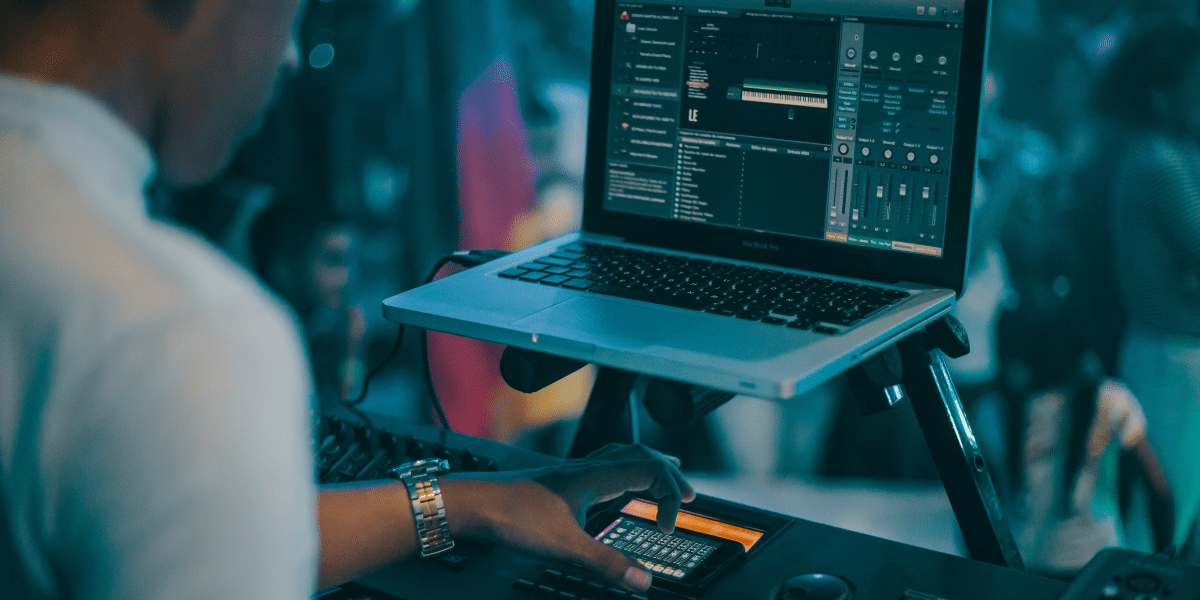
The shift began with digital audio workstations (DAWs) like Ableton Live and FL Studio, which put professional-grade tools in home studios. These platforms allow producers to compose, edit, and mix tracks entirely in-the-box, with AI-assisted tools now suggesting drum patterns or harmonizing melodies. While purists debate the loss of “organic” sound, the convenience is undeniable—a full orchestral arrangement can be mocked up before breakfast, and collaborative projects span continents via cloud sessions.

Virtual instruments have reached startling realism. Sample libraries capture world-class pianos note-by-note in renowned concert halls, while modeling amplifiers recreate vintage guitar tones without the deafening volume. Plugins like Neural DSP simulate rare analog gear so accurately that even seasoned engineers struggle to distinguish them from physical units in blind tests. This accessibility means a teenager in Jakarta can experiment with sounds that once required expensive studio time.

The home studio revolution changed industry economics. Bedroom producers now compete with major-label releases, thanks to affordable USB microphones and treatment panels that tame problematic room acoustics. Platforms like Splice offer royalty-free sample subscriptions, while AI mastering services like LANDR provide polished results without hiring an engineer. This decentralization has downsides—market oversaturation makes discovery harder—but it also allows niche genres and regional sounds to flourish outside traditional industry gatekeepers.

Collaboration tools erased geographic barriers. Artists can record vocals in Lagos over a beat made in Oslo, with real-time feedback through platforms like Audiomovers. Blockchain-based rights management systems are emerging to simplify splits when multiple contributors work across time zones. The pandemic accelerated this shift, proving that hit records no longer require physical proximity—just a stable internet connection and shared creative vision.

Mixing and mastering underwent quiet revolutions. Spatial audio tools let producers design immersive experiences for Dolby Atmos, while machine learning assists with tedious tasks like vocal tuning or noise removal. Yet human ears remain irreplaceable—the best producers use these tools as helpers rather than replacements, maintaining artistic control over algorithmic suggestions.

Live performance technology blurred studio-stage boundaries. Artists like Fred Again build sets around MPC controllers and loop stations, creating studio-like spontaneity in concert. In-ear monitoring systems provide crystal-clear mixes tailored to each performer’s needs, while silent stage technology allows drummers to play acoustic kits fitted with trigger sensors, heard only through headphones.

The vinyl revival presents an interesting counter-trend. Even as streaming dominates, producers increasingly master tracks differently for physical releases, catering to audiophiles who crave tactile experiences. Limited-edition pressings often include download cards, bridging analog nostalgia with digital convenience.

Emerging ethical debates question technology’s role. Should AI-generated vocals mimic deceased artists? Who owns a hit song’s rights if the melody was algorithmically suggested? How much “human touch” must a track retain to feel authentic? The industry grapples with these questions even as it embraces tools that make creation faster and more accessible.

Looking ahead, adaptive music systems may personalize songs in real-time—imagine workout playlists that match your running tempo, or video game scores that react to player choices. Haptic feedback vests could let fans feel bass frequencies during concerts, while neural interface experiments explore controlling synths with brainwaves.

Yet for all the advances, the core challenge remains unchanged: technology is just a brush—the art still comes from the person holding it. The most exciting productions balance cutting-edge tools with timeless human emotion, proving that in music, the future has always been about what happens when innovation meets imagination.

Exploring the Roots of Blues Music

Uncovering the Historical Tapestry of Blues

Los Angeles, California – In a journey through the annals of musical history, we delve into the roots of Blues music, a genre that has profoundly shaped the cultural and social landscape. With origins deeply embedded in the African American experience, Blues has evolved into a powerful and emotive form of expression, resonating with audiences worldwide.

The genesis of Blues can be traced back to the late 19th century, originating from the Mississippi Delta region. Born out of the hardships and struggles faced by African Americans, this genre served as a medium to articulate the pain, resilience, and hope in the face of adversity. The soulful tunes and poignant lyrics encapsulated the essence of an era marked by profound social and economic challenges.

Pioneering Artists Who Shaped the Blues Landscape

As we navigate the rich tapestry of Blues, it is imperative to acknowledge the trailblazing artists who played a pivotal role in shaping its trajectory. Legends like Robert Johnson, Muddy Waters, and B.B. King brought a distinctive voice to the genre, blending traditional African rhythms with Western musical elements. Their contributions laid the foundation for the evolution of Blues into a global phenomenon.

Beyond its musical prowess, Blues has served as a potent tool for social commentary. Through its lyrics, the genre has addressed issues of inequality, discrimination, and the quest for justice. The ever-evolving narrative of Blues reflects not only the struggles of the past but also resonates with contemporary challenges, making it a timeless and relevant art form.

Contemporary Influences and Global Impact

In the present day, the influence of Blues extends far beyond its roots, permeating various genres and captivating diverse audiences. The genre’s adaptability has allowed it to seamlessly integrate into modern musical landscapes, leaving an indelible mark on rock, jazz, and even hip-hop. As the global community continues to embrace the multifaceted nature of Blues, its impact remains palpable in the ever-evolving musical saga.

With the quest to preserve the legacy of Blues, initiatives to document, promote, and celebrate the genre are paramount. Collaborative efforts between artists, historians, and cultural institutions can ensure that future generations grasp the significance of Blues in the broader context of American history and culture.

The exploration of the roots of Blues music unveils a captivating narrative of resilience, cultural amalgamation, and artistic innovation. As we navigate the historical landscape, it becomes evident that Blues is not merely a genre but a living testament to the human experience. By understanding and appreciating its origins, we contribute to the ever-evolving saga of music, ensuring that the melodic echoes of Blues continue to reverberate through time.

Melodic Emotions: How Music Shapes Your Mood

Music doesn’t just soundtrack our lives—it rewires our brains on the fly. That sudden burst of energy from an upbeat song or the lump in the throat during a melancholy melody isn’t just imagination. Science reveals how specific musical elements act like emotional dials, tweaking our moods without conscious permission.

Read also: Building a Character: An Actor’s Guide to Authentic Preparation

How Sound Waves Hack the Brain

Tempo operates as a covert pacemaker for emotions. Upbeat tracks around 120-140 BPM (beats per minute) synchronize with the heart’s natural acceleration during excitement, creating artificial enthusiasm. This explains why gym playlists favor this range—the body mistakes musical rhythm for physical exertion cues. Conversely, slower tempos around 60 BPM mirror resting heart rates, triggering relaxation responses even in stressful environments.

Key signatures color emotional perceptions. Major keys typically spark brighter moods, but context matters—a major key song with dissonant harmonies can feel unsettling (think circus music). Minor keys often carry melancholy tones, yet when paired with driving rhythms, they create that bittersweet energy behind countless breakup anthems.

Lyrics whisper directly to the subconscious. Even when not consciously processed, words set emotional frameworks. Repeated phrases become mental mantras—which explains why motivational workout tracks lean heavily on first-person power statements. Instrumental music sidesteps this, allowing listeners to project personal meanings onto melodies.

Practical Mood Engineering Through Sound

Strategic playlist curation functions as emotional first aid.

  • Soothing nature sounds (rain, ocean waves)
  • Low-tempo instrumental tracks (50-70 BPM)
  • Occasional uplifting melodic lifts (harp glissandos, piano arpeggios)

Office productivity sees similar boosts with the right audio backdrops. Baroque-era classical music (think Bach, Vivaldi) with its predictable structures enhances concentration for detail-oriented tasks. For creative brainstorming, ambient electronic music with subtle unpredictability prevents mental ruts without causing distraction.

Sleep quality improves dramatically with sonic tweaks. Pink noise (deeper than white noise, like steady rainfall) enhances deep sleep cycles by masking disruptive sounds while stabilizing brain waves. Slow tempo music (under 60 BPM) with descending melodic patterns mimics lullaby structures across cultures, triggering innate wind-down responses.

Retail spaces and restaurants have long exploited audio influence. Tempo manipulation alters customer behavior—slower music makes diners linger (and order dessert), while quicker beats increase turnover during lunch rushes. Grocery stores place calming music near expensive wine sections, putting shoppers in indulgent moods.

The rise of biofeedback music takes personalization further. Emerging apps adjust playback in real-time based on:

  • Heart rate data from wearables
  • Typing speed fluctuations during work
  • Sleep tracker inputs during nighttime use

This creates dynamic soundscapes that respond to physiological states rather than predetermined playlists. A runner’s playlist might automatically intensify during fatigue moments, while a focus soundtrack could introduce calming tones when stress biomarkers spike.

Music’s emotional alchemy works best when it feels organic rather than prescribed. The most effective therapeutic applications allow personal discovery—letting individuals stumble upon their own “power songs” rather than prescribing generic mood playlists. This explains why a metal fan might find aggression-relief in distorted guitars while a classical enthusiast decompresses via string quartets.

The next time a song gives someone chills or inexplicably lifts their mood, they’re experiencing sophisticated neural hijacking. From the dopamine rush of a well-placed chorus drop to the calming effect of predictable melodic resolutions, music speaks the brain’s secret language fluently. And unlike pharmaceuticals or meditation apps, this mood-altering technology requires no instructions—just press play and let the neurons dance.

What makes music truly remarkable isn’t its ability to mirror emotions, but to create entirely new ones—those indescribable blends of nostalgia, hope, and energy that only exist when the right combination of notes vibrates through our bones. That’s the real magic trick: turning air vibrations into feelings we can’t name but can’t live without.

Read also: The Secrets Behind Truly Exclusive Fashion Brands