Music Observer

Scoring the Perfect Violin: Choosing the Right Instrument for You

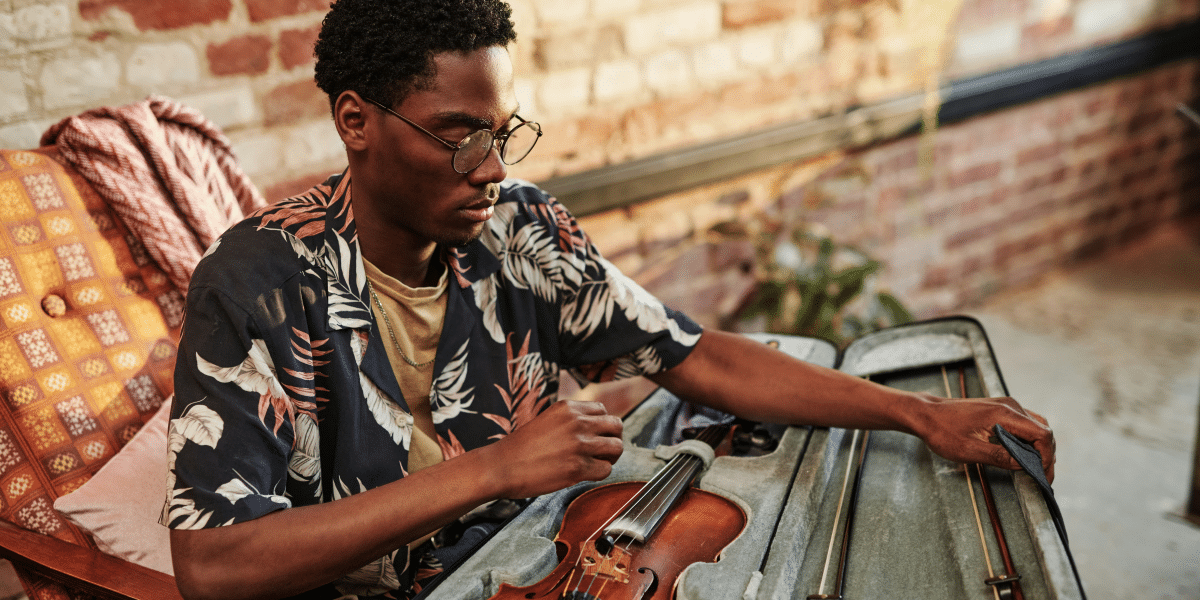
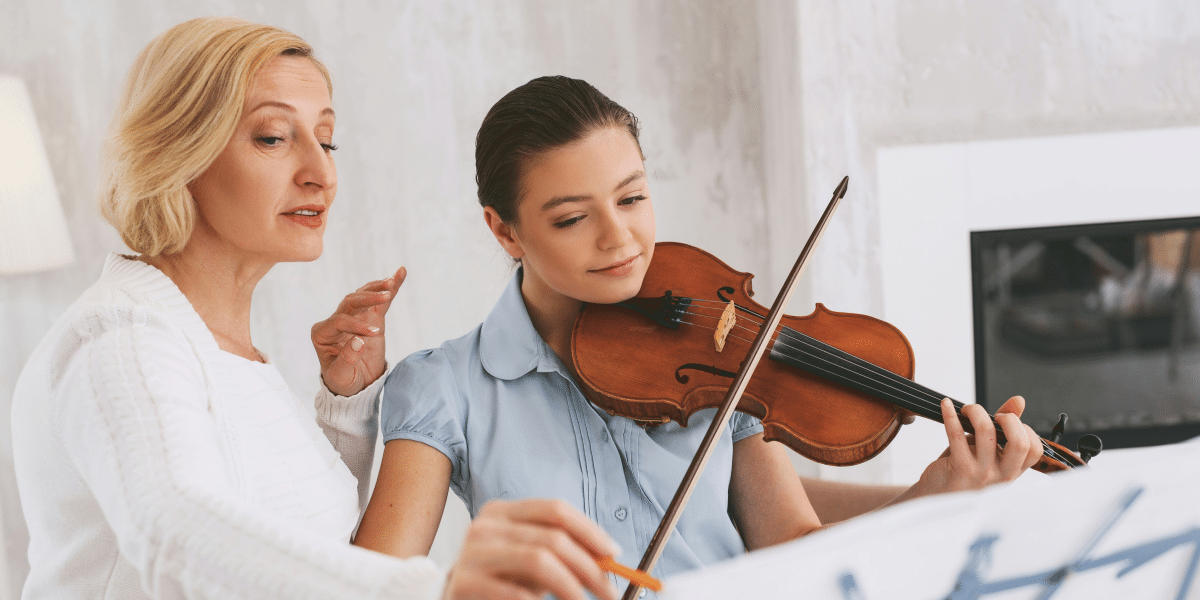
So, you’ve decided to join the world of violinists! Awesome choice – violins are beautiful instruments with a rich history and a sound that can stir the soul. But before you dive headfirst into a sea of violins, here’s a quick guide to help you find the perfect instrument for you, whether you’re a complete beginner or looking to upgrade your existing violin.

Finding the Right Fit: It’s All About Size!

Violins, like their human counterparts, come in all sizes! It’s crucial to choose a violin proportionate to your body for optimal comfort and playing technique. A violin that’s too big will be awkward to handle, and a too-small one might limit your playing ability.

Here’s a general guide to get you started:

  • Tiny Tots (ages 3-4): These little virtuosos in the making will likely need a fractional violin, sized 1/16th or 1/8th.
  • Growing Musicians (ages 5-7): As youngsters grow, so do their violins! A 1/4th or 3/8th sized violin is a good fit for this age range.
  • Halfway There (ages 8-11): Musicians in this range often graduate to a 1/2 sized violin.
  • Almost Adults (ages 12 and up): Congratulations! You’re nearing full-size territory. A 3/4 sized violin might be the perfect bridge instrument before moving to a full-size violin.
  • Adult Beginners and Beyond: Most adults will find a full-size violin (around 4/4) the most comfortable fit.

Remember, this is just a starting point! It’s always best to visit a violin shop or consult with a violin teacher to ensure you find the perfect size for your body and playing style.

Beyond Size: What Makes a Violin Sing?

The type and quality of wood used in a violin are like the ingredients in a chef’s recipe—they fundamentally impact the flavor profile of the instrument. Here’s what you need to know:

  • Spruce: This softwood is favored for its flexibility and resonance, making it the traditional material for a violin’s top or soundboard. Spruce is efficient at amplifying and projecting the vibrations produced by the strings.

  • Maple: A denser hardwood, maple is typically used for the back, sides, and neck of the violin. It provides structure and stability while also influencing the instrument’s tone. Different species of maple (European vs. American) can add tonal nuances.

  • The Age Factor: Just like a fine wine, age can enhance the tonal qualities of the wood used in a violin. Older, well-seasoned wood often possesses a more complex and resonant character compared to newer wood. This explains some of the allure and higher price of antique instruments.

Craftsmanship: The Luthier’s Touch

A violin isn’t simply assembled—it’s a product of skilled craftsmanship. A luthier’s mastery (that’s the fancy term for a violin maker) influences the instrument’s playability, responsiveness, and ultimate tonal expression.

  • Precision and Detail: The delicate curvatures of a violin’s body, the thickness of its wood, and even the placement of internal bracing all impact how the instrument resonates and projects sound.

  • Balance of Weight and Strength: A well-made violin achieves a delicate balance. It needs to be robust enough to withstand the tension of the strings yet responsive enough to translate the subtle movements of the player.

  • Beauty in the Details: While visual appeal isn’t strictly about sound, a beautifully crafted violin often hints at a meticulous attention to detail that extends to the elements that truly affect its tonal character. Look for violins with smooth finishes, carefully fitted components, and a sense of overall harmony in their construction.

A skilled luthier understands the intricate interplay between wood choice, construction technique, and the desired tonal qualities. “A violin is more than just its materials; it’s these invisible skills of the maker that truly bring the instrument to life,” a master luthier might explain.

A violin’s responsiveness refers to how readily it translates your bow strokes and finger movements into sound. Here’s a quick breakdown:

  • Beginner-friendly: Beginners might find violins with a slightly slower response more forgiving, allowing them to focus on developing proper technique.
  • Intermediate and Advanced Players: As your skills progress, you might seek a more responsive violin that allows for a wider range of dynamic control and nuanced playing.

Violins can range in price from a few hundred dollars to hundreds of thousands (or even millions!). Here’s a reality check:

  • Beginner Instruments: Student violins suitable for beginners can range from $300 to $1,000.
  • Intermediate Instruments: As your skills progress, expect to invest $1,000 to $5,000 for a mid-range instrument.
  • Advanced Instruments: Seasoned players might explore instruments priced from $5,000 upwards.

Remember, price doesn’t always dictate quality. The best approach is to try out different violins within your budget to find the one that feels and sounds right for you.

The Age Debate: Antique vs. Modern Violins

The allure of an antique violin is undeniable! However, these instruments can be expensive and require special care. Modern violins, on the other hand, can offer excellent quality and playability at a more accessible price point.

Here’s a quick comparison:

  • Antique Instruments: Often possess a richer, more complex sound due to the aging of the wood. They can be valuable investments, but require expert maintenance.
  • Modern Instruments: Modern luthiers (violin makers) create high-quality instruments with excellent sound and playability. They’re generally more affordable and easier to maintain.

Choosing a violin is an exciting and personal journey. The most important factor is to find an instrument that inspires you to play. Don’t be afraid to experiment, and try!
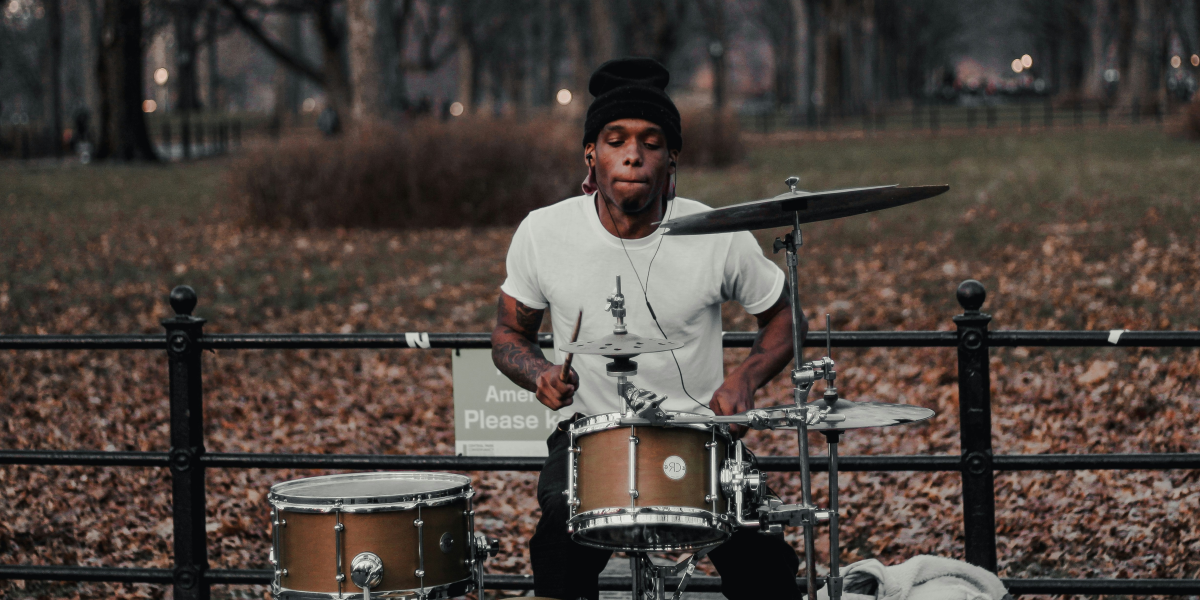
Drum Basics: Introduction to Drum Kit Components and Setup

Drum Kit Components

Drums are the heartbeat of music, providing rhythm and groove to countless songs across various genres. Whether you’re a beginner or an aspiring drummer, understanding the basics of drum kit components and setup is essential for getting started on your musical journey. In this guide, we’ll explore the fundamental elements of a drum kit and how to set it up for optimal playability.

A typical drum kit consists of several key components:

1. Bass Drum (Kick Drum)

The bass drum is the largest drum in the kit, typically played with a foot pedal. It provides the foundation of the rhythm and is responsible for the deep, booming sound in most drum beats.

2. Snare Drum

The snare drum is situated between the drummer’s knees and is played with drumsticks or brushes. It produces a sharp, cracking sound and is often used to accentuate beats and create rhythmic patterns.

3. Toms (Tom-Toms)

Toms are drums of varying sizes mounted on the drum kit’s shell or attached to a separate stand. They produce melodic tones and are used for fills and transitions in drumming patterns.

4. Hi-Hat

The hi-hat consists of two cymbals mounted on a stand, operated by a foot pedal. It produces a crisp, cutting sound when struck with drumsticks and can be opened and closed to create different sounds and rhythms.

5. Cymbals

Cymbals come in various types, including crash cymbals, ride cymbals, and splash cymbals. They are used to add accents, crashes, and shimmering effects to drum beats.

6. Drum Hardware

Drum hardware includes stands, pedals, and mounts used to support and position the drums and cymbals. Quality hardware is essential for stability and durability during drumming sessions.

Drum Kit Setup

Setting up a drum kit requires careful consideration of placement and ergonomics to ensure comfortable and efficient playing. Here’s a basic guide to drum kit setup:

1. Position the Bass Drum

Place the bass drum on the floor directly in front of you, with the front head (the side without the pedal) facing outward.

2. Set Up the Snare Drum

Position the snare drum between your legs at a comfortable height, with the drumhead parallel to the floor. Adjust the snare stand to ensure stability and ease of playing.

3. Arrange the Toms

Mount the tom-toms on the bass drum shell or on separate tom stands to the right of the snare drum. Position them within easy reach for seamless transitions between drums.

4. Place the Hi-Hat and Cymbals

Position the hi-hat stand to the left of the snare drum, within reach of your left foot. Place crash cymbals and ride cymbals on sturdy boom stands to the right and left of the drum kit, respectively.

5. Adjust Drum Throne Height

Set the height of your drum throne (stool) so that your thighs are parallel to the floor when seated. This position ensures proper posture and balance while drumming.

6. Fine-Tune Placement

Make minor adjustments to drum and cymbal positions as needed to optimize reach and comfort. Experiment with different setups to find the arrangement that works best for your playing style.

Understanding the basic components and setup of a drum kit is the first step towards becoming a proficient drummer. By familiarizing yourself with the various drums, cymbals, and hardware, and learning how to arrange them for optimal playability, you’ll be well on your way to mastering the art of drumming. So grab your sticks, set up your kit, and let the rhythm take you on a musical journey like no other!

How to Mix and Master Your Track for a Professional Sound

Creating a polished, professional-sounding song requires more than just great instrumentation and melody. To truly make your track stand out, it needs to be properly mixed and mastered. These two essential processes balance the individual elements in your song, ensuring it sounds great across different listening environments. But how exactly do you mix and master your track for optimal results?

What Happens During the Mixing Process?

Mixing is the first step after recording your track and involves balancing all the individual elements to make them work together. Whether you’ve recorded vocals, drums, guitars, or synthesizers, each part needs to have its place within the song. A well-mixed track allows each element to be heard clearly without clashing or overpowering other parts.

At the heart of mixing is volume balance. Adjusting the volume levels of different instruments is essential to ensure that no part of the song is too loud or too soft. For instance, vocals should typically sit prominently in the mix, while background elements like pads or atmospheric sounds can be more subdued. Fine-tuning these levels helps to create a cohesive mix.

Another crucial part of mixing is EQ (equalization), which allows you to adjust the frequencies of each element. Each sound in your track occupies a specific range in the frequency spectrum—low, mid, or high. For example, bass lines and kick drums take up the low end, while hi-hats and cymbals occupy the higher frequencies. EQ is used to carve out space for each instrument by reducing overlapping frequencies, ensuring that every sound has its own space and the overall mix doesn’t feel muddy.

In addition to EQ, panning is another tool that enhances the listening experience. By adjusting where each instrument is placed in the stereo field (left, right, or center), you can create a sense of space and width. Panning certain elements to the sides while keeping others in the center gives the listener a more immersive experience.

Other tools like compression and sidechaining are key to shaping the dynamics of your track. Compression smooths out the dynamic range, ensuring that no part of the track is too quiet or too loud. Sidechaining, commonly used in electronic music, allows certain elements (like the kick drum) to briefly lower the volume of other elements (like the bass) when they play together. This technique gives the track a “pumping” effect and ensures that the kick drum cuts through the mix clearly.

What Role Does Mastering Play in the Final Production?

Once your mix is complete, the final step in the production process is mastering. Mastering ensures that your track sounds consistent and polished across all listening environments—whether it’s played on headphones, speakers, or in a car. While mixing focuses on individual elements within the song, mastering treats the entire track as one cohesive unit.

One of the main goals of mastering is to adjust the loudness of the track. In today’s music industry, songs are often mastered to be as loud as possible without distorting or losing clarity. This is where limiting comes in. Limiting ensures that the volume doesn’t exceed a certain threshold, preventing distortion while maximizing loudness.

EQ is also used during mastering, but it’s applied more subtly than in the mixing stage. Here, EQ is used to fine-tune the overall tonal balance of the track, making slight adjustments to enhance the clarity and warmth of the mix. For example, if the track feels a bit dull, a small boost in the high frequencies might add the brightness needed to make it shine.

Another key aspect of mastering is ensuring that the track translates well across different playback systems. Mastering engineers often listen to the track on a variety of speakers, headphones, and even phone speakers to make sure the song sounds great no matter where it’s played. Adjustments to the stereo width and compression during mastering help achieve this, ensuring that your track maintains its energy and clarity on all devices.

How Can You Get Started with Mixing and Mastering?

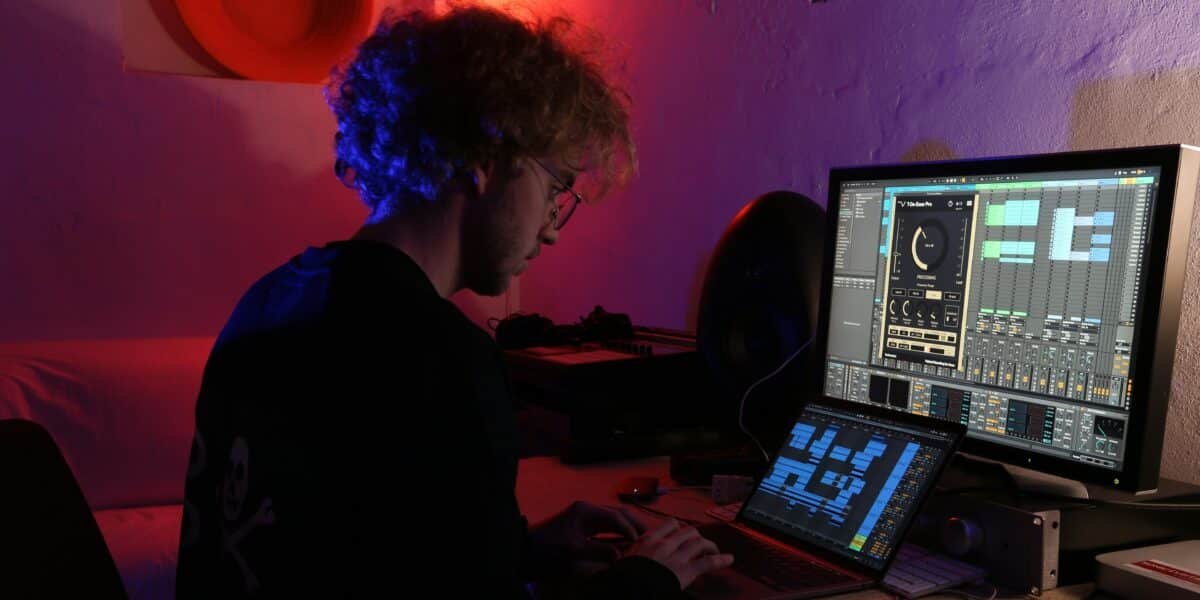
For those new to mixing and mastering, the process can seem daunting, but with the right tools and techniques, it becomes more manageable. If you’re working with a Digital Audio Workstation (DAW) like Ableton Live, FL Studio, or Logic Pro, you already have access to many of the necessary tools like EQ, compressors, and limiters.

When mixing, start with a rough balance. Focus on getting the levels right before diving into effects. Once the balance feels good, move on to EQ to carve out space for each element. Don’t forget to pan certain elements to widen the mix, and use compression to even out the dynamics.

After you’ve achieved a balanced mix, export your track and start mastering. If you’re just getting started, consider using preset mastering tools in your DAW. These presets can be a great starting point, helping you adjust loudness, apply compression, and add EQ with minimal effort. Over time, as you become more experienced, you can begin experimenting with more advanced techniques to personalize your mastering approach.

For those looking to achieve a professional sound but aren’t confident in their skills yet, it might be worth considering hiring a mastering engineer. These experts can take your mix to the next level by fine-tuning the track to industry standards.

Mixing and mastering are essential steps in transforming your raw recordings into a polished, professional-sounding track. Mixing allows you to balance all the individual elements, ensuring they work together harmoniously, while mastering provides the final touch that optimizes the song for various listening environments.

While these processes may take time and practice to master, they are crucial for giving your music the quality and impact it deserves. By understanding the basics of volume balance, EQ, compression, and mastering techniques, you can start creating tracks that sound great on any platform or device.

Dive into the Magic of the Violin’s Left Hand

Think your left hand’s just for holding your violin? Think again! It’s where a huge part of the expressive power of the violin lies. Your left hand is what unlocks intricate melodies, adds warmth and emotion, and helps you pull off those jaw-dropping solo moments with grace. Let’s break down the awesome stuff your left hand can do on the violin.

Don’t be fooled by the lack of frets! Violin fingerings are a complex dance. Where guitarists have helpful metal markers to guide them, violinists have to learn the precise placement of each finger along the string to hit the exact note. Add to that stretches, double stops (playing two notes at once), and crazy-cool chords, and you see how much is going on in that left hand!

“Your fingers become like little acrobats on the fingerboard,” explains a seasoned violinist. “The more patterns and combinations you master, the more expressive your playing becomes.”

Ever hear a violin note that seems to sing or shimmer? That’s vibrato! It’s that tiny, super-fast wobble of your finger on the string that adds warmth and richness to your sound. Violinists use different types of vibrato depending on the music’s mood. Think of vibrato like a singer holding a beautiful note; it brings the music to life in a similar way.

Some vibrato techniques are fast and narrow, while others are slower and wider. It takes dedicated practice to get it controlled, steady, and beautiful, but that warm vibrato sound is a trademark of a skilled violinist.

To play all the notes the violin has to offer, you gotta learn to shift. This means sliding your whole left hand up or down the fingerboard seamlessly. Mastering smooth, accurate shifts is key to playing those flowing melodies that seem to soar effortlessly. But shifting isn’t just about hitting the right note – you also want to make the transition sound smooth and effortless.

Think of it like a figure skater gliding across the ice, shifting their weight gracefully. A violinist shifting with control adds a touch of magic to their sound. You can even combine shifting with a quick bounce of the bow for a jaunty staccato effect, adding another dimension to your playing.

Want to add a touch of magic to your playing? Harmonics are your friends. Unlike regular notes where you press the string all the way down, harmonics are created by lightly touching the string at specific points. This produces those delicate, bell-like tones that sound almost like they’re floating in the air.

Natural harmonics have a pure, almost whistle-like quality. Artificial harmonics, where you use two fingers on the string, can go super high and create some seriously cool effects. They’re often used in dramatic solos or special orchestral moments to add an almost supernatural shimmer to the music.

It’s All About the Journey

Mastering these left-hand techniques is how you truly unlock the expressive potential of the violin. It’s not easy – it takes patience, focused practice, and a good ear. But the rewards! Imagine playing those heart-wrenchingly beautiful melodies with a rich vibrato, or gliding effortlessly between high and low notes with smooth shifts. The violin truly becomes an extension of your voice.

“The journey of mastering your left hand on the violin never really ends,” notes a professional violinist. “There’s always a new technique, a new way to express yourself. That’s part of what makes the violin so endlessly fascinating.”

Why Music Unlocks Memories

There’s something magical about music. A few notes can catapult you back in time, triggering vivid memories and a rush of emotions. But how does this happen? Why does hearing an old song feel like a time machine for your mind? It turns out, science has some answers, and the link between music and memory has profound implications, especially in the fight against dementia.

Music does something remarkable to our brains. “When we listen to music, it doesn’t just activate the hearing parts of the brain,” explains a neuroscientist. “It lights up areas linked to memory, emotion, and even movement.” That’s why a catchy song gets stuck in your head and makes you want to dance, even if you hate its cheesy lyrics.

When Memories Fade, Music Remains

This link between music and memory has powerful implications for those with dementia. As the disease erodes cognitive function, recalling recent events becomes difficult. But long-term memories, especially those linked to music, prove more resilient.

“Someone deep in the throes of Alzheimer’s might not recognize their loved ones,” explains a music therapist, “but play a song from their youth, and you may see a spark of recognition, a joyful response.” For a moment, the fog lifts, and the person they used to be shines through.

Music therapy isn’t just about bringing back good memories. It’s a tool used in dementia care to improve communication, reduce agitation, and offer a sense of connection. Singing familiar songs creates a shared experience, even when verbal communication becomes difficult. The rhythm of music can also help those with Parkinson’s improve movement and coordination.

“Music provides a lifeline,” says a caretaker at a memory care facility, “it gives us a way to connect when words fail, reminding us that even when memories fade, the essence of a person can still shine through.”

Our Personal Soundtracks

The power of music isn’t limited to dementia care. We all have a unique soundtrack woven into the story of our lives. The first dance song at your wedding, a singalong with friends on a road trip, an anthem that got you through a tough time – these are more than just tunes; they’re bookmarks in the chapters of our lives.

“Music has this uncanny ability to transport us,” reflects a music lover. “It’s not just about nostalgia, but about reconnecting with who we were in that moment – the feelings, the hopes, the people we shared it with.”

The next time you find yourself involuntarily singing along to an oldie or humming a tune that brings a smile to your face, remember – it’s your brain doing something remarkable. Pay attention to those songs, the ones that make your heart swell or your feet tap. Make playlists with people you love, create musical time capsules for your kids. Because sometimes, the best way to remember who you are is by pressing play.

How Did Videography Begin?

Videography has undergone a dramatic transformation over the decades, evolving from the early days of analog to the sophisticated digital technology we use today. This evolution has not only changed how we capture and edit videos but also how we share and consume visual content. In this article, we will explore the history of videography, the transition from analog to digital, and how technological advancements have transformed the field.

The history of videography dates back to the late 19th and early 20th centuries, when motion pictures were invented. The first motion picture cameras used film reels to capture moving images. These analog systems recorded images on photographic film, which had to be developed in a darkroom before being projected.

One of the earliest significant developments in videography was Thomas Edison’s introduction of the Kinetoscope in 1891. This device allowed individuals to view motion pictures through a peephole viewer. However, it wasn’t until the Lumière brothers invented the Cinématographe in 1895 that motion pictures could be projected to an audience, laying the foundation for the film industry.

Throughout the 20th century, videography advanced by introducing more sophisticated film cameras and editing techniques. The development of color film, sound synchronization, and improved film stock significantly enhanced the quality and appeal of motion pictures. Despite these advancements, the process remained labor-intensive and costly, limiting video production to professional studios and filmmakers.

What Was the Transition from Analog to Digital?

The transition from analog to digital videography marked a significant turning point in the field. This shift began in the late 20th century and revolutionized how videos were captured, edited, and distributed.

Analog video recording involves capturing images on magnetic tape using camcorders. While this technology was a step forward from film, it still had limitations, including lower image quality and the degradation of tapes over time. Editing analog footage was also a cumbersome process, requiring physical cutting and splicing of tapes.

The introduction of digital video technology in the 1980s and 1990s changed everything. Digital cameras use electronic sensors to capture images as digital data, which can be stored on memory cards or hard drives. This method offers numerous advantages over analog, including higher image quality, easier editing, and better storage options.

Digital editing software like Adobe Premiere and Final Cut Pro allowed filmmakers to edit footage on computers, significantly speeding up the editing process and providing more creative control. The ability to manipulate digital footage with precision led to the rise of special effects and computer-generated imagery (CGI) in filmmaking.

The transition to digital also democratized videography. With the advent of affordable digital cameras and editing software, more people could create high-quality videos. This democratization paved the way for new forms of content creation, such as independent films, home videos, and online video platforms.

How Have Technological Advancements Transformed Videography?

Technological advancements continue to shape the field of videography, pushing the boundaries of what is possible and transforming how we create and consume video content.

One of the most significant advancements is the development of high-definition (HD) and 4K resolution cameras. These cameras capture incredibly detailed images, providing a level of clarity and realism that was previously unattainable. The rise of 4K and even 8K resolution is setting new standards for video quality, both in professional filmmaking and consumer-grade cameras.

Another key development is the use of drones in videography. Drones equipped with high-resolution cameras allow for stunning aerial shots that were once only possible with expensive helicopter rigs. This technology has opened up new creative possibilities for filmmakers, photographers, and hobbyists alike.

Advancements in video stabilization technology have also made it easier to capture smooth, professional-looking footage. Gimbals and in-camera stabilization systems reduce camera shake, enabling filmmakers to shoot steady videos even in challenging conditions.

Artificial intelligence (AI) and machine learning are further transforming videography. AI-powered editing tools can automate many aspects of the editing process, such as color correction, scene detection, and even generating rough cuts. These tools save time and allow creators to focus more on the creative aspects of video production.

The proliferation of smartphones with high-quality cameras has also had a profound impact on videography. Today, anyone with a smartphone can capture, edit, and share videos instantly. This accessibility has led to the explosion of user-generated content on platforms like YouTube, Instagram, and TikTok, where millions of videos are uploaded daily.

The evolution of videography from analog to digital has revolutionized the field, making it more accessible, efficient, and creative. The transition to digital technology has democratized video production, allowing more people to create and share content. Ongoing technological advancements continue to push the boundaries of what is possible in videography, shaping the future of visual storytelling. Whether you’re a professional filmmaker or an amateur enthusiast, these innovations offer exciting opportunities to explore and express your creativity.

From Folk Dances to Concert Halls: The Violin’s Remarkable Social Journey

Early Days: Fiddles and Folk Tunes

The violin, with its sweet voice and expressive power, didn’t start out as an instrument of high society. Its journey from its humble origins to its revered status in classical music is a testament to its versatility and undeniable musical charm. Let’s explore how the violin transcended social barriers and found its place in cultures across the globe.

The violin’s ancestors emerged in Europe around the 16th century. While its exact origins are a bit fuzzy, these early fiddles were largely seen as folk instruments. They weren’t filling concert halls, but adding their lively voices to village dances, taverns, and the homes of everyday people.

This connection to folk traditions planted the seeds for the violin’s widespread presence. It was accessible, portable, and its bright sound carried melodies everyone could enjoy, regardless of their social standing. This built-in popularity played a role in its later acceptance in more formal musical settings.

As music evolved, those early fiddles gradually transformed into the violin we recognize today. Enterprising composers of the Baroque and Classical periods saw the violin’s potential for both delicate beauty and dramatic virtuosity. Soon, the violin became a cornerstone of the orchestra, carrying melodies, providing harmonic texture, and showcasing the talents of skilled violinists.

This era gave rise to the “violin superstar”. Composers wrote concertos, sonatas, and dazzling solo showpieces designed to highlight the expressive possibilities of the instrument. The technical demands increased, and with it, the acclaim and social status of those who could master it.

The violin wasn’t content to stay within Europe’s boundaries. As explorers and traders reached new lands, so did the violin. And the amazing thing? It adapted. In America, the violin found a home in Appalachian folk traditions, giving birth to old-time fiddle tunes and later, bluegrass. Irish, Gypsy, and Eastern European folk music embraced the violin’s expressive voice, weaving it into their own distinctive melodies.

“The violin has a unique ability to adopt the soul of different cultures,” notes a music historian. “It’s no longer just a European instrument, but something that speaks to people around the world.”

In the world of classical music, the violin was long associated with refinement and sophistication, the domain of the wealthy and cultural elite. However, there’s always been a parallel thread of accessibility. Community orchestras, music education programs, and the enduring role of the violin in folk traditions worldwide ensure the instrument isn’t confined to a single social sphere.

The 20th century saw the violin break into new genres. Think of the improvisational energy of jazz violin, or the electrifying sound of a rock violinist soloing with a band. These contemporary adaptations demonstrate the violin’s continued power to connect with audiences of all stripes.

The Instrument as Symbol

The violin’s journey from folk instrument to symbol of refinement mirrors its ability to signify different ideas. In literature and film, a lone violin often evokes melancholy or nostalgia. A lively fiddle tune, on the other hand, brings to mind images of joyful gatherings and celebrations.

The craftsmanship that goes into creating fine violins elevates them to the status of art objects, collected and revered. However, mass-produced student violins serve a powerful purpose in making music education attainable for countless children, regardless of their background.

Whether it’s carrying a haunting melody in a symphony, playing a toe-tapping fiddle breakdown, or experimenting with new musical boundaries, the violin’s social significance lies in its continued adaptability. From its origins as a “commoner’s instrument” to its status as a symbol of both prestige and accessibility, the violin continues to resonate with people across social lines, cultures, and eras. While its journey is far from over, its past tells us to expect the unexpected as this surprisingly versatile instrument continues to find its voice.

The Story and Influence of Reggae Music

Reggae music, born in the late 1960s in Jamaica, is a genre that transcends borders, carrying messages of love, resistance, and social justice. With its deep connection to Rastafarianism and its global impact, reggae has shaped the sound of music around the world. But how did reggae begin, and how has it influenced not just music but also culture and social movements?

What Are the Origins of Reggae Music?

Reggae music emerged from the rich cultural and political landscape of post-independence Jamaica in the late 1960s. Before reggae took shape, Jamaican music had already been evolving through genres like ska and rocksteady, which combined traditional Caribbean sounds with American R&B and jazz. As the country navigated political instability and economic challenges, reggae became a reflection of the everyday struggles and resilience of the working-class Jamaican population.

The development of reggae was closely tied to the social and cultural dynamics of the time. With Jamaica experiencing the aftershocks of colonialism and economic inequality, reggae emerged as the voice of the oppressed. Early reggae artists like Toots and the Maytals and The Wailers (featuring Bob Marley) used music to address themes of poverty, resistance, and liberation, embedding a message of social consciousness into the upbeat rhythms.

What Elements Define Reggae Music?

Reggae is instantly recognizable by its distinctive rhythm, particularly the “off-beat” or “skank” that accentuates the second and fourth beats in each measure. The genre typically uses instruments like the bass guitar, which plays a dominant role, along with drums, rhythm guitar, and keyboards. The bassline in reggae is key, driving the music and giving it its signature groove, while the tempo is generally slower than its predecessor, rocksteady, creating a more laid-back feel.

Beyond the sound, reggae’s lyrics and themes set it apart from other genres. The songs often focus on messages of love, unity, and peace, but they also take on more serious topics like social justice and political resistance. Many reggae songs are rooted in the spirituality of the Rastafarian movement, which preaches African identity, connection to nature, and resistance against oppression (symbolized by the terms “Babylon” for the Western world and “Zion” for the African homeland). Artists frequently refer to Jah (God) and use spiritual symbols like the lion and the colors of red, gold, and green in their music and imagery.

How Has Reggae Influenced Global Music and Culture?

The global impact of reggae can largely be attributed to one of its most famous ambassadors, Bob Marley. In the 1970s, Marley’s music brought reggae out of Jamaica and into the global spotlight. Songs like “No Woman, No Cry,” “Redemption Song,” and “One Love” resonated with people around the world, transcending language and cultural barriers. Marley’s music spread reggae’s message of peace, love, and resistance, and his influence cemented the genre’s place on the international stage.

Reggae’s impact didn’t stop at music. Its themes of social justice and liberation inspired movements worldwide. In places like South Africa, reggae became the soundtrack to resistance against apartheid, while in the U.S. and the U.K., it resonated with African diaspora communities seeking empowerment and identity. Political activism has long been tied to reggae’s message, making it a voice for oppressed people globally.

In terms of its influence on other genres, reggae has left its mark on hip-hop, punk, pop, and electronic music. For instance, punk bands like The Clash and The Police drew from reggae’s rhythms and political message in their music, while the rise of reggaeton in Latin America shows how deeply reggae’s rhythmic patterns and style have influenced other cultures.

Reggae also evolved into sub-genres such as dancehall in the 1980s, characterized by faster beats and more digital production, and reggaeton, a fusion of reggae with Latin and Caribbean sounds, which has seen massive global success in recent years.

How Is Reggae Preserved and Celebrated Today?

In recognition of its profound cultural impact, reggae was added to UNESCO’s Intangible Cultural Heritage list in 2018. This status highlights reggae’s role in raising awareness about injustice, humanity, and resilience through its music and message. As a result, efforts to preserve the genre have increased, including educational initiatives and festivals that celebrate the roots and evolution of reggae.

Annual reggae festivals such as Reggae Sumfest in Jamaica and Rototom Sunsplash in Europe continue to draw fans from all over the world, showcasing both veteran and emerging reggae artists. These events are more than just concerts—they serve as spaces for dialogue on social justice, culture, and reggae’s lasting legacy.

Reggae music remains as relevant today as it was in the 1970s, with contemporary artists like Chronixx, Damian Marley, and Protoje keeping the genre alive while infusing it with new sounds and ideas. Through fusion with modern genres like pop and electronic music, reggae continues to influence the global music scene, while staying true to its roots of spreading messages of love, peace, and unity.

The story of reggae music is not just about sound, but about cultural exchange, political activism, and social empowerment. From its roots in Jamaica’s struggle for independence to its global impact, reggae has influenced music and culture around the world. Today, it stands as a symbol of resistance, unity, and hope, influencing generations of artists and listeners alike.

Reggae’s enduring influence can be seen in its fusion with contemporary music, its role in social movements, and its celebration through festivals and cultural events. As long as there are voices advocating for freedom and justice, reggae music will continue to be a powerful medium for change.

Weird and Wonderful Music Genres: Expanding Your Musical Horizons

Think you know your music? If you’re a fan of the mainstream, you might be surprised by the sheer diversity and wonderfully weird world of niche music genres out there. From bizarre instrumental combinations to unusual lyrical themes and experimental soundscapes, these genres push the boundaries of conventional music and offer a sonic adventure for the curious listener.

Skweee: Funky Synths from Scandinavia

Emerging from the basements of Sweden and Finland, Skweee is a minimalist electronic genre with a focus on funky basslines and playful synth melodies. The name is said to reference the idea of “squeezing” the funkiest sounds out of vintage synthesizers. Skweee often incorporates elements of soul and R&B, creating a unique, retro-futuristic vibe.

Math Rock: Time Signatures Gone Wild

Math rock gets its name from the unpredictable time signatures and complex rhythms that define the genre. Think odd meters like 7/8 and 11/8 played with precision. Guitars often provide intricate, interlocking melodies layered over driving rhythms. While math rock emerged in the 1980s, it remains an active genre, influencing even some strands of pop music with its unusual rhythmic structures.

Lowercase: The Sound of Silence (Almost)

Lowercase is an experimental genre focused on near-inaudible sounds. Artists record extremely quiet performances, often with environmental noises or the sounds of the instruments themselves amplified to become the focus. The result is a meditative sonic experience that challenges listeners to pay attention to the subtle details within a soundscape.

Zeugl: Musical Mayhem

Originating in France, Zeugl is a genre characterized by chaotic, unpredictable compositions. Influences range from jazz and progressive rock to circus music and avant-garde experimentation. Zeugl bands often create elaborate backstories and narratives around their music, adding a theatrical layer to their performances.

Japanoise: A Wall of Beautiful Noise

As the name suggests, Japanoise has its roots in Japan. This genre embraces harsh noise, distortion, and feedback, often pushing equipment to its limits. Performances can be intensely loud and confrontational. While not for the faint of heart, Japanoise explores the raw power and emotionality of noise as a form of musical expression.

Why Explore Niche Genres?

Venturing beyond the mainstream can be a rewarding experience for music lovers. Niche genres offer these unique benefits:

  • Expanding your musical palate: Discovering these genres broadens your understanding of the possibilities within sound
  • Finding your unique niche: You might discover a genre that speaks to your specific tastes and sensibilities.
  • Supporting independent artists: Many niche genres cultivate dedicated communities that support independent musicians.

How to Find Weird and Wonderful Music

Ready to try something off the beaten path? Here’s how to find these musical treasures:

  • Streaming platforms: Explore curated playlists or search by keywords like “experimental,” “avant-garde,” or the genre names mentioned.
  • Online music communities: Reddit forums like r/listentothis and dedicated music blogs are great sources of recommendations.
  • Independent record labels: Many labels specialize in niche genres and curate exciting artists.

The Golden Age of Motown and Soul Music

The Rise of Motown

In the ever-evolving landscape of music, the Golden Age of Motown and Soul stands as a testament to the extraordinary cultural impact of these genres. The quest for a unique sound and the pursuit of excellence in artistic expression characterize this remarkable era. Let’s delve into the rich history and influential figures that shaped this musical saga.

The journey begins in Detroit, Michigan, during the late 1950s, when Berry Gordy Jr. founded Motown Records. The quest for a distinct sound led to the creation of the “Motown Sound,” characterized by its rhythmic drive, catchy melodies, and orchestral arrangements. Motown became a musical powerhouse, producing hits that crossed racial and cultural boundaries.

At the heart of the Motown legacy are iconic artists who left an indelible mark on the music industry. The Supremes, Marvin Gaye, Stevie Wonder, and The Temptations are just a few names synonymous with the era. Hits like “My Girl,” “What’s Going On,” and “Ain’t No Mountain High Enough” remain timeless classics, showcasing the unparalleled talent nurtured by Motown.

The Soulful Revolution

Simultaneously, the soul music genre was gaining prominence, drawing inspiration from gospel, rhythm and blues. Soul music spoke to the emotions and experiences of the African American community, becoming a powerful medium for cultural expression. Artists like Aretha Franklin, Otis Redding, and James Brown became trailblazers, infusing soul into the hearts of listeners worldwide.

Motown’s influence extended far beyond the borders of the United States. The label’s success in creating a universally appealing sound contributed to breaking down racial barriers in the music industry. Motown acts achieved unprecedented success on the global stage, shaping the international perception of American music.

The Legacy Lives On

As we reflect on the golden age of Motown and soul music, it’s evident that the impact of this era is everlasting. The soulful melodies, socially conscious lyrics, and unforgettable performances continue to resonate with audiences of all ages. Motown’s legacy serves as a blueprint for artists aspiring to create music that transcends time and leaves an enduring mark on the world.

The golden age of Motown and soul music stands as a pinnacle in the history of American music. The quest for excellence, the ever-evolving sound, and the iconic artists who graced the stage during this era have left an indelible mark on the cultural landscape. As we celebrate this musical saga, we recognize that the legacy of Motown and soul music continues to shape the ever-evolving world of music, inspiring generations to come.