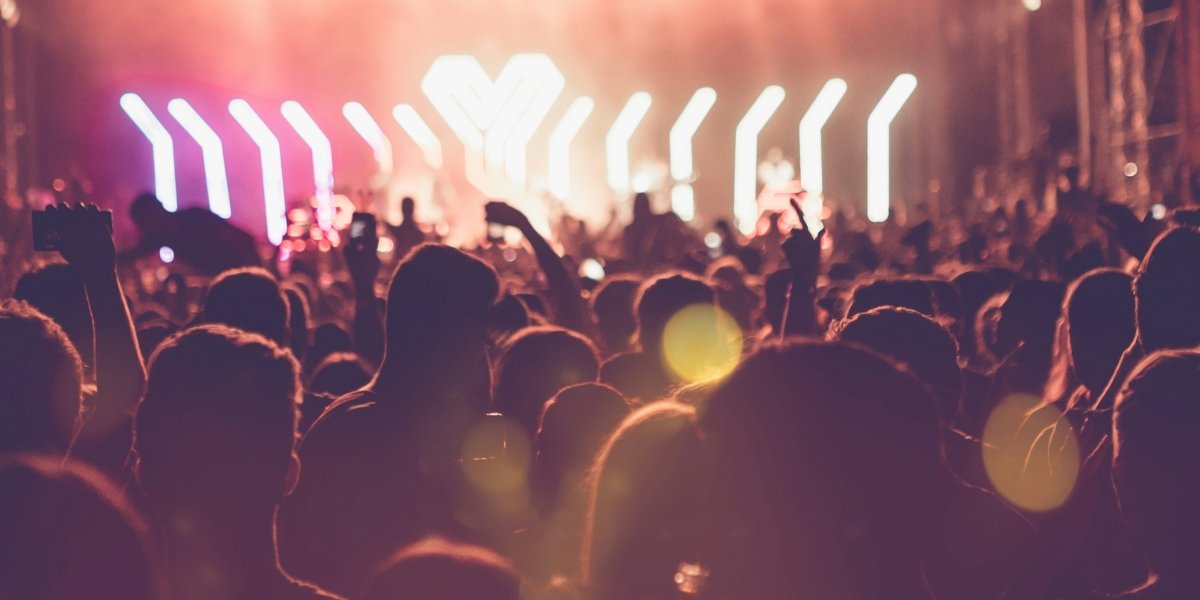
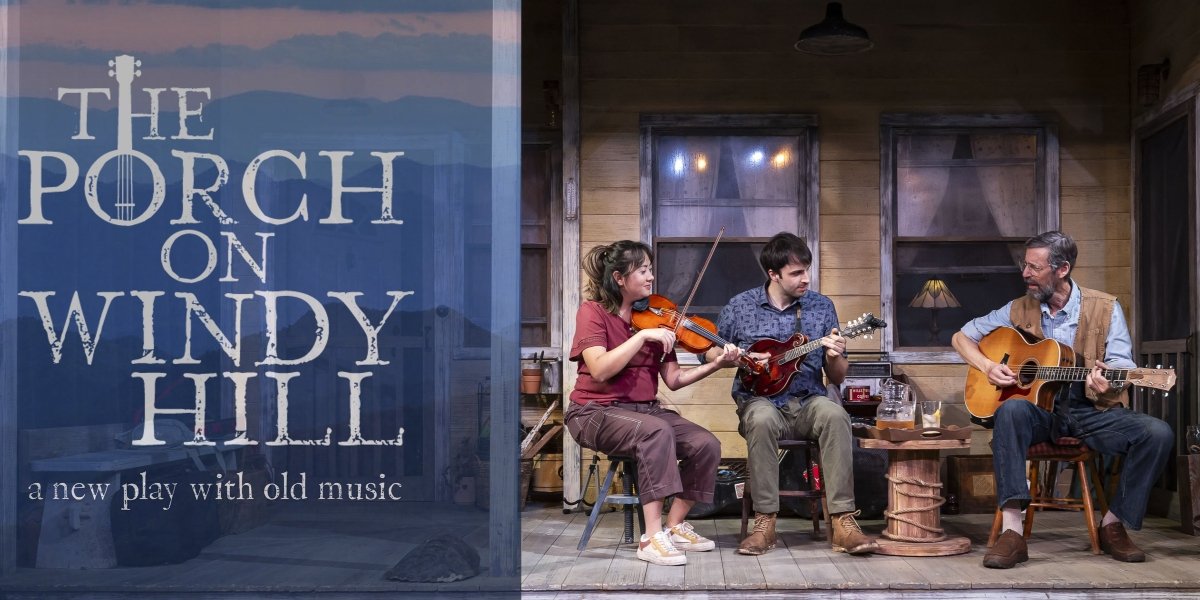
From ancient drum circles to modern streaming platforms, music has always had a unique power to connect people across cultures, languages, and generations. Unlike spoken words that require translation, a melody can make strangers feel understood, turn a crowd into a community, and bridge divides that politics cannot. This universal language operates on a fundamental human level—through shared rhythms, emotions, and experiences that transcend borders.
The science behind music’s connective power reveals fascinating insights. When people listen to the same song, brain scans show synchronized activity in areas linked to movement, emotion, and memory. This neural harmony explains why concert audiences sway together instinctively or why military units march in time to drums. The phenomenon even has a name: entrainment, where biological rhythms like heartbeats unconsciously align with musical beats. These physical responses create invisible bonds between listeners, whether they’re at a Tokyo jazz club or a Brazilian street parade.
Cultural barriers that complicate verbal communication often melt away with music. A folk song’s pentatonic scale might sound equally familiar to listeners in Scotland and Mongolia. The call-and-response patterns in African traditions echo in Appalachian bluegrass. When language fails, musicians worldwide “speak” through universal elements: a joyful major key, a sorrowful minor progression, or a driving rhythm that makes feet tap regardless of nationality. This shared vocabulary allows collaborations where artists who don’t speak the same language create beautiful albums together.
Social rituals around music-making reinforce human connections. From Congolese drum ceremonies to Irish pub singalongs, communal music creates belonging through participation rather than passive listening. Hand-clapping gospel choirs demonstrate how rhythm turns individuals into a collective. Even in the digital age, viral dance challenges on social media show how musical trends can unite millions across continents within days. These participatory traditions remind us that music was originally a social glue, not just entertainment.
Memory and nostalgia amplify music’s unifying effects. Certain songs become time machines—a Beatles tune might evoke identical smiles from grandparents in Liverpool and Jakarta who came of age in the 1960s. Refugees often preserve cultural identity through traditional lullabies. Couples across the world define relationships with “our song.” This emotional time-stamping allows strangers to bond over shared generational anthems or historical moments scored by music.
The business of music reflects its connective potential. Streaming algorithms don’t care about geography—a K-pop fan in Mexico might discover they love Nigerian Afrobeat through playlist recommendations. Global superstars like BTS or Burna Boy now blend languages in songs intentionally, knowing emotions translate better than lyrics. Music festivals worldwide attract diverse crowds more interested in vibe than vocabulary, proving that dancing needs no dictionary.
Healing applications of music further demonstrate its unifying power. Music therapy helps trauma survivors express what words cannot. Alzheimer’s patients often recall lyrics when other memories fade. Hospitals worldwide use lullabies to soothe neonatal infants, proving this language begins before birth. These therapeutic uses reveal music as a fundamental human inheritance, not just an art form.
Modern technology accelerates cross-cultural musical fusions. A producer in Stockholm might sample Aboriginal didgeridoo sounds for a hip-hop track. Apps allow real-time jamming between musicians on different continents. While purists debate authenticity, these blends create new dialects in music’s universal language—much like spoken languages evolve through cultural exchange.
Yet for all its connective power, music also preserves uniqueness. Traditional instruments like the Armenian duduk or Andean panpipes carry specific cultural stories within their tones. The tension between global pop and local traditions mirrors how societies balance assimilation with identity. Ironically, the very thing that makes music universal—its emotional directness—also makes it a powerful vessel for maintaining heritage in an interconnected world.
In times of division, music’s unifying role becomes most visible. Protest songs from different movements share similar chord progressions worldwide. Benefit concerts rally support across demographics after disasters. Playlists circulate during crises to provide comfort. These moments remind us that while humans build walls, we also keep building bridges through song.
The next time a melody gives chills or makes a room full of strangers cheer together, it’s worth remembering: music was humanity’s first social network. Long before the internet, it helped tribes coordinate, lovers communicate, and cultures interweave. In an increasingly fragmented world, that ancient technology still works better than any algorithm to remind us of our shared humanity—one beat at a time.
Read also: Practical Tools to Unlock Your Creative Potential