The music studio has evolved from a room full of bulky equipment to a laptop-powered creative hub, with technology reshaping every aspect of music production. What once required expensive hardware and technical expertise can now be achieved with intuitive software and portable gear, democratizing music creation while raising new questions about artistry in the digital age.
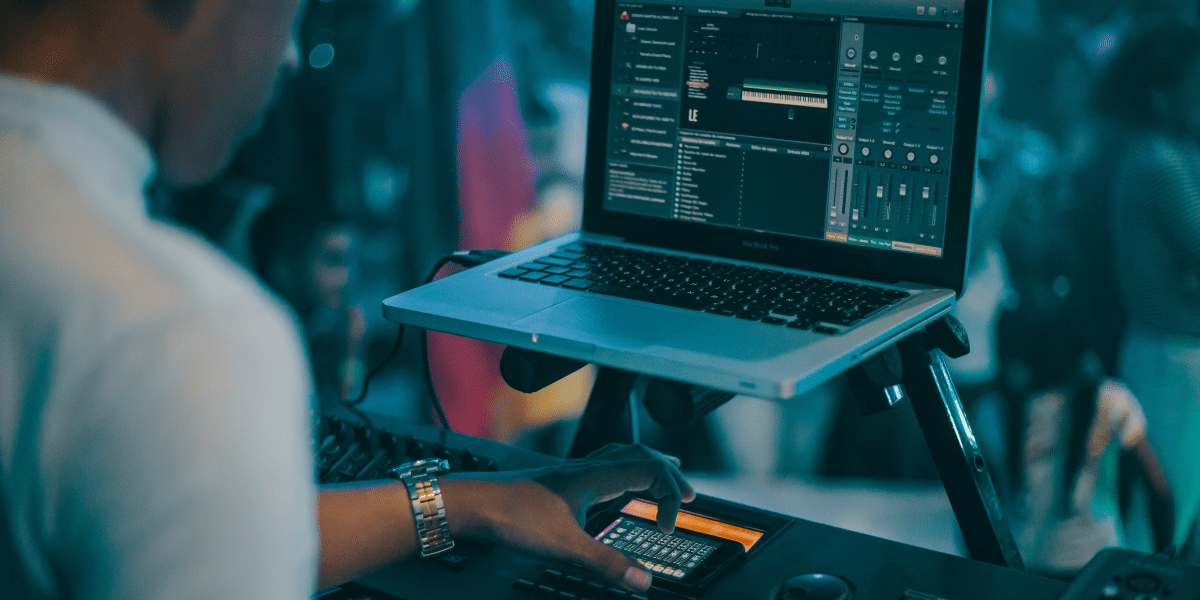
The shift began with digital audio workstations (DAWs) like Ableton Live and FL Studio, which put professional-grade tools in home studios. These platforms allow producers to compose, edit, and mix tracks entirely in-the-box, with AI-assisted tools now suggesting drum patterns or harmonizing melodies. While purists debate the loss of “organic” sound, the convenience is undeniable—a full orchestral arrangement can be mocked up before breakfast, and collaborative projects span continents via cloud sessions.
Virtual instruments have reached startling realism. Sample libraries capture world-class pianos note-by-note in renowned concert halls, while modeling amplifiers recreate vintage guitar tones without the deafening volume. Plugins like Neural DSP simulate rare analog gear so accurately that even seasoned engineers struggle to distinguish them from physical units in blind tests. This accessibility means a teenager in Jakarta can experiment with sounds that once required expensive studio time.
The home studio revolution changed industry economics. Bedroom producers now compete with major-label releases, thanks to affordable USB microphones and treatment panels that tame problematic room acoustics. Platforms like Splice offer royalty-free sample subscriptions, while AI mastering services like LANDR provide polished results without hiring an engineer. This decentralization has downsides—market oversaturation makes discovery harder—but it also allows niche genres and regional sounds to flourish outside traditional industry gatekeepers.
Collaboration tools erased geographic barriers. Artists can record vocals in Lagos over a beat made in Oslo, with real-time feedback through platforms like Audiomovers. Blockchain-based rights management systems are emerging to simplify splits when multiple contributors work across time zones. The pandemic accelerated this shift, proving that hit records no longer require physical proximity—just a stable internet connection and shared creative vision.
Mixing and mastering underwent quiet revolutions. Spatial audio tools let producers design immersive experiences for Dolby Atmos, while machine learning assists with tedious tasks like vocal tuning or noise removal. Yet human ears remain irreplaceable—the best producers use these tools as helpers rather than replacements, maintaining artistic control over algorithmic suggestions.
Live performance technology blurred studio-stage boundaries. Artists like Fred Again build sets around MPC controllers and loop stations, creating studio-like spontaneity in concert. In-ear monitoring systems provide crystal-clear mixes tailored to each performer’s needs, while silent stage technology allows drummers to play acoustic kits fitted with trigger sensors, heard only through headphones.
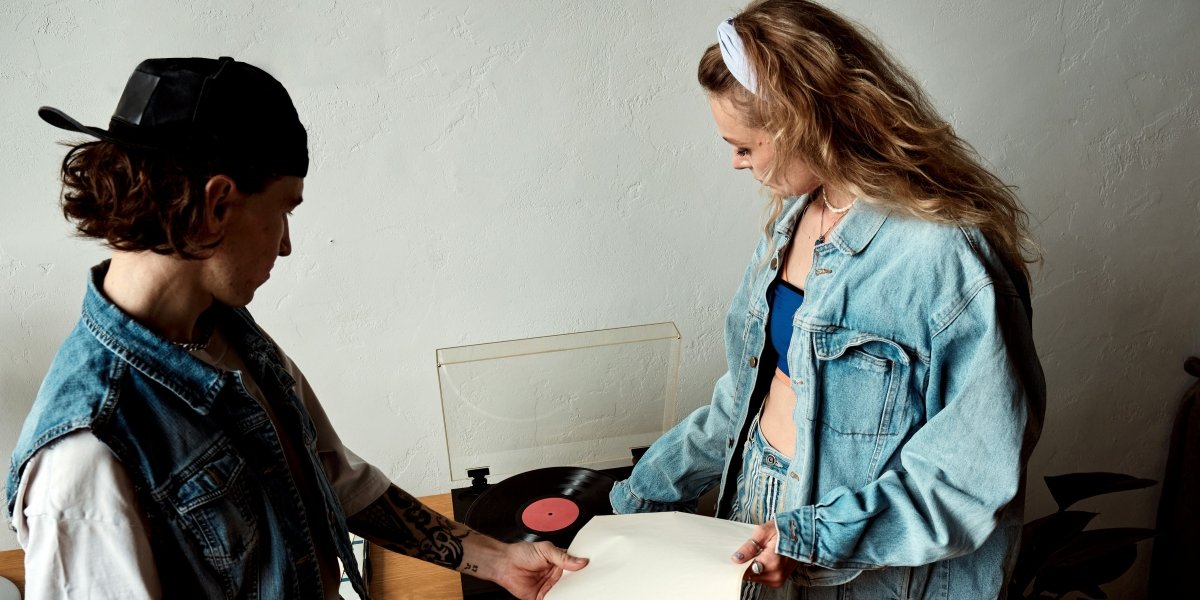
The vinyl revival presents an interesting counter-trend. Even as streaming dominates, producers increasingly master tracks differently for physical releases, catering to audiophiles who crave tactile experiences. Limited-edition pressings often include download cards, bridging analog nostalgia with digital convenience.
Emerging ethical debates question technology’s role. Should AI-generated vocals mimic deceased artists? Who owns a hit song’s rights if the melody was algorithmically suggested? How much “human touch” must a track retain to feel authentic? The industry grapples with these questions even as it embraces tools that make creation faster and more accessible.
Looking ahead, adaptive music systems may personalize songs in real-time—imagine workout playlists that match your running tempo, or video game scores that react to player choices. Haptic feedback vests could let fans feel bass frequencies during concerts, while neural interface experiments explore controlling synths with brainwaves.
Yet for all the advances, the core challenge remains unchanged: technology is just a brush—the art still comes from the person holding it. The most exciting productions balance cutting-edge tools with timeless human emotion, proving that in music, the future has always been about what happens when innovation meets imagination.