Music Observer

Athens Rock Lobsters Gear Up for Inaugural Season with B-52s’ Blessing

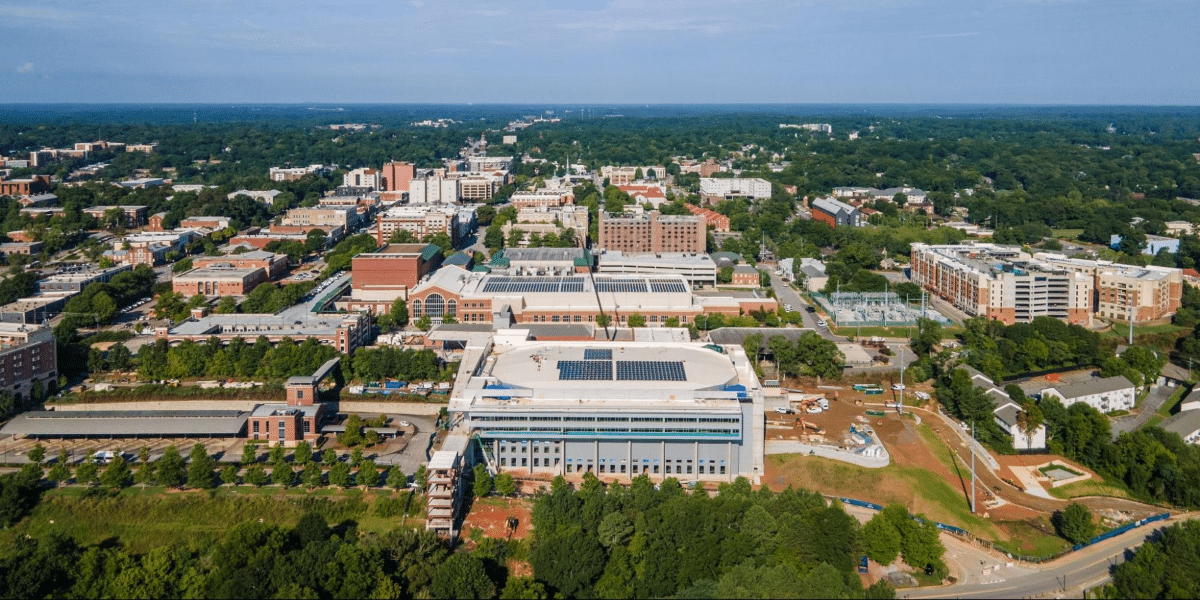
Athens, GA – September 30th, 2024 – The Athens Rock Lobsters, the newest addition to the Federal Prospects Hockey League, are set to play their first game on December 6, 2024. The team, inspired by the iconic band the B-52s, has generated buzz not just for its unique name but for its tribute to one of Athens, Georgia’s most celebrated musical acts. In a nod to the band’s enduring legacy, the Rock Lobsters will take the ice at the Akins Ford Arena, donning colors and motifs reminiscent of the group’s quirky style.

The B-52s, who released their famously eccentric song “Rock Lobster” in the late 1970s, have embraced the team’s name. The band issued a statement through city officials expressing their excitement and approval. “Athens, Georgia is our birthplace and where we started our journey ‘down the Atlanta Highway’ to spread our homegrown groove out to the universe,” the band said. “We are truly honored to have our hometown hockey team named the Rock Lobsters. As the song declares ‘Let’s rock!’” The statement reflects both the band’s deep connection to the city and their pride in being associated with this unique sports endeavor.

To mark the occasion, the B-52s will be performing at the Akins Ford Arena on December 14th, just over a week after the team’s first game. This special concert is expected to draw fans of both the band and the new hockey team, highlighting Athens’ vibrant cultural scene and the shared spirit of the community. Tickets for the concert, along with season tickets for the Rock Lobsters’ inaugural season, are now available online, making it a hotly anticipated event for locals and fans from beyond.

The team’s introduction to the league not only broadens the reach of the FPHL but also brings a sense of playful tradition to the sport. From the team’s lobster claw logo to its crustacean-themed jerseys, the Rock Lobsters are poised to make waves both on and off the ice. Fans can expect a season filled with high-energy games, lively music, and plenty of references to the B-52s’ eclectic style, ensuring that every match is a celebration of both sports and culture.

Athens Rock Lobsters Gear Up for Inaugural Season with B-52s’ Blessing (2)

Photo Courtesy: Ghost Brands

As Athens gears up for this exciting new chapter, the synergy between the Rock Lobsters and the B-52s exemplifies the city’s dynamic blend of music, sports, and community spirit. With the band’s endorsement and a season of hockey on the horizon, the Rock Lobsters are ready to make a splash in their debut season. Whether it’s on the ice or at the arena, one thing is clear: Athens is ready to rock.

About The B-52’s

The B-52’s are an iconic American rock band formed in Athens, Georgia, in 1976. Known for their quirky style, catchy tunes, and distinctive blend of new wave, rock, and dance music, they became a pioneering force in the alternative music scene. Hits like “Rock Lobster,” “Love Shack,” and “Roam” catapulted them to international fame, making them one of the most beloved bands of the 1980s and beyond. With their flamboyant stage presence and unique sound, The B-52’s continue to be celebrated as cultural icons and a testament to the vibrant creative spirit of Athens.

About the Athens Rock Lobsters

The Athens Rock Lobsters are a professional minor league hockey team based in Athens, Georgia, competing in the Federal Prospects Hockey League (FPHL). Founded in 2024, the team brings a fresh and energetic presence to a city renowned for its music, arts, and University of Georgia Bulldogs athletics. Named in homage to the iconic B-52’s song and the city’s vibrant cultural heritage, the Rock Lobsters aim to become a beloved fixture in the local sports scene. With a focus on community engagement and a dynamic, fan-friendly atmosphere, the team is poised to make its mark in its inaugural season and beyond.

Published by: Holy Minoza

Bisbee Mariachi Festival 2024: McKenna Breinholt Performs

In the heart of Arizona, nestled among the Mule Mountains, lies a town steeped in history and vibrant with culture. This is Bisbee, a place where past and present merge to create an atmosphere unlike any other. On November 2nd, 2024, this unique town will play host to an event that encapsulates its spirit—the 9th Annual Bisbee Mariachi Festival and Miners Reunion. This year’s festival aims not only a celebration of Mariachi music and dance but also an emotional homecoming for American Idol star Mckenna Breinholt.

Mckenna Breinholt has captured hearts across the nation with her soulful performances and compelling personal story. On American Idol 2024, she revealed her adoption journey and her connection to Bisbee through her birth mother, Amy Ross Lopez—known on stage as A Whiskey Girl. Lopez was one-half of the folk duo Nowhere Man & A Whiskey Girl before passing away in October 2013 due to complications from lupus. Breinholt’s discovery of her roots has led her back to Bisbee, where she will perform songs by her late mother in what is sure to be a poignant tribute.

The festival at Historic Warren Ballpark offers more than just musical performances; it’s a full-day experience running from 10 AM until 7 PM. Attendees can expect an array of talented Mariachi bands accompanied by dynamic dancers that bring the rich Mexican tradition alive through their artistry. These performers hail from various corners of the globe, showcasing not only their skill but also the universal appeal and joy Mariachi music brings.

Every note played and step danced at this festival serves a dual purpose—entertaining while supporting noble causes within the community. Proceeds from the event are dedicated entirely to aiding local organizations such as the Bisbee Coalition for the Homeless and the Bisbee Mining and Historical Museum. This commitment cements the festival as not just an artistic spectacle but also a beacon of hope for those in need.

Admission is priced at $15 for adults while allowing children aged ten and under free entry—a gesture that underscores the family-friendly nature of this cultural celebration. Tickets are available online, ensuring easy access for everyone wishing to partake in this unforgettable day.

“The Mariachi Festival is featuring some of the talented Mariachi performers and energetic dancers from around the world,” proudly states promotional material for this year’s event—a testament to both quality entertainment on offer and its international draw.

Adding further excitement is Reality TV Star Gretchen Bonaduce, herself a resident of Bisbee, who extends a warm welcome to Mckenna Breinholt upon her return. This gesture highlights how deeply interconnected personal stories are with communal narratives in shaping events like these into something far beyond mere gatherings—they become milestones in collective memory.

For those keen on immersing themselves fully into what promises to be an enriching cultural experience should visit the official website or follow updates via PurplePass. Here are the details about lineup changes, vendor information, or any additional activities will be meticulously chronicled leading up to November 2nd.

Photo opportunities abound against the backdrop of historic Warren Ballpark—an iconic venue that adds another layer of historical richness to every photograph captured during this day-long fiesta.

As anticipation builds for what aims to be both a showcase of exceptional talent and heartfelt homage to familial bonds lost but never forgotten—it becomes clear why events like these resonate so profoundly within communities like Bisbee’s. They’re not merely festivals; they’re affirmations of identity, heritage, and unity amidst diversity.

The upcoming 9th Annual Bisbee Mariachi Festival stands as more than just another date on Arizona’s cultural calendar—it represents continuity amidst change, respect across generations, and above all else—a celebration of life itself through music’s unifying power.

Contact: Vicky Talbot,VP Media for more Information vickypresspr@gmail.com 

Published by: Khy Talara

En Derin: The Innovator Bridging Turkish Rap and Global Beats

By: Bethany Davidson

En Derin bridges Turkish Rap, US Hip Hop, and UK Grime music for an international audience

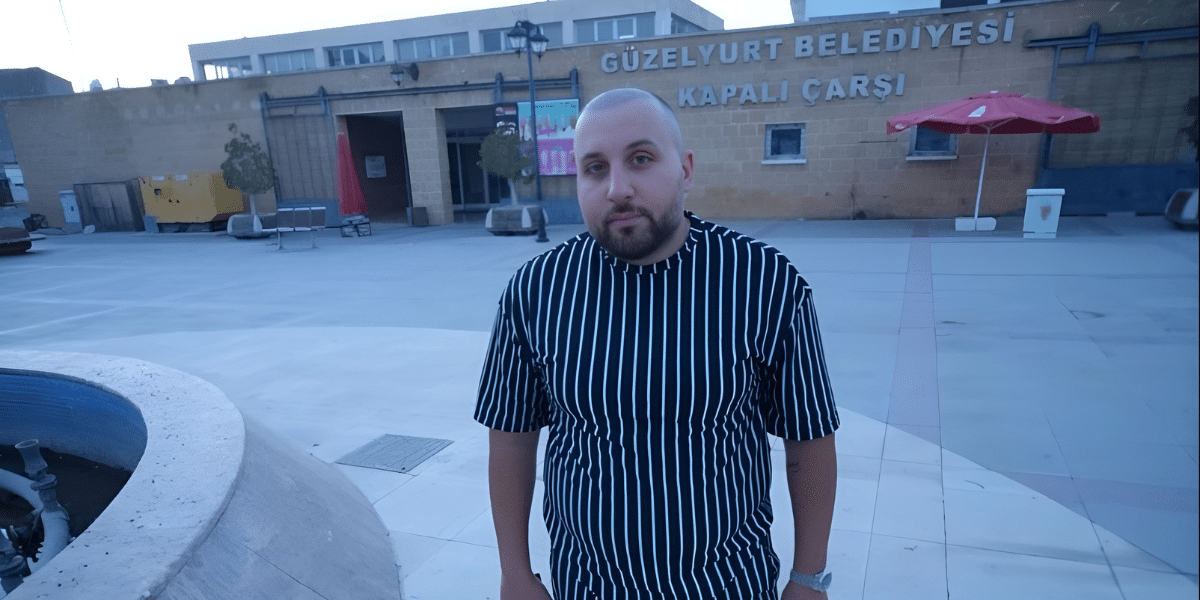
En Derin, born Derin Çağ in Güzelyurt, Northern Cyprus, is one of the most exciting artists to emerge from the Turkish Cypriot community. 

Raised in a culturally diverse environment, En Derin’s music combines the emotional depth of traditional Turkish music with the hard-hitting beats of Hip Hop and even the pulsating energy of Electronic Dance Music (EDM). 

En Derin’s journey from the streets of North Cyprus to the international music scene is a testament to his unique artistic vision and relentless pursuit of innovation.

Growing up in a household encouraging creativity, En Derin began playing the piano at the age of eight. His early musical education included Classical Turkish music and Western classical compositions by legends such as Beethoven and Mozart, along with influences from liberal artists like Bob Marley and Ahmet Kaya. 

“I’ve always been fascinated by how music can tell a story, whether through a traditional liberal song or a piano sonata by Beethoven. Both worlds shaped me,” he shared during a chat with the author. This eclectic foundation would later influence his ability to seamlessly blend genres, creating a sound that is distinctly his own​.

From North Cyprus to London: The Evolution of En Derin’s Music

In 1996, his family relocated to London, where he was exposed to the city’s dynamic music culture. “London was a game-changer for me. It was the first time I experienced UK Garage in its rawest form. During those early years, Bushkin from Heartless Crew became his mentor and a lifelong supporter of his career. 

“The underground scene here was so alive, and I knew I wanted to be a part of it,” En Derin explained. His exposure to the UK music scene fueled his passion for creating music even more that resonated on the dancefloor and carried a message​.

By the time he was 16, En Derin had already completed a course in music production and was working as a sound engineer. This behind-the-scenes experience gave him a technical edge, allowing him to control his sound fully. 

En Derin’s ability to blend Turkish rhythms with urban beats became a hallmark of his music. In 2010, he released his first single, “Tomorrow,” a track that reflected the uncertainties of life and the hope for better days ahead. “Tomorrow was about pushing through. Life doesn’t always give you answers right away, but there’s always hope for a better future,” En Derin shares​.

En Derin has broken new ground for his community as the first Turkish Cypriot rapper to be broadcast on Cyprus’ GENÇ TV and FIRST FM. “Being the first was humbling, but it also came with responsibility. I wanted to show that our culture could stand shoulder to shoulder with the rest of the world’s music,” he says. His success wasn’t just in Cyprus—En Derin’s tracks consistently topped London’s ReverbNation Hip Hop charts in 2010, even surpassing other notable artists like Akala. 

‘Dans Edelim’ – A Bilingual Success Story

One of En Derin’s notable achievements is his multilingual track, ‘Dans Edelim’, which showcases his versatility as an artist. 

Performed in both English and Turkish, the song resonated with a broad audience and garnered over 800,000 views on YouTube. The infectious rhythm, paired with En Derin’s seamless flow between languages, made it a standout track in his discography. 

“Music transcends language, and this song reflects that,” En Derin explained to the author. This song further cemented his role as a cultural bridge, blending genres and languages to create something universally appealing.

En Derin continues to evolve as an artist, blending Turkish and Middle Eastern influences with global sounds like Hip Hop, Grime, and even Dance. His recent project, EDM Odyssey: The Ultimate Dance Experience, showcases his ability to create cultural bridges through music. 

“I want people to dance, but I also want them to feel the depth of where the music comes from—whether it’s the beats of Cyprus or the underground clubs of London,” he explains​.

Richtopia Founder En Derin: Where Music and Business Converge

As both a musician and an entrepreneur, En Derin is always looking ahead. He founded Richtopia, a magazine that explores leadership and innovation across industries, which global leaders like Richard Branson and Paulo Coelho have praised​.

“Music and business aren’t all that different—they’re both about storytelling and creating something that moves people,” he reflects.

En Derin’s journey is far from over, and his impact on the global music scene is just beginning. His ability to innovate and experiment across genres while staying true to his roots makes him an artist to watch in the coming years. “Music has no borders,” he says. “People will listen as long as you’re telling a real story.”


Published by: Khy Talara

Rollicking and Reflective: Gary Pratt’s “Something Worth Remembering”

Gary Pratt’s “Something Worth Remembering” is a heartfelt country album filled with emotional depth and sincere reflection. Released in March 2021, the album serves as both a tribute to Pratt’s late brother and a testament to his love for country music. Featuring a mix of original songs and tracks written by Nashville songwriters, Pratt delivers an engaging experience for country fans, blending upbeat, honky-tonk fun with introspective, emotional ballads. Produced by Bryan Cole, the album strikes a balance between energetic numbers and thoughtful reflections, all underpinned by Pratt’s authentic vocals.

The opening track, “You Gotta Jump In,” sets the tone with its lively, motivational energy. The song carries a message of courage and seizing the moment, underscored by its infectious, upbeat rhythm. The lyrics emphasize living life without fear, offering a positive anthem about taking risks and embracing new opportunities. Pratt’s straightforward delivery makes this track a standout, particularly in how it captures his knack for turning simple, relatable moments into compelling storytelling.

“Before Someone Gets Hurt” brings a more reflective tone, showcasing Pratt’s ability to delve into the complexities of relationships. The song touches on themes of self-awareness and the struggle between desire and the need to protect oneself and others. The melancholy undercurrent, paired with Pratt’s honest vocal delivery, creates an emotional pull, making the song relatable for anyone who has experienced love slipping away despite best intentions. The poignant chorus—”I gotta stop this before someone gets hurt”—highlights the inevitable heartache that comes when two people aren’t meant to be, no matter how strong their feelings.

“Sounds Like Whiskey to Me” is another highlight, leaning into a traditional country sound with its twangy guitar and storytelling. The song evokes imagery of late-night bars and heartache, a common theme in country music, but Pratt brings a fresh take with his personal spin on loss and regret. The production here feels polished, yet retains a raw, authentic edge that complements Pratt’s emotional delivery.

“When It’s Our Love That’s Lost” stands out for its deeply personal and melancholic vibe. This track showcases Pratt’s versatility as a vocalist and storyteller. It explores the deep pain of lost love with heart-wrenching lyrics and a slower, contemplative tempo. The song provides a moment of raw vulnerability, letting listeners sit with the weight of the emotions involved.

On the lighter side,”‘ Til Your Boots Are Dirty” is a fun, toe-tapping number with classic country flair. Its playful lyrics celebrate the rugged, down-home values of rural life, with Pratt inviting listeners to embrace a little dirt and grit. Songs like this highlight Pratt’s ability to channel the genre’s traditional roots while keeping the energy fresh and accessible.

“A Song You Can Drink a Beer To” and “Country to the Bone” further cement Pratt’s affinity for the more celebratory side of country music. “A Song You Can Drink a Beer To” is a quintessential party track, perfect for summer nights and backyard barbecues. With its sing-along chorus and easygoing vibe, it’s no surprise this song became an international hit. 

Similarly, “Country to the Bone” is an ode to the rural lifestyle, paying homage to the simple, authentic pleasures of country living, a theme that resonates deeply with Pratt’s audience.

The album’s title track, “Something Worth Remembering,” is the emotional core of the record. 

Written by Grammy nominee Tony Arata, it’s a powerful ballad that asks listeners to live with purpose and make the most of the time they have. The song feels especially poignant given Pratt’s dedication of the album to his late brother. It reflects on loss, legacy, and the importance of doing something meaningful with one’s life. The gentle instrumentation and heartfelt lyrics give this track a timeless quality, reminding listeners of the lasting impact of their actions.

Closing with “To Find Us,” a duet featuring Savannah, Pratt offers a final moment of introspection. This song is a tender exploration of love and connection, with the harmonies between Pratt and Savannah adding a beautiful layer of emotion. It’s a fitting conclusion to an album that covers the full spectrum of life’s highs and lows.

Overall, “Something Worth Remembering” is an album that delivers both heartfelt emotion and classic country charm. Gary Pratt’s ability to blend personal experience with universal themes of love, loss, and living life to the fullest makes this a compelling record for country fans. Whether through the rollicking energy of its upbeat tracks or the poignant reflection of its ballads, the album succeeds in leaving a lasting impression.

Published by: Nelly Chavez

Building a Legacy: Nice Kid’s Journey from Washington to Scottsdale’s Music Scene

Every artist has a story—a journey that shapes their sound, their style, and their career. For Caleb Hellinger, known in the music world as Nice Kid, that journey has been one of passion, perseverance, and a deep love for music. From his early days growing up in Washington to becoming a key player in Scottsdale’s vibrant music scene, Nice Kid has crafted a career that’s as diverse as it is inspiring.

Musical Roots in Washington

Nice Kid’s musical journey began long before he ever set foot in a studio. Growing up in Washington, he was surrounded by a family that valued music. It wasn’t long before he picked up his first instrument—a drum set at the age of 10. What started as a hobby quickly turned into a passion, as he expanded his repertoire to include piano and guitar.

His early influences were as varied as they come. From the funky grooves of CDs his parents played to the classic rock anthems on the radio, young Caleb absorbed it all. This eclectic mix of genres laid the groundwork for his future in music, giving him the versatility that would later define his career.

By the time he reached high school, Caleb had formed his first band with a few friends from the neighborhood. They played covers and original songs, experimenting with different sounds and learning the ropes of live performance. It was during these formative years that Caleb realized his future lay in music—a realization that would eventually lead him to create Nice Kid Studios.

The Move to Scottsdale and the Birth of Nice Kid Studios

In 2018, he took a leap of faith and launched Nice Kid Studios in Scottsdale,AZ  from his one-bedroom apartment. What started as a modest operation quickly grew as word spread about his talent and dedication.

Nice Kid Studios wasn’t just a place to record music—it became a creative sanctuary for artists. Caleb’s ability to wear multiple hats as an artist, producer, and sound engineer meant that he could guide artists through every step of the creative process. Whether they were looking to lay down tracks, experiment with new sounds, or polish their final product, artists knew they could count on Nice Kid to deliver.

Over the years, Nice Kid Studios has worked with hundreds of musicians, from local Phoenix talents to artists from across the country. The studio has become known for its versatility, with Nice Kid handling everything from upbeat house tracks to gritty rock anthems. His hands-on approach and commitment to quality have made the studio a go-to destination for artists looking to push their creative boundaries.

Nice Kid’s Path Washington to Scottsdale’s Music Scene_3

Photo: Unsplash.com

Collaborations and Career Milestones

Nice Kid’s journey is marked by a series of significant collaborations and milestones. His work with artists like Swifty Blue, Hellboy Rodd, TezaTalks, and Jeremy Ray highlights his ability to adapt to different genres and bring out the best in every project. These collaborations have not only solidified his reputation as a top-tier producer but have also helped him build a network of industry connections that continue to open doors.

But for Nice Kid, it’s not just about the big names. It’s about the journey—about helping artists find their voice and create something truly special. “I’m very blessed with the life that God has given me, and I want to give back by putting out great music and helping people along their music career journey,” he says. This dedication to his craft and his clients is what sets him apart in an industry that’s often focused on the next big thing.

In addition to his work with other artists, Nice Kid continues to release his own music. His recent tracks, such as “Without You,” “All That I Can Give,” and “Lost,” reflect his growth as an artist and his ability to create music that resonates with a wide audience. Inspired by the sounds of Tinlicker, these tracks have found a home on dance floors and playlists alike. You can listen to these tracks on Apple Music.

Nice Kid’s Path Washington to Scottsdale’s Music Scene_2

Photo: Unsplash.com

Looking to the Future

As he looks to the future, Nice Kid is focused on building a lasting legacy—not just for himself, but for the artists he works with. He envisions a future where Nice Kid Studios continues to grow, offering even more services and opportunities for artists to develop their sound. He’s also eager to explore new genres, expand his own musical portfolio, and reach new audiences.

“My goal is to leverage my experience and connections to secure more prominent and diverse opportunities,” Nice Kid shares. “I want to continue growing as an artist and producer, and ultimately, build a legacy of professionalism, creativity, and inspiration.”

With his unwavering dedication and a deep love for music, Nice Kid is well on his way to achieving these goals. His journey from Washington to Scottsdale is just the beginning, and there’s no doubt that his story will continue to inspire others for years to come.

To stay updated on Nice Kid’s latest projects and releases, follow him on Instagram and check out his music on Apple Music.

Published by: Martin De Juan

Supporting Veterans and Military Families: Trump’s Commitment to Strengthening Care and Opportunities

In an era where national service and sacrifice are increasingly valorized, Donald Trump’s 2024 agenda places a significant emphasis on bolstering support for veterans and their families. This commitment is not new; it builds upon a foundation laid during his previous term in office, which was marked by concerted efforts to enhance healthcare accessibility, job opportunities, and overall support for those who have served in the military. The narrative of supporting veterans and military families is deeply woven into discussions of national service, underscoring the paramount importance of federal backing in ensuring these communities do not just survive but thrive post-service.

Trump’s dedication to honoring the nation’s veterans extends beyond mere acknowledgment. His policy proposals aim at delivering tangible resources to aid veterans and their families in navigating life after military service. These initiatives span from broadening healthcare access through the Department of Veterans Affairs (VA), enriching job training and placement programs for veterans, to fortifying mental health services—a domain gaining increasing relevance as many veterans grapple with transition-related challenges.

Expanding VA Healthcare Accessibility

Supporting Veterans and Military Families Trump’s Commitment

Photo Courtesy: Meridian Beverly Hills Investment and Legal Group

Central to Trump’s veteran support strategy is a commitment to refining healthcare provision for veterans. He advocates for a modernized VA system that can offer timely, high-quality care without bureaucratic delays. A milestone achievement from his first term—the VA MISSION Act—serves as a testament to this commitment. Enacted in 2018, this legislation widened healthcare options for veterans, permitting them to seek treatment from private providers when VA services fell short. Trump proposes further enhancements aimed at reducing wait times, improving care quality, and extending specialized services like mental health and substance abuse treatment within the VA framework.

Telemedicine emerges as another focal point within Trump’s healthcare agenda for veterans, especially highlighted by its utility during the COVID-19 pandemic. By facilitating remote care, telemedicine promises improved access for those in rural locales or with mobility issues—ensuring no veteran is left behind due to logistical constraints.

Empowering Veterans Through Employment

Beyond healthcare, employment readiness forms a cornerstone of Trump’s vision for veteran reintegration into civilian life. His plan underscores the expansion of vocational training and apprenticeships tailored toward transitioning veterans into sectors like cybersecurity, IT, and renewable energy—fields synonymous with economic vitality and innovation.

The Veterans Employment Initiative illustrates past commitments towards enhancing veteran employability across public and private sectors alike. Looking ahead, Trump envisions greater investment in programs that not only equip veterans with marketable skills but also foster entrepreneurship through accessible capital and business development resources.

Addressing Mental Health Challenges

Confronting the mental health crisis among veterans constitutes another critical aspect of Trump’s platform. Alarming statistics from the Department of Veterans Affairs highlight an urgent need for comprehensive mental health care and suicide prevention strategies. Initiatives such as establishing a three-digit suicide prevention hotline (988) underscore past efforts; moving forward, Trump aims to broaden mental health services within the VA system focusing on both preventive measures and crisis intervention.

Peer support networks are championed as vital platforms where veterans can share experiences and find solace among those who truly understand the intricacies of post-military life challenges.

Enhancing Military Family Well-being

Trump acknowledges that military service demands sacrifices not just from individuals in uniform but their families too. His policies aim at mitigating some challenges faced by military spouses and children through improved job prospects—including remote work opportunities—and education benefits designed to ensure quality schooling irrespective of geographic stability.

For disabled veterans facing unique hurdles post-service, Trump proposes increased disability compensation alongside housing grants tailored for home modifications catering to specific disabilities—an initiative reflecting comprehensive care beyond traditional medical needs.

In summing up Donald Trump’s 2024 platform reveals an unwavering commitment towards advancing welfare initiatives for veterans and their families—an endeavor aimed at recognizing their sacrifices with more than just words but actionable policies fostering both respect and material support.

As we march closer to election day, it becomes evident that issues impacting our nation’s heroes will remain pivotal in shaping discourse—a reality acknowledged through detailed proposals aiming at reinforcing systems designed to honor America’s steadfast defenders.  

(focused on agenda 18)

Dr. Sarah Sun Liew for U.S Senate show and today’s America and world new show 

Connect with Dr. Sarah Sun Liew

Direct: (424) 343 7025

Tel: (424) 777 6461

Websites: www.sarahsenator.org info@drsarahliewforcongress.com

Facebook: www.facebook.com/sarahsun.liew

Twitter: www.twitter.com/Sarahliew7

YouTube: www.youtube.com/@dr.sarahsunliewforcongress884

Instagram: www.instagram.com/drliewsenate/

LinkedIn: www.linkedin.com/in/dr-sarah-sun-liew-dba-ph-d-postdoctoral-phds-dr-sarah-sun-liew-for-u-s-senate-77642138/ 

Published by: Holy Minoza 

Restoring Law and Order in American Cities: Trump’s Approach to Addressing Violent Crime

By: Meridian Beverly Hills Investment and Legal Group

A central theme of Donald Trump’s domestic agenda focuses on restoring law and order in American cities, particularly in those that have experienced spikes in violent crime. Trump’s plan emphasizes a return to tough-on-crime policies, increasing police presence, boosting federal law enforcement resources, and implementing stricter sentencing laws to crack down on issues such as gang violence and drug trafficking. Trump argues that many of these crime spikes are the result of defunded police departments and lenient criminal justice policies, particularly in Democratic-led cities.

Trump’s vision for restoring law and order is based on the principle that safety and security are foundational to a functioning society. In his view, without effective policing and robust law enforcement, communities cannot thrive, businesses suffer, and economic opportunities diminish. His agenda seeks to ensure that cities regain control over crime through increased federal support, tougher law enforcement tactics, and accountability for local governments that have reduced police funding.

The Need for Restoring Law and Order

The call to restore law and order comes at a time when many U.S. cities have experienced rising crime rates, particularly in violent crimes such as homicides, assaults, and robberies. According to FBI crime data, violent crime saw an uptick in several major cities in recent years, with some cities reporting double-digit increases in homicides and shootings. Trump attributes this rise in crime to several factors, including:

Defunding the Police: The national conversation around police reform—particularly following the protests against police violence in 2020—led to movements in some cities to reduce police budgets. Trump argues that reducing police funding has directly contributed to rising crime, as it has weakened the ability of law enforcement to respond effectively to crime waves.

Soft-on-Crime Policies: Trump believes that progressive criminal justice reforms, such as bail reform and reduced sentencing for non-violent offenders, have created an environment where criminals feel emboldened. He contends that lenient policies have allowed dangerous individuals to return to the streets quickly, leading to repeat offenses and greater public safety risks.

Lack of Federal Support: Trump argues that in some cases, local governments have been unable or unwilling to effectively address rising crime. His administration aims to step in by providing federal law enforcement support and, when necessary, deploying federal forces to cities where crime is out of control.

Key Elements of Trump’s Law and Order Agenda

Increasing Police Presence and Federal Law Enforcement Resources

A core element of Trump’s plan is to increase the presence of police officers on the streets, especially in high-crime areas. Trump has called for the rebuilding of police departments that have been defunded or had their budgets cut. This would involve restoring funding for police departments to hire additional officers, invest in training, and upgrade equipment to ensure law enforcement can respond effectively to crime.

In addition to local law enforcement, Trump’s plan includes boosting federal law enforcement resources through agencies such as the FBI, DEA, and ATF. These federal agencies would work closely with local law enforcement to target organized crime, drug trafficking, and gang violence, particularly in cities that have seen surges in these types of activities. Trump also advocates for federal task forces that specialize in combating violent crime, making it easier for cities to receive federal support in dealing with complex crime issues.

Tough Sentencing Laws

Trump’s law and order agenda emphasizes the need for tougher sentencing laws to ensure that criminals—particularly those involved in violent offenses—face significant consequences for their actions. His administration would push for mandatory minimum sentences for certain crimes, such as gun violence, drug trafficking, and gang-related activities. Trump believes that deterrence through harsh penalties is essential for discouraging criminal behavior and reducing crime rates over the long term.

In particular, Trump’s plan calls for cracking down on repeat offenders, ensuring that individuals with a history of violent crime are not released early or allowed back onto the streets. He also aims to target organized crime and drug cartels, which he views as major contributors to violence in U.S. cities. By implementing tougher sentencing laws and ensuring that criminals serve their full sentences, Trump argues that communities will see a long-term reduction in crime.

Deploying Federal Forces, Including the National Guard

In cases where local law enforcement is unable to control violent crime, Trump has proposed deploying federal forces, including the National Guard, to assist in restoring order. This would be done in cities where crime has become unmanageable and where local police departments are overwhelmed. Trump’s administration has previously used this tactic, notably during the protests and civil unrest that followed the killing of George Floyd in 2020.

The deployment of federal forces would be focused on supporting local law enforcement in high-crime areas, helping to maintain peace, and providing backup for police departments that are struggling to control crime surges. While Trump acknowledges that federal intervention is not always ideal, he sees it as necessary in cases where local governments are either unwilling or unable to restore order.

Holding Local Governments Accountable

Another key aspect of Trump’s plan is to hold local governments accountable for reducing crime in their jurisdictions. In particular, Trump has criticized Democratic-led cities for implementing what he views as soft-on-crime policies, such as bail reform and reduced sentencing, which he argues have contributed to higher crime rates.

Trump has proposed using federal law to ensure that local governments are held responsible for addressing crime in their cities. This could involve tying federal funding to cities’ crime reduction efforts, requiring cities to meet certain law enforcement benchmarks to receive federal grants. Trump’s administration would also work to reverse policies that have weakened law enforcement, particularly in cities that have defunded their police departments.

Impact of Trump’s Law and Order Approach

Trump’s approach to restoring law and order has resonated with many Americans who are concerned about rising crime in their communities. Supporters of Trump’s law-and-order agenda argue that his tough-on-crime policies are necessary to address the root causes of violent crime and protect law-abiding citizens. They believe that increased police presence, federal support, and tough sentencing laws will deter criminal activity and restore safety to America’s cities.

Moreover, Trump’s supporters argue that rebuilding police departments and restoring law enforcement funding will have long-term benefits for communities, as it will allow police officers to focus on proactive policing and community engagement. By providing police departments with the resources they need to address crime effectively, Trump’s plan aims to reduce crime rates and improve the overall quality of life in cities that have been hardest hit by violent crime.

Challenges and Criticisms

Despite its appeal to many Americans, Trump’s law-and-order approach faces significant criticism. One of the main concerns is that tough-on-crime policies often result in over-policing in minority communities, leading to racial disparities in arrests and incarceration rates. Critics argue that Trump’s focus on punitive measures fails to address the underlying causes of crime, such as poverty, lack of education, and systemic inequality.

Another concern is the potential for civil liberties violations when federal forces are deployed to local jurisdictions. The deployment of federal agents during the 2020 protests sparked widespread controversy, with many arguing that it represented an overreach of federal power and infringed on the rights of protesters and residents.

Additionally, critics of Trump’s plan argue that defunding the police is not the primary cause of rising crime rates. They point to the economic and social disruptions caused by the COVID-19 pandemic, as well as the growing gun violence epidemic, as more significant factors driving the increase in violent crime.

Conclusion

Donald Trump’s plan to restore law and order in American cities reflects his belief that tough policing, federal support, and strict sentencing laws are the keys to reducing crime and ensuring public safety. His approach seeks to rebuild police departments, deploy federal resources, and hold local governments accountable for addressing violent crime in their jurisdictions. While his law-and-order agenda has strong support from those who prioritize public safety, it also faces challenges from critics who argue that focusing solely on punitive measures may not address the root causes of crime.

As the 2024 election approaches, Trump’s law-and-order platform will continue to be a significant issue in the national conversation, particularly as cities across the U.S. grapple with rising crime rates and ongoing debates about police reform.  

(focused on agenda 17)

Dr. Sarah Sun Liew for U.S Senate show and today’s America and world new show
Connect with Dr. Sarah Sun Liew
Direct: (424) 343 7025

Tel: (424) 777 6461

Websites: www.sarahsenator.org info@drsarahliewforcongress.com
Facebook: www.facebook.com/sarahsun.liew
Twitter: www.twitter.com/Sarahliew7
YouTube: www.youtube.com/@dr.sarahsunliewforcongress884
Instagram: www.instagram.com/drliewsenate/
LinkedIn: www.linkedin.com/in/dr-sarah-sun-liew-dba-ph-d-postdoctoral-phds-dr-sarah-sun-liew-for-u-s-senate-77642138/ 

Published by: Holy Minoza

Typhoon Yagi Hits Vietnam: Several Casualties and Widespread Damage

Typhoon Yagi has left a trail of devastation across Vietnam, claiming lives and injuring several individuals. The powerful storm made landfall in central Vietnam, bringing with it torrential rains, high winds, and widespread destruction. Local authorities are working tirelessly to assess the damage, provide aid, and restore critical services to affected regions.

Widespread Destruction and Impact

Typhoon Yagi wreaked havoc in several provinces, particularly in the central and northern parts of Vietnam. The storm caused severe flooding, landslides, and property damage, displacing thousands of residents. Homes were destroyed, roads were rendered impassable, and power outages affected entire communities. Emergency response teams have been deployed to rescue those trapped in isolated areas and provide urgent relief.

In addition to the physical damage, agriculture—Vietnam’s backbone—suffered significant losses. Fields of crops were submerged, and livestock was lost in the floodwaters, compounding the challenges faced by rural communities already struggling with the economic impact of recent storms.

Casualties and Injuries

As of the latest reports, people have tragically lost their lives in the storm, while others have sustained injuries. Rescue teams continue to search for those who may be trapped under debris or isolated in flooded areas. Hospitals and medical centers in affected regions are overwhelmed, treating the injured while struggling with limited resources and the destruction of essential infrastructure.

Authorities have issued warnings to residents in high-risk areas to evacuate as landslide risks remain high due to the saturated ground and continued rain. Relief efforts are underway, but the scale of the damage makes recovery efforts challenging.

Government Response and International Aid

Vietnamese officials have declared a state of emergency in the hardest-hit areas, mobilizing military and civilian resources to assist in rescue operations and provide humanitarian aid. Relief organizations are distributing food, water, and medical supplies while efforts to restore power and clear roads are ongoing.

International aid organizations have also stepped in, offering assistance and resources to help Vietnam recover from the disaster. As the country grapples with the aftermath, the global community has expressed its solidarity and commitment to supporting Vietnam in rebuilding.

The Ongoing Threat of Typhoons in Vietnam

Typhoon Yagi is the latest in a series of powerful storms that have hit Vietnam in recent years. The country, situated along a major typhoon route, is frequently affected by such natural disasters, which bring widespread flooding and destruction. The increasing intensity of storms like Yagi has been linked to climate change, making it essential for Vietnam to strengthen its disaster preparedness and mitigation efforts.

Vietnam’s vulnerability to extreme weather events underscores the importance of long-term planning and international cooperation to build more resilient infrastructure and protect vulnerable communities.

Looking Ahead

As Vietnam begins the long process of recovery, the focus will remain on rebuilding communities and supporting those affected by Typhoon Yagi. The government and relief organizations are working together to ensure that essential services are restored and that the displaced have shelter, food, and medical care. It will take time for the nation to fully recover from the damage, but efforts are already underway to help those most in need.

For more detailed coverage on Typhoon Yagi’s impact on Vietnam, including ongoing relief efforts, read the full article allamericanthinker.com.

Published by: Martin De Juan

The Role of Financial Literacy in Teen Life Planning

Financial literacy is a critical life skill that often goes underemphasized during the formative years. For teenagers, understanding financial concepts such as budgeting, saving, investing, and managing debt is crucial not only for immediate economic well-being but also for effective life planning. Developing these skills early sets the foundation for a stable and prosperous future, equipping teens with the tools to make informed decisions, achieve financial independence, and avoid common pitfalls that lead to financial strain.

The Importance of Financial Literacy for Teens

Financial literacy involves acquiring the knowledge and skills necessary to make informed financial decisions. For teenagers, it extends beyond just understanding how to handle money; it also encompasses planning for their future. With today’s evolving economic landscape and the increasing cost of living, teenagers face a multitude of financial decisions that can significantly impact their future. Whether choosing a college, buying a first car, or deciding on a part-time job, every decision comes with financial implications. Understanding these implications and how to navigate them is what makes financial literacy a cornerstone of life planning for teens.

A strong foundation in financial literacy helps teens set realistic goals, make informed choices about education and career paths, and understand the value of money. It empowers them to take control of their financial future rather than becoming victims of circumstances or poor decisions.

The Basics of Budgeting: A Roadmap to Financial Freedom

Budgeting is the cornerstone of financial literacy and effective life planning. It provides a roadmap for managing income and expenses, ensuring that spending aligns with financial goals and values. For teens, creating a budget can be an eye-opening experience that introduces them to the concept of living within their means.

A budget helps teens track their income—whether it’s from a part-time job, allowance, or gifts—and plan how to allocate it wisely across needs, wants, and savings. This practice cultivates a habit of thinking ahead and understanding that money is a limited resource. It also provides an early lesson in distinguishing between ‘needs’ (essentials like food, transportation, and education) and ‘wants’ (non-essentials like entertainment and luxury items). Learning to prioritize spending helps teens avoid impulsive buying and develop a mindset geared towards financial stability.

Several resources can help teens learn to budget effectively. “So What Comes Next?” by Michael A. Deffina offers a practical guide for creating a budget that aligns with personal and future goals. The book provides tools that encourage teens to understand the concept of cash flow and develop disciplined financial habits. Another useful resource is “Life Skills for Teens” by Karen Harris, which covers essential budgeting strategies in a straightforward and approachable manner, ensuring teens can grasp these critical concepts and apply them in their everyday lives.

Saving: Building a Safety Net for the Future

While budgeting teaches teens how to manage what they have, saving is about setting aside a portion of their income to build a safety net for the future. Saving is a critical skill that supports both short-term goals—like purchasing a new gadget or funding a summer trip—and long-term goals, such as higher education, buying a home, or even early retirement.

Instilling the habit of saving early in life encourages teens to think about future needs and emergencies. It also helps them understand the concept of delayed gratification, which is vital for avoiding unnecessary debt and fostering a sense of financial security. Teens should be encouraged to open a savings account, set realistic savings goals, and understand how interest works—especially the power of compound interest, which can significantly grow their savings over time.

Resources that focus on practical saving techniques can be very beneficial for teens. They help introduce the principles of regular savings, setting financial goals, and understanding the importance of having an emergency fund. These skills are crucial in building a strong financial foundation that can weather unexpected challenges.

Investing: Growing Wealth Over Time

Investing is a step beyond saving and involves putting money into assets like stocks, bonds, mutual funds, or real estate with the expectation of earning a return. For teens, understanding investing can be a game-changer in how they perceive money. Unlike saving, which preserves money, investing grows it, potentially outpacing inflation and providing additional income streams over time.

Learning about investment options, risk tolerance, and the importance of diversification can help teens make informed decisions about their money. Investing in knowledge early pays dividends, quite literally, as teens learn to navigate the complexities of the stock market or other investment vehicles. They should understand the difference between short-term speculation and long-term investing, recognizing that building wealth often requires patience and strategic planning.

For those looking to get a head start, simulated stock market games and introductory courses on investing can provide valuable experience without the financial risk. Teens can gain confidence and competence in managing investments, which is an essential part of any comprehensive financial literacy program.

Managing Debt: Avoiding Financial Pitfalls

While investing can grow wealth, managing debt effectively is equally crucial for maintaining financial health. Unfortunately, many young adults find themselves overwhelmed by debt, often due to student loans, credit cards, or personal loans taken without a clear understanding of their long-term impact.

Understanding how debt works, the difference between good debt (like student loans or mortgages that can provide future value) and bad debt (like high-interest credit card debt), and the consequences of defaulting are essential lessons for teens. They need to grasp how interest rates, minimum payments, and credit scores work and how these elements influence their overall financial stability.

Teens should be educated about responsible credit use, debt repayment strategies, and the dangers of falling into debt traps. Resources like “So What Comes Next?“ provide teens with comprehensive strategies to understand and manage debt effectively, helping them avoid common pitfalls and maintain a healthy financial future.

Incorporating Financial Literacy into Teen Life Planning

Financial literacy is not just about handling money—it’s about planning for a secure future. Life planning involves setting personal and professional goals, understanding the resources required to achieve them, and navigating the complexities of adulthood. Integrating financial literacy into life planning empowers teens to be proactive rather than reactive, allowing them to steer their lives in the direction they want.

Effective life planning involves setting short, medium, and long-term goals and aligning financial strategies to meet those goals. For instance, if a teen’s goal is to attend a specific college, understanding the financial implications of that choice—such as tuition costs, potential scholarships, student loans, and future earning potential—becomes crucial. Guides like “So What Comes Next?” and “Life Skills for Teens” offer practical frameworks to help teens assess their options, develop necessary skills, and create actionable plans.

Conclusion: Preparing Teens for a Financially Secure Future

In today’s fast-paced and unpredictable world, financial literacy is more critical than ever for teenagers. It is a vital component of life planning that equips them with the skills to manage their resources wisely, avoid financial pitfalls, and build a secure and prosperous future. By understanding and applying principles of budgeting, saving, investing, and debt management, teens can set themselves on a path to financial independence and success.

Parents, educators, and policymakers play a crucial role in ensuring that financial education is integrated into the curriculum and available as part of broader life skills programs. Providing teens with access to comprehensive resources and engaging them in discussions about money management from an early age can foster a generation of financially savvy individuals prepared to take on the world with confidence and competence


Published By: Aize Perez

First Planet Records’ Bold Move to Fair Artist Compensation

In an era where digital streaming dominates the music industry, artists often find themselves navigating the treacherous waters of financial sustainability. Amidst this landscape, a new player has emerged with a groundbreaking approach that promises to redefine artist compensation. First Planet Records, though still in its nascent beta stage, is making waves by offering an unprecedented royalty rate to musicians for their streamed content. This initiative not only sets a new benchmark for fair compensation but also challenges the existing paradigms set by giants like Spotify and iTunes.

At the heart of First Planet Records is a vision deeply rooted in equitable treatment for artists. The founder’s mission, Jesse Chisolm 3rd, aka Mace Blackmon, revolves around providing fair and adequate royalties to all musicians utilizing the platform. This commitment is encapsulated in the brand’s powerful motto: “Don’t Be Killed by The Math.” This statement resonates with many artists struggling to make ends meet in an industry skewed against them.

The disparity in compensation models is stark. While Spotify pays out a mere $0.005 per stream and iTunes offers one cent, First Planet Records has taken a bold leap forward by offering 25 cents per downloaded stream. This model ensures a more sustainable income for artists and signifies a shift toward recognizing and valuing the creative labor involved in music production.

In exploring this innovative approach, it becomes clear that First Planet Records is not merely another streaming platform but a movement toward rectifying long-standing inequities within the music industry. By prioritizing artist compensation, the platform seeks to empower musicians, giving them the financial freedom necessary to continue their creative pursuits without compromise.

The significance of this model extends beyond financial benefits; it fosters a healthier ecosystem where artists can thrive and produce high-quality work. It challenges competitors to reassess their own compensation structures and encourages consumers to support platforms that value artist welfare.

Social media reactions have been positive, with other artists and listeners expressing their support for First Planet Records’ mission on platforms like Instagram. These interactions highlight a growing awareness and demand for fair practices within the industry.

Critics might argue that such a drastic increase in payout rates could be unsustainable or lead to higher costs for consumers. However, First Planet Records’ strategy appears grounded in long-term sustainability rather than short-term gain. By investing in artist satisfaction and loyalty, they are building a foundation that could very well dictate future standards across streaming services.

Moreover, this approach aligns with broader societal shifts towards ethical consumption practices where people increasingly favor businesses that offer fair trade products or ethically sourced materials. Similarly, music listeners are becoming more conscious of how their streaming habits impact artists’ livelihoods.

Looking forward, First Planet Records aims to not only sustain but expand its revolutionary compensation model. As they evolve from their beta stage into full operation, they plan to integrate exclusive brand insights and leverage social media connections further. Their goal is clear: to establish themselves as not just another platform but as leaders advocating for change within an industry ripe for reform. For more information, visit www.firstplanetrecords.net. 

This venture into uncharted territory presents both challenges and opportunities. Success will require navigating complex negotiations with record labels and managing scalable growth without compromising on core values. Yet, if successful, First Planet Records could pave the way for substantial changes across global music markets.

First Planet Records represents more than just an alternative streaming service; it embodies hope for thousands of artists worldwide who seek recognition and fair remuneration for their artistry. With its innovative payout model and dedication to ethical practices, First Planet Records stands at the forefront of a significant shift in the music industry dynamics.

Published by: Martin De Juan