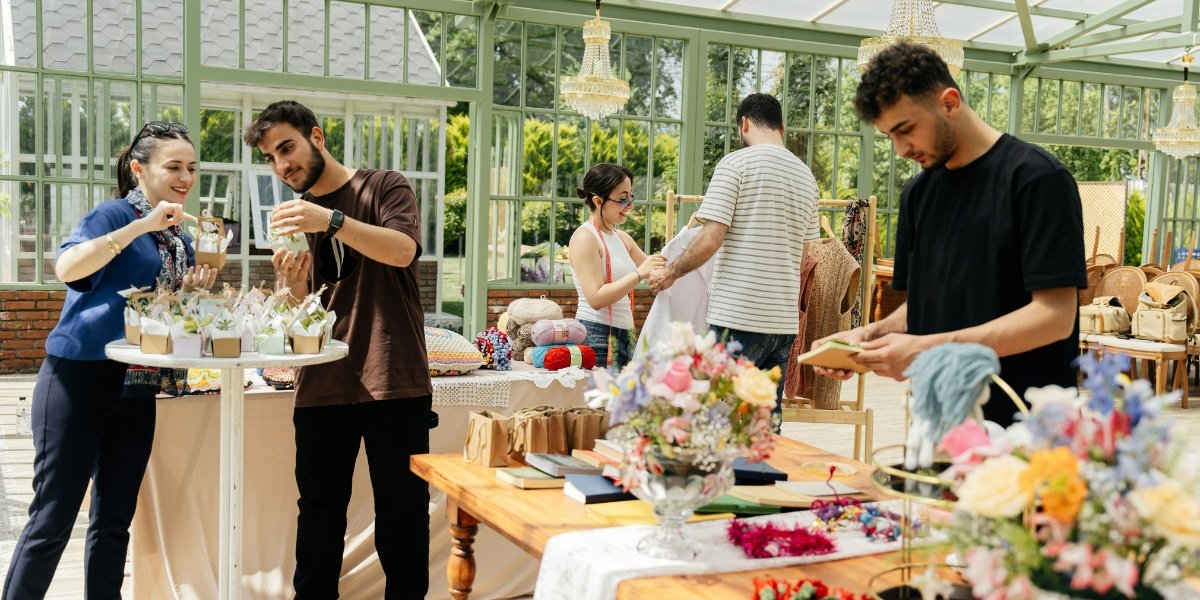
Vendors and suppliers are the heartbeat of any successful music event. From staging and sound to catering and merch, these behind-the-scenes players shape the experience fans remember, and the one artists rely on. With expectations higher and timelines tighter, working with vendors and suppliers isn’t just about logistics. It’s about strategy, culture, and execution.
Start with Creative Vision and Clear Communication
Before any vendor outreach or supplier negotiations begin, event organizers need to lock in the creative vision. Is the event a high-octane hip-hop showcase, a genre-bending indie festival, or a stripped-down acoustic night? That identity drives every decision, from lighting design to food truck selection. Vendors and suppliers aren’t just executing logistics; they’re helping build the atmosphere. When the creative direction is clear, partners can align their services with the vibe, not just the checklist.
This clarity also prevents mismatches. A luxury floral vendor might not be the right fit for a punk rock warehouse show, just as a gourmet sushi caterer won’t land with a country music crowd. When organizers lead with tone and audience insight, vendors can tailor their offerings to match, creating a seamless experience that feels intentional, not improvised.
Communication is the bridge between vision and execution. Organizers should establish preferred channels early, whether it’s email, Slack, or text, and set expectations for response times, updates, and approvals. Vendors need access to timelines, contact lists, and creative briefs to deliver effectively. When communication flows, vendors and suppliers can adapt quickly, solve problems in real time, and elevate the event’s impact.
During the event itself, real-time updates are non-negotiable. If a set runs long, a crowd shifts, or a weather delay hits, vendors need to know immediately. A lighting tech can’t adjust if they’re in the dark, literally. When organizers treat communication as a live, two-way system, vendors become proactive collaborators, not reactive contractors. That’s how great events stay on track, and on brand.
Build Relationships, Not Just Contracts
In the music event world, vendors and suppliers aren’t just hired hands, they’re creative allies. Whether it’s a lighting designer who understands the pacing of a live set or a catering team that knows how to serve 500 fans without killing the vibe, these partners shape the experience from the ground up. That’s why organizers should approach every vendor relationship with collaboration in mind, not just transactional efficiency. A contract might lock in services, but trust unlocks performance.
Strong relationships lead to better outcomes. Vendors who feel respected and looped into the creative process are more likely to go the extra mile, solving problems before they escalate, adapting to last-minute changes, and offering insights that elevate the event. When a staging crew knows the artist’s vision, they’ll build with intention. When a merch supplier understands the fanbase, they’ll print what sells. These are the kinds of details that separate good events from unforgettable ones.

Photo Credit: Unsplash.com
It’s also about long-term value. Vendors and suppliers who’ve built rapport with organizers often offer priority scheduling, flexible pricing, and access to premium inventory. They become part of the event’s DNA, familiar with the flow, the audience, and the expectations. In a fast-moving industry where timing is everything, having trusted partners who already speak the language of the brand is a strategic advantage. Relationships aren’t just nice to have, they’re essential infrastructure.
Budget Honestly and Plan for Contingencies
Budget transparency is essential. Organizers should come prepared with realistic numbers and a clear breakdown of priorities. If sound quality is non-negotiable, allocate accordingly. If decor is secondary, say so. Vendors appreciate clarity and can tailor packages to meet specific needs without compromising quality.
Contingency funds are non-negotiable. Events are dynamic, and unexpected costs, from weather delays to equipment upgrades, can arise. A buffer allows organizers to pivot without panic and keeps vendor relationships intact.
Respect Expertise and Cultural Fit
Vendors and suppliers are specialists. They know their gear, their teams, and their workflows. Organizers should respect that expertise and avoid micromanaging. Instead, they should ask questions, seek input, and collaborate on solutions. A seasoned sound engineer might suggest a better mic setup. A caterer might flag a traffic bottleneck near the food area. These insights are gold.
Cultural fit matters too. A vendor might have the best gear in town, but if they don’t understand the pacing of a live set or the energy of a crowd, they could disrupt the flow. Especially in music events, timing, tone, and audience engagement are everything.
Debrief, Diversify, and Level Up
Post-event debriefs aren’t just a formality, they’re a power move. After the lights go down and the crowd clears out, organizers should sit down with key vendors and suppliers to unpack what worked, what didn’t, and what can be improved. These conversations build trust, surface blind spots, and set the tone for future collaborations. A merch vendor might flag a missed sales opportunity, or a staging crew might suggest a more efficient load-in strategy. Every insight is a chance to sharpen the next show.
Diversifying vendor partnerships isn’t just about optics, it’s about innovation. Working with women-owned, BIPOC-owned, LGBTQ+-owned, and local businesses brings fresh energy, cultural fluency, and deeper community engagement. These vendors often bring unique aesthetics, grassroots networks, and creative problem-solving that elevate the event experience. Fans expect inclusivity not just on stage, but behind the scenes, and organizers who reflect that in their supply chain are building stronger, more future-proof brands.
Leveling up means treating every event as a launchpad, not a one-off. Organizers who invest in long-term vendor relationships, inclusive sourcing, and post-show analysis are the ones who scale, from club nights to citywide festivals. It’s not just about throwing a great event; it’s about building a reputation that attracts talent, sponsors, and fans year after year. Vendors and suppliers aren’t just part of the process, they’re part of the brand.
Vendors and Suppliers Are the Pulse Behind the Scenes
Music events are built on energy, artistry, and logistics, and vendors and suppliers are the pulse behind the scenes. They set the stage, feed the crowd, light the moment, and keep the rhythm flowing. When organizers treat these partners with respect, clarity, and collaboration, the results speak for themselves.
For those planning large-scale productions, Music Observer’s guide to stress-free event planning offers additional insights. And for those looking to elevate audience engagement, our feature on transforming music events explores how vendors contribute to immersive experiences.