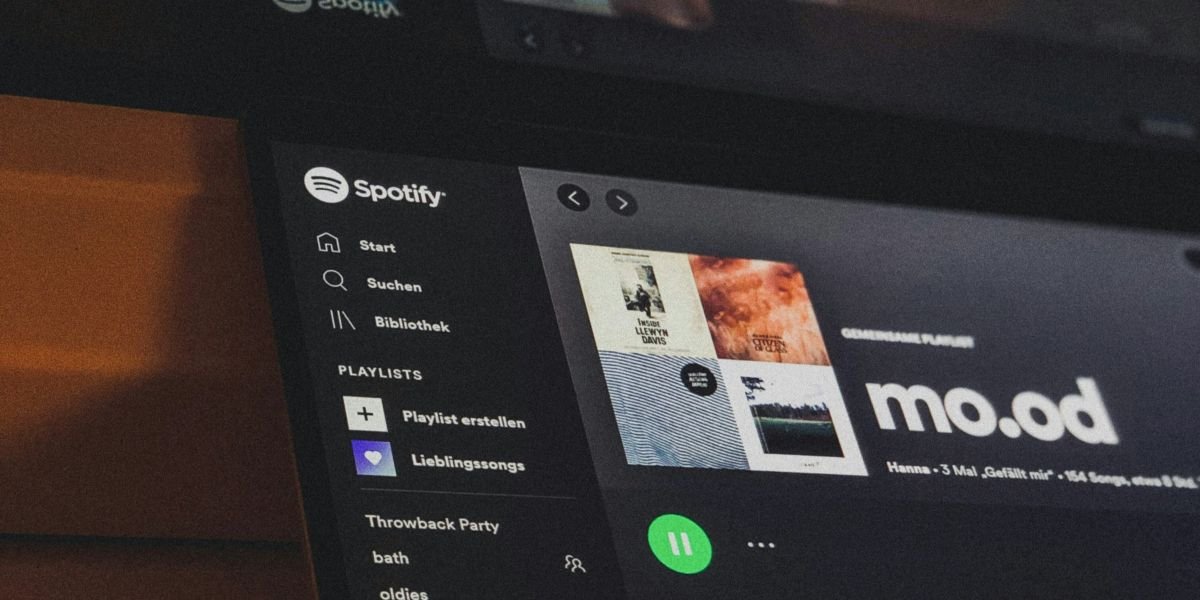
Genre fusion isn’t a new idea, but it’s starting to feel like the rules around music production are being rewritten. The lines between styles that used to feel fixed, hip-hop, jazz, electronic, folk, classical, are now more like suggestions. Producers aren’t just mixing sounds for novelty anymore. They’re building entire tracks around the tension and harmony between genres, and that shift is changing how music is made, shared, and understood.
For anyone trying to keep up, it can feel like the ground is always moving. One moment a track leans into house rhythms, the next it’s layered with acoustic guitar and spoken word. That unpredictability can be exciting, but also frustrating for those trying to categorize, market, or even just follow what’s happening. Genre fusion doesn’t always come with a clear label, and that’s part of the point.
Why Genre Fusion Works in Music Production
At its core, genre fusion works because it reflects how people actually listen. Most listeners don’t stick to one style anymore. Playlists jump from ambient to drill to indie pop without warning. That shift in listening habits has pushed producers to think less about fitting into a box and more about creating something that feels honest, layered, and unexpected.
The production process itself has adapted. Digital tools make it easier to experiment with sounds that used to be hard to combine. A producer can sample a traditional string section, pitch it down, and pair it with trap drums without needing a full studio or live musicians. That flexibility opens up creative possibilities that weren’t always accessible.

Photo Credit: Unsplash.com
Still, blending genres isn’t just about throwing sounds together. It takes a clear sense of rhythm, tone, and structure to make it work. A track that mixes jazz progressions with electronic textures needs to respect the timing and feel of both. Otherwise, it risks sounding disjointed. That’s where experience and instinct come in, knowing what to keep, what to strip away, and how to make the fusion feel natural.
Genre Fusion and the Shifting Role of Producers
Producers aren’t just technicians anymore. They’re curators, translators, and sometimes even cultural mediators. Genre fusion asks them to understand not just the technical side of production, but the emotional and historical weight of the styles they’re blending. That’s a lot to carry, especially when expectations around originality and authenticity are high.
Some producers use genre fusion to challenge norms. Others use it to create something more accessible. Either way, the role has expanded. It’s not just about making a beat or mixing vocals. It’s about shaping a sound that speaks across audiences, sometimes across languages, and often across traditions.
That shift has also changed how producers collaborate. Sessions might include artists from completely different backgrounds, each bringing their own influences. The producer becomes the bridge, helping those ideas meet in the middle without losing their edge. It’s a balancing act, and not every fusion works. But when it does, it can lead to something that feels fresh without being forced.
How Genre Fusion Affects Music Discovery and Categorization
Streaming platforms still rely on genre tags to organize music, but those tags don’t always reflect what’s actually happening in the track. A song might be labeled as R&B but carry heavy punk energy. Another might sit under electronic but feature folk-style storytelling. That mismatch can make discovery harder, especially for listeners looking for something specific.
Some producers and artists have started using mood-based or vibe-based descriptors instead. That helps, but it doesn’t solve the deeper issue: genre fusion challenges the idea that music needs to be sorted by style at all. It asks whether categorization should be based on sound, intent, or audience.
This shift also affects how music is marketed. A track that blends genres might appeal to multiple audiences, but it can also confuse algorithms and playlist curators. That’s especially tough for independent musicians trying to gain traction. Without clear genre placement, their work might get overlooked, even if it’s exactly what listeners want.
That’s where social media and digital platforms have become essential. They allow artists to bypass traditional gatekeepers and connect directly with fans who appreciate genre-blending. Some producers have built entire followings by sharing snippets, breakdowns, and behind-the-scenes looks at how they mix styles. These platforms give space for experimentation, even if the algorithms don’t always catch up.
This shift in discovery is part of a broader change in how independent musicians use social media and digital platforms to build their audience and share genre-blending work that doesn’t fit traditional molds.
Genre Fusion and the Challenge of Fair Recognition
Genre fusion also raises questions about credit and compensation. When a track pulls from multiple traditions, who gets recognized? Who gets paid? That’s not always clear, especially when samples, references, or stylistic nods are involved.
Producers and songwriters often work behind the scenes, shaping the sound without getting full credit. Genre fusion can make that even more complicated. A track might include elements from a style that’s underrepresented or historically marginalized, and if those contributions aren’t acknowledged, it can feel like erasure.
This issue has sparked conversations about why songwriters are fighting for fair pay, especially when their contributions to genre-blending tracks aren’t fully recognized.
It’s not just about fairness. It’s about making sure the creative work behind genre fusion is respected and valued. That includes the producers who shape the sound, the artists who bring the vision, and the communities whose styles are being blended.
Why Genre Fusion Feels Personal to Listeners and Creators
Genre fusion isn’t just a technical shift. It’s emotional. It reflects how people live, listen, and express themselves. For some, it’s a way to connect different parts of their identity. For others, it’s a way to challenge expectations or explore something new.

Photo Credit: Unsplash.com
That personal connection is part of why genre fusion resonates. It doesn’t ask listeners to choose between styles. It invites them to hear how those styles can speak to each other. That’s powerful, especially for those who’ve never felt fully represented by one genre alone.
Still, it’s not always easy to navigate. Producers and artists might struggle to find the right balance, and listeners might feel unsure about what they’re hearing. That confusion is valid. Genre fusion doesn’t always come with a clear roadmap. But that’s also what makes it exciting.
Music production is changing, and genre fusion is a big part of that shift. It’s not about abandoning tradition. It’s about rethinking how styles interact, how sounds evolve, and how creativity moves through different spaces. That change isn’t always smooth, but it’s shaping a new kind of listening, one that’s layered, open, and constantly in motion.