Album covers have always been more than packaging, they’re visual statements that reflect an artist’s identity, era, and message. From the golden age of vinyl to today’s streaming platforms, the evolution of album covers mirrors shifts in technology, culture, and creative expression. As music consumption changes, so does the way artists and designers approach the art of the cover.
Vinyl Era: The Birth of Iconic Imagery
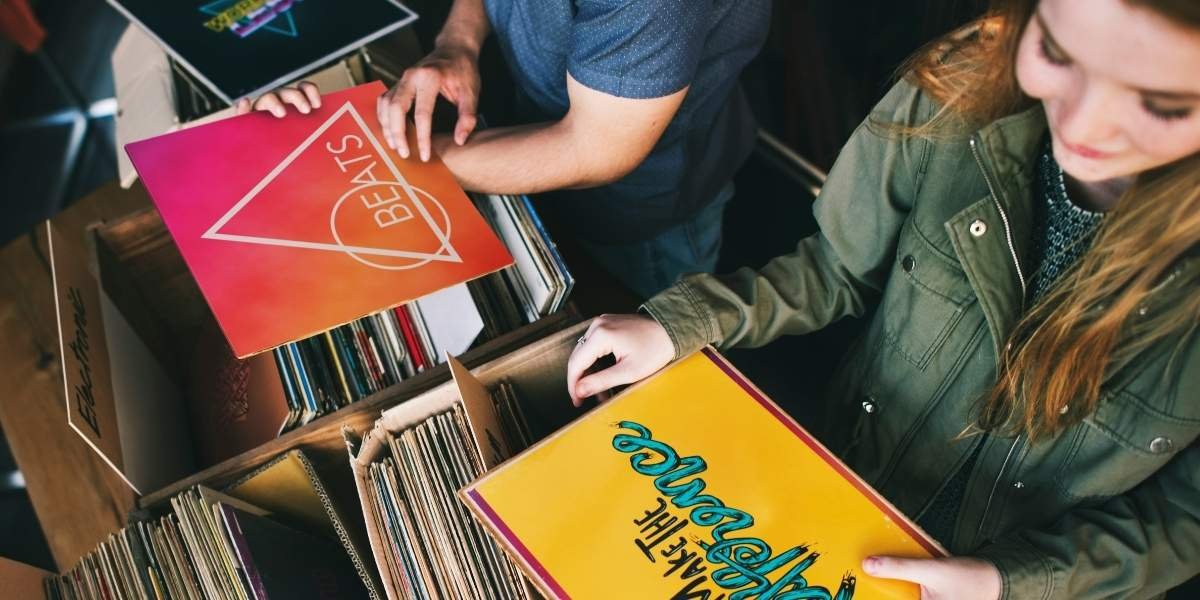
During the vinyl era, album covers were large, tactile canvases that invited bold design and storytelling. Artists and labels understood that the cover was often the first point of contact with listeners. Whether browsing in record stores or flipping through collections at home, the visual impact of a cover could spark curiosity and emotional connection.
Designers like Peter Saville, Hipgnosis, and Reid Miles helped define the aesthetic of entire genres. Covers for albums by Pink Floyd, Miles Davis, and The Beatles became cultural landmarks, blending photography, illustration, and typography in ways that elevated the music itself. These designs weren’t just decorative, they were part of the listening experience.
Cassette and CD Era: Shrinking the Canvas
As music formats shifted to cassette tapes and compact discs, album covers had to adapt to smaller dimensions. While the physical space was reduced, the importance of visual branding remained. Designers leaned into bold typography, color blocking, and simplified imagery to maintain impact at a reduced scale.
CD booklets offered new opportunities for storytelling, with liner notes, lyrics, and extended artwork. This era saw a rise in conceptual design, where album covers became part of a broader narrative. Artists used packaging to deepen the emotional resonance of their work, even as the format became more portable and commercial.
Digital Shift: Redefining the Role of Album Covers
The rise of digital music platforms transformed how album covers are consumed. On streaming services, covers are often viewed as thumbnails, small squares that compete for attention in crowded playlists and recommendation feeds. This shift has led to a new design language focused on clarity, contrast, and instant recognition.
Minimalism has become a dominant trend, with artists opting for clean lines, bold colors, and striking imagery that stands out on mobile screens. At the same time, some musicians are pushing boundaries with animated covers, interactive visuals, and augmented reality experiences. The digital space allows for experimentation, but also demands strategic thinking.
Album Covers as Branding Tools
In today’s music landscape, album covers are central to artist branding. They appear across social media, merchandise, and promotional campaigns, serving as visual anchors for an entire release cycle. A strong cover can boost discoverability, reinforce identity, and create lasting impressions.
Indie artists, in particular, are using album covers to differentiate themselves in a saturated market. Strategic design choices, such as consistent color palettes, typography, and visual motifs, can help build recognition and loyalty. Insights into music marketing tactics for independent artists highlight how visual storytelling plays a key role in audience engagement.
The Influence of Synesthesia and Sensory Design

Photo Credit: Unsplash.com
Some artists and designers approach album covers through the lens of synesthesia, a neurological phenomenon where senses overlap, such as seeing colors when hearing sounds. This perspective adds depth to the design process, allowing visuals to reflect the emotional and sonic qualities of the music.
Designers inspired by synesthesia often use color theory, texture, and spatial composition to evoke mood and movement. This approach creates immersive experiences that resonate with listeners on multiple levels. A deeper look into how music creates color reveals how sensory design can enhance the connection between sound and sight.
Collaborations Between Musicians and Visual Artists
Collaborations between musicians and visual artists have become more common, especially in genres where aesthetic plays a central role. These partnerships bring fresh perspectives to album covers, blending disciplines and expanding creative possibilities.
Visual artists like Takashi Murakami, KAWS, and Shepard Fairey have worked with musicians to create covers that transcend traditional design. These collaborations often extend into merchandise, stage design, and digital content, creating cohesive brand ecosystems that amplify the music’s reach.
Social Media and the Rise of Shareable Covers
Social media has changed how album covers are shared and perceived. A cover must now perform across platforms, from Instagram grids to TikTok clips. This shift has led to designs that are not only visually compelling but also optimized for engagement.
Some artists release alternate covers, teaser visuals, or behind-the-scenes content to build anticipation. Others use fan-generated artwork to foster community and expand reach. The album cover is no longer static, it’s part of a dynamic conversation between artist and audience.
Archival Revival and Vinyl Resurgence
Despite the dominance of digital platforms, vinyl has made a strong comeback. Collectors and audiophiles are driving demand for physical releases, and artists are responding with elaborate packaging and limited-edition designs. This revival has reignited interest in album covers as tactile art forms.
Gatefold sleeves, embossed textures, and hand-numbered prints are bringing craftsmanship back into music design. For many fans, owning a vinyl record is about more than sound, it’s about experiencing the music through touch, sight, and ritual. The resurgence of vinyl is reminding the industry of the enduring power of physical media.
The Future of Album Covers
As technology continues to evolve, so will the role of album covers. Virtual reality, generative art, and blockchain-based collectibles are opening new frontiers for music design. Artists may soon release albums with covers that change based on listener behavior, location, or mood.
What remains constant is the need for authenticity and connection. Whether viewed on a phone screen or held in hand, album covers are expressions of identity, emotion, and creativity. They tell stories, spark curiosity, and invite listeners into the world of the music.
Album covers have come a long way, from the bold statements of vinyl to the sleek designs of digital platforms. As artists continue to innovate, these visual companions will remain essential to how music is experienced, remembered, and shared.