Electronic music has never been easier to make. With modern software, a producer can assemble a track without ever touching an instrument, reading a note of music, or understanding why certain sounds work together at all. The result is an industry flooded with output – and increasingly short on depth.
This isn’t a critique of technology. It’s a critique of detachment from musicianship.
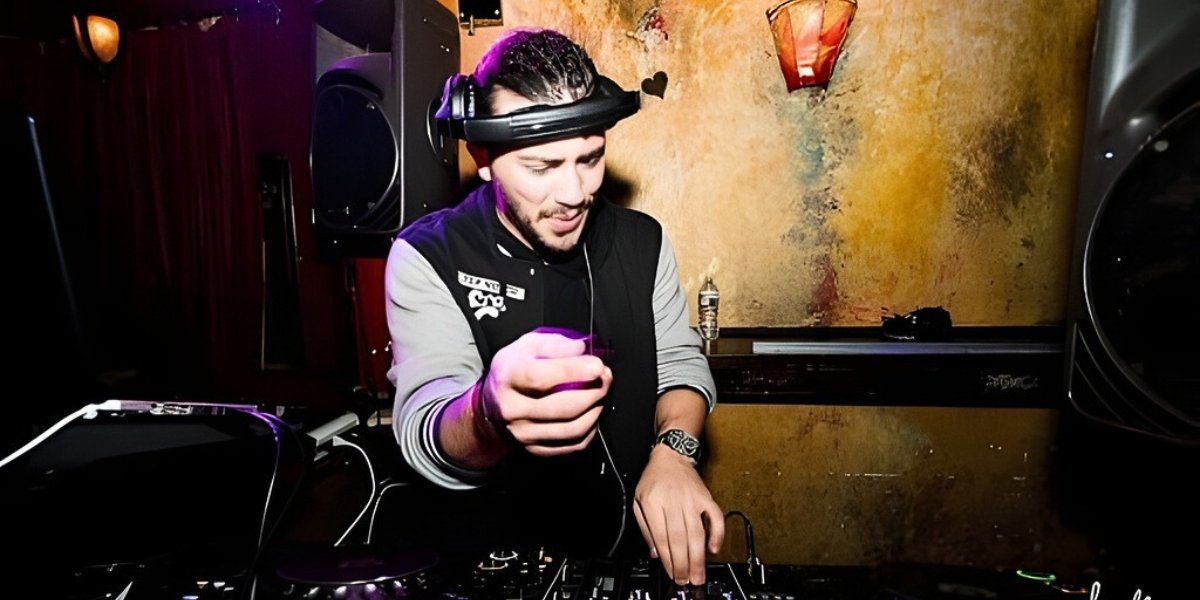
In a landscape dominated by presets, templates, and algorithm-driven releases, Ethan Svoboda, known professionally as DJ WHIPLSH, represents a vanishing archetype: the electronic producer who is first and foremost a musician.
When Music Is a Language, Not a Tool
WHIPLSH did not “discover” music through software. He was raised inside it.
Growing up in a homeschooling household where music was treated as core literacy, Svoboda’s education mirrored that of classical conservatory students more than bedroom producers. His father holds a Doctorate of Musical Arts, and extended family members are embedded throughout major classical institutions – from symphony orchestras to university music departments.
Piano training was mandatory, not optional. For five years, it served as his primary instrument, instilling harmonic awareness, voicing, and structural thinking. Only after that foundation was firmly established did he expand into percussion – learning timpani, auxiliary percussion, and drum kit.
This sequencing matters. Rhythm without harmony is propulsion, not storytelling. WHIPLSH learned early that music is not simply movement – it is architecture over time.
Why That Foundation Changes Everything
Electronic music is often framed as rhythm-driven, but the tracks that endure are rarely built on rhythm alone. They succeed because they understand tension, release, phrasing, and form – concepts native to classical and jazz traditions.
WHIPLSH entered electronic production already fluent in these ideas. He understood dynamics before automation curves. He understood harmonic direction before risers. He understood musical narrative before drops.
That difference is audible.
Two Educations, Running in Parallel
After high school, Svoboda enrolled as a music major at California State University, Northridge, where his formal training deepened through theory, harmony, orchestration, and form. At the same time, he immersed himself in electronic performance culture – driving to clubs, festivals, and raves across the West Coast.
It was a dual education.
During the week, he studied how composers guide listeners across movements. On weekends, he studied how DJs guide crowds across hours. One taught him how music works on paper. The other taught him how music works in bodies.
“Classical music teaches you discipline,” WHIPLSH explains.
“Electronic music teaches you performance.”
His work lives in the overlap.
Why He Doesn’t Start in a DAW
Most electronic producers begin with a blank session and a preset browser.
WHIPLSH does not.
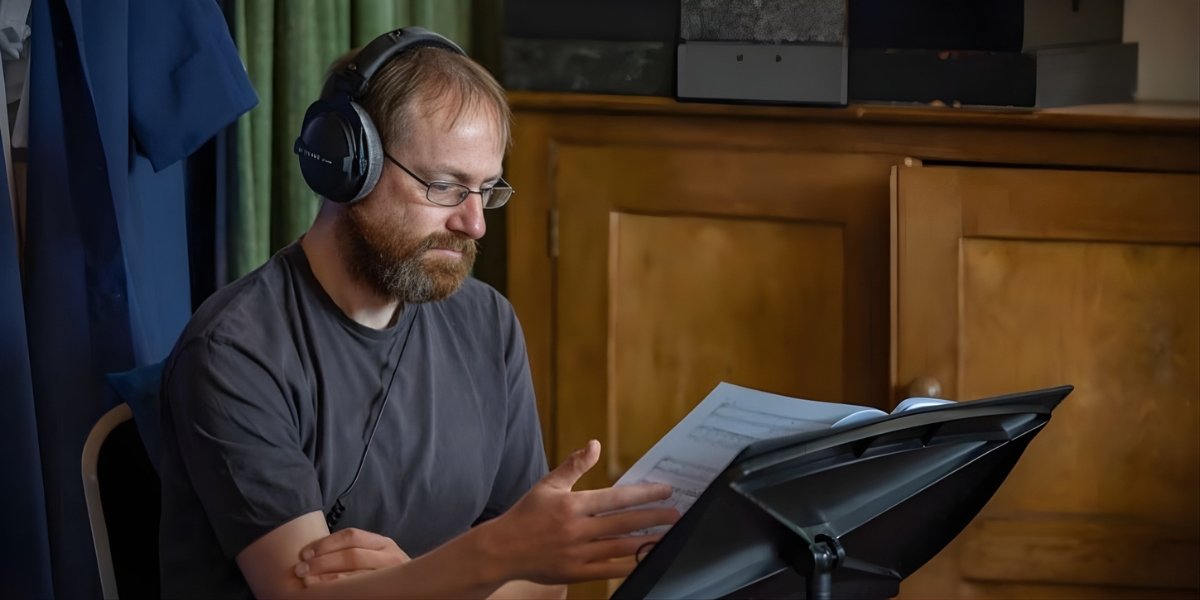
His workflow begins with instruments – piano motifs, rhythmic figures, orchestral textures – played, recorded, and then digitized. Only after the musical idea exists does he apply electronic processing.
The intention isn’t to preserve “purity.” It’s to create friction.
By forcing human timing, imperfection, and phrasing into a digital environment, he creates tension between organic expression and machine precision. That tension is the point.
It’s also why his music resists mass release.
Music as Performance, Not Content
In an era where tracks are often released to justify bookings, WHIPLSH reverses the equation. His original compositions exist primarily as live performance material, not as streaming assets.
This is unusual – borderline heretical – in an industry governed by algorithms. But it reflects an older model of musicianship, where music earns its place through performance, not placement.
When he releases something publicly, it’s deliberate.
The EP That Broke the Pattern
In 2021, WHIPLSH released Chronicles of WHIPLSH, a cinematic EP that made his approach visible. The project leaned heavily into orchestral structure, harmonic layering, and thematic continuity – closer to film scoring than playlist EDM.
Collaborations with Natalia Vivino, known for her work as Elphaba standby on the national tour of WICKED, reinforced the theatrical dimension of the project. Her vocal presence transformed tracks into scenes rather than songs.
The EP wasn’t built for repeatable drops. It was built for movement.
For producers paying attention, it posed an implicit challenge: if electronic music can access the full vocabulary of composition, why limit it to presets?
Leaving Los Angeles to Gain Space
In 2025, WHIPLSH relocated from Los Angeles to Central Oregon, a move driven by personal life rather than career strategy. Yet the shift matters.
Los Angeles rewards speed, output, and volume. Oregon offers something else: space.
Since relocating, WHIPLSH has become a sought-after presence in the Oregon events ecosystem, bringing a level of live performance control more common to major nightlife markets. Event planners describe him as a “live performance DJ” – a distinction rooted in his musicianship.
His sets are structured as arcs, not playlists. He shapes energy using tempo, harmony, and emotional pacing rather than relying exclusively on drop timing.
In musical terms, he composes experiences in real time.
Where This Fits in the Broader Landscape
Electronic music is splitting.
On one side are producers optimizing for virality, rapid release cycles, and short-form consumption. On the other are musically trained producers treating synthesis as orchestration and arrangement as composition.
Artists like Floating Points, Nils Frahm, and Ólafur Arnalds exemplify this second path. WHIPLSH aligns with that lineage – but with a distinctly performance-first orientation that keeps his work grounded in physical rooms, not abstract listening environments.
Art Still Requires Infrastructure
Despite the artistry, reality remains practical. WHIPLSH does not book direct; engagements run through partner planners and production companies. The model keeps his calendar intentional and protects the balance between performance and composition.
Beyond live events, he accepts commissioned original work for film, television, and gaming – an organic extension of a producer whose music already behaves like score.
What Comes Next
Oregon has given WHIPLSH the rarest resource in modern music: time. Time to write, to rethink release strategy, and to decide what deserves permanence.
Whether the next chapter is another EP, selective singles, or something hybrid remains open. What isn’t open is the philosophy behind it.
In an industry increasingly shaped by shortcuts, musicianship has become a differentiator again.
Electronic producers who don’t play instruments aren’t disappearing.
But producers who do – and who understand why music works – may finally be reclaiming ground.