Climate action has moved from the sidelines to center stage in the entertainment world. What was once a niche concern is now a defining issue for artists, producers, and industry leaders alike. As the climate crisis intensifies, the music and entertainment sectors are being forced to reckon with their environmental impact, and many are stepping up.
From reducing emissions on global tours to rethinking the materials used in stage design, climate action is no longer a side initiative. It’s becoming a core part of how entertainment is produced, consumed, and monetized. And while celebrities may help amplify the message, the real transformation is happening behind the scenes, in production offices, tour buses, recording studios, and boardrooms.
Sustainable Touring and Eco-Conscious Production Are Gaining Momentum
One of the most visible shifts in climate action within the music industry is the rise of sustainable touring. Major artists and their teams are rethinking how they move, power, and promote their shows. This includes switching to biodiesel or electric tour buses, offsetting carbon emissions, and eliminating single-use plastics from backstage areas.
Tour production companies are also embracing greener practices. LED lighting, modular stage designs, and digital ticketing systems are becoming standard. Some tours now include sustainability riders, requiring venues to meet specific environmental criteria before hosting a show.
These changes are not only environmentally responsible, they’re also good business. Fans are increasingly eco-conscious, and artists who align with those values are building deeper loyalty. Climate action is becoming a brand differentiator, especially among younger audiences who expect their favorite performers to lead by example.
Green Innovation Is Transforming Music Technology and Merch
Beyond touring, climate action is influencing how music is made and sold. Equipment manufacturers are developing eco-friendly instruments, biodegradable vinyl, and energy-efficient sound systems. Studios are installing solar panels, using recycled materials for acoustic treatments, and adopting low-energy recording practices.
Merchandise, a major revenue stream for many artists, is also getting a sustainable makeover. Organic cotton, water-based inks, and plastic-free packaging are replacing traditional materials. Some artists are even experimenting with on-demand printing to reduce waste and overproduction.
As highlighted in Music Observer’s feature on eco-friendly electronics, the intersection of music and environmental consciousness is driving innovation across the supply chain. From headphones made with recycled metals to carbon-neutral streaming platforms, the future of music tech is looking greener by design.
Venues, Theatres, and Festivals Are Going Climate-Forward
The push for climate action is also transforming the spaces where music and performance come to life. Concert venues and theatres are adopting sustainability initiatives that go far beyond recycling bins. These include energy-efficient HVAC systems, composting programs, and partnerships with local farms for catering.
Festivals, long criticized for their environmental toll, are becoming laboratories for green innovation. Organizers are investing in solar-powered stages, reusable cup systems, and zero-waste infrastructure. Some are even offering incentives for attendees who arrive via public transit or bike.
Theatres, too, are embracing change. As explored in Music Observer’s coverage of eco-conscious theatre practices, productions are reusing set materials, sourcing costumes from ethical suppliers, and reducing energy use during rehearsals and performances.
These efforts are not only reducing emissions, they’re also reshaping audience expectations. Climate action is becoming part of the entertainment experience, woven into everything from ticketing to concessions.
Cultural Influence Meets Environmental Responsibility
While the entertainment industry is making structural changes, public figures continue to play a role in amplifying climate action. Celebrities, from musicians to actors, are using their platforms to raise awareness, fund environmental initiatives, and model sustainable lifestyles.
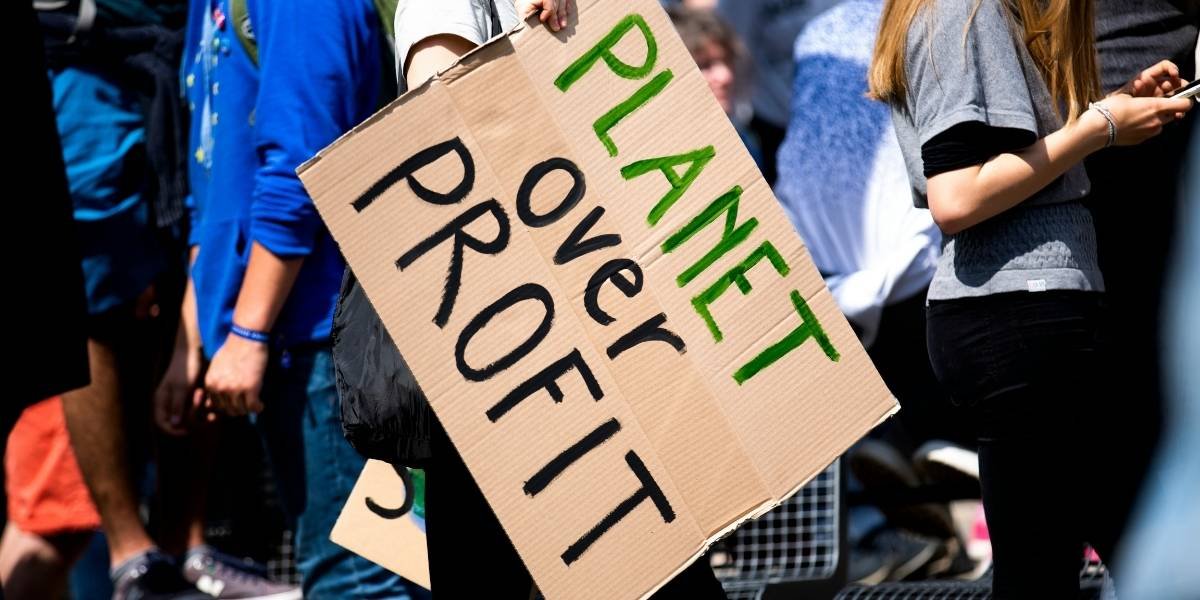
Photo Credit: Unsplash.com
Figures like Leonardo DiCaprio, Billie Eilish, and Jane Fonda serve as examples of how public figures can use their influence to spotlight climate issues. Their involvement, whether through documentaries, sustainable touring, or direct activism, helps bring visibility to environmental concerns that might otherwise remain siloed in policy circles or scientific communities. But the real story isn’t about individual fame; it’s about how these actions mirror and accelerate a deeper transformation happening across the entertainment ecosystem.
Today’s climate-conscious entertainment industry is no longer driven solely by star power. It’s shaped by producers who demand carbon audits on set, tour managers who prioritize low-emission logistics, and venue operators who retrofit buildings for energy efficiency. Labels and agencies are hiring sustainability officers, integrating climate goals into contracts, and partnering with environmental nonprofits to build long-term strategies. These shifts are structural, not symbolic, and they’re happening across genres, formats, and geographies.
What began as isolated gestures, a speech at an awards show, a vegan merch line, a protest appearance, has evolved into a coordinated movement. Climate action is now embedded in production workflows, brand partnerships, and audience engagement strategies. It’s influencing how music is recorded, how films are distributed, and how live events are designed. And while public figures help amplify the message, the momentum is coming from within: from creatives, technicians, and executives who see sustainability not as a trend, but as a mandate.
From Awareness to Accountability: What’s Next for Climate Action in Entertainment
The next phase of climate action in entertainment is about accountability. It’s no longer enough to make statements or symbolic gestures. Stakeholders across the industry are being asked to show measurable progress, and that means setting targets, tracking emissions, and reporting results.
Agencies and labels are hiring sustainability officers. Production companies are conducting carbon audits. Music festivals are publishing annual impact reports. These steps mark a shift from performative activism to operational change.
There’s also a growing emphasis on equity. Climate justice, the idea that environmental solutions must also address social inequality, is gaining traction. Entertainment professionals are partnering with Indigenous leaders, frontline communities, and youth activists to ensure that climate action is inclusive and intersectional.
This evolution is not just ethical, it’s strategic. As fans, investors, and regulators demand more transparency, the entertainment industry is recognizing that sustainability is essential to long-term relevance and resilience.