Music Observer

Joel Yi on the Gap Between AI Advice and AI Implementation

The artificial intelligence economy has produced a significant amount of guidance. Workshops, consultants, courses, and advisors all promise to help companies understand the technology. Joel Yi, the founder of DeployAIBots, has built his company on a pointed observation about that landscape. Advice is widely available, but implementation can be harder to find, and the gap between the two is where many companies get stuck.

Joel Yi has named this gap directly. When he looked at the market, he saw many people selling ideas while fewer were focused on delivering measurable outcomes. There were people talking about artificial intelligence, running sessions, and offering recommendations, but the moment it came to deploying working systems inside a business, many efforts fell short.

That gap, in his view, is one of the central problems of the current AI moment, and it is the problem DeployAIBots was built to address.

The distinction matters because advice and implementation require different things. Explaining what artificial intelligence could do for a company is relatively easy. Actually installing a system that performs the work, integrates with how the business runs, and produces a result is far harder.

Joel Yi argues that the field has an abundance of people willing to do the first and a shortage of people able to do the second. The result is a market full of companies that understand AI in theory but have not yet put it to work in a meaningful way.

DeployAIBots positions itself on the implementation side of that divide. The Miami-based company builds agentic AI, systems designed to execute operational tasks such as scheduling, customer communication, and internal coordination rather than simply offering suggestions.

Joel Yi describes the company’s role as getting into a business and deploying systems that can handle repetitive work, with the goal of reducing costs, saving time, or increasing capacity. The emphasis on deployment is deliberate, a direct contrast to the advisory model he critiques.

Joel Yi believes the prevalence of advice over implementation helps explain some of the disappointment companies feel about artificial intelligence. A business that hires a consultant or attends a workshop may come away with a clearer understanding and a stack of recommendations, but understanding is not the same as a working system.

When the recommendations prove difficult to put into practice, the initiative can stall, and the company may conclude that AI did not live up to the hype. The problem, Joel Yi suggests, is often not the technology itself, but the absence of real implementation.

His own background gives him a builder’s impatience with talk. Joel Yi studied computer science, earned recognition for his work in artificial intelligence at Pacific Lutheran University, and built an early machine learning model in 2018 that identified rare plant species. He later became one of the first cyber officers in the United States Army cyber branch.

Across that path, the common thread is producing systems that work rather than describing systems that might. That history shapes his insistence that artificial intelligence be judged by what it deploys, not only by what it promises.

Joel Yi is careful not to dismiss the value of knowledge entirely. Understanding artificial intelligence matters, and a company cannot deploy well if it does not grasp what it is deploying.

His point is that understanding has to lead somewhere. Advice that never becomes a working system is, in practical terms, incomplete. The value is realized when the system is running and producing a result a business can measure.

This is also why Joel Yi emphasizes measurable outcomes so heavily. Implementation, unlike advice, can be tested. A deployed system either reduces costs, saves time, or increases capacity, or it does not.

Joel Yi points to his own company, which reports reclaiming more than 150 hours of work each week through its own technology, as an example of what implementation can look like when it succeeds. That is the kind of result advice alone cannot deliver.

For companies navigating the crowded AI market, Joel Yi offers a simple way to tell the difference. Ask whether a given offering ends with understanding or with a working system.

If it ends with understanding, it is advice. If it ends with a system that performs and can be measured, it is implementation. He has built DeployAIBots to live in the second category, betting that as the hype settles, businesses will increasingly value people who can help make artificial intelligence work in practice.

Dr. Connor Robertson Explains His Five-Layer AI Stack

The businesses outperforming their competitors, according to Dr. Connor Robertson, founder of Elixir Consulting Group and host of The Prospecting Show, are not using more AI tools than everyone else. They are using them in a more disciplined sequence. Robertson lays out a five-layer AI stack he describes as the framework separating reactive AI users from businesses where AI is genuinely doing the operational work.

Layer 1: Intelligence Capture

Before any AI can work, Robertson says a business needs to be listening. Intelligent capture means every customer interaction, operational metric, and market signal is being logged somewhere structured. Most businesses capture some of this by accident, he argues; the goal is to capture all of it on purpose. Without deliberate capture, an AI system is being fed partial information, which produces partial results regardless of how powerful the underlying model is.

Layer 2: Knowledge Management

Raw data is not useful until it is organized, in Robertson’s framing. This layer turns captured information into a searchable, structured knowledge base an AI can draw from, the point where tools like Notion AI or a well-configured shared drive become load-bearing infrastructure rather than filing cabinets. His test for any document: can the AI find this when it needs it? If not, the knowledge management layer is broken.

Layer 3: Decision Automation

With a knowledge base in place, Robertson says a business can start automating recurring decisions: routing, scoring, prioritizing, flagging. He describes these as the decisions that eat roughly 30 percent of a team’s time and produce inconsistent results because they depend on whoever happens to be available that day. Decision automation, in his view, encodes existing judgment into a system that applies it consistently, at scale, without requiring anyone to be present.

Layer 4: Content and Communication Generation

This is the layer most people jump to first, according to Robertson, and it is the least powerful in isolation. AI writing and email drafting only compound in value when layers one through three are feeding them context. Without a knowledge base and decision logic upstream, he says AI-generated content reads as generic; with them, it becomes far closer to content written by someone who knows the client deeply.

Layer 5: Feedback and Self-Improvement

The final layer is the most overlooked, in Robertson’s account. An AI stack should be learning from its own outputs: did the email convert, did the proposal close, did the lead score predict actual behavior? Feeding that signal back into the system, he argues, turns a static automation into a compounding capability; without a feedback layer, a stack stays as good as it was on day one; with one, it improves over time.

Why the Order Matters More Than Any Single Layer

Robertson’s central argument is that most businesses do not fail at AI because they picked the wrong tools; they fail because they built the layers out of order. Jumping straight to content generation without a knowledge base underneath it produces output that sounds plausible but knows nothing specific about the business it’s supposed to represent. Automating decisions before intelligence capture is reliable means encoding bad judgment into something that now runs at scale instead of a human occasionally getting it wrong. In his framing, the five layers are not five separate initiatives to pursue in parallel; they are a dependency chain, and skipping ahead is the most common reason a stack underperforms relative to the tools inside it.

About Dr. Connor Robertson

Dr. Connor Robertson is an entrepreneur, author, and strategic advisor based in Pittsburgh. He is the founder of Elixir Consulting Group, host of The Prospecting Show, publisher of The Pittsburgh Wire, and founder of The Grant Finder. He is also a six-time published author, with titles including Built to Run, available at drconnorrobertsonbooks.com. More on his work is available at drconnorrobertson.com.

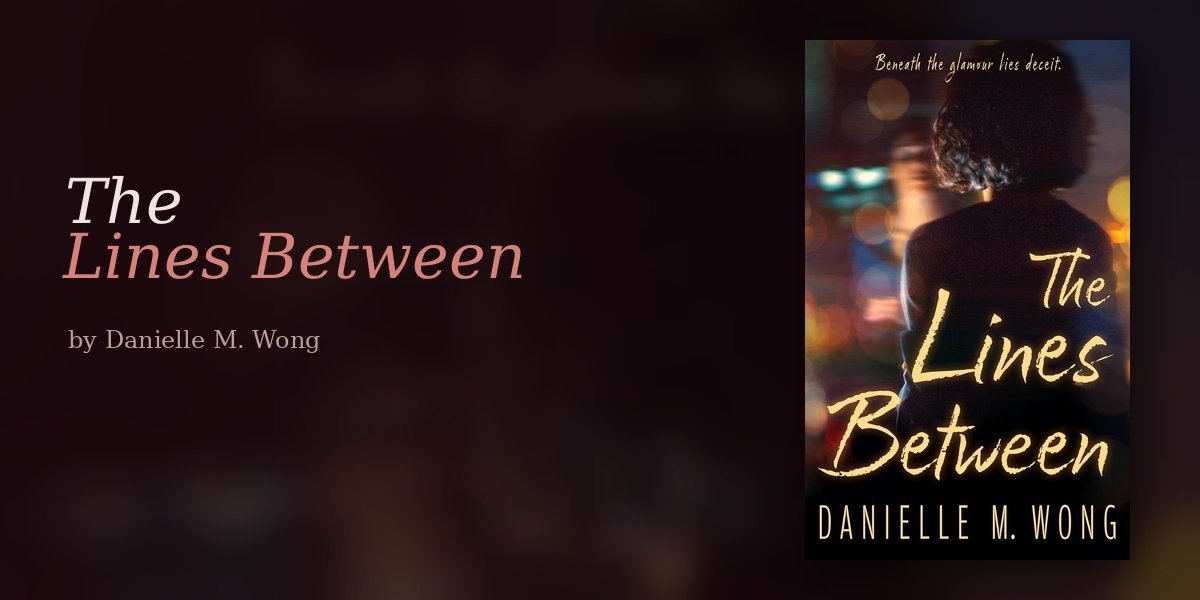
Every Character in The Lines Between Is Hiding Something and Danielle M. Wong Makes Sure You Never Stop Suspecting Everyone

By: Alexa Avenson

The skill of a great psychological thriller is not in the revelation but in the sustained and productive uncertainty that precedes it, the careful management of the reader’s suspicion so that it moves from character to character without ever settling too comfortably until the truth finally arrives and everything reorganizes around it. Danielle M. Wong demonstrates that skill throughout The Lines Between with the confidence of a writer who knows exactly how much to show, exactly how much to withhold, and exactly when each piece of information needs to arrive to produce the maximum effect on the reader’s state of uncertainty.

The multiple perspectives the novel employs are central to this achievement. By giving the reader access to different characters’ thoughts and experiences of the same events, Wong creates a picture that keeps shifting as new information arrives, with each new perspective both clarifying something and complicating something else. The epistolary elements add another layer to this shifting picture, providing documentary evidence that the reader has to evaluate against the testimony of narrators whose reliability is itself one of the novel’s sustained questions. That structural complexity never becomes confusing because Wong manages the information architecture with impressive control, ensuring that the reader always knows enough to remain engaged while never knowing so much that the suspense dissipates.

Stevie Young anchors all of this with a protagonist who is both smart enough to be a credible investigator of what is happening around her and vulnerable enough to be genuinely threatened by it. Her professional world of celebrity management provides the perfect context for exploring what happens when the machinery of image-making is turned against the people who operate it, and Wong uses that context with the specific intelligence of a writer who has thought carefully about what this particular world actually produces in the people who inhabit it.

The novel’s secondary characters are rendered with enough depth and enough moral complexity to make every one of them a plausible subject of the reader’s suspicion at various points in the narrative, which is a significant structural achievement that requires both careful characterization and careful plotting to maintain consistently. Wong achieves both with the ease of a writer who has internalized the mechanics of psychological suspense completely enough to deploy them invisibly, producing their effects without calling attention to their operation.

The Lines Between is a gripping, sophisticated, and deeply satisfying psychological thriller, and it announces Wong as one of the most accomplished practitioners of the genre currently working.

If you love psychological thrillers that keep you suspecting everyone and settling on nobody until the very end and that produce their final revelations with the satisfying force of something that has been earned through the careful and intelligent construction of genuine uncertainty, The Lines Between by Danielle M. Wong is your next essential read. Pick it up on Amazon today and find out why nobody in this novel is exactly who they appear to be.

Olivia Rodrigo’s Third Album Lands June 12 With a Two-Sided Story

Olivia Rodrigo returns on June 12 with “You Seem Pretty Sad for a Girl So in Love,” her third studio album and the follow-up to a run that has made her one of pop’s defining young voices. Released through Geffen Records and produced once again by longtime collaborator Dan Nigro, the record arrives after “Sour” in 2021 and “Guts” in 2023, both of which topped charts and earned Grammy recognition. The new album sets a high commercial bar and a creative one, with Rodrigo describing it in interviews as her most experimental work yet.

The rollout has been deliberate and theatrical. Rodrigo announced the album in early April through an email to fans and an Instagram post, unveiling cover art that shows her hanging upside down from a swing against a bright blue sky. The promotional campaign leaned into the romantic motif at the heart of the title, with reporting from the French outlet Numéro noting videos of the singer attaching padlocks to bridges in cities from Paris to Los Angeles, an echo of the “love lock” tradition that matches the album’s preoccupation with being, as the title puts it, sad while in love.

A Record Split in Two

The structure is the album’s defining feature. Rodrigo revealed the full 13-track listing in late May, splitting the record into two named halves in the manner of an old vinyl LP or cassette. The first side, “Girl So in Love,” collects the more energetic, playful songs: “Drop Dead,” “Stupid Song,” “Honeybee,” “Maggots for Brains,” “U + Me = <3,” “My Way,” and “Purple.” The second side, “You Seem Pretty Sad,” turns inward and softer, gathering “The Cure,” “Begged,” “What’s Wrong With Me,” “Less,” “Expectations,” and “Cigarette Smoke.”

The division is not just sequencing. It maps the emotional arc the title sets up, the contrast between the rush of new love and the anxiety that shadows it. At 13 tracks, it stands as Rodrigo’s longest standard edition to date, and the two-part framing gives the project a narrative spine that invites front-to-back listening rather than playlist cherry-picking, a notable choice in a streaming era built around the single track.

Two Singles, Two Moods

The pre-release singles have previewed both halves. “Drop Dead,” released April 17, serves as the album’s opener and, in Rodrigo’s framing, its thesis statement, capturing the giddy disorientation of first attraction. “The Cure,” which followed on May 22 and which Rodrigo has called her favorite track on the record, sits at the head of the album’s somber second side and trades the opener’s energy for vulnerability.

“The Cure” also signaled the visual ambition behind the campaign. Its music video, co-directed by Cat Solen and Jamie Gerin, is a stylized stop-motion piece casting Rodrigo as a 1950s nurse, with animation by Studio Linguini. The craft on display in the rollout, from the conceptual cover image to the handmade video, points to an artist treating the album as a complete visual and sonic world rather than a collection of songs.

The Stakes for the Charts

The release carries real industry weight. Rodrigo’s first two albums set commercial benchmarks, and the music business will be watching closely to see whether “You Seem Pretty Sad for a Girl So in Love” can match them in a crowded summer release window. Pre-orders span multiple physical formats, including store-exclusive colored vinyl, a strategy that has become central to driving first-week numbers as artists lean on physical sales and bundles to supplement streaming totals.

The timing places the album among the season’s marquee pop events, arriving as other major women in the genre line up their own summer releases. For Geffen and for Rodrigo’s team, a strong debut would reaffirm her standing at the top tier of the format; the physical-format push and the two-single rollout are calibrated to convert a devoted fan base into the kind of opening-week figures that define a release’s commercial narrative.

What the Album Signals

Beyond the numbers, the project reflects where Rodrigo sits as a songwriter several years past her breakout. In a British Vogue profile, she described the songs as “sad love songs” and characterized herself as a “lover girl,” language that frames the album as a focused study of romance and its attendant anxieties rather than the broader coming-of-age territory of her earlier work. The reported influence of her personal life gives the material a confessional charge that has been central to her appeal since “Drivers License.”

The two-sided format, the handmade visuals, and the love-lock imagery all suggest an artist intent on controlling the story she tells. When “You Seem Pretty Sad for a Girl So in Love” arrives June 12, the question will be whether audiences embrace the full arc Rodrigo has built, from the rush of the first side to the ache of the second, or whether the singles end up doing the heavy lifting on the charts.

Gaberiel Builds Momentum as “Power Couple” Connects With a Growing Streaming Audience

Independent recording artist Gaberiel is continuing to gain traction in the digital music space as his single “Power Couple” surpasses 100,000 streams across major streaming platforms. The milestone marks an important step forward for the emerging artist and reflects growing interest from listeners who are connecting with both the message and sound of the record. 

For independent musicians, streaming milestones often represent more than just surface-level numbers. They can serve as indicators of audience engagement, repeat listening, and broader organic discovery. In Gaberiel’s case, the success of “Power Couple” points to a record that is beginning to resonate well beyond an initial circle of supporters. 

The song itself centers on themes that have become increasingly relevant to younger audiences: ambition, loyalty, partnership, and the desire to build something meaningful with someone who shares the same drive. Rather than relying on overly exaggerated storytelling, “Power Couple” leans into a more grounded perspective, giving the track a sense of relatability that has likely contributed to its early momentum. 

Gaberiel’s rise reflects a broader trend taking shape across the music industry. More independent artists are finding ways to develop careers outside the traditional label system, using streaming services, short-form content, and social media to reach audiences directly. That shift has created space for artists with strong creative identities to build fan bases on their own terms, often one release at a time. 

Gaberiel Builds Momentum as “Power Couple” Connects With a Growing Streaming Audience

Photo Courtesy: Gaberiel

For Gaberiel, that process appears to be unfolding through consistency rather than hype alone. The 100,000-stream milestone for “Power Couple” suggests an artist who is laying the groundwork for long-term development instead of chasing a short-lived viral moment. In a music environment where attention can be brief and trends move quickly, sustained audience response can be especially meaningful. 

Part of the song’s appeal comes from how it balances message and production. “Power Couple” combines melodic, contemporary production with lyrics that emphasize shared vision and mutual loyalty. The result is a record that feels aligned with current listener preferences while still carrying a clear point of view. That balance can be difficult for emerging artists to achieve, especially while trying to stand out in a crowded independent market. 

The response to the track also highlights how discovery now works in the modern music industry. Songs increasingly gain traction through playlist placements, algorithmic recommendations, and audience sharing across digital platforms. For independent artists, these systems can create real opportunities when the music is able to hold listener attention and encourage repeat plays. Gaberiel’s recent growth appears to reflect that kind of momentum. 

While streaming figures alone do not define an artist’s long-term trajectory, they can mark a meaningful stage in the development process. For someone building independently, reaching six figures on a breakout track can help validate creative direction and signal that a record is beginning to travel further than expected. In this case, “Power Couple” appears to be doing exactly that for Gaberiel. 

The record’s thematic focus may also be part of what sets it apart. Songs about success are common, but “Power Couple” frames success through unity and shared ambition. That gives the track a more personal feel and positions it around an idea listeners can project onto their own lives, relationships, and aspirations. Music that invites that kind of identification often has an easier time building emotional staying power with its audience. 

Gaberiel’s progress also speaks to the realities of independent artistry. Building a career in music now often means managing not just songwriting and recording, but also distribution, branding, promotion, and audience retention. Artists are expected to think creatively while also understanding how to present and position their work in a fast-moving digital marketplace. The ability to keep moving forward through that process is often what separates those who build momentum from those who stall early. 

Gaberiel Builds Momentum as “Power Couple” Connects With a Growing Streaming Audience

Photo Courtesy: Gaberiel

That appears to be part of the story here. Rather than treating early obstacles as signs to slow down, Gaberiel seems to be using each release as a learning experience and a stepping stone toward a more established presence. That mindset of steady improvement has become increasingly important for artists trying to build sustainable careers without major infrastructure behind them. 

As more listeners discover “Power Couple,” the single may serve as an entry point into Gaberiel’s broader catalog and artistic direction. Breakout songs often do more than generate streams; they create curiosity about what comes next. For emerging artists, that shift from passive listening to active interest is where deeper audience building begins. 

Looking forward, the current momentum around “Power Couple” positions Gaberiel well for future releases, collaborations, and expanded visibility. If he continues developing his sound and maintaining consistent output, this early milestone could prove to be one of the first major indicators of wider growth ahead. 

For now, surpassing 100,000 streams represents a strong signal that the music is connecting. In an industry where independent artists must earn attention one listener at a time, that kind of traction matters. Gaberiel’s recent progress with “Power Couple” suggests an artist who is beginning to convert consistency, vision, and authenticity into measurable audience response.  


Deakxn Turns Up The Momentum With “LOOK AT YA MANZ” and Official Visuals

Momentum can define an artist’s trajectory, and Deakxn is building his with precision. The DMV rapper and producer has officially released his latest single, “LOOK AT YA MANZ,” accompanied by a striking new music video that signals a bold step forward in his artistic evolution.

The record arrives following the impact of Deakxn’s earlier release “Zombies,” a track that introduced listeners to a more introspective and reflective side of his artistry. With “LOOK AT YA MANZ,” the tone shifts toward confidence and command, offering a sharper sound and an undeniable sense of self-assurance. The accompanying visual presentation brings that message to life. Through cinematic imagery and dynamic performance shots, the video emphasizes Deakxn’s presence as both a performer and creative visionary.

Deakxn Turns Up The Momentum With “LOOK AT YA MANZ” and Official Visuals

Photo Courtesy: Deakxn

As a rapper-producer with more than 11 years of experience, Deakxn approaches music with a level of control and intentionality that sets him apart from many emerging artists. His background also carries cultural significance as the son of the late legendary producer Chucky Thompson, whose influence shaped generations of hip-hop and R&B music.

Yet Deakxn’s rise is defined by his own work ethic. From the reflective depth of “Zombies” to the confident declaration of “LOOK AT YA MANZ,” his catalog continues to expand with purpose. With more music expected throughout 2026, Deakxn’s momentum shows no signs of slowing down. Stay tuned here at Music Observer for all things Deakxn, music, and more!

https://www.youtube.com/watch?v=DhUe9yfQ72M

CONNECT WITH DEAKXN ON SOCIAL MEDIA:

Instagram | Spotify | YouTube


J. Cole Announces The Fall-Off World Tour With 50 Global Dates

J. Cole is returning to the stage for a major global event. After five years without a headlining tour, the rapper officially announced “The Fall-Off Tour” on February 16. This news comes just ten days after he released his latest album, The Fall Off, which arrived on February 6. For many music fans, this is the moment they have waited for since his last large-scale run in 2019.

A Long-Awaited Return to the Arena

The scale of this tour is huge. It includes more than 50 dates and covers 15 different countries. This is not a small series of club shows. Instead, it is a full arena tour designed for large crowds. The journey officially begins on July 11 in Charlotte, North Carolina. Choosing Charlotte as the starting point is a meaningful choice, as it is in Cole’s home state.

For five years, Cole focused on guest features, smaller performances, and building his Dreamville brand. While he stayed active in the studio, the lack of a solo tour created a lot of anticipation. Music industry experts see this tour as a sign that Cole is ready to reclaim his spot at the top of the live music market.

The tour is built around the themes of his new album. The Fall Off has been a topic of conversation for years. Cole first mentioned the title a long time ago, leading many to wonder if it would be his final major project. The album explores his thoughts on aging in hip-hop, his legacy, and his skills as a lyricist. Because the songs are personal and complex, fans are curious to see how he will perform them in a large arena setting.

Performing live allows an artist to show the energy behind their lyrics. For a rapper like J. Cole, who is known for storytelling, the stage is where the music often comes to life. The 50 dates will give him plenty of time to share these new stories with a global audience.

Managing a Massive Global Event

Putting together a tour of this size is a difficult task. It involves two major players in the music business: Dreamville and Live Nation. Dreamville is Cole’s own record label and creative agency. Live Nation is one of the biggest concert promoters in the world. Together, they are handling the logistics of moving a massive production across 15 countries.

Tour Detail Information
Tour Name The Fall-Off Tour
Total Dates 50+
Countries 15
Kick-off Date July 11, 2026
Kick-off Location Charlotte, North Carolina
Key Partners Dreamville, Live Nation

A tour like this requires hundreds of staff members. They have to manage travel, stage equipment, security, and ticket sales. For Dreamville, this is a chance to prove they can run a top-tier global operation. For Live Nation, it is another opportunity to work with one of the most reliable names in hip-hop.

The announcement of “The Fall-Off Tour” tells us a few things about the current state of the music industry. First, it shows that there is still a very high demand for traditional hip-hop performances. While some genres change quickly, J. Cole’s style remains popular because of his strong connection with his listeners.

Second, the tour shows that “the album era” is still alive. Many artists today focus on single songs that go viral on social media. Cole, however, released a full album and then built a massive tour around it. This is a more traditional way of doing business in music, but it clearly still works for artists with a dedicated following.

Ticket Sales and Fan Access

Ticket pre-sales started today, February 17. In the modern music world, buying tickets can be a stressful experience for fans. High demand often leads to long digital lines and rising prices. Because Cole has not toured in five years, the competition for seats is expected to be very high.

The pre-sale gives the most dedicated fans a chance to secure their spots before the general public. This is a common strategy to reward loyal listeners and ensure the arenas are full. Industry observers will be watching these sales closely to see how quickly the dates sell out.

J. Cole has been a major figure in music for over a decade. He is known for his “middle child” position in rap, acting as a bridge between the older generation and the new stars. This tour feels like a celebration of that journey. By visiting 15 countries, he is acknowledging that his music has a reach far beyond the United States.

The tour will likely feature a mix of his new material and the classic songs that made him famous. For fans who have followed him since his early mixtapes, seeing him perform in arenas is a sign of how far he has come. It is a rare thing for a rapper to maintain this level of popularity for so long without losing the respect of his peers.

As July 11 approaches, the excitement will only grow. The tour is more than just a series of concerts, it is a statement about J. Cole’s place in music history. Whether this is a beginning of a new chapter or the conclusion of a long story, it is a moment that the music world is watching very closely.

Music for the Soul — Ryan Leong Brings Compassion to the Stage

Ryan Leong, an 18-year-old prodigy, brought his artistry to the stage at the Irvine Barclay Theatre on October 30, 2015, delivering a stunning solo recital that captivated the audience with both technical mastery and deep emotional resonance. Hosted by the MG Global Music Foundation, the event demonstrated how music can transcend technique, creating a profound connection between artist and audience. Leong’s performance was not just a display of skill but an example of how music can serve as a powerful force for community and compassion.

Ryan Leong’s Musical Journey

Ryan Leong’s musical path has been shaped by his commitment to both the technical and emotional aspects of music. A young pianist with exceptional talent, Ryan’s passion for music extends beyond perfecting complex compositions to sharing the healing power of music with others. Known for his weekly volunteer performances at senior centers, Ryan has always embraced music as a means of bringing comfort and connection to those who may otherwise feel disconnected.

His belief that music should do more than just impress is evident in every note he plays. Ryan’s recitals are filled with an emotional depth that resonates with listeners, regardless of their age or musical background. His performances are not just about showcasing technical precision, but about creating moments of genuine human connection; his audience regularly experiences the warmth of his heart through his music.

A Challenging Repertoire

Music for the Soul — Ryan Leong Brings Compassion to the Stage

Photo Courtesy: MG Global Music Foundation

The program for Ryan’s solo recital at the Irvine Barclay Theatre was an ambitious one, showcasing pieces from some of classical music’s most celebrated composers. His 90-minute performance included Bach’s Prelude and Fugue, Chopin’s Étude, Beethoven’s Sonata, Prokofiev’s Piano Sonata, and the monumental Liszt Sonata in B Minor — a demanding selection that tested the limits of any artist, let alone one so young.

Despite the formidable nature of the pieces, Ryan approached each with the confidence and maturity of an artist far beyond his years. His performance of Bach’s intricate counterpoint, Chopin’s expressive lyricism, Beethoven’s intensity, Prokofiev’s modern complexity, and Liszt’s emotional depth was nothing short of remarkable. Each piece was met with meticulous attention to detail, but also with a deep sensitivity that allowed the emotional core of the music to shine through.

The Liszt Sonata, in particular, stood out as the culmination of Ryan’s recital. A work known for its technical challenges and emotional breadth, Ryan’s interpretation was both powerful and poignant, encapsulating the essence of Liszt’s music while making it his own. The audience responded with a thunderous standing ovation, a testament to the impact of his performance.

Music as a Tool for Community Building

Music for the Soul — Ryan Leong Brings Compassion to the Stage

Photo Courtesy: MG Global Music Foundation

What sets Ryan apart from many of his peers is his dedication to using his music as a tool for community building. His volunteer performances at senior centers underscore his conviction that music can transcend the concert hall and connect with people in more personal, intimate settings. This commitment aligns with the mission of the MG Global Music Foundation, which aims to support young artists who use their talents to foster connection, compassion, and community.

During his performances at senior centers, Ryan frequently engages with the audience in a way that extends beyond simply playing music. He creates an atmosphere where elderly residents, many of whom may feel isolated, can experience the joy of live music and the sense of belonging it offers.

Ryan’s dedication to serving his community through music is a powerful example of how art can bridge generational divides and create meaningful connections. His ability to bring comfort and joy to those who need it most reflects his deep empathy and understanding of music’s potential to heal and uplift.

Inspiring the Next Generation

The impact of Ryan’s performance was not limited to the senior centers or the seasoned concertgoers in attendance. Many young audience members left the recital feeling inspired by his dedication and artistry. For them, Ryan’s performance was a reminder that hard work, passion, and a deep love for music can lead to the realization of one’s dreams.

His recital was more than just a performance; it was a message to young aspiring musicians that success is not only about technical proficiency but also about the heart and soul one brings to their craft. Ryan’s example shows that with perseverance and a sense of purpose, young artists can make a significant impact, both on their craft and on the world around them.

The Role of MG Global Music Foundation

The MG Global Music Foundation, which presented Ryan’s recital, has long been dedicated to supporting young musicians whose work goes beyond the stage. The foundation focuses on nurturing artists who are committed to using their talents to make a positive impact on their communities. Ryan Leong’s recital perfectly exemplified this mission, as his performance not only showcased his exceptional skill but also highlighted his deep sense of compassion and his desire to create connections through music.

The foundation’s support of Ryan and other young artists ensures that these musicians have the resources and opportunities to continue developing their talents while making a difference in the world. By championing musicians who prioritize community and compassion, the MG Global Music Foundation plays a crucial role in shaping the next generation of artists who will use their voices and instruments to inspire change.

Conclusion

Ryan Leong’s recital at the Irvine Barclay Theatre was a powerful demonstration of how music can unite technical brilliance with human warmth. Through his dedication to both his art and his community, Ryan has become an inspiring figure for young musicians and music lovers alike. His performances show that music is not only a form of personal expression but also a means of bringing people together, fostering empathy, and creating connections that transcend age, background, and experience.

Ryan Leong’s artistry serves as a poignant reminder that music can be a transformative force, both for the artist and for the community. His commitment to using his music for the greater good serves as an inspiration to others, highlighting the enduring power of the arts to touch hearts and change lives.

Vocal Techniques: From Belting to Falsetto and Everything in Between

Vocal Techniques

Vocal techniques are the cornerstone of effective singing, allowing vocalists to express themselves with precision, emotion, and versatility. From powerful belting to delicate falsetto, mastering a range of vocal techniques empowers singers to explore the full potential of their voices and captivate audiences with their performances. In this article, we’ll explore some of the key vocal techniques, including belting, falsetto, and everything in between, and discuss how singers can develop and refine their vocal skills.

Belting

Belting is a vocal technique characterized by a powerful, full-bodied sound produced in the chest voice register. It involves singing loudly and forcefully in the upper chest and lower head voice registers, often used in genres such as musical theater, pop, and rock. Belting requires strong breath support, vocal resonance, and control to produce a clear, strong sound without straining the vocal cords. Singers who master belting can deliver dynamic and impactful performances that command attention and evoke emotion.

Falsetto

Falsetto is a vocal technique characterized by a light, airy sound produced in the upper register of the voice. It involves singing with a relaxed, breathy quality, often used to convey vulnerability, emotion, and intimacy in music. Falsetto requires singers to transition smoothly between their chest voice and head voice registers, allowing them to access the higher notes with ease and flexibility. Singers who master falsetto can create ethereal and haunting vocal textures that add depth and dimension to their performances.

Head Voice

Head voice is a vocal technique characterized by a light, resonant sound produced in the upper register of the voice. It involves singing with a lifted soft palate and a relaxed throat, allowing the sound to resonate in the head cavities. Head voice is commonly used in classical and operatic singing, as well as in contemporary music genres such as jazz and R&B. Singers who master head voice can produce a smooth, seamless transition between their chest voice and head voice registers, allowing for greater vocal range and control.

Mix Voice

Mix voice is a vocal technique that combines elements of chest voice and head voice to create a balanced, blended sound. It involves singing with a coordinated vocal mechanism that allows for smooth transitions between different vocal registers. Mix voice is often used in contemporary singing styles such as pop, soul, and gospel, allowing singers to access both the power and warmth of their chest voice and the clarity and agility of their head voice. Singers who master mix voice can achieve a versatile and expressive vocal sound that resonates with audiences across a wide range of musical genres.

Vibrato

Vibrato is a vocal technique characterized by a slight oscillation in pitch and intensity, adding warmth and depth to the sound. It occurs naturally as a result of healthy vocal production and proper breath support, contributing to the richness and expressiveness of the voice. Vibrato is commonly used in classical singing, as well as in other musical genres to add emotion and color to vocal performances. Singers who master vibrato can control its speed and intensity, allowing them to tailor their vocal expression to suit the mood and style of the music.

Vocal techniques are essential tools for singers to express themselves effectively and connect with their audience on a deeper level. Whether belting out powerful anthems, soaring into delicate falsetto, or blending chest voice and head voice in a seamless mix, mastering a range of vocal techniques allows singers to unlock the full potential of their voices and create memorable performances that resonate with listeners. By developing proper breath control, vocal resonance, and agility, singers can refine their vocal skills and embark on a journey of artistic expression and self-discovery through music.

The Journey of Justin Karp: A Singer-Songwriter Who Balances Music and Medicine

Justin Karp is a singer, songwriter, and guitarist known for blending pop punk, pop rock, and alternative rock into songs that connect with listeners on a personal level. His unique sound is shaped by influences from bands such as Simple Plan, Story of the Year, Midtown, Nine Days, Goo Goo Dolls, Hoobastank, and Blink 182, yet he has cultivated a style that reflects his own experiences and musical tastes. In addition to his music career, Karp is also a practicing podiatric surgeon, skillfully balancing his passion for music with his medical profession.

Early Life and Musical Influences

Hailing from Plainview, New York, a small town on Long Island, Justin Karp was immersed in music from a young age. His mother and grandmother, both piano teachers, helped introduce him to the world of music, while his stepfather, a lawyer by profession, would unwind by playing blues-style guitar solos. These early experiences sparked an interest in music that would grow throughout his childhood.

At thirteen, inspired by bands like Green Day, Justin decided he wanted to learn the guitar. His parents, recognizing his growing passion, supported him by not only providing the guitar but also driving him and his first band, 1st Runner Up, to various venues as they started performing. This early support laid the foundation for his pursuit of a career in music.

Transitioning to Medicine

Justin Karp’s professional path was not straightforward. After initially pursuing a career in accounting, he realized that this field was not fulfilling his desire to make a meaningful impact. He then shifted his focus to medicine, becoming a podiatric surgeon. Despite the demanding nature of medical school and his practice, Karp’s love for music remained a constant in his life. In fact, he wrote and composed his debut single, “Last Chance,” while navigating the challenges of medical school.

For Justin, the connection between music and medicine feels natural. Both, he believes, share the potential to provide support during difficult times. He often draws from personal experiences, including themes of heartbreak and betrayal, to write songs that resonate with others. His music reflects his belief in the therapeutic power of music, which he has seen firsthand in his own life.

A Distinct Musical Style

Justin Karp’s music blends elements of pop punk, pop rock, and alternative rock, influenced by some of the iconic bands in these genres. However, Karp has managed to infuse these influences with his own style, creating a sound that is both familiar and fresh. His songs feature emotional lyrics and energetic guitar riffs that appeal to a wide audience, capturing the ups and downs of everyday life.

One memorable experience in Karp’s musical journey occurred when he met members of the band Midtown, whom he had admired for years. As a young musician, Justin had the chance to briefly meet the band after one of their concerts and shared his aspirations with them. Years later, he posted a cover of their song “Perfect” on social media, and to his surprise, the band noticed and shared it. This interaction remains an important moment for Karp, reflecting the power of music and community.

Life Beyond Music and Medicine

Outside of his medical and musical careers, Justin enjoys traveling, watching sports, and staying active. He has participated in several Spartan races, demonstrating his commitment to physical fitness and personal growth. His involvement in these races mirrors his dedication to both his music and medical careers, showing his focus on pushing boundaries and taking on new challenges.

As Justin continues to create new music, he is currently working on his upcoming single, “Living Out of Spite,” set for release in 2025. His work as both a surgeon and an artist demonstrates his ability to maintain a fulfilling and varied career, finding a balance between both passions.

Looking Ahead

Justin Karp’s future is filled with potential as he continues to juggle the demands of both music and medicine. His journey reflects the possibility of pursuing multiple interests and making strides in each field. By staying dedicated to his craft, Justin demonstrates how personal growth and the pursuit of passion can lead to meaningful outcomes. As he prepares for upcoming projects, he remains focused on his work and looks forward to continuing to share his music with others.

You can learn more about Justin Karp through his website, where he shares updates on his work. His music is also available on Spotify, and he occasionally posts on Instagram.


Published by Jeremy S.