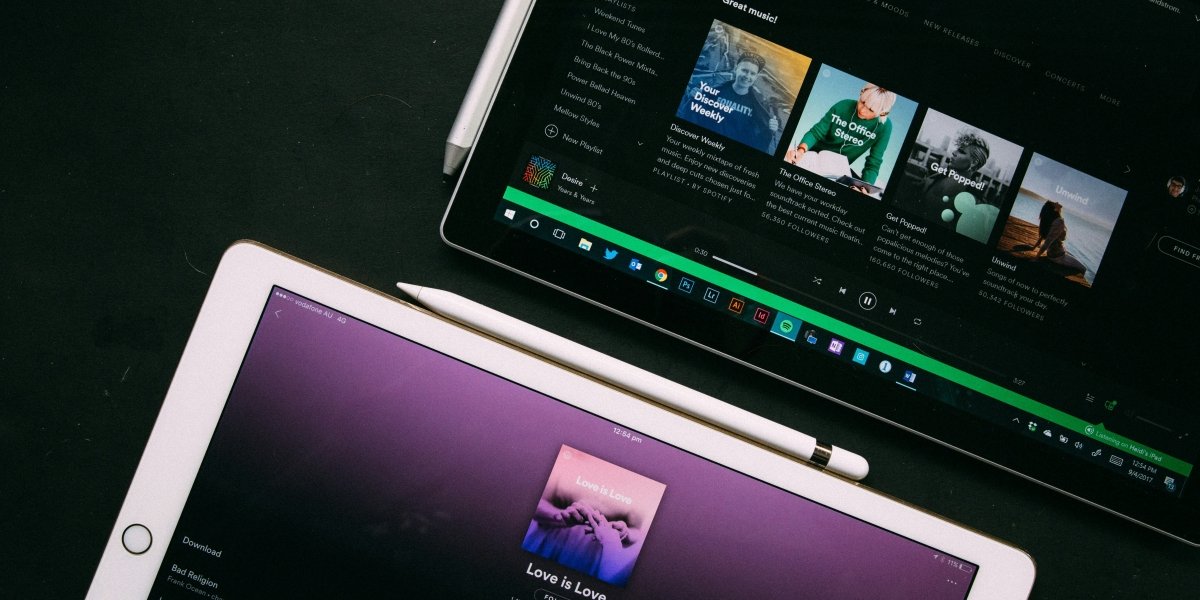
Spotify is accelerating its push to become a full-stack artist platform as it crosses a major financial milestone: more than $11B paid out to the music industry in a single year. The record payout is reinforcing the company’s strategy to expand beyond streaming distribution and into creator tools, analytics infrastructure, and direct monetization systems designed to embed artists deeper into its ecosystem.
The milestone comes at a moment when streaming platforms are competing not only for listeners—but for artist loyalty, data ownership, and creator-economy infrastructure leadership.
Record Payouts Signal Platform Scale — And Strategic Pressure
Spotify confirmed it paid out more than $11B to the music industry in 2025, marking the largest annual payment to music from any retailer in history and representing more than a 10% year-over-year increase. Independent artists and labels accounted for roughly half of total royalties distributed.
The company has framed the milestone as proof of streaming’s economic expansion. In a public statement, Spotify said, “Since Spotify pays out two-thirds of all music revenue to the industry – almost 70% of what we take in – as Spotify revenues grow, music payouts have grown as well.”
At the executive level, leadership continues to emphasize reinvestment into tools and platform innovation. Spotify’s Global Head of Music Charlie Hellman said, “What about the other third – the money Spotify keeps? That’s been our fuel to reinvest directly into the platform in ways that drive more people to pay for music streaming and continue to grow revenues for music.”
Industry analysts note the numbers reflect payments to rights holders—including labels, publishers, and distributors—not direct artist income, which varies widely depending on contract structure.
The 2026 Strategy: From Streaming Platform To Artist Operating System
Internally and publicly, Spotify is signaling a structural pivot: positioning itself as infrastructure for the creator economy rather than just a listening service.
In company communications outlining future strategy, Spotify leadership said, “Last year alone, Spotify paid out more than $11 billion to the music industry, the largest annual payment to music from any retailer in history.”
The strategy now centers on three pillars:
1. Creator Tools Expansion
Spotify is investing in workflow-level tools through its artist dashboards and release management systems, allowing artists to manage distribution, marketing signals, and fan engagement in one environment.
2. Data And Audience Intelligence
The platform is expanding predictive analytics tied to discovery, playlist behavior, and fan conversion metrics to give artists more actionable touring and release insights.
3. Direct Monetization Pathways
The company is developing deeper direct-to-fan models spanning merch integration, fan experiences, and potential new content formats tied to video and interactive media.
Competition Is Driving Infrastructure Innovation
The move reflects growing competitive pressure from other tech giants and creator platforms. Spotify has increasingly emphasized ecosystem stickiness—ensuring artists can run core business operations inside the platform itself.
The company also faces ongoing criticism from some artists over per-stream payouts, even as total ecosystem payouts continue rising alongside subscriber growth and price adjustments.
Meanwhile, streaming competition is intensifying across video, audio, and social-music hybrid platforms, pushing Spotify to differentiate through artist services rather than purely catalog scale.
The Bigger Industry Shift: Platform As Partner, Not Just Distributor
For the broader music business, Spotify’s strategy signals a long-term structural change: platforms are evolving into full service creator infrastructure providers.
Streaming revenue growth is now increasingly tied to platform ecosystem depth—data tools, fan relationships, and monetization layers—rather than purely subscriber numbers.
If the strategy succeeds, Spotify could redefine how independent and mid-tier artists operate, potentially reducing reliance on traditional label infrastructure for certain career stages while expanding global reach.
What Comes Next
The next phase of the streaming wars is likely to be fought over creator economics, not just listener scale. For artists and managers, the central question is shifting from “Where do we distribute music?” to “Which platform helps run the business of being an artist?”
Spotify’s $11B payout milestone may ultimately be less important than what comes after it: a race to become the default operating system for global music careers.