High-grossing tours in the U.S. are more than just concerts, they’re cultural phenomena, economic powerhouses, and masterclasses in strategic execution. As the live music industry rebounds and evolves, tours are reaching unprecedented revenue levels, driven by a combination of production innovation, fan engagement, and business acumen. Behind every sold-out arena and record-breaking box office figure lies a blueprint of decisions that turn performances into profitable, unforgettable experiences.
From logistics and branding to adaptability and emotional connection, successful tours reflect the changing dynamics of the music business. Let’s break down the key factors that consistently elevate U.S. tours into high-grossing territory.
Tour Planning and Logistics: Precision Drives Profit
Every successful tour begins with meticulous planning. Routing, venue selection, and scheduling are optimized to maximize attendance and minimize costs. High-grossing tours often follow a hub-and-spoke model, clustering dates around major cities to reduce travel time and expenses.
For example, a 40-city U.S. tour that strategically avoids backtracking can save over $500,000 in fuel, lodging, and crew overtime. By grouping performances regionally, such as a West Coast leg followed by Midwest and East Coast stops, artists reduce logistical strain and improve crew efficiency.
Advanced planning also includes contingency strategies for weather delays, equipment failures, and health emergencies. As explored in The Actor’s Secret: Being Ready for Anything on Stage, adaptability is crucial. Tours that build in buffer days and backup systems are better equipped to maintain momentum and avoid costly cancellations.
Production Value and Stage Design: Creating Spectacle
Production scale is a major driver of tour success. High-grossing tours invest heavily in lighting, sound, visuals, and stage architecture to create immersive experiences. These elements not only justify premium ticket prices but also generate viral content that fuels demand.
One tour featured a 360-degree rotating stage with synchronized LED panels and drone-assisted camera angles. The setup cost over $3 million but contributed to a 20% increase in merchandise sales and a 15% bump in repeat attendance. Fans shared clips across social media, amplifying reach and reinforcing the tour’s reputation as a must-see event.
Production also includes choreography, costume design, and multimedia integration. Tours that blend music with storytelling and visual art create deeper emotional impact, encouraging fans to invest in the experience beyond the music.
Fan Engagement and Personalization: Building Loyalty
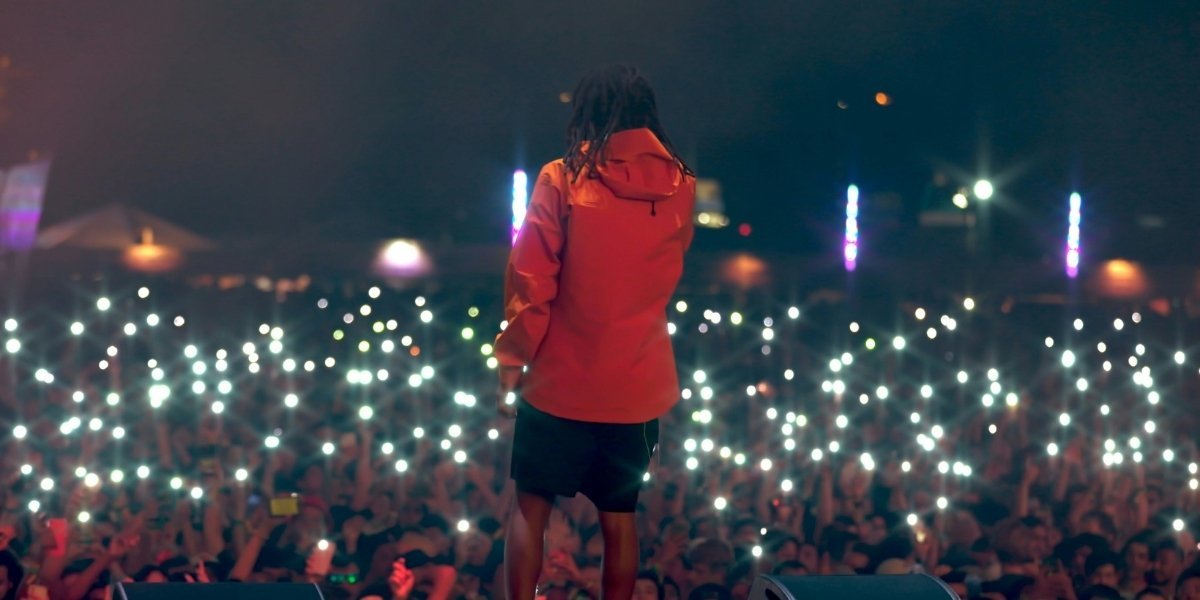
Photo Credit: Unsplash.com
Successful tours prioritize fan engagement before, during, and after each show. Pre-sale codes, exclusive content, and interactive apps allow fans to feel involved in the journey. Personalized experiences, such as meet-and-greets, custom merchandise, and localized shoutouts, build loyalty and drive repeat attendance.
One tour used geotargeted social media campaigns to promote city-specific merchandise and behind-the-scenes content. Fans in each location received tailored messages, boosting local ticket sales by 12% compared to generic promotions.
Post-show engagement also matters. Tours that follow up with thank-you emails, photo galleries, and fan polls maintain momentum and encourage word-of-mouth marketing. These strategies turn attendees into ambassadors, expanding reach organically.
Dynamic Pricing and Revenue Optimization
Ticket pricing is both an art and a science. High-grossing tours use dynamic pricing models that adjust based on demand, location, and timing. This approach maximizes revenue while maintaining accessibility.
For instance, a tour that implemented tiered pricing, offering early bird discounts, VIP packages, and last-minute flash sales, generated 18% more revenue than a flat-rate model. VIP packages, which included backstage access and signed memorabilia, accounted for 25% of total ticket income despite representing only 10% of sales volume.
Revenue optimization also includes bundling strategies. Tours that package tickets with merchandise, digital downloads, or streaming subscriptions create multiple income streams and increase per-customer value.
Brand Partnerships and Sponsorships: Expanding Reach
Corporate sponsorships play a significant role in tour profitability. High-grossing tours often partner with beverage brands, tech companies, and fashion labels to offset production costs and expand marketing reach.
One U.S. tour secured a beverage partnership that covered 40% of venue rental fees in exchange for exclusive on-site sales and branding. The deal also included co-branded social media campaigns and product placement in tour content.
These partnerships allow artists to scale their tours without compromising quality. They also introduce the tour to new audiences through cross-promotion, increasing ticket sales and brand visibility.
Merchandising and On-Site Sales: Maximizing Fan Spend
Merchandise is a major revenue stream for high-grossing tours. From apparel and accessories to vinyl and collectibles, on-site sales can rival ticket income. Successful tours design exclusive items for each city, creating urgency and boosting sales.
One tour offered limited-edition posters featuring local landmarks and setlists. Fans lined up early to purchase them, resulting in a 35% increase in merchandise revenue compared to previous tours with generic offerings.
Mobile payment systems, pop-up shops, and pre-order options also streamline the buying process. Tours that invest in merchandising infrastructure see higher conversion rates and improved customer satisfaction.
Artist Branding and Narrative Consistency
Branding is essential for tour cohesion. High-grossing tours maintain consistent visual identity, messaging, and tone across all touchpoints, from posters and trailers to stage design and social media. This consistency reinforces the artist’s persona and strengthens emotional connection.
One tour centered around a theme of resilience, with visuals, setlists, and merchandise reflecting that narrative. Fans resonated with the message, sharing personal stories and creating user-generated content that extended the tour’s impact.
Narrative consistency also helps with media coverage and press relations. Tours with clear themes are easier to pitch, resulting in more interviews, features, and editorial support.
Adaptability in the New Music Business
As discussed in How Today’s Musicians Can Thrive in the New Music Business, adaptability is key. High-grossing tours respond to changing audience behaviors, platform trends, and economic conditions. Whether it’s adjusting setlists based on streaming data or shifting marketing strategies mid-tour, flexibility drives success.
One tour added acoustic sets and fan-requested songs after noticing a spike in engagement on unplugged content. The change led to increased ticket demand and positive press coverage, proving that responsiveness can be profitable.
Tours that monitor analytics, listen to fans, and pivot when needed stay relevant and resilient.
Tours as Strategic Masterpieces
High-grossing tours in the U.S. are the result of strategic planning, creative vision, and business savvy. From logistics and production to branding and fan engagement, every element contributes to the overall success. Filmmakers, musicians, and producers alike can learn from these models, applying the same principles of adaptability, storytelling, and audience connection to their own creative ventures.
As the live music industry continues to evolve, tours will remain a benchmark of influence and innovation. The most successful ones aren’t just performances, they’re experiences, economies, and movements built on the foundation of smart decisions and powerful execution.