Designing for Active Participation
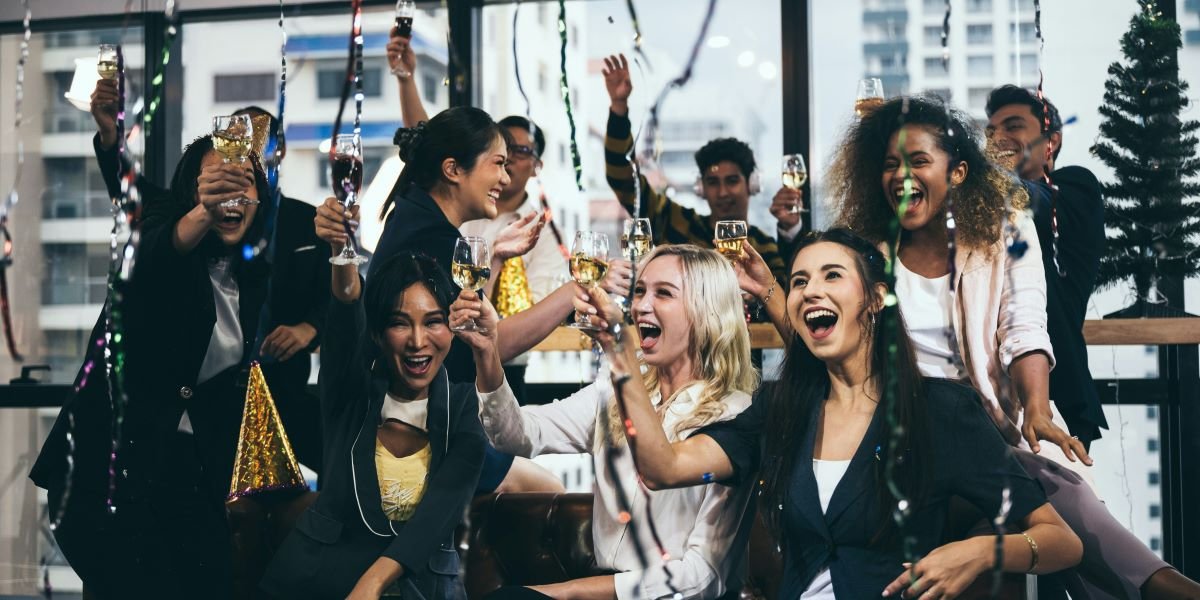
Photo Credit: Unsplash.com
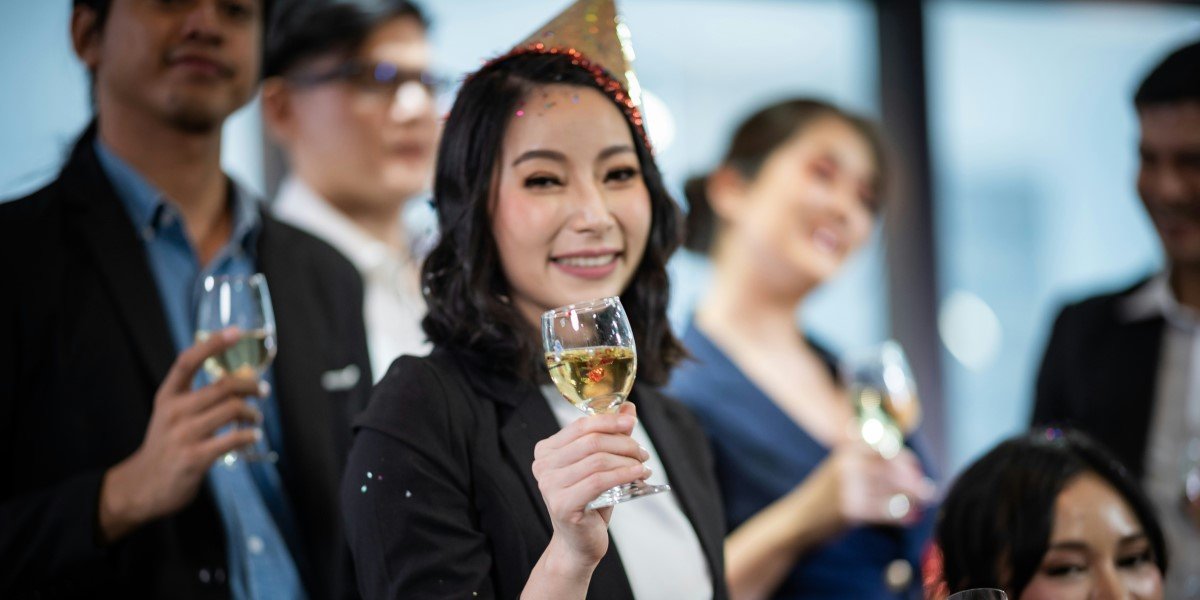
Imagine an event where attendees aren’t just seated, politely nodding, but are genuinely leaning in, voices heard, and ideas shared. That’s the power of designing for active participation. It’s about transforming passive observers into enthusiastic contributors, ensuring every individual feels like a vital part of the experience. This deliberate shift not only elevates the event’s energy but also deepens understanding, sparks new connections, and leaves a far more lasting impression.
Here are ways to design for more active participation:
-
Crafting Interactive Sessions and Dynamic Discussions: Break free from the one-way presentation format. These sessions are about creating real-time dialogue and collaborative exploration, letting your audience help shape the narrative.
- Live Q&A and Polling: Go beyond basic questions. Leverage digital tools within event apps or even simple physical methods to allow attendees to submit questions or vote on topics as they unfold. This makes presentations remarkably responsive to audience curiosity and democratizes the questioning process. Consider a “speaker hot seat” where attendees directly drive the discussion topics through live polling, ensuring the content hits home.
- Workshops and Breakout Sessions: These are your golden opportunities for hands-on learning and in-depth collaboration. Design smaller, more intimate sessions with clear learning objectives led by skilled facilitators. Think practical application, not just theory.
- Skill-Building Challenges: Attendees could immediately apply new information, like a mini-design sprint at a creative conference or a quick financial modeling exercise at a business summit.
- Collaborative Problem-Solving: Groups could work together to brainstorm solutions to a presented industry challenge, fostering shared learning and innovative idea generation.
- Audience Response Systems: Integrate technology to gather instant feedback and participation, injecting bursts of energy into longer segments. These systems excel at breaking monotony and quickly gauging collective understanding or opinion.
- Live Word Clouds: Displaying audience-submitted words in real-time, instantly visualizing collective sentiment or key takeaways.
- Rapid Opinion Polls: Short, informal polls that provide immediate, visual results, making attendees feel heard and part of a larger conversation.
-
Infusing Strategic Gamification Elements: Transform engagement into an exciting pursuit by weaving game-like elements throughout your event. This injects fun and sparks a healthy dose of friendly competition among participants.
- Quizzes and Themed Challenges: Design activities where attendees can test their knowledge, complete themed tasks, or solve puzzles related to the event’s content or its sponsors. These can range from lighthearted trivia during a coffee break to a multi-stage, app-based challenge.
- Content Reinforcement Trivia: Quizzes related to presentation material to cement learning.
- Interactive Scavenger Hunts: Guide attendees to different booths or areas using the event app, encouraging exploration and discovery.
- Photo Missions: Invite attendees to capture and share photos related to specific themes, often using unique event hashtags to amplify visibility.
- Engaging Leaderboards: Publicly displaying progress or scores can be a powerful motivator. This encourages continuous participation and provides individuals with a visible goal to work towards. Points can be awarded for diverse actions, from attending specific sessions and asking insightful questions to visiting exhibitor booths or successfully completing challenges.
- Interactive Games: Beyond just quizzes, consider incorporating digital games accessible via the event app, or even physical mini-games during networking breaks. These can serve as fantastic icebreakers, fostering spontaneous interactions.
- Quizzes and Themed Challenges: Design activities where attendees can test their knowledge, complete themed tasks, or solve puzzles related to the event’s content or its sponsors. These can range from lighthearted trivia during a coffee break to a multi-stage, app-based challenge.
By diligently applying these strategies, event planners can transform passive audiences into active, engaged participants. This leads to more dynamic, memorable, and ultimately, more valuable event experiences for everyone involved, cultivating a vibrant atmosphere where learning and connection thrive.
Fostering Meaningful Connections and Networking

Photo Credit: Unsplash.com
Let’s be real, a big reason many folks show up to events is to meet new people. They’re hoping to bump into potential work buddies, awesome experts, or maybe even someone to team up with on a cool project. So, making it easy for people to chat and connect—whether it’s super organized or just happens naturally—really cranks up the value of your event. It’s all about creating those “aha!” moments and unexpected hellos.
Here are some ways to help attendees make those meaningful connections:
-
Setting Up Structured Networking Activities: Sometimes, people need a little nudge or a clear path to start talking. These planned activities are perfect for breaking the ice.
- Speed Networking: Think of it like speed dating, but for professional connections! You set up quick, timed one-on-one chats. This format helps attendees meet a bunch of new faces in a short period, and it takes the awkwardness out of initiating conversations. You can even give them a fun prompt to kick things off, like “What’s the most exciting thing you’re working on right now?”
- Themed Tables or Discussions: Set up specific tables or chill-out zones dedicated to hot topics. Pop a sign on each one – like “AI in Marketing,” “Sustainable Event Tips,” or “Remote Work Hacks.” This way, attendees can easily find folks who share their interests and jump right into a relevant chat. It’s like an instant conversation starter!
- Facilitated Introductions: Empower your event staff or even volunteers to be “networking ambassadors.” Give them a quick brief on who’s who, and have them actively help people connect based on their backgrounds or what they’ve said they’re looking for. A simple “Hey [Person A], I think you’d really hit it off with [Person B], you’re both interested in [topic]!” can go a long way.
-
Creating Dedicated Networking Zones: People need comfy spots where they can actually relax and talk. These areas are designed to encourage casual, organic conversations.
- Relaxed Lounges: Think cozy couches, soft lighting, and perhaps some chill background music. These less formal areas, tucked away from the main buzz, are perfect for attendees to unwind, grab a drink, and chat without feeling rushed. You could even have “quiet contemplation corners” for those who prefer one-on-one chats, or “collaboration pods” for small groups to brainstorm.
- Interactive Exhibits or Experience Areas: When people are doing something together, conversations flow easily. Design spaces around common interests or hands-on activities that naturally get people interacting. This could be anything from a cool VR demo that sparks awe and discussion to an interactive art installation or a product showcase where attendees can try things out and talk about them.
-
Leveraging Event Apps and Digital Tools: Technology can be a huge help in connecting people, especially for larger events or when you want to empower attendees to seek out specific connections.
- Attendee Directories: Give everyone access to a digital directory within your event app. This lets attendees browse profiles, search by industry, job role, or even specific interests, and then send direct messages to set up meetings. It’s like having a digital Rolodex for the whole event!
- Matchmaking Features: Some smart event apps offer matchmaking algorithms. Attendees can opt-in, fill out their profiles, and the app suggests compatible connections based on shared professional interests or goals. Imagine getting a daily list of 3-5 “recommended connections” tailored just for you.
By getting creative with these approaches, you can help your attendees build valuable relationships, making your event much more than just a schedule of talks – it becomes a vibrant hub for connection.
Infusing Creativity Through Programming
For anyone putting together an event, creating truly unforgettable experiences means looking beyond just the usual keynote speeches and breakout sessions. Organizers often toss in creative, unexpected elements that really make people say, “Wow!” It’s about designing moments that stick with attendees long after they’ve headed home, offering something genuinely unique that sets a gathering apart.
Here’s how event planners can sprinkle some creative magic into an event’s lineup:
-
Thinking Outside the Box with Unconventional Formats: It helps to ditch the standard setup and try something fresh that gets people actively involved and sparks their curiosity.
- Experiential Zones: Setting up dedicated areas where attendees can dive right into the event’s theme with hands-on activities, cool simulations, or immersive displays is a great approach. Picture a tech conference with a “future city” simulation or a food festival where attendees can try making a gourmet dish themselves. These aren’t just displays; they’re playgrounds for interaction.
- Pop-Up Performances: Organizers can surprise guests with spontaneous bursts of entertainment! Think an unexpected musical act appearing in a common area, a mime troupe suddenly interacting with the crowd, or a quick, interactive science demo during a coffee break. These unexpected moments can completely change the vibe and get people talking.
- Interactive Installations: Featuring art pieces or cool digital displays that attendees can actually play with creates engagement. Maybe it’s a giant screen where their movements create digital art, or a sound installation that changes based on how many people are nearby. These types of installations are natural conversation starters and encourage exploration.
-
Weaving a Story Through Event Design: People love a good story, and an event can tell one too! By carefully crafting the atmosphere and flow, organizers can create a cohesive narrative that guides attendees through their experience.
- Themed Environments: Going all-in and transforming a venue to match an event’s purpose works well. Using decor, lighting, and even subtle scents can create an immersive world. For example, a historical event could feature different rooms styled to represent various eras, complete with fitting music and even period-appropriate snacks.
- Crafting a Narrative Flow: Event planners can think about an event like a book or a movie. How do the different sections connect? Building anticipation for key moments, and ensuring there’s a natural progression from one activity to the next, can make the whole experience feel more purposeful and engaging.
-
Tapping into Multi-Sensory Experiences: Don’t just appeal to sight and sound. Engaging all five senses helps create a truly rich and memorable event that stands out.
- Curated Cuisine: Food and drink are powerful tools! Going beyond basic catering and offering unique culinary experiences tied to an event’s theme or location can elevate the experience. Think gourmet food trucks, tasting stations with local delicacies, or a “build-your-own” dessert bar that encourages interaction.
- Dynamic Soundscapes and Lighting: Using sound and lighting design to set specific moods, highlight important moments, or even subtly guide attendees through different zones is effective. Picture calming music and soft lighting for a relaxation area, then switching to upbeat tunes and vibrant colors for a networking hub. These elements subconsciously enhance the overall atmosphere.
- Aromatic Touches: Organizers might consider incorporating subtle, pleasant scents that complement the event’s theme, adding another layer to the immersive experience.
By thoughtfully blending these creative programming techniques, event planners can ensure their gatherings are not just informative, but truly dynamic, engaging, and utterly unforgettable for everyone who attends.
So, what’s the big takeaway for anyone planning an event? It’s clear that simply putting things together isn’t enough anymore. When organizers really focus on getting people involved, helping them make cool connections, sprinkling in some unexpected fun, and using smart tech to tie it all together, that’s when an event truly shines. These gatherings move beyond just showing up; they become vibrant, memorable experiences that folks genuinely value and talk about long after they’re over.