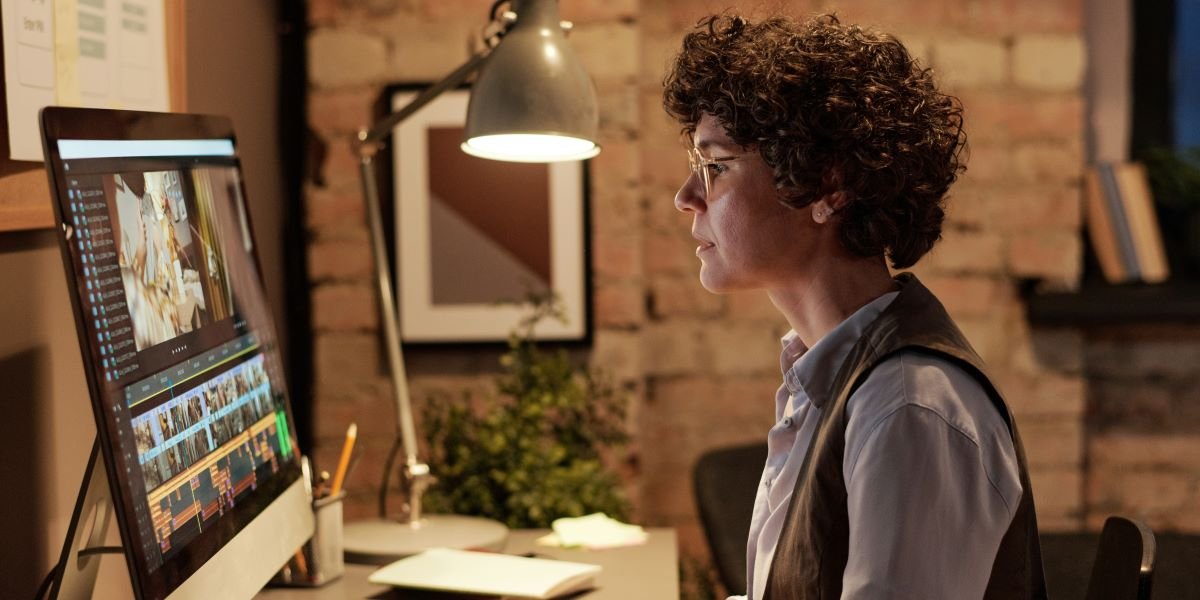
Editing is an essential aspect of filmmaking, as it shapes the voice and identity of a film. Through the careful selection, arrangement, and manipulation of footage, an editor can enhance the narrative and convey the director’s intended vision. The pacing, rhythm, and timing of each cut play a crucial role in how the audience perceives the story. By constructing a coherent and compelling sequence, editing establishes the emotional tone and sense of continuity, which ultimately defines the film’s identity.
The process allows for the refinement of raw material, giving it structure and meaning that align with the artistic objectives of the director and the film’s broader themes. As such, editing is not just about technical proficiency; it is a powerful tool for expressing ideas, character development, and the overall vision of the project. An editor’s decisions, from the choice of shots to their sequencing, create an environment that draws the audience into the narrative, making editing a defining force in a film’s identity.
The Artistic Freedom Editors Have Within a Film’s Structure
Within the structured environment of a film’s script and footage, editors possess significant artistic freedom. This freedom is rooted in their ability to transform the raw footage into something unique, offering creative possibilities that transcend the director’s original blueprint. By reordering shots, cutting scenes, or introducing subtle transitions, editors have the power to alter the emotional resonance, pacing, and even the meaning of a film.
This flexibility allows for a blend of technical skill and creative intuition. Editors can create visual metaphors, enhance performances, and make bold choices that resonate with audiences in ways that go beyond the written word. They can manipulate time, juxtapose contrasting scenes, and highlight nuances in the story that may not be immediately apparent in the script. This role of the editor is integral in shaping the aesthetic qualities of a film and contributing to its artistic expression.
Exploring Editing as an Artistic Medium
Editing has long been recognized as an artistic process that plays a central role in filmmaking. It is not merely about assembling footage but also about constructing meaning through the manipulation of time, space, and visuals. Editors have the ability to influence the emotional tone of a film and bring a unique perspective to the story, turning raw footage into a powerful, cohesive piece of art. By reworking scenes, adjusting the pacing, and deciding which elements to highlight, editing offers an expansive creative landscape.
This creative process is not confined to the limits of the script but extends into the realm of artistic expression, where editors shape the narrative flow and overall aesthetic. Through this lens, editing is seen not as a technical skill but as a dynamic and integral part of the filmmaking process that contributes to the film’s artistic vision and identity.
Editing’s Role in Expressing Abstract Ideas and Emotions
One of the most profound aspects of editing is its ability to express abstract ideas and emotions. Through visual techniques such as montage, juxtaposition, and pacing, editors can evoke a wide range of feelings and concepts that are not explicitly stated in the dialogue or script. This allows for the exploration of complex psychological states, philosophical ideas, and emotional landscapes in a manner that words alone cannot achieve.
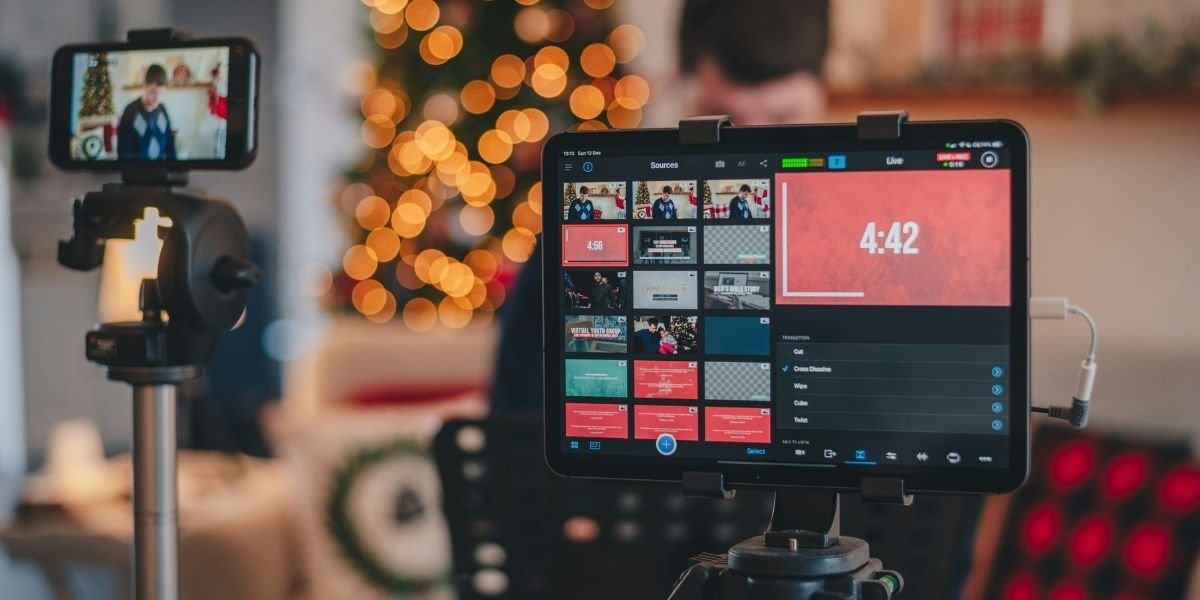
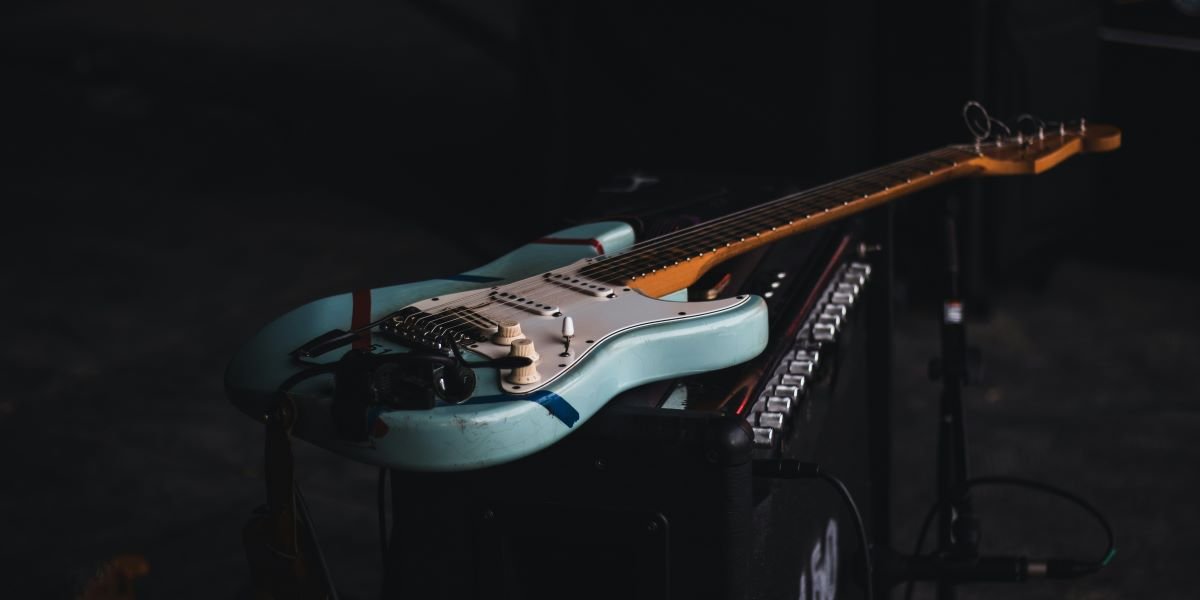
Photo Credit: Unsplash.com
For example, editing can create a sense of fragmentation or disorientation by rapidly cutting between unrelated images, evoking a feeling of confusion or chaos. Similarly, by lingering on a particular shot or slowing down the pacing, editors can create an intimate connection between the audience and the character’s internal world. In this way, editing serves as a conduit for expressing intangible ideas and emotions, making it a vital tool for conveying deeper meanings that transcend the surface narrative.
The Evolution of Film as an Art Form
As technology has advanced, the role of editing in filmmaking has evolved, allowing for new forms of artistic expression. Digital editing tools have provided editors with greater flexibility and creative options, enabling them to experiment with innovative storytelling techniques, visual effects, and sound design. The ability to manipulate images and audio has transformed the way films are edited, offering greater possibilities for crafting unique cinematic experiences.
This evolution of editing technology has not only changed the technical aspects of filmmaking but has also expanded the boundaries of what is artistically possible. Editors now have the freedom to push the limits of narrative structure, pacing, and visual style in ways that were once unimaginable. The continuous advancement of editing technology ensures that film remains a dynamic and ever-evolving art form, with editing at its heart, shaping how stories are told and experienced.
Editing remains one of the most influential aspects of filmmaking, providing a vital tool for personal and artistic expression. It allows editors to shape the identity of a film, express abstract ideas and emotions, and explore new artistic possibilities. As technology continues to advance, the role of editing will only grow in its ability to enhance the storytelling process and contribute to the ongoing evolution of cinema as an art form.